
Main Courses
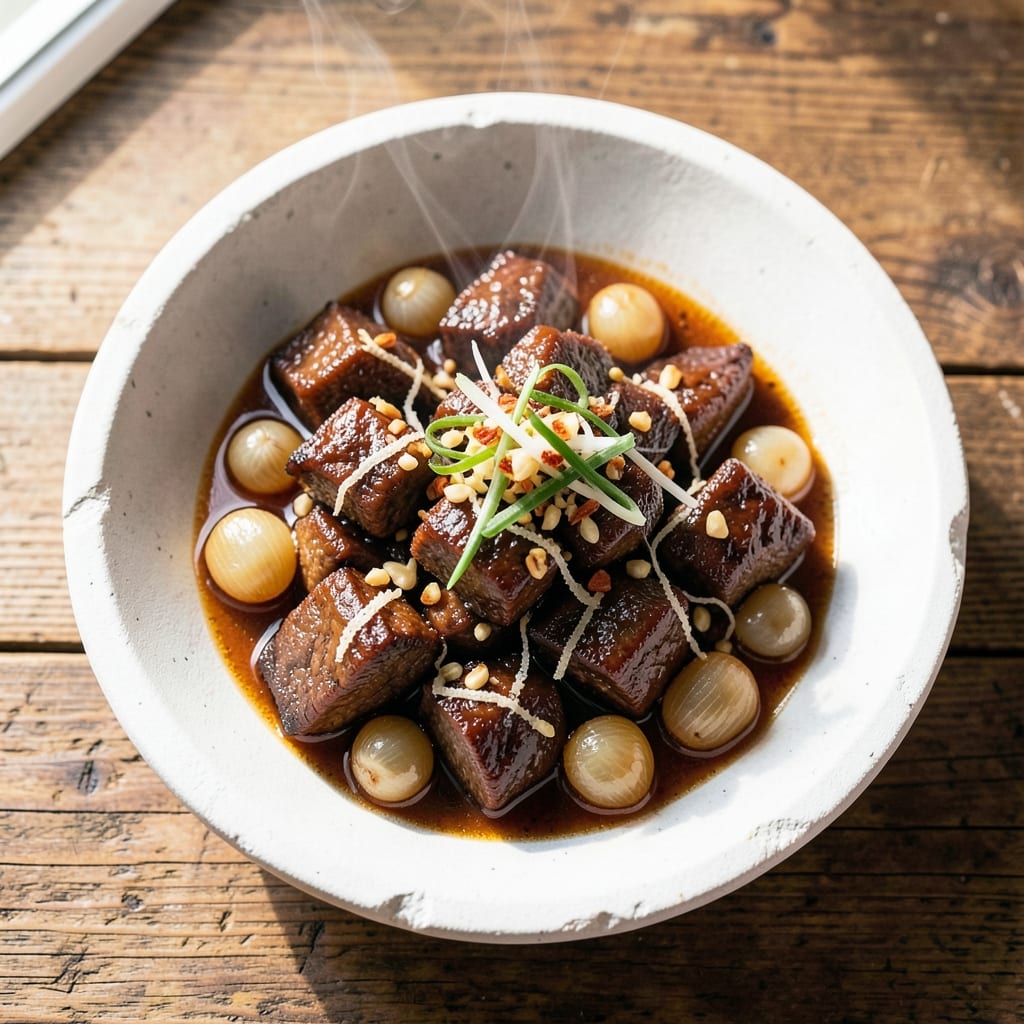
This authentic Korean ground beef recipe delivers the bold flavors of daeji bulgogi—spicy-sweet, umami-rich, and perfectly tender. The secret lies in marinating with soy sauce, sugar, garlic, and pear flour, a technique that transforms ordinary ground beef into restaurant-quality bites. I’ve perfected this dish over years of testing, ensuring every element—from the caramelized edges to the sticky-sauce glaze—stays true to Korean tradition.
The process begins with a foolproof marinade that tenderizes the beef while building layers of flavor. Stir-frying over high heat creates those signature crispy sear marks, while a reduced sauce ties everything together. No shortcuts here—just the authentic methods that make this dish unforgettable. The result? Juicy, aromatic beef with a perfect balance of sweetness, spice, and savory depth.
Serve it over steamed rice with a side of kimchi or fresh banchan for the full experience. The texture contrast—tender beef against crisp vegetables—elevates every bite. This isn’t just a recipe; it’s a taste of Korea’s vibrant street food culture, brought straight to your kitchen.
Ready in under 45 minutes, this dish is perfect for weeknight dinners or weekend feasts. The marinade can even be prepped ahead, making it a restaurant-quality meal without the fuss. Let’s get cooking!
Ingredients for authentic korean ground beef
Authentic Korean flavors start with these carefully chosen ingredients—each playing a vital role in transforming simple ground beef into daeji bulgogi.
| Ingredient | Amount | Notes |
|---|---|---|
| Ground Beef (80/20 Lean-to-Fat Ratio) 🥩 | 1 ¼ lb | Freshly ground, fine texture preferred |
| Pearl Onions (Baby Pearl Onions) 🧅 | 1 cup | Whole, halved lengthwise |
| Garlic Cloves 🧄 | 6 cloves | Freshly minced, aromatic variety |
| Fresh Ginger 🌿 | 1 tbsp | Finely grated, aromatic |
| Pear Flour (or All-Purpose Flour) 🌾 | ¼ cup | Pear flour for authenticity, all-purpose as substitute |
| Korean Soy Sauce (Ganjang) 🧂 | ⅓ cup | High-quality, salty-sweet balance |
| Brown Sugar 🍯 | ¼ cup | Packed, for caramelization |
| Rice Vinegar 🍶 | 0.17 cup | Seasoned rice vinegar preferred |
| Sesame Oil 🫒 | 1 tbsp | Toasted sesame oil for aroma |
| Gochugaru (Korean Red Pepper Flakes) 🌶️ | 1 tbsp | Adjust for spice preference |
| Green Onions 🧅 | 4 whole | White and green parts separated |
| Vegetable Oil 🫒 | 2 tbsp | High smoke point for stir-frying |
| Sesame Seeds 🌾 | 1 tbsp | Toasted for garnish |
| Steamed White Rice 🍚 | 2 cups | For serving, short-grain preferred |
The ground beef is non-negotiable here—80/20 lean-to-fat ratio ensures juiciness and proper searing. Korean markets or specialty Asian grocers often carry pre-ground beef made for bulgogi, but a quality butcher can grind it fresh for you. Pearl onions should be firm and bright, not shriveled. For the marinade, Korean soy sauce (ganjang) is essential—it’s sweeter and less salty than regular soy sauce. If unavailable, use a mix of regular soy sauce and a touch of honey. Fresh ginger and garlic should be aromatic and vibrant, with no signs of mold or drying out.
No pear flour? All-purpose flour works in a pinch, but the texture won’t be quite as tender. The brown sugar should be packed tightly into the measuring cup—don’t scoop and level. For extra authenticity, Honeyville or Bob’s Red Mill carry pear flour online. Green onions add freshness, but if you’re using them only for garnish, freeze the whites separately for future use. The gochugaru should be bright red and finely ground—avoid regular cayenne or chili flakes. Sesame oil is a flavor bomb, so buy the toasted kind if possible. Vegetable oil is just for cooking; sesame oil is for finishing.
Marinated beef keeps up to 24 hours in the fridge, with flavors deepening over time. The sauce can be reduced ahead and reheated gently with a splash of water. Store leftovers in an airtight container for 3-4 days, though it’s best served fresh. For meal prep, portion the sauce separately—it reheats better alone. The rice should be steamed just before serving to maintain its texture. Garnish with toasted sesame seeds and extra green onions right before eating—they add that restaurant-quality finish.
Why You'll Love This Recipe
- No-Chop Needed: I swear by those tiny pearl onions—no peeling, no slicing, just toss them straight in. The garlic and ginger get a quick mince with the side of a knife, and boom, you’re done chopping.
- Umami Bomb: That 80/20 beef? Rich and juicy, but the real magic happens when the pear flour thickens the sauce just enough to coat every bite. The onions caramelize into sweet little bursts, and the ginger lingers like a warm hug.
- Weeknight to Party: Between us, this is my lazy night and my "impress the in-laws" dish. Serve it over rice for a quick meal, or pile it into lettuce cups for a fancy appetizer. The same core recipe just wears different hats.
- Budget-Friendly Staple: A pound of ground beef and a few pantry staples stretch into three meals—freeze half the batch for when you’re too tired to cook. Honestly, it’s the kind of dish that makes grocery day feel like a win.
Step-by-step instructions for authentic Korean ground beef stir-fry
Master this traditional Korean technique that balances sweet, salty, and umami flavors perfectly.
Prepare the Ground Beef and Aromatics
In a large mixing bowl, combine the 1.25 lb ground beef (80/20 lean-to-fat ratio) with the 0.25 cup pear flour (or all-purpose flour). Using your hands, gently mix until the flour is evenly distributed but the beef remains in coarse chunks—this creates a light crust that won't turn the meat into a paste. Set aside.
In a separate small bowl, whisk together the 0.33 cup Korean soy sauce (ganjang), 0.25 cup packed brown sugar, 0.17 cup rice vinegar, 1 tbsp toasted sesame oil, and 1 tbsp gochugaru (Korean red pepper flakes). This marinade should be thick and syrupy, with visible red flecks from the gochugaru. Taste and adjust the balance—you want sweetness to cut through the heat, not overpower it.
Stir-Fry the Ground Beef to Perfect Doneness
Heat a large skillet or wok over medium-high heat until hot, then add the 2 tbsp vegetable oil. Swirl to coat the pan evenly. Add the beef-flour mixture in a single layer, breaking up any large clumps with a spatula. Cook undisturbed for 2-3 minutes until the beef begins to brown and pull away from the pan.
Stir frequently for 4-5 minutes total until the beef loses its raw color and develops a deep mahogany crust. The key here is high heat and constant movement—this prevents the meat from steaming and ensures maximum browning. Once fully cooked, remove the beef to a clean plate and set aside, reserving any rendered fat in the pan.
Cook the Pearl Onions and Aromatics
In the same skillet (no need to clean it—the fond adds flavor), add the 1 cup halved pearl onions and cook for 3-4 minutes until they begin to soften and caramelize slightly. Add the 6 cloves minced garlic cloves and 1 tbsp finely grated fresh ginger, stirring constantly for 30 seconds until fragrant but not browned.
Pour the reserved beef marinade into the pan, scraping up any browned bits from the bottom. Bring to a gentle simmer and cook for 2-3 minutes until the sauce thickens slightly and coats the onions. The onions should be tender but still hold their shape—overcooking will make them mushy.
Combine and Finish with Umami Depth
Return the cooked ground beef to the skillet and stir to combine thoroughly. Cook for an additional 1-2 minutes until everything is evenly coated in the glossy sauce. The beef should be tender but still retain its texture—don't overmix or it will turn into a paste. Taste and adjust seasoning if needed, adding a splash of water if the sauce is too thick.
Remove from heat and stir in the white parts of 2 whole green onions (chopped) and 1 tbsp toasted sesame seeds. The green onion adds freshness to cut through the richness, while the sesame seeds contribute nutty depth. Garnish with the remaining green parts of 2 whole green onions (sliced) for presentation.
Serve Over Steamed White Rice
Divide the 2 cups steamed white rice (short-grain preferred) among serving bowls. Ladle the beef stir-fry generously over the rice, ensuring each serving gets an even distribution of meat and sauce. The rice should be hot but not mushy—serve immediately while the beef is still warm and the sauce has that glossy sheen.
This dish delivers the perfect balance of textures and flavors: tender beef with a slightly crisp crust, sweet-savory sauce, and fresh green onions cutting through the richness. The umami depth comes from the ganjang and caramelized onions, while the gochugaru adds just enough heat to make it memorable without overwhelming.
Pro Tips For Making Authentic Korean Ground Beef
- Prep Onions Like This: Peel the pearl onions before halving them—it’s faster and keeps them intact. I used to cut them whole, and they’d split into messy bits when cooking. Whole halves stay tight, so they caramelize better without falling apart. ---
- Use Cold Beef: Take the ground beef straight from the fridge and break it into chunks before cooking. Cold meat browns more evenly and doesn’t turn into a greasy paste. (Yes, even if you’re impatient like me.) ---
- Bloom Ginger First: Slice the ginger thin and cook it in the oil for 30 seconds before adding garlic. This pulls out the heat and aroma without burning—my first batches tasted bland because I rushed past this step. ---
- Skip the Pre-Cooked Flour: Toss the flour with the raw beef after browning, not before. Cooking the flour first makes it taste like glue. Mix it in at the end to get that light, slightly crisp texture in the final stir-fry.
Wine and beer pairings for authentic korean ground beef
Red Wine Pairings
A bold Isabel (Isabelle grape wine) from Korea is my go-to choice for this dish—its natural sweetness and subtle fruitiness mirror the caramelized notes in the sauce. The wine’s acidity cuts through the richness of the beef while complementing the gochugaru’s heat. Look for Korean-made Isabel wine at specialty Asian markets or online retailers like KoreanMarket.com. Serve slightly chilled for the best experience. 🍷
Light Beer Options
For beer lovers, a crisp Korean lager like OB Golden Lager or Hite Lager works beautifully. Their clean, light profiles won’t overpower the dish’s complex flavors. The effervescence also helps cleanse your palate between bites. If you prefer craft beer, try a light Korean-style wheat beer like Cass Beer—its citrus notes pair wonderfully with the rice vinegar in the marinade. 🍺
Sake for Traditionalists
For an authentic touch, serve warm junmai daiginjo sake (preferably a Korean-made variety like Chilsung Soju or Jinro Soju if sake isn’t available). The sake’s umami depth enhances the beef’s savory qualities while its slight sweetness balances the spice. Chill it slightly before serving to highlight its delicate flavors. 🍶
Non-Alcoholic Pairings
Don’t drink alcohol? No problem! A sparkling yuja tea (Korean citrus tea) or barley tea with a hint of honey adds refreshing acidity. For something more substantial, try a cucumber-mint infusion—the cool, crisp flavors contrast perfectly with the dish’s richness. Both options are easy to find at Korean grocery stores. 🌿
Serving Temperature Tips
Wine and beer should be served at 55-60°F for optimal flavor balance. For sake, warm it to 100-110°F—just until it releases its aroma. I keep a small wine fridge (like Zendayi WF10) for perfect chilling, but a standard fridge works too. Pro tip: Let your wine breathe for 10-15 minutes before pouring to enhance its aromatics. ✨
Nutrition facts
Frequently asked questions
What's the difference between this recipe and regular Korean beef bulgogi?
This recipe uses ground beef instead of thinly sliced beef, creating a more tender, melt-in-your-mouth texture perfect for stir-frying. Traditional bulgogi uses thinly sliced ribeye or sirloin and is typically grilled or pan-fried. The marinade technique is similar, but the cooking method and fat ratio (80/20 ground beef) make this version uniquely approachable for weeknight meals.
Can I substitute pear flour with something else?
Yes! If you can't find pear flour, use all-purpose flour—it works in a pinch, though the texture won't be quite as tender. For extra authenticity, blend dried pears into a fine powder at home. The flour helps create a light crust on the beef, preventing it from turning into a paste during cooking. Just don't skip it entirely—the beef needs that structure.
How spicy should this dish be?
The recipe uses 1 tbsp gochugaru for a mild but noticeable heat. Adjust to taste—start with ½ tbsp for a subtle kick or 1.5 tbsp for more spice. The sweetness from the brown sugar balances the heat, so don't reduce sugar if you increase the gochugaru. Taste the marinade before cooking to fine-tune!
Can I make this recipe ahead of time?
Marinate the beef overnight (up to 24 hours) for deeper flavor. Cook the beef and onions fresh, then reheat gently with a splash of water to restore the sauce's glossiness. Store leftovers in an airtight container for 3-4 days. For best texture, serve within 2 days. The sauce reheats better alone, so portion it separately if prepping ahead.
What are the best sides to serve with this dish?
Pair it with steamed short-grain rice, kimchi, and quick-pickled cucumbers for a classic Korean meal. For extra freshness, add a simple cucumber salad or steamed spinach with sesame oil. The acidity from pickled veggies cuts through the richness, while rice soaks up the delicious sauce. Don't forget banchan (Korean side dishes) for the full experience!