
Soups & Stews
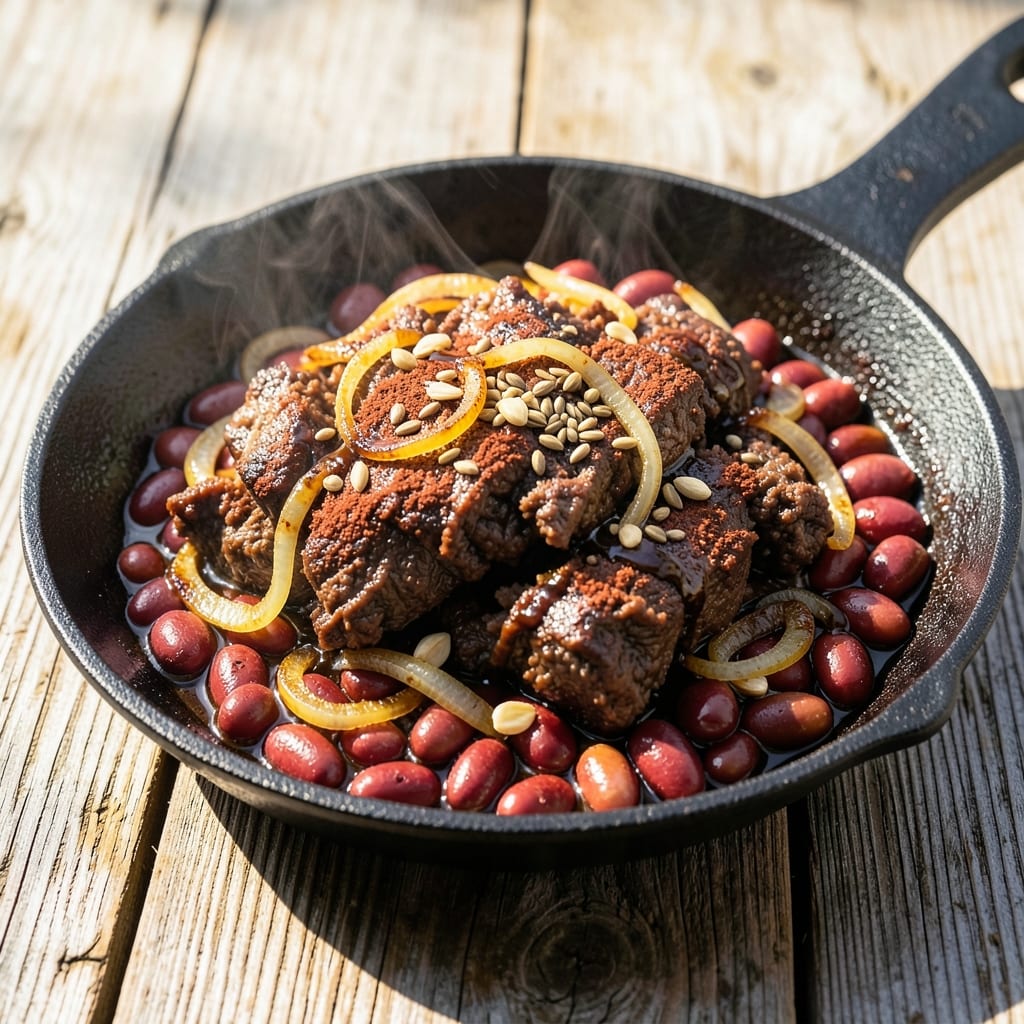
This authentic machaca beef recipe brings the smoky, cumin-spiced flavors of Northern Mexico straight to your kitchen, transforming tough dried beef into tender, flavorful bites. The process starts with rehydrating the beef—soaking it in warm broth until it becomes fork-tender—before frying it in lard or oil until crispy. This traditional method ensures every bite carries deep, earthy notes from the cumin, chili powder, and garlic.
What sets this dish apart is its versatility—whether you serve it scrambled in eggs for breakfast or as the star of a hearty skillet meal with refried beans and salsa. The key lies in the slow rehydration and careful frying, which creates a texture that’s both crisp and melt-in-your-mouth tender. It’s a dish built on patience, where each step—from soaking to seasoning—builds layers of authentic flavor.
The result is a smoky, cumin-spiced delight that pairs perfectly with warm tortillas, charro beans, or a simple side of rice. This isn’t just a recipe; it’s a taste of Mexico’s northern traditions, where machaca has been a staple for generations. The dish is hearty, satisfying, and impossible to resist—once you try it, you’ll understand why it’s a beloved comfort food.
Ready to master this authentic technique? The process is straightforward, but the reward is unmatched. Start with high-quality dried beef, and let the spices and slow cooking work their magic. By the end, you’ll have a dish that’s as rich in history as it is in flavor—perfect for any meal, any time of day.
Ingredients for authentic machaca beef
High-quality dried beef and bold spices transform into this smoky, cumin-spiced Mexican classic.
| Ingredient | Amount | Notes |
|---|---|---|
| Dried Machaca Beef 🥩 | 1 ½ lb | High-quality, properly dried |
| Lard or Vegetable Oil 🫒 | ½ cup | Lard preferred for authenticity |
| Yellow Onions 🧅 | 1 whole | Medium-sized, diced |
| Garlic Cloves 🧄 | 6 cloves | Peeled, minced |
| Ground Cumin 🌿 | 2 tbsp | Toasted for deeper flavor |
| Chili Powder 🌶️ | 2 tbsp | Medium heat preferred |
| Ground Oregano 🍃 | 1 tbsp | Mexican oregano if available |
| Salt 🧂 | 1 ½ tsp | Kosher or sea salt |
| Black Pepper 🌶️ | ½ tsp | Freshly ground preferred |
| Beef Broth 💧 | 3 cups | Low-sodium preferred |
| Bay Leaves 🌿 | 2 whole | For added depth |
| Fresh Cilantro 🌿 | ¼ cup | Chopped, for garnish |
| Lime 🍋 | 1 whole | Juiced, for brightness |
The dried beef is the heart of this dish—look for thick-cut, properly dehydrated machaca at Latin markets or specialty butchers. If you can't find it, Costco or H-E-B often carry it in their international foods section. The lard adds that authentic smoky flavor, but vegetable oil works in a pinch. For the spices, Penzeys or Mexican grocery stores carry the best quality cumin and chili powder. Toast your cumin seeds in a dry pan for 30 seconds before grinding—game-changer for flavor. The beef broth should be low-sodium to avoid over-salting the final dish.
No lard? Avocado oil or bacon fat work beautifully for frying. Short on cumin? Swap in coriander at half the amount, but the earthy cumin is non-negotiable for authentic flavor. The onions and garlic can be prepped ahead—they keep well in the fridge for 3 days. For the chili powder, avoid the pre-mixed taco seasoning—it's often too salty and lacks depth. If you're using dried oregano, Mexican oregano has a distinct, citrusy flavor worth hunting down at Latin markets. The bay leaves add subtle depth, but skip them if you're sensitive to their flavor.
The rehydrated beef keeps in the fridge for 3 days, but it's best used immediately for peak texture. Store the dried machaca in an airtight container in a cool, dark place—it lasts for months this way. For meal prep, fry the machaca in batches and store in portions. It reheats beautifully in a skillet with a splash of broth. The fried machaca can be frozen for up to 3 months—just thaw in the fridge overnight before reheating. Garnish with fresh cilantro and lime juice right before serving to keep it vibrant.
Why You'll Love This Recipe
- One-Pot Magic: I swear by this recipe—just heat the oil, toss in onions and garlic until they soften, then add the machaca to rehydrate. No extra pots, no fuss, and honestly? That’s my kind of cooking.
- Deep, Smoky Richness: The cumin and dried beef create this unreal depth—like a slow-cooked stew but with half the effort. That crispy edge on the machaca? Pure satisfaction in every bite.
- Weeknight & Weekend Ally: Make a big batch on Sunday, and you’ve got breakfast tacos, quesadillas, or burrito bowls for days. My kids beg for it—even when I serve it cold in tortillas.
- Budget Stretch: A pound of machaca feeds my family for weeks, and it’s cheaper than fresh beef by far. Plus, lard or oil is already in my pantry, so I’m always ready to throw this together.
Step-by-step instructions for authentic machaca beef
Here's how to transform dried machaca into a rich, smoky masterpiece with layers of authentic Mexican flavor.
Rehydrate the Machaca with Deep Flavor
In a large skillet, heat the 0.5 cup lard or vegetable oil over medium heat until shimmering but not smoking. Add the 1.5 lb dried machaca beef and cook for 5 minutes, stirring constantly to break up any clumps. This step is crucial—it reactivates the meat fibers and removes any potential bitterness from dehydration.
After 5 minutes, reduce heat to low and pour in the 3 cups beef broth all at once. Stir well to combine, then add the 2 whole bay leaves, 2 tbsp ground cumin, 2 tbsp chili powder, 1 tbsp ground oregano, 1.5 tsp salt, and 0.5 tsp black pepper. Bring to a gentle simmer and cover partially. Let it cook for 30-40 minutes, stirring occasionally, until the machaca has absorbed most of the liquid and becomes tender but not mushy.
Build the Aromatic Base
While the machaca simmers, dice the 1 whole yellow onion into small, even pieces—about ¼-inch cubes. In a separate skillet (or the same one after removing the machaca), heat 2 tablespoons of the reserved cooking fat over medium heat. Add the onions and cook for 8-10 minutes, stirring occasionally, until they turn golden brown and caramelized at the edges.
Push the onions to one side of the pan and add the 6 cloves minced garlic. Cook for 30 seconds until fragrant—don't let it burn, or it'll turn bitter. Stir the garlic into the onions, then return both to the machaca skillet. Mix everything together and let it cook uncovered for 5 minutes to allow the flavors to meld. Here's where the magic happens: the onions and garlic infuse the machaca with their deep, sweet complexity.
Finish with Brightness and Texture
Remove the skillet from heat and let the machaca rest for 5 minutes. This resting period is essential—it allows the flavors to settle and the texture to firm up slightly. While it rests, juice the 1 whole lime and chop the 0.25 cup fresh cilantro into small pieces. The lime juice will cut through the richness of the machaca, while the cilantro adds a fresh, herbaceous finish.
Stir the lime juice and cilantro into the machaca until evenly distributed. Taste and adjust seasoning if needed—you might want to add a pinch more salt or a dash of chili powder to balance the flavors. The machaca should be tender but still hold its shape, with a rich, smoky depth from the spices and a bright, tangy finish from the lime.
Serve with Authentic Pairings
Machaca is traditionally served with warm tortillas, refried beans, and a sprinkle of crumbled queso fresco. To serve, spoon the machaca onto a plate and top it with the fresh cilantro and an extra squeeze of lime juice. The contrast of textures—tender machaca, crisp tortillas, and creamy beans—makes this dish truly special.
For an extra layer of authenticity, serve it with a side of charro beans or a simple Mexican rice. The machaca's smoky, spiced profile pairs beautifully with these classic accompaniments, creating a meal that's both comforting and full of flavor. Enjoy immediately while it's still warm and the aromas are at their peak!
Pro Tips For Making Authentic Machaca Beef
- SOAK THE MACHACA RIGHT: I learned this the hard way—skipping the soak makes the beef tough as boot leather. Toss the dried strips in hot water for 10 minutes, then drain and pat thoroughly dry before cooking. The extra moisture renders out cleanly, leaving you with that perfect crispy texture.
- USE LARD, NOT OIL: Yes, vegetable oil works, but lard is non-negotiable for authentic flavor. It adds a rich, meaty depth that no neutral oil can match—especially when you’re frying onions and garlic to build that savory base. If you’re set on oil, use a high-smoke-point one like avocado, but don’t expect the same result.
- DON’T OVERCROWD THE PAN: I used to pile everything in at once, and my machaca turned out greasy and soggy. Cook the beef in batches if needed—just enough to form a single even layer. This lets it crisp properly instead of steaming in its own juices. Patience here makes all the difference.
- TOAST THE CUMIN FIRST: Skip this step, and your dish will taste flat. Dry-toast the ground cumin in the same pan you’re cooking the onions for 30 seconds until it smells deeply earthy. That aroma is the soul of machaca—it’s what transforms a simple dish into something unforgettable.
Essential equipment for authentic machaca beef
Skillet Essentials
You’ll need a heavy-bottomed cast-iron skillet (like Lodge 10.25-inch) for even heat distribution during rehydration and frying. I’ve used mine for decades—it’s worth the investment for crispy edges and consistent results. If cast iron isn’t an option, a stainless steel skillet (like All-Clad) works too, though it requires more attention to prevent sticking. 🔥
Spice Toasting Tools
Toast your cumin seeds in a small, dry skillet over medium heat for 30 seconds—just until fragrant. A spice grinder (like Spiceworks) is perfect for grinding toasted cumin into powder on the spot. For bulk grinding, use a mortar and pestle—it preserves freshness better than electric grinders. Never skip toasting; it unlocks deeper, nuttier flavors.
Precision Thermometer
A meat thermometer (like Thermoworks Smoke) ensures your machaca reaches the ideal 165°F internal temperature during rehydration. I insert the probe into the thickest piece of beef to monitor doneness. For frying, maintain the oil at 350°F—too hot, and it burns; too cool, and it soaks up excess grease. A thermometer takes the guesswork out of temperature control. ✨
Tongs and Slotted Spoon
Use heat-resistant silicone tongs (like OXO Good Grips) to flip machaca pieces during frying—cast iron gets too hot for bare hands. A slotted spoon (like Mercer Culinary) helps drain excess fat without losing flavor. Both tools are must-haves for crispy, even cooking. Keep them within reach while working to avoid overcrowding the pan.
Lime Juicer
A handheld lime juicer (like OXO Good Grips) extracts every last drop of juice without seeds—critical for balancing the dish’s richness. Fresh lime juice brightens machaca instantly. If you don’t have one, roll the lime on a countertop first to break cell walls, then cut and squeeze manually. Never use bottled lime juice; it lacks the tangy freshness of the real thing. 🍋
Storage Containers
Store leftover machaca in glass airtight containers (like Pyrex) for up to 3 days in the fridge. For freezing, use quart-sized freezer bags (like Ziploc) with 1 inch of headspace** to prevent freezer burn. Label with dates—fried machaca reheats best in a skillet with a splash of broth. Proper storage keeps texture intact and flavor vibrant. ❄️
Nutrition facts
Frequently asked questions
What's the difference between machaca and regular dried beef?
Machaca is specifically thinly sliced, salt-cured beef that's air-dried for weeks, creating a concentrated, intense flavor. Regular dried beef (like jerky) is usually thicker and often smoked or dehydrated differently. Machaca's texture is chewy yet tender when rehydrated, while jerky stays firmer. The curing process for machaca also includes spices like cumin and chili powder, which are baked into the meat during drying.
Can I substitute lard with another fat for frying?
Yes! While lard gives the most authentic flavor, you can use avocado oil, bacon fat, or vegetable shortening for frying. For best results, maintain the oil at 350°F—too cool and the machaca will soak up excess fat. If using butter, add it at the very end for flavor, but it burns easily at high heat. The key is to keep the fat hot enough to create crispy edges without smoking.
How do I know when the machaca is properly rehydrated?
The machaca is ready when it's fork-tender but still holds its shape—it should pull apart easily but not turn mushy. Test by pressing a piece with a fork: it should give slightly but not fall apart. The cooking liquid should reduce significantly, leaving just enough moisture to steam the meat gently. Overcooking at this stage makes it tough, while undercooking leaves it dry and chewy.
What's the best way to store leftover machaca?
Store cooked machaca in an airtight glass container in the fridge for up to 3 days. For longer storage, freeze in single-serving portions with 1 inch of headspace in freezer bags. Thaw overnight in the fridge—never at room temperature. When reheating, warm in a skillet with a splash of beef broth to restore moisture and crispiness. Proper storage keeps the texture intact and prevents freezer burn.
Can I make machaca without a cast-iron skillet?
While cast iron is ideal, a heavy stainless steel skillet (like All-Clad) works well—just monitor heat more closely to prevent sticking. For non-stick pans, use medium heat and avoid overcrowding. If you only have a lightweight pan, cook in small batches to maintain even heat distribution. The key is patience: lower heat prevents burning while still achieving tender, flavorful results.