
Main Courses
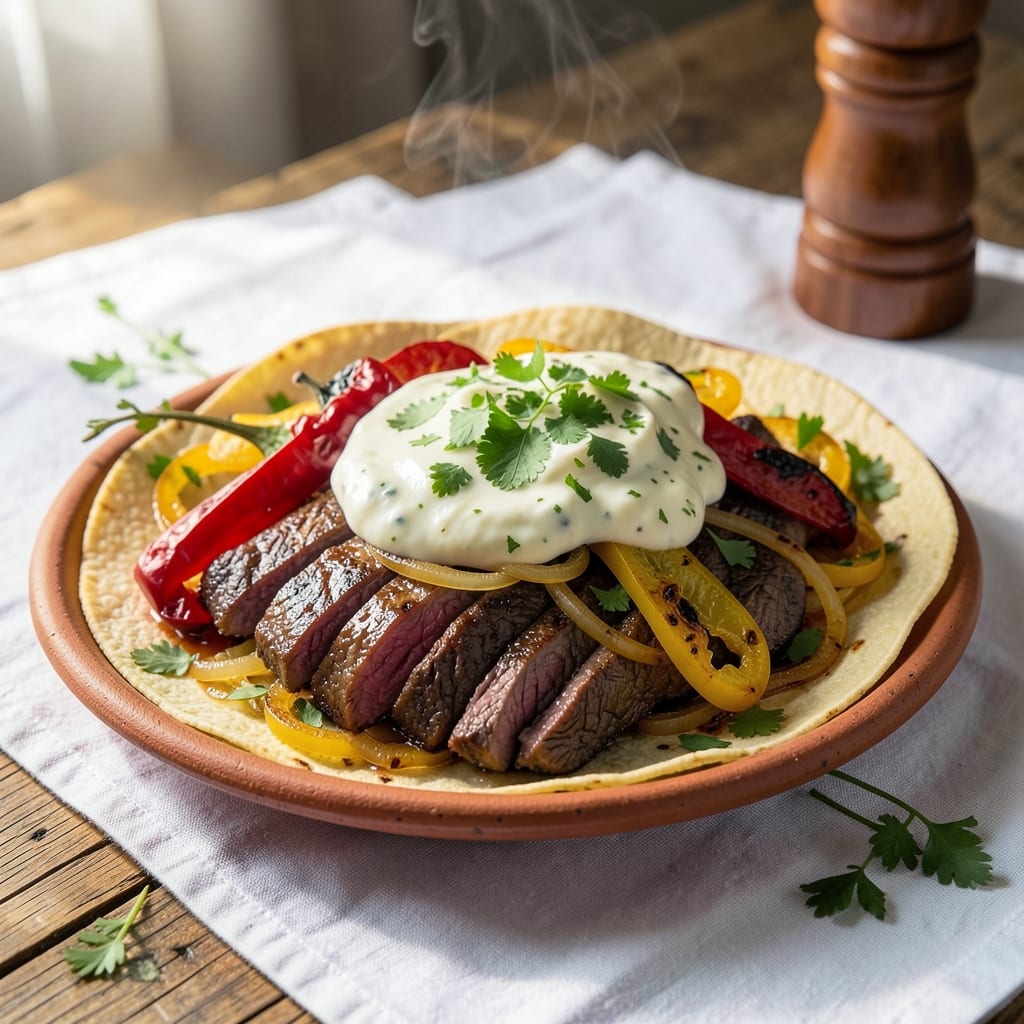
Authentic Mexican beef fajitas bring the vibrant flavors of Mexico straight to your kitchen, where perfectly marinated skirt steak meets charred peppers and onions in a symphony of smoky, spicy, and savory notes. This recipe captures the essence of Northern Mexican cuisine, where bold spices and high-heat grilling create that signature fajita experience—juicy, tender meat with crisp edges and vegetables that caramelize into sweet, smoky perfection.
The secret lies in the marinade: a blend of lime juice, garlic, cumin, and chili powder that tenderizes the meat while infusing it with deep, earthy flavors. Unlike many restaurant versions, this recipe skips shortcuts—no pre-sliced meat or bottled sauces—just authentic techniques that deliver restaurant-quality results at home. The key is high-heat searing, which locks in juices and creates those coveted char marks that define true fajitas.
Once the meat and vegetables hit the grill or skillet, the aroma alone will have everyone gathering around. The skirt steak stays tender and flavorful, while the peppers and onions develop a caramelized crust that adds sweetness to balance the heat. Serve with warm tortillas, fresh pico de gallo, and a dollop of guacamole for the full experience—each bite is a celebration of Mexican street-food culture.
This isn’t just a recipe; it’s a taste of Mexico’s bustling markets and sizzling comals. Whether you’re hosting a fiesta or craving a weeknight dinner with bold flavors, these fajitas deliver authenticity without compromise. Let’s get cooking!
Ingredients for authentic mexican beef fajita
Bold flavors and authentic techniques transform simple ingredients into restaurant-quality Mexican fajitas.
| Ingredient | Amount | Notes |
|---|---|---|
| Skirt Steak 🥩 | 1 ½ lb | Center-cut, 1/4-inch thick slices |
| Yellow Onions 🧅 | 2 whole | Thickly sliced, white and yellow |
| Bell Peppers 🌶️ | 3 whole | Mixed colors, sliced into strips |
| Lime Juice 🍋 | ½ cup | Freshly squeezed, seedless |
| Garlic Cloves 🧄 | 6 cloves | Fresh, minced for marinade |
| Ground Cumin 🌿 | 2 tsp | Freshly toasted preferred |
| Chili Powder 🌶️ | 2 tbsp | Medium heat, not cayenne |
| Smoked Paprika 🌶️ | 1 tbsp | For authentic smoky flavor |
| Olive Oil 🫒 | ¼ cup | Extra-virgin for richness |
| Salt 🧂 | 1 ½ tsp | Diamond Crystal kosher salt |
| Black Pepper 🌶️ | ½ tsp | Freshly ground preferred |
| Vegetable Oil 🫒 | 2 tbsp | For high-heat searing |
| Fresh Cilantro 🌿 | ¼ cup | Chopped, for garnish |
The skirt steak is non-negotiable for fajitas—its lean yet tender texture absorbs marinades perfectly. Local butchers often carry it pre-sliced, but if buying whole, ask for center-cut slices about 1/4-inch thick. Costco or H-E-B are reliable spots for quality cuts. Look for good marbling—this ensures juiciness. For the peppers, Trader Joe's has excellent organic mixes, but any colorful bell peppers work. The onions? Yellow and white together give that classic fajita sweetness. Store raw meat separately, and prep veggies right before cooking to maintain crispness.
No skirt steak? Flank steak is the next best option, but slice it thinly against the grain. Running out of lime juice? Key lime juice at half the amount works, or even a splash of apple cider vinegar in a pinch. The cumin and chili powder should be freshly toasted for maximum aroma—just dry-toast in a pan for 30 seconds. Smoked paprika adds depth, but if you only have regular paprika, add an extra 1/2 tsp. For the bell peppers, jalapeños or poblano peppers can replace some bell peppers for extra heat or smokiness. Pre-sliced veggies from the store? Skip them—they lack the fresh crunch you need.
Marinated meat keeps for 24 hours in the fridge, but flavor peaks after 4 hours. The sliced onions and peppers should be stored in airtight containers with paper towels to absorb moisture—lasts 3 days. For meal prep, grill the meat and veggies ahead, then reheat quickly in a skillet with a splash of water. The marinade can be made 3 days in advance and stored in the fridge. Freeze the marinade for up to 3 months if you're planning ahead.
Why You'll Love This Recipe
- One-Pan Magic: I swear by this recipe because it’s all in one skillet—no fancy gadgets, no mess. Slice the onions and peppers, toss them in with the steak, and let the garlic and lime work their flavor while you chop tortillas. Twenty minutes later, dinner’s ready.
- Smoky Lime Zing: That first bite? The skirt steak gets this perfect char, then the lime juice cuts through the richness like a bright, tangy hug. Honestly, the combo of caramelized onions, crisp peppers, and that citrus punch is ridiculously addictive—even my picky husband asks for seconds.
- Taco Night Every Day: Between us, this recipe is my secret weapon for lazy nights and big gatherings. Double the batch, stuff it in wraps for lunch, or freeze half for when you’re too tired to cook. It’s the same great flavor, just different ways to enjoy it.
- Budget-Friendly Protein: Skirt steak is a steal compared to other cuts, and it stretches further than you’d think. A pound feeds four easily, and the veggies bulk it up without breaking the bank. Plus, leftovers reheat like a dream—just toss them in a pan with a splash of water.
Step-by-step instructions for authentic Mexican beef fajita recipe
Here's the professional method for achieving restaurant-quality fajitas with perfectly charred peppers and tender skirt steak.
Marinate the Skirt Steak for Maximum Flavor
In a large resealable plastic bag, combine the 1.5 lb skirt steak, 0.25 cup olive oil, 0.5 cup lime juice, 6 minced garlic cloves, 2 tbsp chili powder, 2 tsp ground cumin, 1 tbsp smoked paprika, 1.5 tsp salt, and 0.5 tsp black pepper. Seal the bag and massage the marinade into the steak until fully coated. Let it marinate in the refrigerator for at least 2 hours, or preferably overnight for deeper flavor penetration.
The acidity from the lime juice tenderizes the meat while the spices penetrate deeply during the marinating process. I always use a plastic bag for even coating—it eliminates dry spots that can occur with bowls. Turn the bag occasionally during marinating to ensure all surfaces are exposed to the flavorful liquid.
Prep and Char the Vegetables
Slice the 2 whole yellow onions into ¼-inch thick rings and the 3 whole bell peppers into ½-inch strips, removing seeds and membranes. Heat a large cast-iron skillet over medium-high heat with 2 tbsp vegetable oil until shimmering. Add the onions and peppers in a single layer, allowing them to char slightly before stirring occasionally for 8-10 minutes until tender and blistered with blackened edges.
This charring step is essential for authentic fajita flavor. Look for deep brown spots and slightly crispy edges—they'll develop more color as they rest. Don't overcrowd the pan or the vegetables will steam instead of char. Work in batches if needed, but maintain the high heat for consistent results.
Sear the Skirt Steak to Perfection
Remove the steak from the marinade (reserve the marinade) and pat it dry with paper towels. Heat the same skillet over high heat until smoking, then add the steak in a single layer. Sear for 3-4 minutes per side for medium-rare doneness, until developing a deep brown crust. Remove the steak and let it rest for 5 minutes before slicing against the grain into ¼-inch strips.
The high heat is crucial here—it creates that signature fajita crust while keeping the interior tender. I press down gently on the steak during the first minute to prevent curling. If the steak releases easily from the pan, it's ready to rest. Slicing against the grain ensures each bite has the perfect texture combination of tender meat and crispy exterior.
Combine and Finish with Fresh Herbs
Return the skillet to medium heat and add the reserved marinade, scraping up any browned bits from the bottom. Stir in the charred vegetables and simmer for 2-3 minutes until everything is heated through. Add the sliced skirt steak back to the skillet and toss gently to coat in the sauce. Remove from heat and stir in the 0.25 cup chopped fresh cilantro**. Serve immediately with warm tortillas.
The final toss combines all the flavors while maintaining the perfect texture contrast between the tender steak and charred vegetables. The cilantro adds a bright finish that cuts through the richness of the meat. I always serve fajitas immediately—the flavors meld best when piping hot, and the tortillas stay flexible for proper rolling.
Pro Tips For Making Authentic Mexican Beef Fajita
- Slice Steak Against the Grain: I learned this the hard way—skirt steak is tough when cut with the grain. Slice it perpendicular to the muscle fibers before cooking, then sear it hot and fast. Thin strips (¼-inch thick) cook in minutes and stay tender—no chewy surprises.
- Char the Peppers First: Skip the pre-slicing. Toss whole bell peppers and onions directly into the screaming-hot pan with the steak. Let them blister and blacken in spots before cutting them up mid-cook—this builds smoky depth faster than raw chopping ever could.
- Salt the Skirt Steak Twice: Dry the meat well, then hit it with a generous pinch of salt right after slicing. Let it sit 10 minutes before cooking, then salt again after searing. The first coat tenderizes; the second locks in flavor—trust me, the second layer makes a real difference.
- Use Lime Juice Late: Hold off on the lime until the very end. Squeeze it over the finished fajitas, not the pan—acid added too soon can turn the onions mushy and dull the steak’s crust. A quick splash right before serving keeps everything bright and sharp.
Wine and beer pairings for this authentic mexican beef fajita
Mexican Lager Pairings
A crisp Mexican lager like Modelo Especial or Pacifico is the classic choice for fajitas, balancing the dish's bold flavors with refreshing carbonation. The light malt sweetness complements the smoky char of the peppers and onions while the effervescence cleanses your palate between bites. I always keep a cold Modelo on hand—its clean finish lets the fajita flavors shine without overpowering them. 🍺
Spicy Margarita Cocktail
For a festive twist, serve a spicy margarita made with tequila reposado, lime juice, agave syrup, and a pinch of chili powder. The citrus and heat mirror the fajita marinade, while the salt rim echoes the dish's savory notes. Garnish with a lime wedge and fresh jalapeño slices for extra kick. This drink bridges the gap between appetizer and main course beautifully. 🍹
Smoky Mezcal Old Fashioned
Elevate your fajita meal with a mezcal old-fashioned—mix 2 oz mezcal (like Del Maguey Vida), 1 oz agave syrup, and a dash of orange bitters, then garnish with an orange peel. The smoky depth of mezcal harmonizes with the charred vegetables and cumin-spiced meat, while the sweetness balances the heat. This cocktail feels like a celebration of Mexican flavors. 🥃
Light White Wine Option
If you prefer wine, a dry Spanish Albariño or Verdejo offers bright acidity that cuts through the richness of the fajitas. Avoid heavy whites—their oakiness can clash with the dish's vibrant spices. I reach for Pazo de Señorans Albariño for its citrusy freshness, which pairs beautifully with the lime in the marinade. 🍷
Non-Alcoholic Agua Fresca
For a refreshing non-alcoholic option, blend watermelon, lime juice, and mint for a agua fresca that complements the fajita's smoky-sweet flavors. The watermelon's juiciness contrasts the charred vegetables, while the lime ties back to the marinade. Serve chilled with ice for a crisp, hydrating accompaniment. 🍉
Nutrition facts
Frequently asked questions
Can I substitute flank steak for skirt steak in this recipe? Yes, but you'll need to adjust the cooking time slightly. Flank steak is leaner and more tender, so slice it ¼-inch thick against the grain and sear for 2-3 minutes per side instead of 3-4. The marinade works perfectly on both cuts—just
Why do my fajita peppers turn mushy instead of charred?
Overcrowding the pan is the most common mistake! Cook vegetables in batches over medium-high heat until they develop blackened edges before stirring. Use 2 tbsp vegetable oil and leave space between pieces so they can crisp up properly. If they soften too quickly, your heat may be too low.
How do I make the fajita marinade less spicy?
Reduce the chili powder to 1 tbsp instead of 2 tbsp and add ½ tsp ground coriander for a sweeter, milder flavor. For extra cooling, stir in 1 tsp honey or agave syrup to balance the heat. The lime juice and cumin will still give authentic fajita flavor without the burn.
What's the best way to keep tortillas warm while cooking?
Wrap tortillas in a clean kitchen towel and place them in a 200°F oven for up to 30 minutes. For extra authenticity, use a tortilla warmer or keep them in a sealed container with a damp paper towel. Warm tortillas are essential—they should be pliable but not soggy when assembling your fajitas.
Can I grill the fajitas outside instead of using a skillet?
Preheat your grill to medium-high heat and oil the grates well. Cook the vegetables for 8-10 minutes, turning occasionally, until charred. For the meat, grill for 3-4 minutes per side for medium-rare. The smoky flavor from the grill enhances the fajita experience—just be ready to work quickly to keep everything hot.