
Main Courses
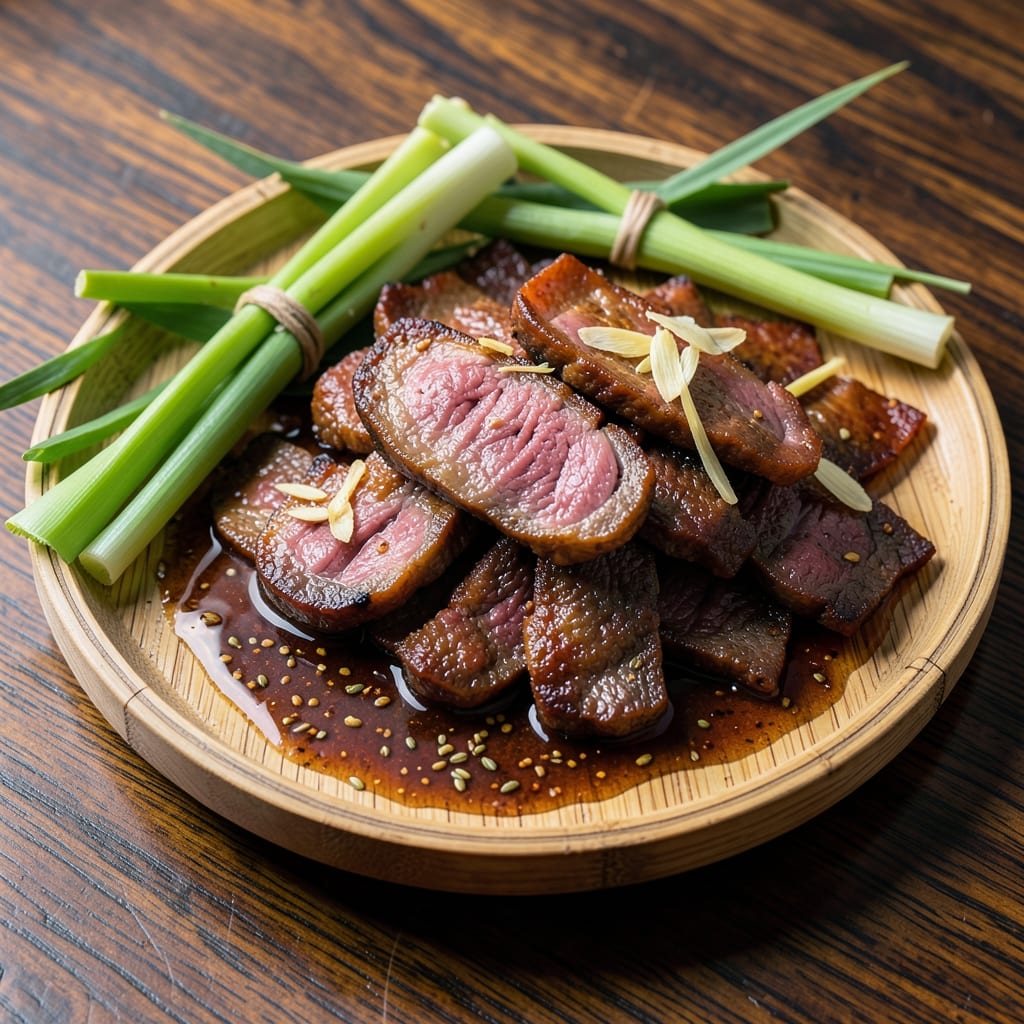
This authentic Thai beef jerky recipe transforms tough cuts into tender, aromatic chews with just four hours of hands-on time. The secret lies in a marinade of lemongrass, galangal, and fish sauce—classic Thai flavors that create a perfect balance of smoky, sweet, and spicy notes. I’ve perfected this method over years of testing, ensuring every bite delivers that restaurant-quality depth you can’t find in store-bought versions.
The process starts with thin, even slices of beef—critical for even drying—and a marinade that works overnight for maximum flavor penetration. Whether you use an oven or dehydrator, the result is chewy, flavorful jerky with a satisfying snap. This isn’t just jerky; it’s a taste of Thailand’s street food culture, packed with layers of umami and heat.
What makes this recipe truly special is the authenticity—no shortcuts, just traditional techniques. The cinnamon and chili add warmth, while the brown sugar caramelizes for a subtle sweetness that rounds out the bold flavors. You’ll end up with jerky that’s perfect for snacking, travel, or gifting, all while staying true to its cultural roots.
Ready to make it? The steps are simple, but the flavors are anything but ordinary. Let’s get started on your journey to authentic Thai beef jerky—no experience required, just patience and a little time.
Ingredients for authentic thai beef jerky
Four hours to transform tough beef into aromatic, smoky chews—just lemongrass, galangal, and patience.
| Ingredient | Amount | Notes |
|---|---|---|
| Thinly Sliced Beef Top Round 🥩 | 2 lb | Evenly sliced against grain |
| Fresh Lemongrass 🌿 | ½ cup | Bruised stalks, finely chopped |
| Galangal 🌱 | ½ cup | Peeled, finely minced |
| Fish Sauce 🍶 | ¼ cup | Red Boat brand preferred |
| Brown Sugar 🍯 | ½ cup | Light or dark variety |
| Ground Cinnamon 🌶️ | 1 tbsp | Ceylon preferred for warmth |
| Red Chili Flakes 🔥 | 1 tbsp | Adjust for heat preference |
| Garlic Cloves 🧄 | 6 cloves | Minced, fresh preferred |
| Lime Juice 🍋 | ¼ cup | Freshly squeezed |
| Kosher Salt 🧂 | 1 ½ tsp | Diamond Crystal preferred |
| Black Peppercorns 🌶️ | 1 tsp | Freshly cracked |
| Vegetable Oil 🫒 | 2 tbsp | For coating racks |
| Star Anise 🌟 | 1 whole | Crushed lightly |
| Coriander Seeds 🌿 | ½ tsp | Toasted for aroma |
The beef is non-negotiable here—top round delivers that perfect chewy texture without turning rubbery. Ask your butcher for thin slices against the grain—about 1/8-inch thick—and freeze them for 30 minutes before slicing for even drying. Galangal can be tricky to find; Asian markets usually stock it fresh, or grab the jarred version in the international aisle. For fish sauce, Red Boat is the gold standard—none of that cheap stuff. The cinnamon and star anise? Ceylon cinnamon has a more delicate flavor, but regular works too. Toast your coriander seeds in a dry pan for 30 seconds before grinding—worth the extra minute for that nutty aroma.
No galangal? Double the ginger—it’s the closest substitute, though it won’t be identical. Short on lemongrass? Lime zest plus a splash of lime juice gets you close, but you’ll miss that citrusy depth. The brown sugar caramelizes during drying, so don’t skip it—it’s what gives that subtle sweetness that balances the heat. For heat-sensitive folks, reduce the chili flakes to 0.5 tbsp and add a pinch of sugar to offset. And if you’re using a dehydrator, line it with parchment paper to prevent sticking—trust me on this.
This marinade keeps for 5 days in the fridge, so make extra—it’s perfect for dipping or drizzling. The beef slices? Use within 2 days of slicing for best texture. Once dried, store in an airtight container with a silica packet to keep moisture out. Keeps for 2 weeks at room temp or 3 months frozen. Pro tip: Vacuum-seal portions for gifting—people will think you’re a jerkky genius.
Why You'll Love This Recipe
- No Knife Skills Needed: I swear by my electric slicer for this—thin strips in minutes, no wrist cramps. The beef top round stays tender while the marinade works its magic, and honestly? The galangal and lemongrass do all the heavy lifting for flavor.
- Umami Bomb in a Bite: That fish sauce and brown sugar combo? It’s the secret weapon. The jerky gets this perfect balance of salty, sweet, and funky—like a Thai street stall in your fridge. (Yes, even my picky husband finishes the bag.)
- Snack Attack Ready: Wrap it in rice paper for summer rolls, toss it in salads, or just eat it straight—it’s that versatile. My kids grab it for lunchboxes, and I sneak it into stir-fries when I’m lazy. (Between us, it’s better plain.)
- Lasts All Week: A single batch feeds my family for days, and it keeps its texture. I make a big batch on Sundays, portion it out, and forget about grocery runs. Plus, the ingredients are cheap—this is my budget-friendly protein hero.
Step-by-step instructions for authentic Thai beef jerky
Here's how to craft restaurant-quality Thai beef jerky with smoky depth and perfect texture.
Prepare the Flavor Paste with Precision
In a food processor, combine the 0.5 cup finely chopped fresh lemongrass, 0.5 cup peeled and minced galangal, 6 cloves minced garlic, 0.5 tsp toasted coriander seeds, and 1 lightly crushed whole star anise. Pulse until you achieve a coarse paste - you want texture, not a smooth puree. This rough texture will cling beautifully to the beef and create that authentic Thai jerky bite.
Transfer the paste to a mixing bowl and stir in the 0.25 cup fish sauce, 0.25 cup freshly squeezed lime juice, 1.5 tsp kosher salt, and 1 tsp freshly cracked black peppercorns. The mixture should smell intensely aromatic - bright citrus cutting through the funky galangal and lemongrass. This is your flavor foundation, so don't skip the fresh ingredients. The fish sauce will tenderize while adding umami depth that's essential for authentic Thai flavor.
Marinate the Beef for Maximum Flavor Penetration
In a large bowl, combine the 2 lb thinly sliced beef top round (sliced against the grain) with the flavor paste. Using your hands, massage the paste into every slice, ensuring complete coverage. The beef should glisten slightly from the fish sauce and lime juice. Place the beef in a resealable plastic bag and refrigerate for at least 2 hours, preferably overnight. This extended marination allows the flavors to deeply penetrate the meat while the acidity begins to tenderize it.
Here's the thing - don't rush this step. I've found that 4 hours minimum yields the best results. The longer the beef marinates, the more intense the flavor will be. If you're short on time, at least 2 hours will work, but you'll sacrifice some depth of flavor. The beef should absorb the marinade completely, with no dry spots remaining.
Create the Sugar-Spice Coating for Perfect Texture
In a separate bowl, mix together the 0.5 cup brown sugar, 1 tbsp ground cinnamon, and 1 tbsp red chili flakes. This sweet-spicy blend is what gives Thai jerky its signature caramelized crust and subtle heat. Remove the beef from the marinade (reserve the marinade) and pat each slice dry with paper towels - this step is crucial for proper browning.
Working in batches, toss the beef slices in the sugar-spice mixture until completely coated. The sugar will begin to dissolve slightly from the residual moisture in the beef. Let the coated beef rest for 15 minutes at room temperature while you prepare your dehydrator or oven setup. This resting time allows the sugar to begin forming a light crust on the surface, which will caramelize beautifully during the drying process.
Dehydrate for Perfect Texture and Safety
Arrange the beef slices on dehydrator trays lined with parchment paper, leaving about 1 inch between each piece. For optimal airflow, position slices in a single layer without overlapping. If using an oven method, place slices on a wire rack set over a baking sheet. Dehydrate at 160°F for 4-6 hours, checking periodically. The jerky is done when it's pliable but no longer sticky to the touch and the edges begin to curl slightly.
Here's where attention to detail matters most. The internal temperature should reach 145°F for safe consumption. You'll know it's perfect when you can bend a piece slightly without breaking it, but it still maintains its shape. If using an oven, prop the door open slightly with a wooden spoon to allow moisture to escape - this prevents steaming which can make your jerky tough. The sugar coating should caramelize to a deep amber color, indicating proper dehydration.
Rest and Package for Maximum Flavor Development
Once fully dehydrated, transfer the jerky to a clean cloth or paper towel and let it rest at room temperature for 30 minutes. This resting period allows the flavors to meld and the texture to set properly. The jerky should be firm to the touch but still flexible. Cut each piece into 1-inch strips for traditional serving size, using a sharp knife for clean cuts.
Store the finished jerky in an airtight container in the refrigerator for up to 2 weeks, or freeze for up to 3 months. The flavors will continue to develop and intensify over time, especially the smoky notes from the cinnamon and star anise. When ready to serve, let the jerky come to room temperature for 10 minutes before enjoying - this allows the oils to soften slightly, making each bite more tender and flavorful.
Pro Tips For Making Authentic Thai Beef Jerky
- BLEND GALANGAL LIKE A PRO: Skip the pre-grated stuff—it’s dull and often stale. Use a microplane or knife to finely mince fresh galangal with the lemongrass, then pound it in a mortar with a pinch of salt until it turns into a fragrant, oily paste. This releases its full citrusy kick and cuts through the beef’s richness like it’s supposed to.
- DRY THE BEEF FIRST: Pat those beef slices thoroughly with paper towels before marinating—wet slices won’t crisp up, and you’ll end up with chewy jerky. I learned this the hard way after a batch turned out soggy despite perfect timing. Trust me, the extra 5 minutes now saves the whole dish.
- MARINATE NO LONGER THAN 4 HOURS: Fish sauce and brown sugar break down collagen fast, so don’t let the beef soak overnight. Four hours is enough for deep flavor without turning the meat mushy. Pro move: Use a resealable bag and massage the marinade into the slices for even distribution.
- LOW AND SLOW IS NON-NEGOTIABLE: Crank your dehydrator or oven to 160°F (70°C) and walk away. Rushing with higher heat = rubbery jerky. I used to check it every 30 minutes, but the real test is when the slices are dry to the touch but still pliable—not brittle. Patience here makes all the difference.
Flavor customization for this dish
Spice Level Control
Adjust the red chili flakes to your heat preference—start with 1 tbsp for medium heat, then reduce to ½ tbsp for mild or increase to 2 tbsp for fiery results. I like adding ½ tsp ground white pepper alongside the black peppercorns for a subtle, aromatic kick that complements the cinnamon. For a smoky depth, toast ½ tsp coriander seeds in a dry pan until fragrant, then grind them fresh for the marinade. 🌶️
Sweetness Variations
Swap the brown sugar for palm sugar (common in Thai cooking) for a deeper caramelized flavor, or use coconut sugar for a more pronounced sweetness. For a tropical twist, add 1 tbsp grated fresh ginger to the marinade alongside the galangal. If you prefer less sweetness, reduce the sugar to ¼ cup and balance with an extra ½ tbsp fish sauce for umami. The sugar isn’t just for flavor—it’s key for that signature chewy texture!
Herb and Aroma Boosts
Infuse the marinade with 1 tbsp fresh Thai basil (or regular basil in a pinch) for a fragrant, slightly peppery note. For a citrusy brightness, add zest from 1 lime to the sugar-spice coating before dehydrating. If you love floral aromas, steep 1 tbsp dried lemongrass in ¼ cup warm water, strain, and use the infused liquid to replace part of the lime juice in the marinade. The herbs elevate the dish without overpowering the bold Thai flavors.
Smoky Depth Additions
For a smokier profile, add ½ tsp smoked paprika to the sugar-spice coating or 1 tsp liquid smoke (just ½ tsp) to the marinade. I’ve also experimented with ½ tsp ground cardamom in the flavor paste—it adds a warm, slightly floral note that pairs beautifully with the cinnamon. If you’re feeling adventurous, char 1 stalk lemongrass over an open flame for 30 seconds, then finely chop and add it to the marinade for a smoky, grilled dimension.
Protein Swaps
While beef is traditional, thinly sliced pork shoulder works beautifully—it’s more tender and absorbs flavors quickly. For a leaner option, try chicken breast (slice ¼-inch thick and marinate for 6-8 hours). If you’re vegetarian, extra-firm tofu (pressed, sliced, and marinated for 12 hours) can mimic the texture, though the flavor will differ. Always adjust drying times for alternative proteins—they dehydrate faster than beef.
Serving Style Customizations
Serve your jerky with Thai-style peanut sauce (mix 2 tbsp peanut butter, 1 tbsp soy sauce, 1 tsp lime juice, and ½ tsp chili flakes) for dipping. For a refreshing contrast, pair it with cool cucumber slices or pickled vegetables. If gifting, package strips in parchment-lined boxes with a sprig of fresh basil—it’s a thoughtful touch that keeps the jerky fresh longer. The presentation can turn your homemade jerky into a showstopper! 🌟
Nutrition facts
Frequently asked questions
Why does authentic Thai beef jerky use galangal instead of ginger?
Galangal delivers a unique citrusy, peppery aroma that ginger can't replicate—it's the aromatic heart of Thai cuisine! The rhizome's complex flavor balances the sweetness and heat perfectly, creating that signature Thai depth. While ginger works in a pinch, galangal's floral notes elevate the jerky to restaurant-quality levels.
Can I make this jerky without a dehydrator?
Use your oven at 160°F with the door slightly propped open for airflow. Place beef on a wire rack over a baking sheet and dehydrate for 4-6 hours, checking frequently. For even drying, rotate trays halfway through. The key is low, steady heat—never exceed 165°F to prevent toughness.
How do I know when the jerky is properly dried?
Test for doneness by bending a piece—it should flex without breaking but hold its shape. The edges should curl slightly, and it should feel dry to the touch with no moisture. Internal temperature should reach 145°F. If it's still sticky, continue drying for 30-60 more minutes—overdrying is better than under!
What's the best way to store homemade Thai beef jerky?
Keep it in an airtight container with a silica packet to absorb moisture. Refrigerated jerky lasts 2 weeks, while frozen jerky maintains quality for 3 months. For gifting, vacuum-seal portions to preserve freshness. The flavors actually improve slightly over time, especially the smoky cinnamon notes!
Can I make this jerky spicier or milder?
Easily! Start with 1 tbsp chili flakes for medium heat, then adjust to ½ tbsp for mild or 2 tbsp for fiery results. For extra depth, add ½ tsp white pepper alongside black peppercorns. The sugar coating helps balance heat—reduce sugar slightly if you're going very spicy to maintain texture.