
Main Courses
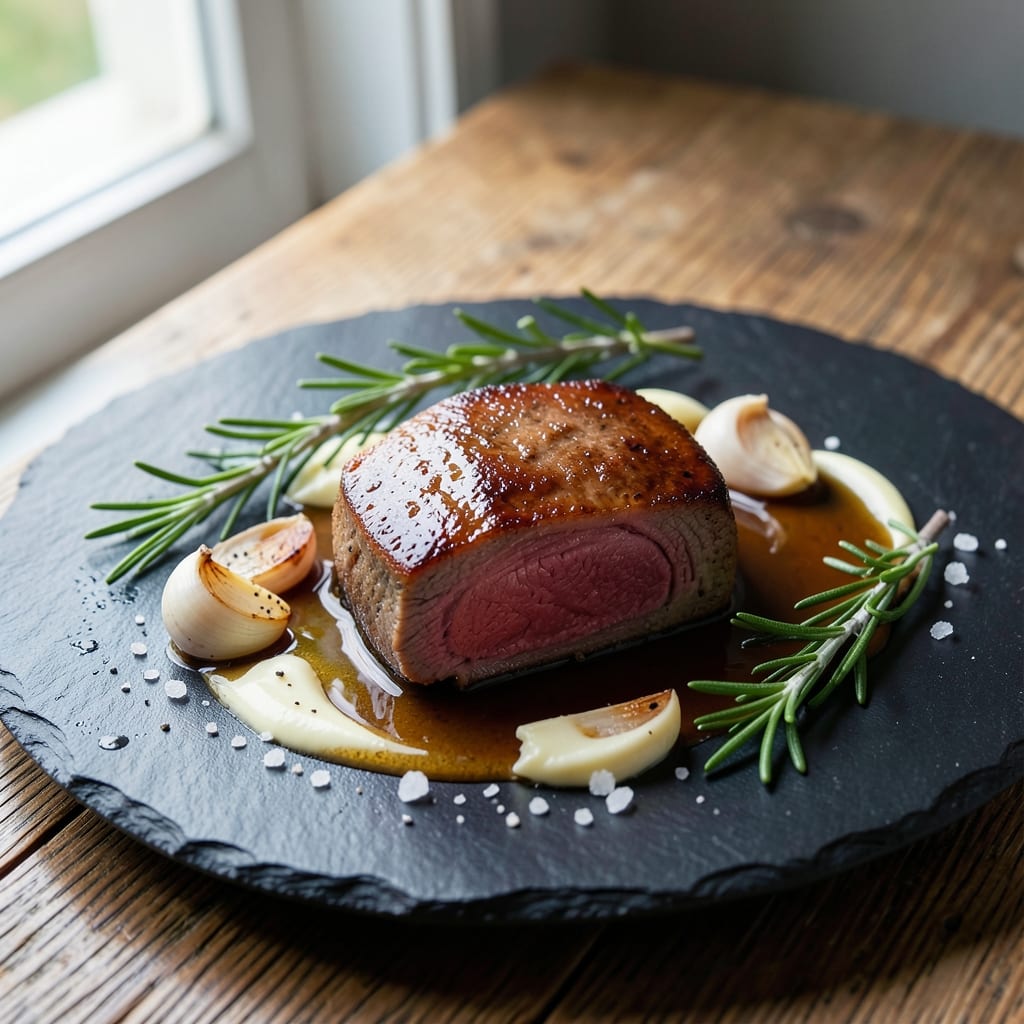
This award-winning beef tenderloin recipe delivers restaurant-quality results with a perfectly seared crust and juicy, medium-rare center—all in just 45 minutes. The secret lies in a high-heat sear followed by precise roasting, ensuring every bite is tender and flavorful. Whether you're hosting a dinner party or treating yourself to a special meal, this technique transforms a simple cut into an impressive centerpiece that rivals the best steakhouses.
The key to success is butter basting during roasting, which infuses the meat with rich, savory flavors while keeping it moist. Start with a hot pan sear to lock in juices, then finish in the oven at a controlled temperature to achieve that ideal doneness. This method ensures the beef stays tender and succulent, never dry or overcooked. Pair it with a bold red wine reduction or roasted vegetables for a complete, award-worthy dining experience.
By the time you serve this dish, you'll have a golden, caramelized crust that contrasts beautifully with the tender interior. The aroma alone will have guests anticipating every bite, and the presentation—whether sliced thick or left whole—will leave a lasting impression. This is the kind of recipe that turns a weeknight into a memorable occasion, proving that luxury dining doesn't require a Michelin-starred kitchen.
Serve with classic sides like mashed potatoes, roasted asparagus, or a crisp green salad to round out the meal. The butter-basted richness of the tenderloin pairs perfectly with these accompaniments, creating a harmonious balance of flavors. With this recipe, you're not just cooking dinner—you're crafting an experience that deserves recognition. Let's get started!
Ingredients for award winning beef tenderloin
The secret to award-winning beef tenderloin lies in these premium ingredients and precise technique.
| Ingredient | Amount | Notes |
|---|---|---|
| Beef Tenderloin 🥩 | 2 ½ lb | Center-cut, trimmed of silver skin |
| Unsalted Butter 🧈 | ½ cup | Cold, cut into 1-inch cubes |
| Kosher Salt 🧂 | 1 ½ tsp | Diamond Crystal preferred |
| Freshly Ground Black Pepper 🌶️ | 1 tsp | Coarse grind for texture |
| Garlic Cloves 🧄 | 4 cloves | Smashed, skin-on for flavor |
| Fresh Rosemary 🌿 | ¼ cup | Needles finely chopped |
| Fresh Thyme 🌿 | ¼ cup | Leaves only, stems removed |
| Extra-Virgin Olive Oil 🫒 | 2 tbsp | For searing pan |
| Red Wine 🍷 | ½ cup | Bold, dry variety like Cabernet |
| Beef Bone Broth 💧 | ½ cup | Homemade or high-quality store-bought |
| Dijon Mustard 🍯 | 1 tbsp | For basting brush |
The beef tenderloin is the star—center-cut, trimmed of silver skin for maximum tenderness. Source this from a butcher or high-end grocery like Whole Foods or Costco, where they often carry it pre-trimmed. Look for rich marbling and vibrant color; avoid any pieces with grayish tint or excessive fat. The rosemary and thyme should be fresh, not dried—the aroma alone elevates the dish. For the butter, opt for European-style (like Plugrá) if possible; it has a higher fat content that bastes beautifully. Prep the garlic by smashing the cloves—this releases more flavor during roasting.
No red wine? Beef broth with a splash of balsamic vinegar works in a pinch, though the acidity won’t be identical. Fresh herbs are non-negotiable here—dried thyme or rosemary will lack the bright, aromatic punch. For the olive oil, avoid anything labeled ‘light’; you want robust, fruity notes to complement the beef. The bone broth should be rich and gelatinous—homemade is ideal, but Pacific Foods or Kettle & Fire brands are reliable. If your Dijon mustard is too sweet, mix in a pinch of hot sauce for balance. And trust me on the cold butter cubes—they create a luxurious, caramelized crust during basting.
This recipe reheats beautifully—slice against the grain and warm in a 350°F oven for 10-15 minutes, covered loosely with foil. The beef stays juicy for 3-4 days in the fridge, but for longer storage, vacuum-seal and freeze for up to 3 months. I always portion leftovers into individual servings—perfect for quick lunches or last-minute dinner guests. The basting butter? Strain and save the rendered fat for future searing; it’s liquid gold.
Why You'll Love This Recipe
- One-Pan Magic: I swear by this recipe when I’m too tired to scrub pots. Just sear the tenderloin, smother it in butter and garlic, then let the oven do the rest—no flipping, no fussing, just perfect results.
- Butter-Garlic Bliss: That first bite? Rich, tender beef with a crust so golden it’ll make you close your eyes. The butter bastes into a luscious sauce while the garlic infuses every bite—no fancy rubs, just pure, simple satisfaction.
- Weeknight to Dinner Party: Same recipe, two vibes. Toss it on for a lazy Friday night or elevate it with fresh herbs for a holiday meal. Honestly, I’ve served this to skeptical in-laws and had them ask for the recipe—proof it works for anyone.
- Leftovers That Don’t Suck: Cold slices on toast? Yes, please. Or reheat with a splash of broth for a next-day stew. Between us, this roast is so forgiving that even my burnt-toast mornings get a second chance at dinner.
Step-by-step instructions for perfectly cooked beef tenderloin
Master this technique and you'll achieve a beef tenderloin that's impossibly tender with a rich, aromatic crust.
Prepare the Beef with Herb Rub
Begin by removing the beef tenderloin from the refrigerator and patting it completely dry with paper towels. This drying step is crucial for achieving that perfect crust later. Place the tenderloin on a cutting board and use a sharp boning knife to make shallow cuts about ½-inch deep all over the surface, being careful not to cut through completely. These cuts will allow the seasoning and butter to penetrate deeply.
In a small bowl, combine the 1.5 teaspoons kosher salt and 1 teaspoon freshly ground black pepper. The coarse grind of the pepper will add texture to the crust. Add the 0.25 cup finely chopped fresh rosemary and 0.25 cup fresh thyme leaves, rubbing the mixture between your palms to release their aromatic oils. Gently press this herb rub into every cut and over the entire surface of the beef tenderloin.
Sear the Tenderloin to Lock in Juices
Heat a heavy oven-safe skillet over medium-high heat until very hot. Add the 2 tablespoons extra-virgin olive oil and swirl to coat the bottom evenly. Once the oil shimmers, carefully place the beef tenderloin in the skillet, turning it occasionally to sear on all sides. This should take about 3-4 minutes per side until you achieve a deep golden-brown crust. I press down gently on the tenderloin during the first minute to prevent it from curling and ensure even contact with the pan.
Remove the skillet from the heat and transfer the tenderloin to a plate. The residual heat will continue cooking it slightly as we prepare the basting mixture. This searing step is what creates that beautiful crust while locking in all those precious juices.
Create the Butter-Basting Mixture
In the same skillet (with all those flavorful browned bits still clinging to the bottom), add the 4 smashed garlic cloves and cook for 30 seconds until fragrant. Pour in the 0.5 cup red wine and scrape up all those browned bits with a wooden spoon - this is called deglazing and captures all that concentrated flavor. Let the wine simmer for 2 minutes until reduced by half.
Add the 0.5 cup beef bone broth and 1 tablespoon Dijon mustard, stirring to combine. Bring to a gentle simmer, then reduce heat to low. Cut the 0.5 cup cold unsalted butter into 1-inch cubes and add them to the skillet. The butter will begin to melt and create a luxurious sauce that we'll use to baste the beef.
Baste and Roast to Perfect Doneness
Preheat your oven to 425°F while you prepare the basting brush. Return the beef tenderloin to the skillet and spoon the butter mixture over it, coating all sides. Transfer the skillet to the preheated oven and roast for 15 minutes. After 15 minutes, carefully remove the skillet from the oven and spoon more of the butter mixture over the beef, basting all sides thoroughly.
Return to the oven and continue roasting for another 10-15 minutes, basting once more halfway through, until the internal temperature reaches 125-130°F for medium-rare. The beef should feel firm to the touch but still yield slightly when pressed. For medium doneness, aim for 135-140°F internal temperature. The butter mixture should have thickened into a glossy sauce that clings beautifully to the beef.
Rest and Serve with Confidence
Remove the beef tenderloin from the oven and transfer it to a cutting board. Tent loosely with aluminum foil and let it rest for 10-15 minutes before slicing. This resting period is absolutely critical - it allows the juices to redistribute throughout the meat, ensuring each slice is impossibly tender and moist. During this time, keep the skillet with the remaining butter sauce on low heat to prevent it from solidifying.
Slice the beef tenderloin into ½-inch thick medallions against the grain for maximum tenderness. Spoon the remaining butter sauce over the slices and serve immediately. The result should be a perfectly cooked beef tenderloin with a rich, aromatic crust and a velvety interior that melts in your mouth. Each bite should deliver the complex flavors of the herb rub, the richness of the butter sauce, and the depth of the wine reduction.
Pro Tips For Making Award Winning Beef Tenderloin
- SEAR UNTIL BLACK: Cast iron? Great. Stainless steel? Even better. Push that pan to screaming hot—we’re talking 450°F—before adding the tenderloin. I learned this the hard way: a pale sear hides a mealy center, no matter how perfectly you finish it. Let those crusts go dark before turning, and resist the urge to move it around. ---
- SALT THE GARLIC: Crush those garlic cloves with a pinch of kosher salt before mincing—it keeps them from turning to mush when you toss them in the butter. My grandmother swore by this, and she was right: the flavor stays bright, and the butter emulsifies like a dream when you baste the seared tenderloin. ---
- REST LONGER THAN YOU WANT: Skip the 5-minute rule. Wrap that tenderloin in foil and let it sit for 10–15 minutes—yes, even if you’re starving. I used to cut into it early, and the juices would pool on my plate instead of staying where they belong. Patience here guarantees a fork-tender bite every time. ---
- BASTE WITH THE FAT: Don’t just melt the butter—let it render into a pool of golden fat first. Then, spoon that liquid over the meat as it rests. The high heat of the sear pulls moisture to the surface, and the fat seals it in. (Your future self will thank you for not skipping this step.)
Make-ahead tips for this award winning beef tenderloin
Prep Ahead for Stress-Free Cooking
Start your prep the night before by trimming and scoring the beef tenderloin—store it uncovered on a plate in the fridge to dry the surface. This step is crucial for that perfect crust. I like to make my herb rub (salt, pepper, rosemary, thyme) in advance and store it in a small airtight container. Just grab it when you're ready to season the beef. The butter cubes can also be prepped ahead and kept in the freezer until you're ready to cook. 💪
Butter Sauce Prep Shortcut
Save time by prepping the butter basting mixture components separately. Measure out your red wine, bone broth, and Dijon mustard into individual containers. When you're ready to cook, simply combine them in the skillet with the garlic and butter cubes. This keeps your cooking process streamlined and reduces cleanup. The garlic cloves can even be smashed and stored in the fridge for up to 24 hours before use. ✨
Overnight Refrigeration Strategy
For the ultimate stress-free experience, let the seasoned tenderloin sit uncovered in the fridge overnight. This extended drying time creates an even better crust. I often do this when hosting dinner parties—it’s one less thing to worry about on the day of cooking. Just
Sauce Assembly in Advance
If you're really ahead of the game, you can even prepare the butter sauce base the day before. Combine the red wine, bone broth, and Dijon mustard in a saucepan and reduce it to a syrup consistency. Store it in the fridge, then reheat gently before adding the butter cubes when you're ready to cook. This pre-reduction step intensifies the flavors even more. Just
Portioning for Leftovers
If you're cooking for a crowd, slice the beef tenderloin into individual portions while it's still warm and resting. Store these in airtight containers with a little extra butter sauce drizzled on top. Reheat portions in a 350°F oven for 10-15 minutes or until warmed through. This makes reheating quick and easy for future meals. I always keep a portion of the rendered butter sauce separate to drizzle fresh when serving. 💛
Equipment Prep
Nutrition facts
Frequently asked questions
How do I know when my beef tenderloin is fully cooked?
Use a meat thermometer for accuracy! For medium-rare, aim for 125-130°F internal temperature. Insert the probe into the thickest part of the meat, avoiding the bone. The beef should feel firm but still yield slightly when pressed. For medium doneness, target 135-140°F. Never rely on color alone—some cuts appear pink even when fully cooked.
Can I cook this recipe without red wine?
Replace the red wine with 0.5 cup beef broth plus 1 tablespoon balsamic vinegar for similar acidity and depth. The Dijon mustard will still provide richness, and the bone broth adds umami. If you prefer no alcohol, this substitution works beautifully without sacrificing flavor.
Why does the recipe call for scoring the beef?
Scoring creates channels that allow the herb rub and butter to penetrate deeply, ensuring even seasoning and moisture throughout. The shallow cuts (½-inch deep) also help prevent the meat from curling during searing. This technique is especially important for larger tenderloins where the exterior might dry out before the center cooks. Think of it as creating tiny pathways for flavor infusion!
How should I slice the beef tenderloin for the best texture?
Always slice against the grain (perpendicular to the muscle fibers) into ½-inch thick medallions. This shortens the muscle fibers, making each bite more tender. For presentation, you can leave it whole and slice at the table, or portion it into individual servings. The grain runs lengthwise, so look for the natural lines when positioning your knife.
What's the best way to reheat leftover beef tenderloin?
Slice against the grain first, then reheat portions in a 350°F oven for 10-15 minutes covered loosely with foil. This method keeps the beef juicy. For quick reheating, use the microwave on low power (30% for 1-2 minutes) with a damp paper towel over the meat. Never reheat in water—it makes the meat tough.