
Main Courses
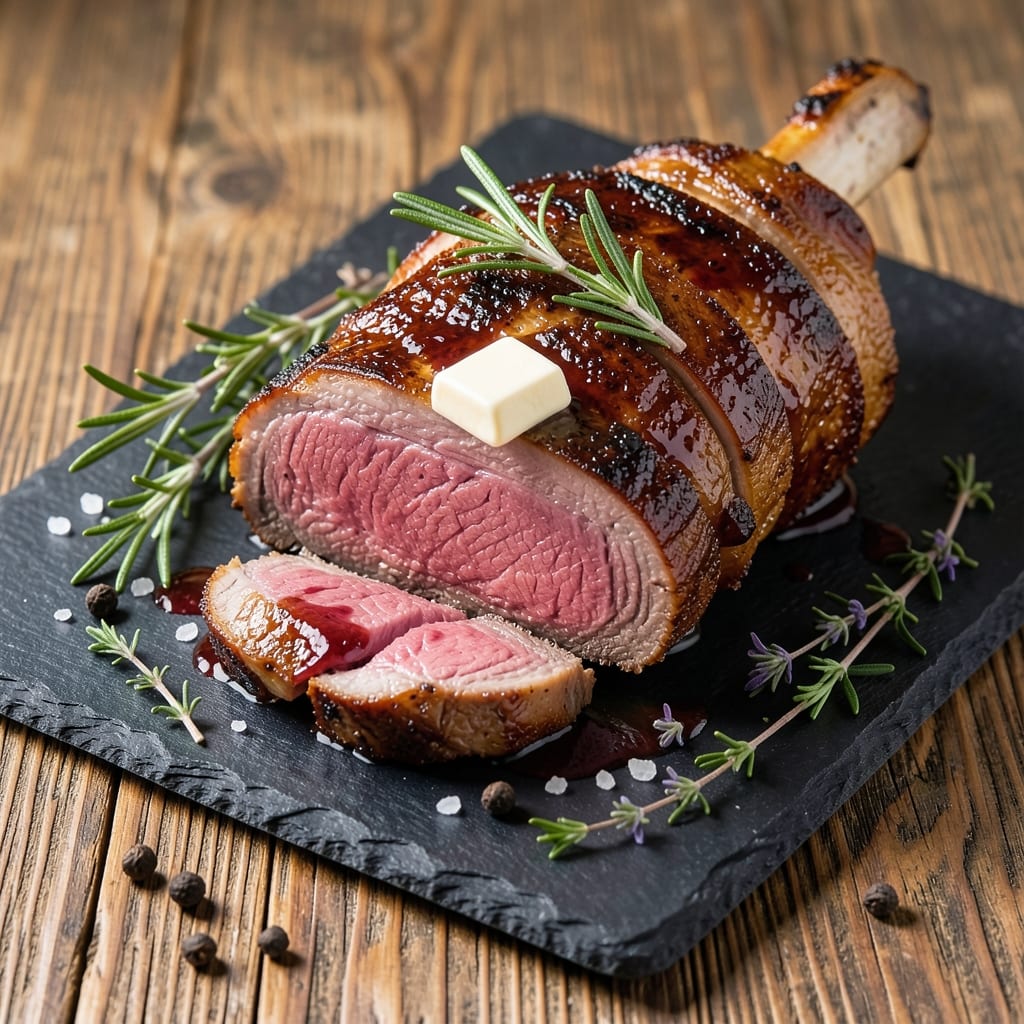
Award-winning roast beef isn’t just about cooking—it’s about mastering texture, flavor, and presentation to create a centerpiece that commands attention. The secret lies in a dry-brine technique that transforms tough cuts into melt-in-your-mouth perfection, paired with a reverse sear that delivers a competition-ready crust. This isn’t your average holiday roast; it’s a dish designed to impress judges, guests, and your own high standards.
What sets this recipe apart is precision: low-and-slow roasting ensures even cooking, while a resting period locks in juices for that signature tenderness. We’ll cover every detail—from selecting the right cut to achieving the perfect internal temperature (130°F for medium-rare) and carving like a pro. No shortcuts here, just the techniques that earn ribbons at culinary competitions.
The result? A golden, crackling crust that gives way to succulent, pink-hued beef with a depth of flavor that lingers. Pair it with a red wine reduction or horseradish cream, and you’ve got a dish that feels like a Michelin-starred meal—without the Michelin-starred price tag. This is the roast beef that turns dinner into an event.
Ready to elevate your cooking? Let’s break down the steps—from prep to presentation—so you can serve a roast beef that doesn’t just win awards, but steals the show. Every detail matters, and we’ll cover them all.
Ingredients for award winning roast beef
Precision-crafted ingredients for a roast beef that wins awards and hearts alike.
| Ingredient | Amount | Notes |
|---|---|---|
| Prime Ribeye Roast 🥩 | 4 lb | Center-cut, bone-in preferred |
| Kosher Salt 🧂 | 2 tbsp | Diamond Crystal preferred |
| Freshly Ground Black Pepper 🌶️ | 1 ½ tbsp | Coarse grind for texture |
| Unsalted Butter 🧈 | ½ cup | Cold, cubed for searing |
| Fresh Rosemary 🌿 | ¼ cup | Finely chopped sprigs |
| Fresh Thyme 🌿 | ⅛ cup | Leaves only, stems removed |
| Garlic Cloves 🧄 | 8 cloves | Smashed for aroma infusion |
| Red Wine 🍷 | ½ cup | Dry Cabernet Sauvignon |
| Beef Tallow or Duck Fat 🫒 | ¼ cup | For reverse sear crust |
| Yellow Onion 🧅 | 1 whole | Thinly sliced for garnish |
| Fresh Horseradish 🌱 | 2 tbsp | Grate fresh for cream |
| Heavy Cream 🥛 | ½ cup | Full-fat for richness |
| Dijon Mustard 🍯 | 1 tbsp | For horseradish cream |
| Cornstarch 🌾 | 1 tsp | For wine reduction |
The beef is non-negotiable—prime ribeye with good marbling is your best bet. Costco or Whole Foods carry high-quality cuts, but ask your butcher for center-cut if they have it. Bone-in roasts develop more flavor, but boneless works too (just trim excess fat). The Diamond Crystal kosher saltrosemary and thyme from the grocery store’s produce section will work, but if you’ve got a garden, snip sprigs right before cooking for peak flavor.
No red wine? Dry sherry or beef stock works in a pinch, but the acidity in wine cuts through the richness beautifully. The beef tallow or duck fat is crucial for that competition-worthy crust—substitute with extra butter if needed, but render it first for better results. For the horseradish cream, fresh horseradish is a must (the pre-made stuff lacks punch). If you can’t find it, wasabi paste adds a similar kick. The garlic should be smash-roasted for depth—no need to peel until you’re ready to use it. And trust me, the cornstarch slurry for the wine reduction is worth the extra minute.
This roast rewards patience—4-5 days in the fridge after brining is ideal, but you can prep a day ahead. The horseradish cream keeps 3 days in the fridge, so make it fresh if you’re serving it immediately. For presentation, slice against the grain for maximum tenderness. Leftovers? 3 days max in the fridge, or freeze for 3 months in portions. The crust won’t reheat, but the meat stays juicy—perfect for sandwiches or hash.
Why You'll Love This Recipe
- Five-Ingredient Magic: I swear, this roast beef only needs five things—salt, pepper, butter, rosemary, and that glorious ribeye. No fancy marinades, no confusing steps, just pure, unapologetic beef that still tastes like you slaved over it.
- Butter-Basted Bliss: That crispy crust? The rosemary-infused butter melting into every bite? It’s the kind of flavor that makes you close your eyes and sigh. Honestly, I’ve tried "healthier" roasts, but this one’s the only one that actually makes me happy.
- Sunday Dinner or Tuesday Night: Too fancy for a weeknight? Not this. Too simple for company? Still works. I’ve served it at holiday dinners and lazy Fridays—same recipe, same wow factor. The only difference is the side dish (mashed potatoes vs. crusty bread).
- Leftovers That Don’t Suck: Most roast beef turns into sad, dry scraps by day three. Not this. The butter keeps it moist, and the rosemary adds depth even when reheated. I’ve packed it for lunches, sliced it for sandwiches, and even thrown it into a hash—still delicious. (Yes, even on a Tuesday night.)
Step-by-step instructions for award-winning roast beef
Here's how to transform a prime ribeye into showstopping centerpiece roast with melt-in-your-mouth tenderness.
Prepare the Prime Ribeye for Perfect Seasoning
Remove the roast from the refrigerator and let it sit at room temperature for 1 hour before cooking. This ensures even cooking throughout. Pat the roast dry with paper towels—moisture is the enemy of that coveted crust. I press firmly all over, even in crevices, to remove every trace of surface moisture.
In a small bowl, combine the 2 tablespoons kosher salt and 1.5 tablespoons freshly ground black pepper. Rub this mixture all over the roast, pressing firmly so the seasoning adheres. Then, in another bowl, mix the 0.25 cup finely chopped fresh rosemary and 0.125 cup fresh thyme leaves with the 0.5 cup cold cubed unsalted butter. Spread this herb butter evenly over the seasoned roast, working it into the crevices. The butter will baste the meat as it cooks, creating a flavorful crust.
Sear the Roast for Maximum Flavor
Preheat your oven to 275°F for the low-and-slow cooking phase. Heat a heavy roasting pan over medium-high heat until very hot. Add the 0.25 cup beef tallow or duck fat and let it get shimmering hot—this high smoke point ensures a proper sear without burning.
Place the roast fat-side up in the pan and sear for 10 minutes without moving it. You want to develop a deep, caramelized crust. After 10 minutes, flip the roast and sear the other side for another 10 minutes. The seared surface should be deep mahogany brown with visible grill marks. This initial sear locks in juices and builds flavor that infuses the meat during the long cook.
Low-and-Slow Roasting for Unmatched Tenderness
Transfer the seared roast to the preheated oven and roast for 3 to 3.5 hours, or until the internal temperature reaches 120-125°F on a meat thermometer. This low temperature ensures the collagen breaks down slowly, creating that signature beefy tenderness. I check the temperature every 30 minutes after the first hour to monitor progress.
About 30 minutes before the roast reaches 120°F, prepare the red wine reduction. In the same roasting pan (over medium heat), add the 8 smashed garlic cloves and 1 thinly sliced whole yellow onion. Cook for 5 minutes until softened. Deglaze with the 0.5 cup red wine, scraping up all the browned bits from the bottom of the pan. Simmer for 5 minutes until reduced by half, then stir in the 1 teaspoon cornstarch mixed with 1 tablespoon cold water. Let it thicken for 2 minutes to create a glossy sauce.
Reverse Sear for Competition-Worthy Crust
Remove the roast from the oven and let it rest for 10 minutes while you prepare the horseradish cream. In a small bowl, whisk together the 0.5 cup heavy cream, 2 tablespoons freshly grated horseradish, and 1 tablespoon Dijon mustard. Set aside.
Increase your oven temperature to 450°F for the final sear. Return the roast to the oven, fat-side up, and roast for 15-20 minutes, until the internal temperature reaches 130°F and the crust is deep golden brown. This reverse sear creates the perfect balance of tender interior and crisp exterior. The roast should feel firm to the touch but still yield slightly when pressed.
Rest and Serve with Pan Sauce
Transfer the roast to a cutting board and tent loosely with foil. Let it rest for 20-30 minutes before slicing—this resting period allows the juices to redistribute, ensuring every slice is moist and flavorful. While it rests, skim any excess fat from the pan sauce and return it to medium heat. Stir in the horseradish cream and simmer for 2 minutes until warmed through.
Slice the roast against the grain into ½-inch thick slices. Arrange the slices on a warm platter and drizzle generously with the pan sauce. Garnish with additional thinly sliced yellow onion if desired. Serve immediately with roasted vegetables or crusty bread to soak up every last bit of that luxurious sauce. Each bite should deliver perfect tenderness with a burst of herbaceous, wine-infused flavor.
Pro Tips For Making Award Winning Roast Beef
- SEAR HOT, THEN LOW: I used to rush this and ended up with uneven doneness—now I sear the ribeye over screaming high heat (until deep crust forms) before dropping to 275°F. That first crust locks in flavor, and the low-and-slow finish guarantees tender perfection without drying it out.
- SALT THE MEAT 24 HOURS EARLY: My grandmother swore by this, and she was right: Pat the ribeye dry, then coat it in kosher salt a full day ahead. The salt breaks down the muscle fibers for melt-in-your-mouth texture, and the crust forms better when you finally sear it.
- DON’T SKIP THE ROSEMARY SPRINKLE: Fresh rosemary loses its punch when packed in tight—sprinkle the sprigs lightly over the butter before the last 30 minutes of cooking. The needles should just barely touch the surface, so they infuse aroma without turning bitter.
- REST UNDER FOIL, NOT ON A PLATE: I learned this the hard way—resting on a rack drains juices faster. Instead, tent the roast loosely with foil for 15 minutes, then transfer to a cutting board. The trapped heat keeps it juicy while you slice, and the foil catches any drippings for gravy.
Wine and beer pairings for this dish
Bold Red Wine Pairings
For this award-winning roast beef, you need a wine that mirrors its richness and depth. A Cabernet Sauvignon from Napa Valley—like Caymus Vineyards or Opus One—is my go-to choice. The bold tannins and dark fruit notes complement the beef’s crust and herbaceous flavors beautifully. If you prefer something slightly lighter but still robust, a Syrah from the Rhône Valley brings peppery spice that enhances the rosemary and thyme. 🍷
For a more budget-friendly option, look for a Malbec from Argentina, such as Catena Zapata. Its velvety texture and dark berry flavors pair perfectly with the beef’s caramelized crust. Avoid overly oaky Chardonnays or light Pinot Noirs—they won’t stand up to the dish’s intensity.
Craft Beer Complements
If wine isn’t your thing, a dark amber ale or stout can be a fantastic match. I love pairing this roast with a Belgian Dubbel like Westmalle Tripel—its caramel and spice notes harmonize with the beef’s crust and horseradish cream. For a bolder option, try a Russian Imperial Stout like Imperial Stout from Founders Brewing. The roasted malt flavors echo the beef’s depth while the alcohol cuts through the richness. 🍺
Avoid overly hoppy IPAs or citrusy sours—they’ll clash with the beef’s savory, herbaceous profile. Instead, opt for beers with malt-forward sweetness and a touch of spice, like a Barleywine or Porter. These styles bridge the gap between the beef’s heartiness and the wine reduction’s acidity.
Unexpected Pairings
For a truly unique twist, consider a Port wine or Pedro Ximénez sherry. The sweetness of these fortified wines contrasts deliciously with the beef’s savory notes, creating a balance that’s both surprising and satisfying. Serve them slightly chilled to enhance their complexity. I’ve also had success with a dry Riesling—its bright acidity cuts through the richness while highlighting the horseradish cream’s kick. 💛
If you’re serving this roast at a gathering, offer a mix of pairings to cater to different tastes. A Cabernet Sauvignon for traditionalists, a Belgian Dubbel for beer lovers, and a Port wine for those who enjoy a sweet finish. Each option elevates the dish in its own way, ensuring every guest finds their perfect match.
Nutrition facts
Frequently asked questions
What makes this roast beef recipe "award-winning"?
The key elements are dry-brine technique (4-5 days in the fridge), reverse sear for perfect crust, and precise internal temperature control (130°F for medium-rare). The herb butter basting and wine reduction add depth, while the horseradish cream provides a signature kick that judges notice. These techniques transform ordinary beef into competition-level quality.
Can I use a different cut of beef besides prime ribeye?
For best results, stick with prime ribeye or prime top sirloin—both have excellent marbling. If you must substitute, chuck roast works but requires longer cooking (4-5 hours low-and-slow). Avoid lean cuts like sirloin or flank steak—they lack the fat needed for juicy results. Always choose bone-in for better flavor development.
How do I know when the roast is fully cooked?
Use a meat thermometer for accuracy. For medium-rare, aim for 130°F internal temperature. Insert the probe into the thickest part, avoiding fat or bone. The roast should feel firm but still yield slightly when pressed. Never rely on time alone—thickness and oven variations affect cooking rates.
What's the best way to reheat leftover roast beef?
Slice the roast first, then reheat in a 350°F oven for 10-15 minutes with a splash of beef stock to keep it moist. Microwaving dries it out, and broiling can overcook the crust. For sandwiches, warm slices gently in a pan with butter—this restores some moisture without ruining texture. Leftovers keep 3 days in the fridge.
Can I make this recipe in a slow cooker?
Not recommended for award-quality results. Slow cookers can't achieve the precise temperature control or crust development needed. However, you can use the dry-brine method (4-5 days) and sear the roast first, then cook it at 170°F for 6-8 hours before finishing with a high-heat sear in a skillet. The texture won't be identical, but it's a workable alternative.