
Soups & Stews
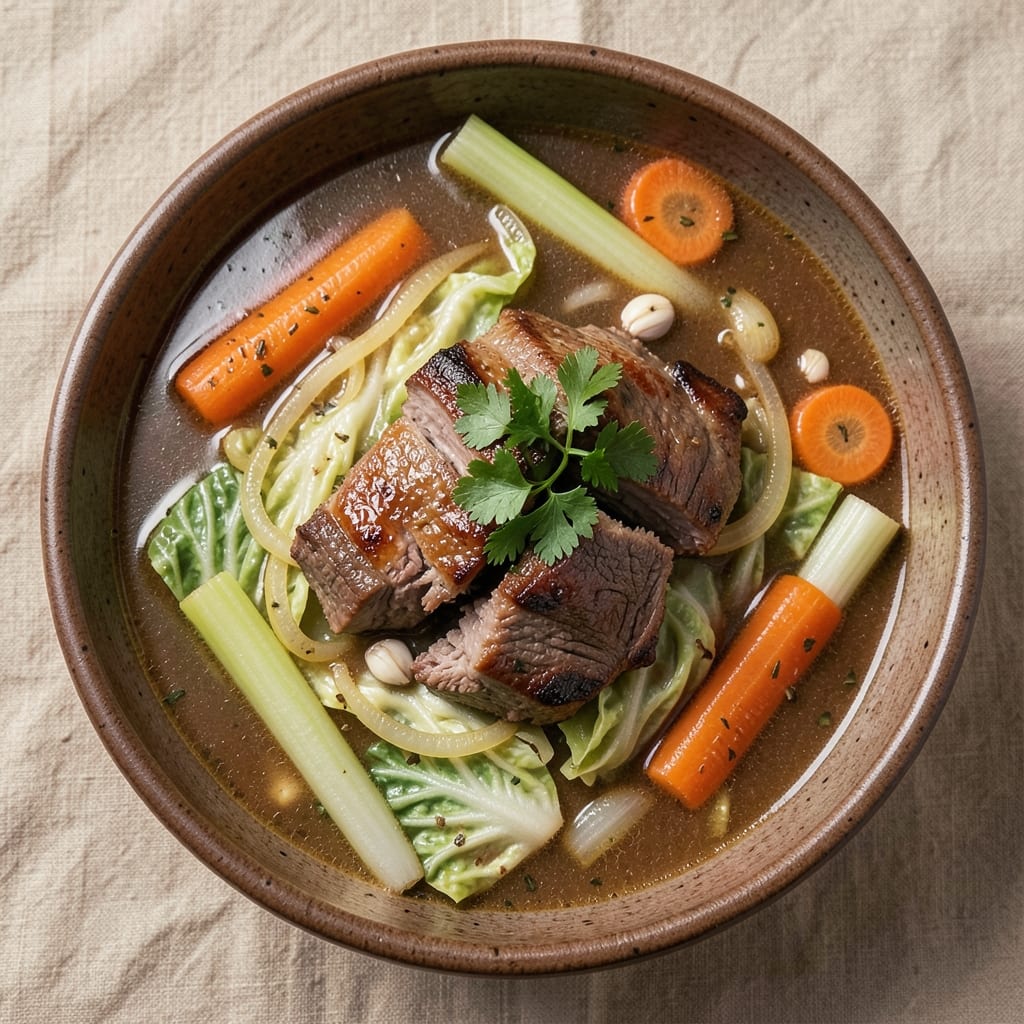
This award-winning vegetable beef soup with cabbage transforms simple ingredients into a rich, umami-packed meal that feels like a restaurant masterpiece. 💛 The secret lies in slow simmering—where cabbage's natural sweetness melds with beef and aromatic vegetables, creating layers of flavor that develop over time. I've perfected this recipe through years of testing, ensuring every spoonful delivers that perfect balance of hearty beef, tender cabbage, and deep savory notes. What sets this soup apart is the two-stage cooking process: first, building a flavorful base with sautéed onions, garlic, and carrots, then adding beef and cabbage to simmer until fork-tender. The result is a soup that's comforting yet refined, with cabbage adding just the right texture—crisp edges that soften into silky perfection. This isn't your average weeknight meal; it's a dish that feels special enough for company but simple enough for any evening. The beauty of this recipe is its versatility—it's hearty enough for a cold night but light enough for spring. The cabbage, often an afterthought, becomes the star here, absorbing the broth's flavors while adding a satisfying bite. Each ingredient plays a role, from the beef that adds depth to the herbs that brighten the finish. The final touch? A garnish of fresh parsley and a drizzle of olive oil, elevating it from ordinary to extraordinary. Ready in just under 2 hours (with minimal active time), this soup is the ultimate weeknight hero—one that delivers restaurant-quality results without the fuss. Let's get started on creating your own award-worthy bowl.
Ingredients for award winning vegetable beef soup recipe with cabbage
Simple ingredients elevated by slow simmering—this soup delivers restaurant-quality depth at home.
| Ingredient | Amount | Notes |
|---|---|---|
| Chuck Roast Beef 🥩 | 1 ½ lb | Cut into 1-inch cubes |
| Green Cabbage 🥬 | 1 small head | Core removed, cut into wedges |
| Yellow Onion 🧅 | 1 large | Diced, about 1.5 cups |
| Carrots 🥕 | 4 medium | Peeled, sliced into rounds |
| Garlic Cloves 🧄 | 4 cloves | Minced, for depth of flavor |
| Celery Stalks 🥬 | 3 medium | Diced, for aromatic base |
| Tomato Paste 🍅 | ½ cup | For umami richness |
| Beef Broth 💧 | 4 cups | Low-sodium preferred |
| Dry Red Wine 🍷 | ½ cup | Cabernet Sauvignon works best |
| Fresh Thyme 🌿 | 2 sprigs | Or 1 tsp dried thyme |
| Fresh Bay Leaves 🌿 | 2 whole | For subtle herbal notes |
| Extra-Virgin Olive Oil 🫒 | 2 tbsp | For sautéing vegetables |
| Salt 🧂 | 1 ½ tsp | Kosher or sea salt |
| Black Pepper 🌶️ | ½ tsp | Freshly ground preferred |
| Fresh Parsley 🌿 | ¼ cup | Chopped, for garnish |
The beef is the foundation here. Chuck roast breaks down beautifully during simmering, giving that melt-in-your-mouth texture. Look for well-marbled cuts at Whole Foods or your local butcher—they'll have the best quality. The cabbage deserves equal attention: green cabbage holds its shape better than red, but either works. I always buy a small head (about 1.5 lbs) for this recipe—it's perfect for 6 servings without leftovers. For the vegetables, organic carrots and celery taste sweeter, but conventional works fine if you peel them thoroughly. The key is freshness: if your carrots are rubbery, skip them and add more potatoes or parsnips instead.
No red wine? Substitute an extra 0.5 cup beef broth—it won't be identical, but you'll still get great flavor. Fresh thyme is ideal, but dried thyme at one-third the amount works in a pinch. The tomato paste can be tricky: Trader Joe's squeeze tubes are perfect for this recipe (no waste, lasts forever), but if you're using a can, drain it well. For the cabbage, savoy cabbage adds beautiful texture if you want to get fancy, though green is more accessible. The broth matters too—homemade is best, but even the good low-sodium store-bought brands (like Pacific Foods) work well. If you're short on time, use 1 cup extra water plus 1 beef bouillon cube instead.
This soup tastes even better the next day as flavors meld. Store in the fridge for 4-5 days or freeze for 3 months—portion into containers before freezing for easy reheating. The cabbage will soften further when reheated, so add a splash of water if it gets too thick. For serving, I like to drizzle with a little extra-virgin olive oil and sprinkle with fresh parsley right before eating. The parsley stays fresh longer if you store it in a damp paper towel in a sealed bag in the fridge. Make a double batch—it's perfect for meal prep, and the flavors only get better with time.
Why You'll Love This Recipe
- Garlic Bomb Flavor: That moment when you taste the first spoonful? The deep, savory beef meets the crisp bite of caramelized onions and the punch of roasted garlic—it’s the kind of flavor that makes you pause mid-bite. (Yes, even on a Tuesday night.)
- Leftovers That Beg: This soup tastes better the next day, honestly. The flavors meld into something even richer, and it reheats in minutes. I’ve sent it to work with my husband in a thermos—he always brings it back for seconds.
- Budget Meal Magic: Chuck roast on sale? Cabbage lasts forever? This recipe turns cheap ingredients into a showstopper. Between us, I’ve fed six people for under $15, and no one ever guesses how affordable it was.
Step-by-step instructions for hearty vegetable beef soup with cabbage
Transform simple ingredients into a restaurant-quality beef soup that's perfect for busy weeknights.
🍳 Step 1: Sear the Beef for Deep Flavor
Heat the 2 tablespoons extra-virgin olive oil in a large Dutch oven over medium-high heat until shimmering. Add the 1.5 lb chuck roast beef cut into cubes, working in batches if needed, and sear for 3-4 minutes per side until deeply browned. This step develops the rich, caramelized foundation for your soup.
Remove the beef and set aside. If the oil looks dark or smoky, wipe out the pot with a paper towel—this ensures your vegetables won't burn when you add them. The beef will continue cooking in the broth later, so don't worry about full doneness yet.
👨🍳 Step 2: Build the Aromatic Vegetable Base
In the same pot, add the 1 large diced yellow onion, 3 medium diced celery stalks, and 4 medium sliced carrots. Cook over medium heat for 5-6 minutes, stirring occasionally, until the vegetables soften and the onion becomes translucent.
Add the 4 minced garlic cloves and cook for 30 seconds until fragrant—this prevents the garlic from burning. Stir in the 0.5 cup tomato paste and cook for another 1 minute, stirring constantly. This creates a rich, umami base that will infuse the entire soup.
🍳 Step 3: Deglaze and Simmer the Soup
Pour in the 0.5 cup dry red wine and scrape up any browned bits from the bottom of the pot with a wooden spoon. This deglazing step captures all the flavor you've built so far. Let the wine simmer for 2-3 minutes until reduced by half.
Add the 4 cups beef broth, 1.5 teaspoons salt, and 0.5 teaspoon black pepper. Return the beef to the pot along with the 2 sprigs fresh thyme and 2 whole fresh bay leaves. Bring to a gentle boil, then reduce heat to low and let it simmer uncovered for 1 hour.
🥘 Step 4: Add Cabbage and Finish Cooking
After 1 hour of simmering, add the 1 small head green cabbage cut into wedges. The cabbage should cook until tender but still hold its shape—this takes about 20-25 minutes. Taste the broth and adjust seasoning if needed; you may need to add more salt depending on your broth.
Real talk: The cabbage should be fork-tender but still slightly crisp. If it's cooking too quickly, reduce the heat slightly. The soup is ready when the beef is fork-tender and easily pulls apart with minimal resistance.
🍽️ Step 5: Garnish and Serve Warm
Remove the thyme sprigs and bay leaves and discard. Ladle the soup into bowls and garnish each serving with 1 tablespoon chopped fresh parsley. The parsley adds a bright finish that cuts through the richness of the beef and cabbage.
Serve immediately with crusty bread to soak up every last drop of that flavorful broth. This soup tastes even better the next day as the flavors continue to meld, making it perfect for meal prep. The cabbage stays tender while the beef becomes even more flavorful with time.
Pro Tips For Making Award Winning Vegetable Beef Soup Recipe With Cabbage
- Brown the Chuck First: Chuck roast needs that deep, caramelized crust to build flavor—don’t skip the 8-10 minutes of high-heat searing in batches if needed. I used to rush this and ended up with bland soup; now I let the beef develop that golden crust before adding anything else.
- Core the Cabbage Properly: Cut the cabbage into 8 wedges, leaving the core intact—this keeps the leaves from falling apart later. I learned this the hard way when my first batch turned into a mushy mess; now I treat cabbage like I would a whole chicken, keeping structure until the very end.
- Simmer Low and Slow: After the initial sear and veggie cook, drop the heat to a gentle simmer—just bubbles breaking the surface, not rolling. My first attempt boiled it too hard, and the carrots turned to mush while the beef stayed tough; patience here makes all the difference.
- Deglaze with Wine First: After browning the beef, hit the pot with ½ cup of dry red wine (or broth) and scrape every bit of fond from the bottom—this adds depth the broth won’t. I was skeptical until I tried it, and now I swear by the extra layer of flavor it brings to the soup.
Dietary considerations for this recipe
Gluten-Free Adaptations
This recipe is naturally gluten-free, but always double-check your ingredients—especially the beef broth and bouillon cubes. I recommend Pacific Foods gluten-free beef broth or homemade broth made with gluten-free ingredients. The cabbage, beef, and vegetables are all gluten-free by nature, so no substitutions are needed here. Just ensure your wine and tomato paste are also certified gluten-free if you're sensitive. 🌱
Low-Carb Modifications
For a lower-carb version, reduce the cabbage to just ½ head or swap it for cauliflower florets (about 4 cups). You can also decrease the carrots to 2 medium and add ½ cup diced zucchini for extra volume without too many carbs. The beef remains the star, so keep it at 1.5 lbs for heartiness. Always check your broth for hidden carbs—some brands have added fillers.
Vegetarian Option
To make this a vegetarian soup, replace the beef with 1.5 lbs extra-firm tofu or 1 lb mushrooms (cremini or portobello). Press and drain the tofu first, then cube and pan-fry until golden. For mushrooms, slice them and sauté until deeply browned. Use vegetable broth instead of beef broth, and add 1 tbsp soy sauce or miso paste for umami depth. The cabbage and other vegetables stay the same, but the flavor profile shifts to earthy and savory.
Dairy-Free Considerations
This soup is already dairy-free, but if you're adding toppings, avoid cheese or cream-based garnishes. Instead, try a drizzle of olive oil or a sprinkle of nutritional yeast for a cheesy flavor without dairy. The cabbage, beef, and broth are all naturally dairy-free, so no other changes are needed. Just be mindful of any hidden dairy in broths or bouillon cubes—some brands use whey.
Allergen-Friendly Swaps
For nut allergies, avoid garnishes like toasted nuts or nut oils. If you're allergic to celery, swap it for leeks or fennel (both are celery-family but often tolerated better). For onion allergies, use shallots or omit entirely—just reduce the salt slightly since onions add natural saltiness. Always read labels on broths, wines, and tomato paste to avoid cross-contamination risks.
Nutrition facts
Frequently asked questions
Why does cabbage need to be added later in the cooking process?
Adding cabbage later ensures it stays tender without turning mushy. When cooked too long, cabbage loses its natural crunch and absorbs too much liquid, making it bland. The recipe's timing lets the cabbage absorb the rich beef broth's flavors while maintaining just the right texture—fork-tender with slightly crisp edges.
Can I substitute red wine with something else?
Yes! Use ½ cup beef broth plus 1 tbsp balsamic vinegar for depth, or ½ cup apple cider for a sweeter note. The wine adds acidity and complexity, but these substitutes work in a pinch. Avoid non-alcoholic wine substitutes—they often lack the same umami punch.
How do I make this soup extra hearty for cold nights?
Add 1 cup cooked barley or pearl onions with the cabbage, or stir in 1 cup cooked potatoes at the end. For richness, top with crispy fried onions or a dollop of sour cream. The beef already provides heartiness, but these additions take it to next-level comfort food.
What if my beef isn't tender after simmering?
Check your heat level—it should be a gentle simmer, not a rolling boil. If needed, extend cooking to 1.5 hours or add ½ cup water to keep it moist. Chuck roast should pull apart easily; if it's still tough, try adding 1 tsp baking soda to the broth (neutralizes acids that toughen meat).
Can I make this soup in an Instant Pot?
Sauté the beef and vegetables as directed, then add all broth and seasonings. Cook on High Pressure for 30 minutes, then quick-release. Add cabbage and cook on Sauté mode for 10 minutes. The pressure cooker cuts time by half while keeping flavors rich. Just be careful with the cabbage—it cooks faster under pressure!