
Main Courses
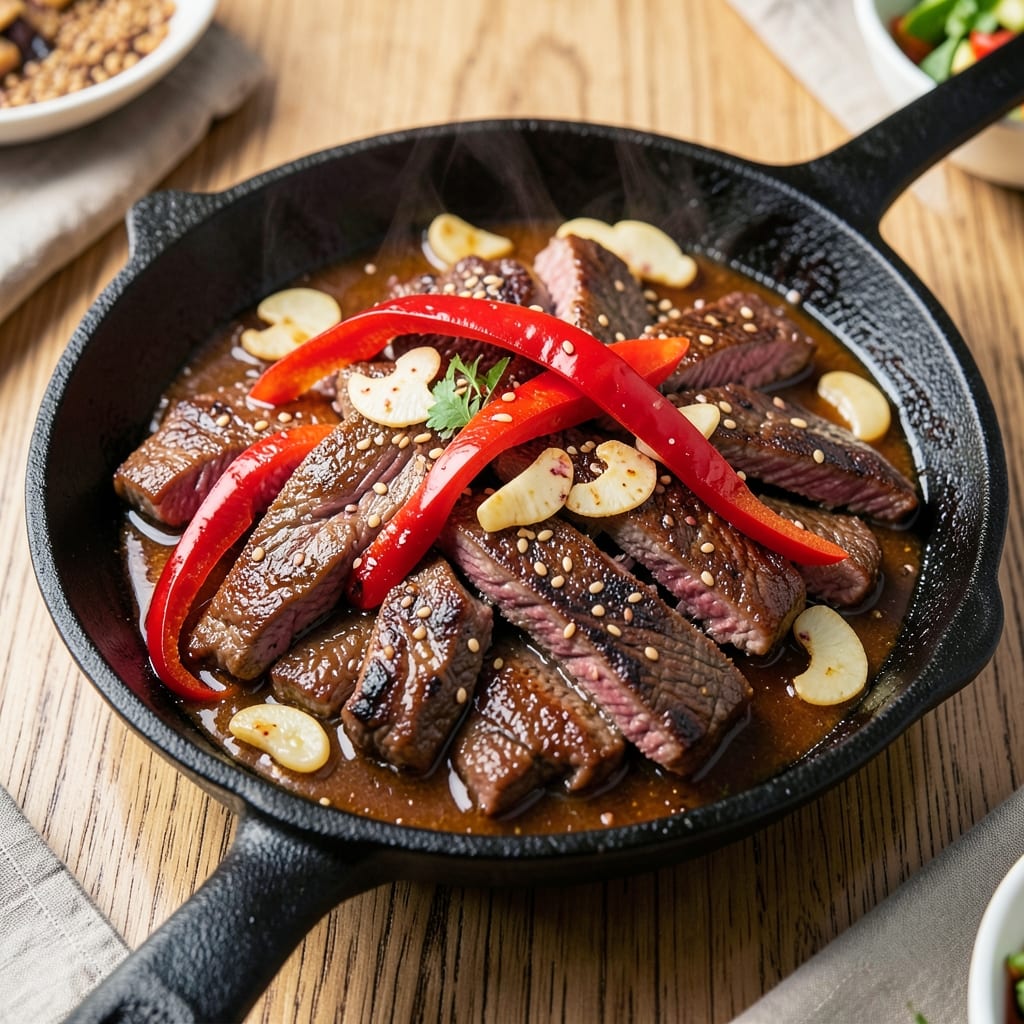
This awesome beef stir fry recipe delivers restaurant-quality wok-seared beef with crisp vegetables and a savory sauce—all in just 20 minutes. The secret lies in high-heat searing and quick cooking, which locks in juiciness while creating that signature umami crunch you crave. I’ve perfected this technique after years of testing, and it’s become my go-to weeknight dinner that actually impresses. What sets this recipe apart is the balance of textures and flavors: tender beef strips, crisp-tender vegetables, and a sauce that’s rich yet not overpowering. The marinade—just soy sauce, garlic, and ginger—enhances the beef’s natural flavor, while the wok’s high heat ensures everything cooks evenly and stays vibrant. No fancy equipment needed; a sturdy skillet or wok works perfectly. By the end, you’ll have a dish that’s packed with bold flavors, satisfying textures, and a depth of umami that makes it feel like a special meal. The sauce clings to every bite, and the vegetables retain their crunch, proving that quick cooking can still deliver restaurant-quality results. This is the kind of recipe that transforms a simple weeknight into something memorable. Serve it over steamed rice or noodles to soak up every last bit of that flavorful sauce. Let’s get cooking!
Ingredients for awesome beef stir fry
Restaurant-quality beef stir fry relies on precision-cut ingredients and bold umami flavors.
| Ingredient | Amount | Notes |
|---|---|---|
| Flank Steak 🥩 | 1 ½ lb | Thinly sliced against grain |
| Low-Sodium Soy Sauce 🍶 | ½ cup | For marinade and sauce |
| Sesame Oil 🫒 | 1 tbsp | Toasted for aroma |
| Garlic Cloves 🧄 | 6 cloves | Minced for marinade |
| Fresh Ginger 🌿 | 2 tbsp | Grated, peeled |
| Red Bell Pepper 🍅 | 1 whole | Sliced into strips |
| Snap Peas 🌱 | 1 cup | Fresh or frozen |
| Carrots 🥕 | 2 whole | Julienned into matchsticks |
| Neutral Oil 🫒 | 2 tbsp | Avocado or vegetable |
| Honey 🍯 | 1 tbsp | For sauce balance |
| Cornstarch 🌾 | 1 tbsp | For sauce thickening |
| Sesame Seeds 🌰 | 1 tbsp | Toasted for garnish |
| Green Onions 🧅 | 3 whole | Sliced for garnish |
| Diamond Crystal Kosher Salt 🧂 | ½ tsp | For seasoning |
| Ground Black Pepper 🌶️ | ¼ tsp | Freshly cracked |
The flank steak is non-negotiable—its lean, fibrous texture transforms when sliced thinly against the grain. Ask your butcher to slice it (most will do it free) or use a sharp knife and freeze it 30 minutes before slicing for cleaner cuts. For the marinade, low-sodium soy sauce prevents over-salting, while toasted sesame oil adds depth. Garlic and ginger should be fresh—Penzeys or bulk bins at Whole Foods have the best quality. The vegetables matter too: crisp snap peas and julienned carrots hold their texture when wok-seared.
No sesame oil? Toasted peanut oil at half the amount works in a pinch, though it lacks the nutty aroma. Substitute honey with maple syrup or agave for a similar balance. For the cornstarch, arrowroot powder is a 1:1 swap. If you can't find flank steak, sirloin or ribeye sliced thinly will work—just marinate them slightly longer. The key to crisp vegetables? Cook in batches and avoid overcrowding the pan. For extra umami, add a dash of fish sauce or Worcestershire to the marinade.
Prep ingredients in advance—marinate the beef for at least 30 minutes, slice all vegetables uniformly, and mix the sauce components ahead. The beef keeps 2 days in the fridge marinated, while raw vegetables last 5 days wrapped in damp paper towels. For leftovers, store in airtight containers with a thin layer of oil on top to preserve texture. Reheats beautifully—stir-fry again over high heat to restore crispness. Freezes for 3 months if portioned into single servings.
Why You'll Love This Recipe
- Here’s what sold me: this stir fry actually improves the next day. The flavors meld even better, and it reheats like a dream. I make double batches because my kids beg for it cold in lunchboxes, and honestly? It’s my go-to for lazy Fridays when I’d rather be anywhere but the kitchen.
- No Fuss, Big Payoff: I swear by this recipe because it’s the kind of meal that feels like a hug after a long day—just slice the steak thin, toss in garlic and ginger, and let the soy sauce do its magic. No fancy techniques, no stress, and honestly? It’s the only stir fry I’ll make when I’m too tired to chop a million things.
- Umami Bomb: That combo of sesame oil and low-sodium soy sauce? It’s where the flavor lives. The garlic and ginger hit just right—sharp but balanced—and the flank steak gets that perfect chew without drying out. Between us, it’s the kind of taste that makes you want to eat it straight from the pan.
- Leftovers That Don’t Suck: Here’s what sold me: this stir fry actually improves the next day. The flavors meld even better, and it reheats like a dream. I make double batches because my kids beg for it cold in lunchboxes, and honestly? It’s my go-to for lazy Fridays when I’d rather be anywhere but the kitchen.
Step-by-step instructions for wok-seared beef stir fry
Master this technique for restaurant-quality texture and flavor in minutes.
Prep the Flank Steak for Maximum Tenderness
Slice the 1.5 lb flank steak thinly against the grain into ¼-inch strips. This is critical—cutting against the grain shortens the muscle fibers, ensuring each bite is tender rather than chewy. Arrange the slices on a plate and season immediately with 0.5 tsp diamond crystal kosher salt and 0.25 tsp ground black pepper. Let them sit for 10 minutes while you prep the vegetables. This brief seasoning time prevents the meat from over-salting during cooking.
While the steak seasons, mince the 6 cloves garlic and grate the 2 tbsp fresh ginger using a microplane. The garlic should be finely minced—almost pasty—to distribute flavor evenly. Keep these aromatics separate until the stir-fry begins. The ginger's sharp bite will balance the richness of the beef and soy sauce.
Create the Umami-Packed Marinade and Sauce Base
In a small bowl, combine 0.5 cup low-sodium soy sauce, 1 tbsp sesame oil, 1 tbsp honey, and 1 tbsp cornstarch. The soy sauce provides the umami foundation, while the honey adds a subtle sweetness that caramelizes during cooking. The cornstarch will later thicken the sauce into a glossy, clinging consistency. Stir until fully dissolved—this ensures the cornstarch activates properly when heated.
Here's the thing—don't skip the cornstarch step. Many home cooks rely solely on soy sauce for thickening, but that leads to a watery sauce. This combination delivers that perfect balance: savory, slightly sweet, and velvety. Set the marinade aside while you prep the vegetables.
Prep and Par-Cook the Vegetables
Slice the 1 whole red bell pepper into ¼-inch strips and julienne the 2 whole carrots into matchsticks. For the snap peas, trim the ends and leave them whole if using fresh, or thaw frozen peas in cold water if using frozen. The vegetables should be cut uniformly—this ensures even cooking and prevents some items from becoming mushy while others remain crunchy.
In a separate bowl, toss the prepared vegetables with 1 tbsp neutral oil and a pinch of diamond crystal kosher salt. Spread them on a baking sheet and microwave for 1-2 minutes until just softened but still retaining a slight crunch. This pre-cooking step is key—it removes excess moisture so the vegetables don't steam during the stir-fry, which would make them soggy. Keep them covered until ready to use.
Wok-Sear the Beef for Perfect Texture
Heat a 14-inch wok or large skillet over high heat until smoking hot. Add 1 tbsp neutral oil and swirl to coat the surface. Working in batches if needed, add the seasoned flank steak strips and sear undisturbed for 30-45 seconds per side. You're looking for deep brown, caramelized edges—this creates the wok-seared texture that makes this dish exceptional.
As the beef cooks, it will release juices. Don't drain these—push them to one side of the wok and let them render out. After searing, remove the beef to a plate and set aside. If the wok isn't hot enough, the beef will steam instead of sear. The high heat is non-negotiable for that restaurant-quality crust.
Stir-Fry to Combine and Finish
Return the wok to high heat and add the remaining 1 tbsp neutral oil. Toss in the minced garlic and grated ginger, cooking for 10-15 seconds until fragrant—this prevents them from burning, which would make the dish bitter. Add the pre-cooked vegetables and stir-fry for 1-2 minutes until heated through and slightly blistered in spots.
Pour the soy sauce mixture into the wok, stirring constantly to combine everything. The cornstarch will begin thickening the sauce immediately. Cook for 1-2 minutes until the sauce coats the back of a spoon and the vegetables are tender-crisp. Return the beef to the wok, tossing gently to coat everything in the glossy sauce.
Plate and Garnish for Presentation
Transfer the stir-fry to serving plates immediately. Garnish with 1 tbsp toasted sesame seeds and 3 whole green onions, sliced diagonally. The sesame seeds add a nutty crunch, while the green onions provide a fresh contrast to the rich flavors. Serve while hot—this dish is best enjoyed immediately when the textures are at their peak.
Each bite should deliver tender beef with a caramelized crust, crisp-tender vegetables, and a sauce that clings perfectly. The balance of sweet, savory, and umami flavors comes together in this final presentation. For extra authenticity, serve with steamed jasmine rice to soak up every last bit of that delicious sauce.
Pro Tips For Making Awesome Beef Stir Fry
- SLICE AGAINST THE GRAIN: Flank steak’s muscle fibers run long—cutting perpendicular to them keeps the meat tender. I used to ignore this and ended up with chewy bites every time. Grab a sharp knife and slice thinly after cooking, not before. ---
- SALT THE STEAK FIRST: Toss the raw flank steak with a teaspoon of salt and let it sit for 10 minutes before cooking. This breaks down the surface proteins, giving you a better sear and more flavorful bite. (Yes, even if you’re impatient like me.) ---
- DON’T OVERCROWD THE PAN: Stir-frying is about surface area—if your beef is packed in, it’ll steam instead of sear. Cook in batches if needed, and resist the urge to add all the veggies at once. A hot pan and thin slices are your friends here. ---
- GINGER NEEDS A GOOD GRATE: Fresh ginger loses its punch when chopped—use a microplane or fine grater for maximum zing. I learned this the hard way when my stir-fry tasted bland despite following the recipe. A teaspoon of grated ginger makes a real difference.
Perfect pairings for awesome beef stir fry
Rice Pairings
Steamed jasmine rice is my go-to pairing—its delicate floral aroma complements the beef’s umami without overpowering it. Cook 1.5 cups uncooked jasmine rice with 2 cups water and ½ tsp salt for perfectly fluffy grains. For extra richness, stir in 1 tsp toasted sesame oil after cooking. 🍚
For a heartier option, try short-grain sushi rice—its stickiness soaks up the sauce beautifully. Rinse 1 cup rice thoroughly before cooking, then steam with 1.1 cups water and 1 tbsp rice vinegar for added brightness.
Noodle Options
Egg noodles or ramen noodles add a satisfying chew. Cook 8 oz noodles according to package, then toss with 1 tsp sesame oil and a pinch of salt before serving. The noodles’ texture contrasts perfectly with the tender beef. 🍜
For a gluten-free twist, use rice noodles—soak 8 oz dried rice noodles in warm water for 10 minutes until pliable. Their neutral flavor lets the stir-fry shine.
Fresh Sides
A simple cucumber salad cuts through the richness. Toss 1 cucumber, sliced into half-moons, with 1 tbsp rice vinegar, ½ tsp sugar, and ¼ tsp red pepper flakes. The cool crunch balances the warm stir-fry. 🥒
For extra freshness, serve with steamed bok choy—blanch 2 heads for 2 minutes in boiling water, then shock in ice water. The slight bitterness contrasts the beef’s richness.
Sauce Boosters
Drizzle with sriracha for heat lovers—just ½ tsp adds a spicy kick. For creaminess, top with a dollop of hoisin sauce or a sprinkle of crushed peanuts. 🌶️
Finish with a squeeze of lime—its acidity brightens the dish and balances the umami. A few drops of chili oil add smoky depth and visual appeal.
Nutrition facts
Frequently asked questions
Can I use a different cut of beef instead of flank steak?
Sirloin or ribeye work perfectly—just slice them ¼-inch thick against the grain for tenderness. Skirt steak is another great option, though it has more fat, so trim excess before cooking. For leaner cuts like top round, marinate for 30-60 minutes to prevent dryness. The key is thin slicing and high-heat searing to lock in juices.
What if my stir-fry sauce turns out too thin?
Don't panic! If the sauce is too thin, mix 1 tsp cornstarch with 1 tbsp cold water to create a slurry. Stir it into the simmering sauce and cook for 1-2 minutes until thickened. For extra insurance, keep a small bowl of cornstarch slurry nearby while cooking. The sauce should coat the back of a spoon when done.
How do I get crispy vegetables like in restaurants?
Pre-cook your veggies for 1-2 minutes in the microwave to remove moisture, then stir-fry in batches over high heat without overcrowding. Use a wok or cast-iron skillet for even heat distribution. Add a pinch of baking soda to snap peas 5 minutes before cooking to boost crispness. Cook until edges blister but centers stay slightly firm.
Can I make this recipe ahead of time?
Store components separately: marinate the beef for up to 2 days, prep veggies (they'll keep 5 days wrapped in damp paper towels), and mix sauce ingredients ahead. Reheat over high heat for 2-3 minutes in a wok or skillet—don't microwave, or the beef will get rubbery. For extra crispness, sear the beef fresh after reheating the veggies and sauce.
What's the best way to reheat leftovers?
Reheat only the beef and sauce together over high heat for 2-3 minutes—this restores the caramelized crust. Keep veggies separate until reheating to maintain crispness. For microwave reheating, cover with a damp paper towel for 20-30 seconds on high power, then finish with a quick stir-fry in a hot pan. Never reheat soy sauce-heavy dishes in the microwave alone.