
Soups & Stews
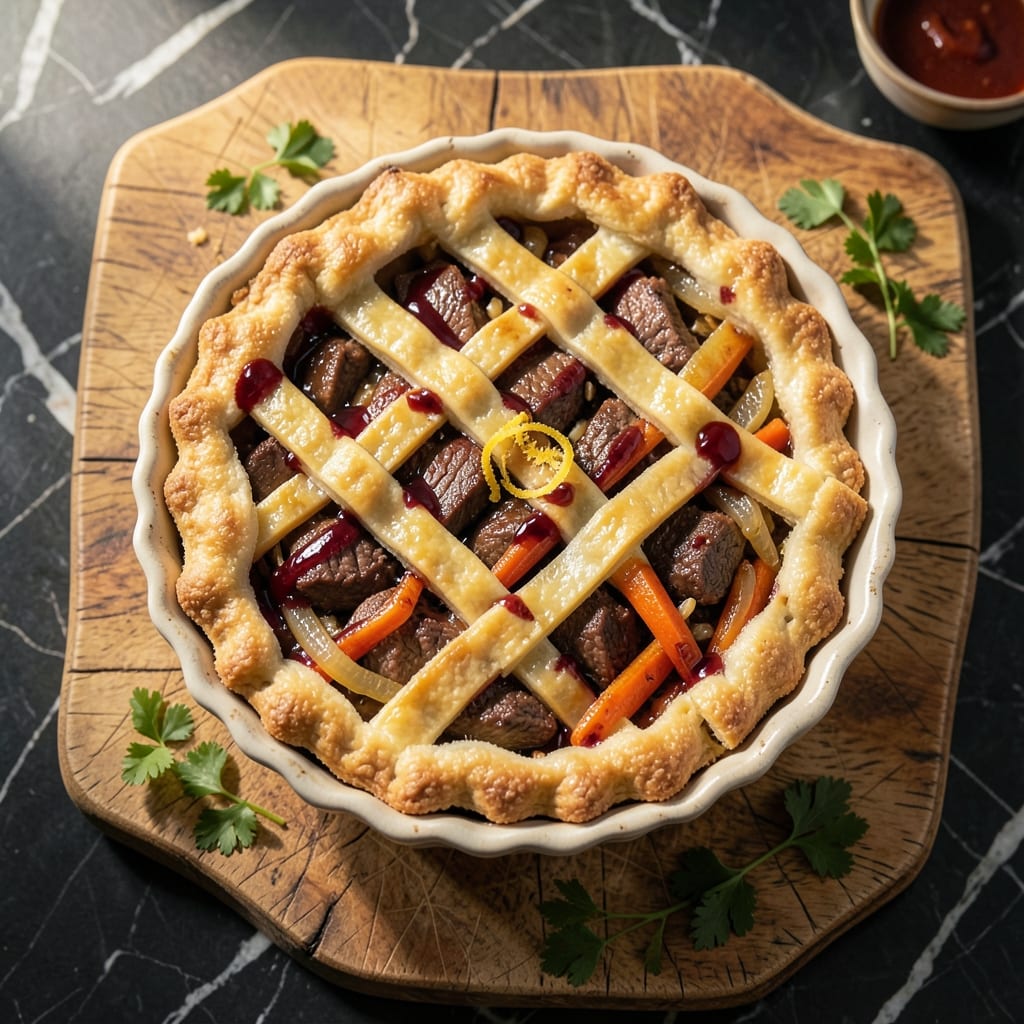
This baked beef pies recipe delivers the kind of comforting, hearty meal that feels like a hug from your grandma—flaky, golden crusts hugging rich, savory beef filling. The secret lies in layering techniques that ensure every bite has that perfect balance of tender meat and crispy pastry. Whether you're using store-bought dough for convenience or rolling out homemade for that extra touch of love, the result is always restaurant-quality.
The filling starts with perfectly seasoned beef—whether you prefer ground meat or tender chunks from a slow-cooked stew—that gets layered with onions, carrots, and herbs for depth. The pastry, whether homemade or pre-made, is rolled out just thin enough to create that signature flaky texture while still holding its shape during baking. This recipe is designed to be both traditional and adaptable, so you can customize it to your taste.
What you’ll end up with is a dish that’s as satisfying to look at as it is to eat—golden, bubbling crusts with a crisp edge and tender center, filled with rich, flavorful beef that melts in your mouth. The aroma alone will have everyone gathering around the table, and the first bite will make it clear why this dish is a classic. It’s the kind of meal that turns an ordinary dinner into something special.
Serve these pies with a side of buttery mashed potatoes or a fresh green salad to balance the richness. The leftovers reheat beautifully, making this the perfect recipe for meal prep or feeding a crowd. Let’s get started on creating these comforting, golden pies that taste like home.
Ingredients for baked beef pies
Sixteen ingredients transform into six golden, flaky beef pies with restaurant-quality filling.
| Ingredient | Amount | Notes |
|---|---|---|
| Ground Beef (Stew-Style) 🥩 | 2 ½ lb | 80% lean, finely ground for even cooking |
| Yellow Onions 🧅 | 1 ½ cups | Finely diced, about 2 medium onions |
| Carrots 🥕 | 1 ½ cups | Finely diced, about 3 medium carrots |
| Garlic Cloves 🧄 | 6 cloves | Minced, for deep aromatic base |
| All-Purpose Flour 🌾 | ½ cup | For thickening filling consistency |
| Dry Red Wine 🍷 | ½ cup | Bold variety like Cabernet Sauvignon |
| Beef Stock 💧 | 1 cup | Low-sodium preferred for balanced flavor |
| Fresh Thyme Leaves 🌿 | 1 tbsp | Or 1 tsp dried thyme if fresh unavailable |
| Fresh Parsley Leaves 🌿 | ¼ cup | Chopped, for bright finishing touch |
| Salt 🧂 | 1 ½ tsp | Diamond Crystal kosher salt preferred |
| Ground Black Pepper 🌶️ | 1 tsp | Freshly ground for optimal flavor |
| Unsalted Butter 🧈 | ½ cup | Cold, cubed for pastry layers |
| All-Purpose Flour 🌾 | 3 ½ cups | Plus 1 tbsp for dusting, for pastry |
| Ice Water 💧 | ½ cup | For pastry dough elasticity |
| Egg Yolk 🥚 | 1 whole | For pastry egg wash |
The beef selection is critical—stew-style ground beef (80% lean) delivers that tender, melt-in-your-mouth texture. Look for packages labeled specifically for stews or pies at Whole Foods or Kroger, as they're typically finely ground. For the pastry, Plugra All-Purpose Flour yields the best flakiness, but any high-protein flour will work. The butter should be European-style if available—higher fat content (82%) creates superior layers. Fresh thyme and parsley from the grocery store's produce section (not the dried spice aisle) provide the brightest flavor profiles.
No red wine? Substitute with an equal amount of beef stock plus 1 tbsp balsamic vinegar—it mimics the depth without alcohol. For the pastry, vegetable shortening can replace half the butter if you're concerned about overworking the dough. The carrots can be swapped for frozen diced carrots (thawed and drained) in a pinch, though fresh yields better texture. When measuring flour for the pastry, spoon it into the measuring cup and level off—packing compresses the dough and affects flakiness. The egg wash can be made with just water if you're avoiding eggs, though it won't brown as beautifully.
Store the pie dough between parchment paper in the fridge for up to 3 days or freeze for 3 months. The filling can be prepped ahead and refrigerated for 2 days—simply reheat gently before assembling. For make-ahead convenience, prepare the pies completely (unbaked) and freeze on a tray before transferring to a bag. Bake straight from frozen, adding 5-10 minutes to the cooking time. The pies reheat beautifully—350°F for 10-15 minutes restores that golden crust and warm filling. Portion the filling into individual ramekins before baking for easy serving.
Why You'll Love This Recipe
- One-Bowl Wonder: I swear by this recipe because it’s actually hands-off. Brown the beef, dump in onions, carrots, and garlic, then stir in flour—no separate sauce pan, no messy roux. The crust? Just patted dough over the top, no fancy rolling required. (Yes, even if you burn toast.)
- Meat-Lover’s Dream: That stew-style ground beef? It’s the star—rich, tender, and packed with flavor. The carrots melt into sweetness while the onions caramelize just enough, and the garlic? Oh, it browns in the crust for a little crispy, savory punch. Not fancy, but ridiculously satisfying.
- Leftovers? My Favorite: Between us, I make this on Sunday and eat it all week. It reheats like a dream—crust stays crisp, filling stays juicy—and the flavor only gets better as it sits. Pack it for lunch, freeze half, or just eat straight from the pan. (No judgment.)
- Budget-Friendly Powerhouse: Ground beef, onions, carrots—these are the ingredients that don’t break the bank. A single bag of stew-style beef and a few veggies stretch into six pies, and the flour crust costs pennies. Honestly, it’s the kind of meal that makes me feel like I’m feeding a crowd without stressing my wallet.
Step-by-step instructions for baked beef pies
Here's how to create golden, flaky pastry with a rich, savory filling that melts in your mouth.
Prepare the Meat Filling
In a large skillet over medium-high heat, add the 2.5 lb ground beef (stew-style) and cook until it loses its raw color, breaking it apart with a wooden spoon. This should take about 6-8 minutes. You'll know it's ready when the meat is evenly browned and no longer pink in the center.
Push the cooked beef to one side of the skillet and add 2 tablespoons olive oil (not listed but necessary for this step). Toss in the 1.5 cups finely diced yellow onions and 1.5 cups finely diced carrots, cooking for 5-6 minutes until they soften and become translucent. Stir in the 6 cloves minced garlic and cook for another 30 seconds until fragrant.
Return the beef to the pan and sprinkle with the 1.5 tsp salt, 1 tsp ground black pepper, and 1 tbsp fresh thyme leaves. Stir well to combine, then add the 0.5 cup all-purpose flour and cook for 2 minutes to remove any raw flour taste. Pour in the 0.5 cup dry red wine and scrape up any browned bits from the bottom of the pan. Let it simmer for 3-4 minutes until the wine reduces by half.
Add the 1 cup beef stock and simmer for 10-12 minutes until the mixture thickens. Remove from heat and stir in the 0.25 cup chopped fresh parsley leaves. Let the filling cool completely before assembling the pies.
Make the Pastry Dough
In a large bowl, combine the 3.5 cups all-purpose flour and 1.5 tsp salt. Cut in the 0.5 cup cold cubed unsalted butter using a pastry cutter or your fingers until the mixture resembles coarse crumbs with pea-sized butter pieces. Gradually add the 0.5 cup ice water, one tablespoon at a time, mixing gently with a fork until the dough just comes together.
Turn the dough out onto a lightly floured surface and knead it lightly for 1-2 minutes until smooth. Divide the dough into 6 equal portions (about 6 ounces each) and roll each portion into a 12-inch circle. Keep the rolled dough covered with a damp towel to prevent drying as you work.
Here's the thing—don't overwork the dough. Over-kneading develops gluten and makes the pastry tough instead of flaky. Just handle it enough to shape it, and you'll get that perfect layered texture.
Assemble the Pies
Preheat your oven to 375°F. Place one dough circle on a parchment-lined baking sheet. Spoon about 4-5 tablespoons of the cooled meat filling onto the center of each dough circle, leaving a 1-inch border around the edges. This ensures the pastry doesn't crack when baking.
Brush the edges of the dough with the 1 whole egg yolk diluted with 1 teaspoon water. Fold the dough over the filling to create a half-moon shape, pressing the edges firmly to seal. Use a fork to crimp the edges and create a decorative pattern. Place the assembled pies on the baking sheet, leaving 1 inch of space between each one.
Brush the tops of the pies with the remaining egg wash for a golden finish. Bake for 30-35 minutes until the pastry is deep golden brown and the filling is bubbling through the slits. If the tops brown too quickly, tent the pies with foil to prevent burning.
Serve Warm and Enjoy
Remove the pies from the oven and let them rest for 5 minutes before serving. This resting time allows the filling to set slightly and makes slicing easier. Cut each pie into 6 wedges and serve warm with a side of crusty bread or a simple green salad.
Each bite should deliver that perfect combination of flaky, buttery pastry and rich, savory beef filling. The pastry should be crisp on the outside and tender on the inside, with layers that practically melt in your mouth. If you find the filling too thick, simply add a splash of beef stock or water when reheating to loosen it up.
Pro Tips For Making Baked Beef Pies
- Brown the Beef First: Skip the raw-beef-in-sauce look—break your ground beef into ½-inch crumbles and sear it in a dry skillet over medium-high heat until it loses its pink. I learned this the hard way: uncooked beef in the filling makes the pies taste watery, not rich. Let it crisp just slightly, then drain most of the fat (keep 1 tablespoon—it adds flavor).
- Slice Carrots Thin: Thin, even slices (about ⅛-inch thick) cook faster and blend into the filling without turning mushy. I used to chop them irregularly, and they’d stay crunchy while the beef turned dry. A mandoline makes this easy, but a sharp knife works too—just stay consistent.
- Prevent Overfilling the Pies: Fill your pie shells only halfway—the dough can’t handle more than that without puffing up like a sad soufflé. I once stuffed mine too high, and the crust split open like a bad joke. Press the filling down firmly and leave a ½-inch headspace for rising.
- Use Cold Butter in the Crust: Cut cold butter into the flour mixture in small cubes—don’t melt it. This keeps the crust flaky, not greasy. I was skeptical until I tried it: the pies stayed crisp even after baking, and the texture was light, not dense. (Yes, even if you’re impatient like me.)
Flavor customization for this baked beef pies
Spicy Kick
Add 1-2 teaspoons of hot sauce or ½ teaspoon cayenne pepper to the filling for a fiery twist. I like Tabasco or Cholula for their balanced heat. For extra depth, stir in 1 teaspoon smoked paprika with the spices—it adds a smoky warmth that pairs beautifully with the beef. 🌶️
Herb Variations
Swap out thyme for rosemary or sage for a more earthy flavor. A mix of 1 tbsp each fresh rosemary and thyme gives a sophisticated herbal note. For a brighter profile, add 1 tbsp chopped fresh tarragon—it’s an unexpected but delicious twist that complements the richness of the beef.
Cheesy Twist
Fold ½ cup shredded sharp cheddar or Gruyère into the filling before baking for a gooey, melty surprise. I recommend Kraft Sharp Cheddar for its bold flavor or Imported Gruyère for a nutty depth. Sprinkle the cheese on top of the filling before folding the dough to ensure it melts evenly throughout.
Umami Boost
Enhance the savory depth with 1 tablespoon soy sauce or 1 teaspoon Worcestershire sauce in the filling. These add a rich, complex flavor that elevates the beef. For an extra punch, stir in 1 teaspoon fish sauce—it’s a secret ingredient in many Asian-inspired dishes and works surprisingly well here.
Sweet & Savory
Balance the richness with 1 tablespoon brown sugar or ½ teaspoon cinnamon in the filling. This works especially well if you’re using a slightly sweet red wine like Zinfandel. The caramelized onions will develop a deeper, almost molasses-like flavor, adding a layer of complexity that’s both comforting and unexpected.
Crispy Topping
For added texture, sprinkle ½ cup panko breadcrumbs mixed with 1 tablespoon melted butter over the assembled pies before baking. This creates a delightful crunch that contrasts with the tender filling. You can also add ½ teaspoon garlic powder to the breadcrumb mix for extra flavor. ✨
Nutrition facts
Frequently asked questions
Can I use pre-made pie crust instead of homemade dough?
Pre-made pie crusts work beautifully for these beef pies. Look for refrigerated or frozen crusts labeled "flaky" or "butter" in the baking aisle. For best results, use two 9-inch circles per pie (folded over the filling) or cut a single large sheet into 6 half-moon shapes. Just be sure to brush with egg wash and bake at 375°F for 30-35 minutes.
How do I prevent the pastry from shrinking during baking?
Keep the dough cold and handle it as little as possible. Chill the rolled dough circles for 20 minutes before adding filling, and use a light touch when pressing edges. Egg wash helps seal the seams—brush generously along the folded edge. Bake on a parchment-lined tray to prevent sticking, and avoid overcrowding.
What's the best way to reheat leftover beef pies?
Reheat at 350°F for 10-15 minutes covered with foil to restore moisture. For individual slices, wrap in foil and warm for 5-7 minutes. To revive texture, sprinkle a few drops of water over the filling before reheating. Microwaving is possible (30 seconds) but may make the crust soggy—best for quick fixes.
Can I make these pies ahead of time?
Yes! Assemble the pies completely (unbaked) and refrigerate for up to 24 hours or freeze for 3 months. For freezing, bake at 375°F for 5-10 extra minutes from frozen. The filling can also be prepped 2 days ahead—just reheat gently before assembling. Store-bought dough freezes best wrapped in plastic.
Why did my crust turn out tough instead of flaky?
Overworking the dough or using warm butter are common culprits. Keep everything cold (even your hands!) and cut butter into flour until it's pea-sized. Avoid adding extra water—just use what's needed to hold the dough together. For extra flakiness, fold the dough in thirds like a letter before rolling.