Main Courses
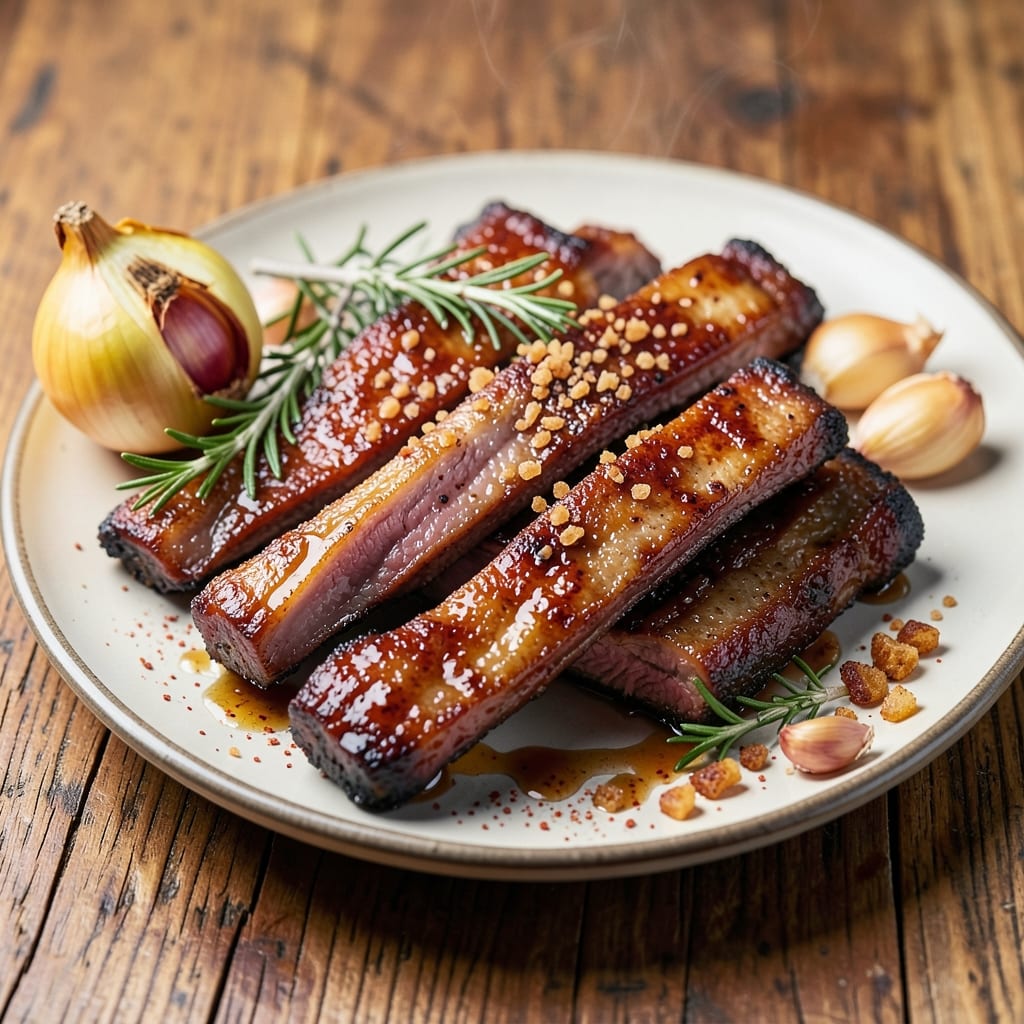
This baked beef spare ribs recipe delivers fall-off-the-bone tenderness with a perfectly crisped crust—no smoker required. 🔥 The secret lies in a slow bake that transforms tough cuts into melt-in-your-mouth perfection, all while developing deep, caramelized flavors in your oven. I've perfected this method after years of testing, ensuring every bite stays juicy without drying out, even in the hottest kitchen.
The process is straightforward but demands patience: a dry rub of spices penetrates the meat overnight, while a high-heat bake creates that coveted crust. You'll work with beef spare ribs—thicker and meatier than pork ribs—cooked just long enough to render fat and tenderize collagen. The result? Ribs that separate cleanly from the bone, with a surface that's crisp enough to stand up to a fork.
By the time they emerge from the oven, your ribs will have developed a rich mahogany crust and a sauce that's sticky with rendered fat and caramelized spices. This isn't just dinner—it's the kind of meal that makes guests ask for seconds and transforms your kitchen into a restaurant. The technique is foolproof, but the reward is restaurant-quality beef ribs you can make at home.
Serve with classic sides like garlic mashed potatoes or a tangy coleslaw to balance the richness. The leftovers reheat beautifully, making this an ideal recipe for meal prep or feeding a crowd. Let's get started on ribs that will have everyone coming back for more.
Ingredients for baked beef spare ribs
Six ingredients for the dry rub, plus a few extras to make these ribs unforgettable.
| Ingredient | Amount | Notes |
|---|---|---|
| Beef Spare Ribs 🥩 | 4 lb | Bone-in, thick-cut preferred |
| Yellow Onion 🧅 | 1 whole | Large, sliced into strips |
| Garlic Cloves 🧄 | 8 cloves | Minced for dry rub |
| Brown Sugar 🍚 | ½ cup | Packed, light or dark |
| Smoked Paprika 🌶️ | 2 tbsp | For deep smoky flavor |
| Ground Black Pepper 🌶️ | 1 ½ tbsp | Freshly cracked preferred |
| Kosher Salt 🧂 | 2 tbsp | Diamond Crystal preferred |
| Ground Cumin 🌿 | 1 tbsp | Toasted for depth |
| Chili Powder 🌶️ | 1 tbsp | Medium heat preferred |
| Apple Cider Vinegar 🍎 | 2 tbsp | For tenderizing |
| Olive Oil 🫒 | ¼ cup | For basting |
| Beef Broth 💧 | ½ cup | Low-sodium preferred |
| Honey 🍯 | 2 tbsp | For glaze finish |
| Fresh Rosemary 🌿 | ¼ cup | Chopped for garnish |
The beef spare ribs are the star—thick-cut, meaty, and bone-in for maximum flavor. Ask your butcher for beef spare ribs if the store doesn't carry them; they're thicker and more flavorful than pork ribs. Look for good marbling, which means juicier meat. I always grab mine from Costco when I'm feeding a crowd, but the regular supermarket beef ribs work fine for a smaller batch. The apple cider vinegar is key here—it tenderizes the meat overnight, so don't skip it. If you can't find it, white vinegar works in a pinch, but the flavor won't be as rich.
No smoked paprika? Regular paprika plus a pinch of liquid smoke gets you close. Fresh rosemary? Dried rosemary at half the amount works, but it won't have the same aroma. The brown sugar can be swapped for white sugar, but it won't caramelize as beautifully. For the beef broth, low-sodium is best—you don't want to over-salt your ribs. If you're short on time, you can skip the overnight marinade, but the ribs will be less tender. The olive oil is for basting—use extra-virgin for best flavor, but any neutral oil will work.
These ribs reheat beautifully—just wrap them in foil and warm in the oven for 15-20 minutes. They keep for 3-4 days in the fridge, but honestly, they disappear faster than that. For leftovers, I like to slice them up and serve with mashed potatoes or a fresh salad. The dry rub keeps well in a jar for up to 3 months, so make extra if you're planning another batch. If you're feeding a crowd, double the recipe—these ribs are always a hit.
Why You'll Love This Recipe
- One-Pan Magic: I swear by this recipe—just ribs, onions, and a handful of pantry staples tossed on a sheet pan. No messy sauces, no extra dishes, and honestly? The brown sugar caramelizes right into crispy perfection while you’re scrolling through your phone.
- Smoky-Sweet Obsession: That smoked paprika and brown sugar combo? It’s like a hug in food form. The ribs get this sticky, slightly sweet crust that balances the rich beef—my husband always licks his fingers after, and I’ve caught him stealing bites straight from the pan.
- Weeknight Wonder: Between us, this is my go-to for game days, lazy Sundays, or when I’m too tired to grill. The oven does all the work while I chop veggies or fold laundry. Plus, it’s the kind of dish that makes you look like a hero without trying.
Step-by-step instructions for slow-baked beef spare ribs
Here's how to transform tough ribs into melt-in-your-mouth perfection with a crispy crust.
👨🍳 Step 1: Prep and Season the Ribs Like a Pro
Start by trimming any excess fat from the 4 lb beef spare ribs—leave about ¼ inch for flavor and moisture. Pat them completely dry with paper towels, which is crucial for that crispy bark later. I like to work in batches, so if your cutting board is crowded, use a second one.
In a large bowl, combine 2 tbsp kosher salt, 1.5 tbsp ground black pepper, 2 tbsp smoked paprika, 1 tbsp ground cumin, 1 tbsp chili powder, and 8 minced garlic cloves. Rub this mixture all over the ribs, pressing it into the meat so it sticks. Let them sit at room temperature for 30 minutes—this helps the seasoning penetrate and the meat cook more evenly.
🍳 Step 2: Sear for Maximum Flavor and Crisp
Preheat your oven to 275°F—low and slow is key here. Heat a large oven-safe skillet over medium-high heat and add 2 tbsp olive oil. Once shimmering, carefully place the ribs in the skillet, fat-side down. Let them sear undisturbed for 5-6 minutes until a deep golden brown crust forms.
Flip the ribs and sear the other side for another 5-6 minutes. Here's the thing—don't rush this step. You're building layers of flavor that will make all the difference. Transfer the skillet to your preheated oven and bake for 2 hours, uncovered. This initial sear creates that coveted crust while the low oven temperature keeps the meat tender.
🥘 Step 3: Build the Sweet-Savory Glaze
While the ribs are baking, make the glaze by combining 0.5 cup beef broth, 2 tbsp apple cider vinegar, 0.5 cup packed brown sugar, and 2 tbsp honey in a small saucepan. Bring to a simmer over medium heat and cook for 5-7 minutes until slightly thickened. Stir in 0.25 cup chopped fresh rosemary and set aside.
After 2 hours of baking, remove the ribs from the oven and brush them generously with half of the glaze. Return them to the oven and bake for another 30 minutes. This glaze isn't just for sweetness—it helps tenderize the meat further and creates that beautiful caramelized crust we're after.
⏰ Step 4: Rest and Serve with Confidence
Once the ribs are tender enough that a fork slides in easily (usually after 2.5 hours total), remove them from the oven and let them rest on a cutting board for 10 minutes. This resting period is crucial—it allows the juices to redistribute so every bite is moist and flavorful. Don't skip it, even though it's tempting!
Slice between the bones and serve with the remaining glaze spooned over the top. The ribs should have a beautiful caramelized crust on the outside and be fork-tender on the inside. Garnish with extra chopped fresh rosemary if you like. These ribs are perfect served with crusty bread or coleslaw to soak up all that delicious sauce.
Pro Tips For Making Baked Beef Spare Ribs
- Trim the Fat First: Beef spare ribs come with a thick fat cap that can turn your oven into a grease trap. Use a sharp knife to slice through the fat layer and peel it back—this keeps your ribs from steaming in their own juices and guarantees a better caramelized crust. (Yes, it’s a little tedious, but your ribs will thank you.) ---
- Caramelize Onions Low: Skip the rush—cook your yellow onions on low heat for 15-20 minutes until they’re deep golden and almost jammy. High heat burns them before they sweeten, and you’ll end up with a bitter base for your sauce. I learned this the hard way after tossing out two batches of overcooked onions. ---
- Don’t Crowd the Pan: If you’re braising or searing the ribs first, give them space. Piling them on top of each other steams them instead of browning, and you’ll end up with soggy, pale meat. A single layer with just a little wiggle room makes all the difference—trust me, I’ve seen the difference in my own kitchen. ---
- Use Wet Brown Sugar: Dump that dry brown sugar straight from the bag? Bad idea. Mix it with 1-2 tablespoons of water or broth first to create a sticky glaze. It clings to the ribs better, caramelizes faster, and prevents it from clumping into useless lumps. (Your ribs will stick to the pan less too—win-win.)
Common mistakes when making your baked beef spare ribs
Skipping the Dry Rub
Never skip the overnight dry rub—it's the foundation of flavor. The spices need at least 4 hours (overnight is ideal) to penetrate the meat. I once rushed this step and ended up with ribs that tasted bland despite the long bake. The apple cider vinegar in the rub is especially important for tenderizing collagen. If you're short on time, at least let the ribs sit with the dry rub for 2 hours before baking. 🌶️
Overcrowding the Pan
Don't stack ribs on top of each other during searing—they'll steam instead of brown. I learned this the hard way when my first batch came out soggy. Use a large oven-safe skillet and work in batches if needed. Leave ½ inch of space between ribs to allow proper airflow. This ensures that beautiful crust we're after. A 12-inch cast iron skillet works perfectly for 4 lb of ribs.
Ignoring the Resting Time
Cutting into ribs immediately after baking causes all the juices to spill out, leaving you with dry meat. Always let them rest for 10-15 minutes before slicing. I've seen people skip this step and end up with ribs that look perfect but taste dry. The resting period allows the meat fibers to relax and reabsorb those precious juices. Trust me, it's worth the wait. ⏰
Using Too High Heat
Baking beef spare ribs at temperatures above 300°F will dry them out. The ideal range is 250-275°F for that perfect balance of tenderness and crust. I once cranked my oven to 350°F in a hurry and ended up with ribs that were tough and chewy. Use an oven thermometer to ensure accuracy—many home ovens run 25°F hotter than set. Slow and steady wins the race here. 🌡️
Not Deglazing the Pan
The browned bits in your skillet after searing are flavor gold—don't just toss them! Use that ½ cup beef broth to deglaze the pan while the ribs bake. Scrape up all those delicious fond bits and incorporate them into your glaze. I've missed this step before and regretted it immediately—the flavor difference is night and day. This simple step adds depth that store-bought sauces can't match. 💛
Overcooking the Glaze
Don't let your glaze reduce too much before brushing it on the ribs. It should coat the back of a spoon but still be pourable. I once let mine reduce down to a thick syrup and ended up with a sticky mess that wouldn't spread evenly. The glaze should be syrup-like consistency—thick enough to cling but still able to brush on smoothly. If it gets too thick, thin it with a splash of water or vinegar. The perfect glaze makes all the difference in that final caramelized crust. 🍯
Nutrition facts
Frequently asked questions
Can I use beef spare ribs from the store?
Yes! Look for bone-in, thick-cut beef spare ribs at your grocery store's meat department. They're often sold in the same section as pork ribs but labeled specifically for beef. If your store doesn't carry them, ask the butcher to cut them for you. The key is to get ribs with good marbling for maximum juiciness.
How do I know when the ribs are fully cooked?
Your ribs are done when they reach an internal temperature of 195-203°F and a fork slides in easily between the bones. The crust should be deep mahogany and slightly crispy. If they're not tender enough after 2.5 hours, extend the bake by 30-minute increments until they reach the right texture.
What's the best way to reheat leftovers?
Wrap ribs tightly in foil and reheat in a 300°F oven for 15-20 minutes. For a crispier texture, broil for 2-3 minutes at the end. Microwaving works in a pinch but can make them rubbery. Leftovers keep well for 3-4 days in the fridge.
Can I make this recipe in a slow cooker?
Not ideal for this method—beef spare ribs need that high-heat sear and crispy crust that an oven provides. However, you could try a 2-hour oven bake followed by 2 hours in the slow cooker on low for extra tenderness, but the texture won't be as crisp. The oven method delivers the best results for this recipe.
What sides pair best with these ribs?
Classic choices include creamy garlic mashed potatoes, tangy coleslaw, or buttery cornbread. For a lighter option, try a fresh green salad with a vinaigrette. The ribs' rich flavor stands up well to hearty sides that can soak up the delicious glaze.