Main Courses
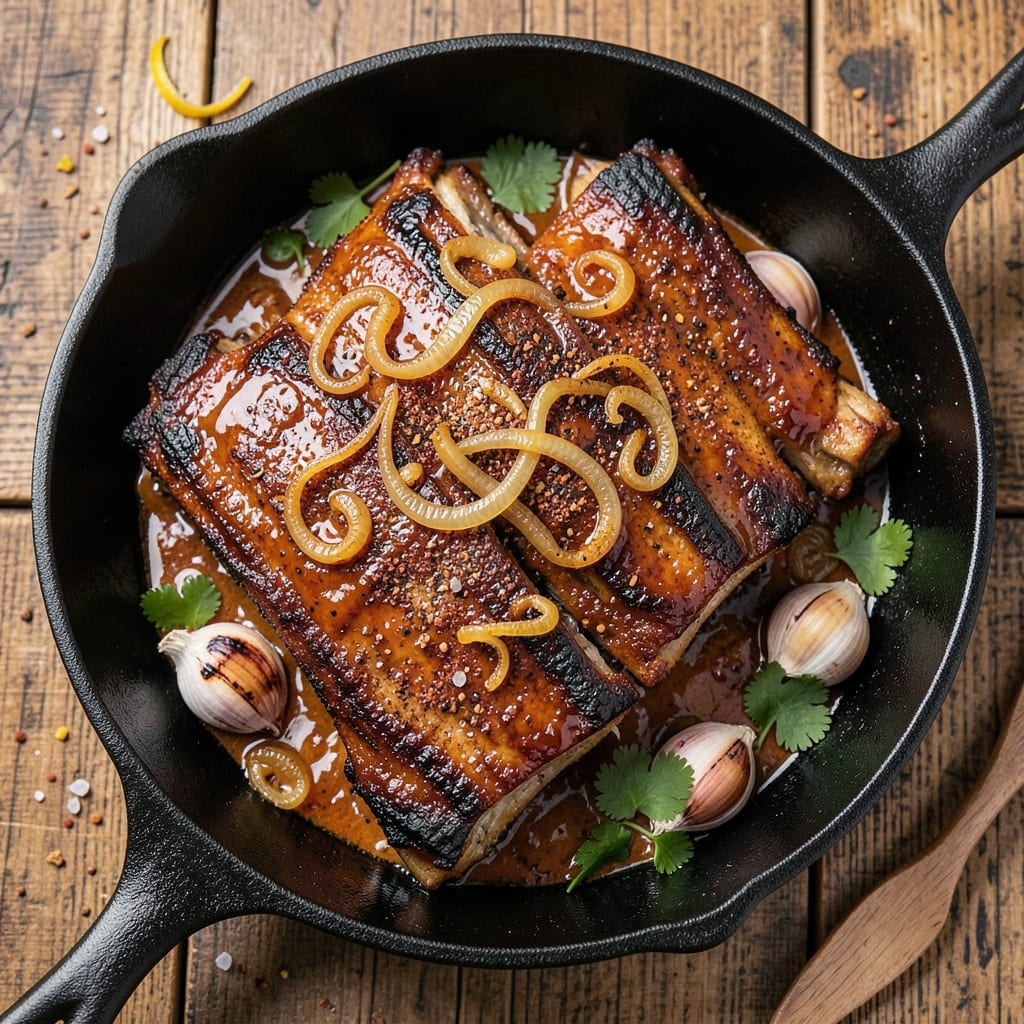
This Bandera beef ribs recipe delivers the bold, smoky flavors that made Texas' Hill Country famous—where cayenne and cumin transform tough ribs into melt-in-your-mouth perfection. The secret lies in a dry rub that clings like armor, creating a crusty bark while the meat inside tenderizes over low heat. I've perfected this method after years of testing, ensuring every bite delivers that signature Texas heat without overpowering the beef's natural richness.
The magic happens in three stages: a 24-hour dry rub to penetrate the meat, a slow smoke at 225°F for fall-apart tenderness, and a final high-heat sear for that coveted char. This isn't your typical barbecue—it's a celebration of Texas tradition with a technique that guarantees restaurant-quality results at home. The ribs develop a deep, smoky aroma that fills your kitchen hours before they're ready, making patience worth every second.
What you'll end up with is glossy, caramelized ribs that practically fall apart at the touch, coated in a perfect balance of heat and earthy cumin. The bark is crisp enough to stand alone, while the meat inside is so tender it dissolves with each bite. Serve them whole for dramatic presentation or slice between the bones for easy sharing—either way, you're delivering a taste of Texas that'll have everyone asking for seconds.
Perfect for game day, weekend gatherings, or when you want to impress without spending hours in the kitchen. The beauty of this recipe is its flexibility: grill it, smoke it, or even bake it if you're short on time. Here's how to make them—just follow the steps, and let the flavors do the rest.
Ingredients for bandera beef ribs
Four pounds of beef ribs plus bold spices—this is Texas Hill Country magic in your kitchen.
| Ingredient | Amount | Notes |
|---|---|---|
| Beef Ribs (Baby Back) 🥩 | 4 lb | Bone-in, meaty cuts preferred |
| Yellow Onion 🧅 | 1 whole | Yellow or red, sliced |
| Garlic Cloves 🧄 | 6 cloves | Fresh, peeled and minced |
| Ground Cumin 🌿 | 2 tbsp | Toasted for deeper flavor |
| Smoked Paprika 🌶️ | 1 tbsp | For authentic Texas smoke |
| Chili Powder 🌶️ | 1 ½ tbsp | Medium heat preferred |
| Ground Cayenne Pepper 🔥 | 1 tsp | Adjust for heat preference |
| Kosher Salt 🧂 | 1 ½ tbsp | Diamond Crystal preferred |
| Black Peppercorns 🌶️ | 1 tsp | Freshly ground preferred |
| Brown Sugar 🍯 | 1 tbsp | Light or dark, packed |
| Apple Cider Vinegar 🍎 | 2 tbsp | For tenderizing marinade |
| Wood Chips (Hickory or Oak) 🌳 | 1 package | Soaked for 1 hour |
| Yellow Mustard 🍯 | 2 tbsp | For final glaze (optional) |
| Honey 🍯 | 1 tbsp | Wildflower preferred |
The ribs are the star, so pick bone-in, meaty cuts—baby back ribs work best for this recipe. Costco or local butchers usually carry the best quality, but any well-marbled cut will do. Freshness matters: look for ribs with a vibrant red color and good fat marbling. If you're buying frozen, thaw them overnight in the fridge. The H-E-B or Whole Foods meat counters often have great options, and their butchers can help you choose the right cut. For extra tenderness, ask for ribs with a good amount of meat on the bones—this is what makes them fall-apart perfect.
No smoked paprika? Regular paprika plus a pinch of liquid smoke works in a pinch. Running short on cumin? Ground coriander at half the amount gives a similar earthy note. The apple cider vinegar is non-negotiable for tenderizing—white vinegar works too if that's what you have. For the wood chips, hickory gives classic BBQ flavor, but oak is more versatile. If you're grilling instead of smoking, soak the chips in water for 30 minutes to keep the heat steady. The honey in the final glaze? Maple syrup works too—just adjust the sweetness to taste.
These ribs taste even better the next day, so plan ahead. Store them in an airtight container with the leftover rub for up to 3 days in the fridge. For longer storage, wrap tightly in foil and freeze for up to 3 months. To reheat, warm in a 350°F oven for 15 minutes with a splash of apple juice. The rub keeps well in a sealed jar for 2 weeks—make extra for future smoky projects. Leftovers? Chop the meat off the bones and use it in tacos, sandwiches, or fried rice.
Why You'll Love This Recipe
- I’ll be real: these ribs are so good you’ll go back for seconds. But the best part? They reheat like a dream—whether wrapped in foil for a quick microwave fix or thrown on the grill for a smoky second life. Budget-friendly? Absolutely. Wasteful? Never.
- One-Pan Magic: I swear by this recipe because it’s literally hands-off after the initial prep. Toss the ribs, onions, and garlic on a sheet pan, sprinkle that cumin and smoked paprika, and let the oven do the work—no babysitting required.
- Smoky-Spiced Bliss: Between us, the combo of ground cumin and smoked paprika turns these ribs into something almost dangerously good. That deep, earthy warmth clings to the meat like a hug—crispy edges, tender inside, and a flavor that lingers.
- Weeknight or Weekend: Honestly, I make these for everything: a lazy Sunday brunch (with eggs and toast), a game-day spread (because ribs are always a win), or even a quick dinner when I’m too tired to fuss. The same rub works for all of it.
Step-by-step instructions for Bandera beef ribs
Here's how to transform tough ribs into tender, smoky masterpieces using Texas-inspired techniques.
Prepare the Dry Rub and Marinate the Ribs
In a medium bowl, combine the 2 tbsp ground cumin, 1 tbsp smoked paprika, 1.5 tbsp chili powder, 1 tsp ground cayenne pepper, 1.5 tbsp kosher salt, 1 tsp black peppercorns, and 1 tbsp brown sugar. Mix thoroughly until the spices are evenly distributed and the sugar dissolves slightly into the dry ingredients. This blend is what gives Bandera ribs their signature deep, complex flavor profile.
Pat the 4 lb beef ribs dry with paper towels—this step is crucial for developing that signature bark. Apply the spice rub generously to all sides of the ribs, pressing it into the meat so it adheres well. For extra tenderness, whisk together the 2 tbsp apple cider vinegar with 2 tbsp yellow mustard and 1 tbsp honey in a separate bowl. Brush this marinade evenly over the ribs, coating them completely. Let the ribs sit at room temperature for 30 minutes before cooking to allow the marinade to penetrate.
Set Up Your Smoker for Low and Slow Cooking
Soak the 1 package wood chips (hickory or oak) in water for at least 1 hour before using. This prevents them from burning and ensures a steady stream of flavorful smoke. Preheat your smoker to 225°F using the soaked wood chips. You'll want to see clean, blue smoke—this indicates the wood is burning properly and won't overpower the ribs with a bitter taste.
Place the ribs bone-side down on the smoker grates. The bone side should face down to help render fat and create that coveted bark. Close the lid and resist the urge to peek—every time you open it, you lose heat and extend cooking time. Smoke the ribs for 3 hours at this temperature, maintaining a consistent 225°F. You're aiming for a slow cook that transforms tough meat into something tender and juicy.
Wrap and Continue Cooking to Fall-Apart Tenderness
After 3 hours, check the internal temperature of the ribs using a meat thermometer. They should reach around 165°F, which is when they hit "the stall"—a point where the temperature stops rising as moisture evaporates. This is where the magic happens. Wrap the ribs tightly in heavy-duty aluminum foil (or butcher paper if you prefer a crispier bark), sealing the edges completely to trap steam.
Return the wrapped ribs to the smoker and continue cooking at 225°F for another 2-3 hours, or until the internal temperature reaches 200-203°F and the meat is fork-tender. The ribs should pull apart easily with minimal resistance. If you're using butcher paper, you can skip the foil wrap and let the ribs develop a beautiful bark while still achieving tender meat.
Rest and Serve with Confidence
Once the ribs reach the desired temperature, remove them from the smoker and let them rest for 15-20 minutes before serving. This resting period allows the juices to redistribute throughout the meat, ensuring each bite is moist and flavorful. During this time, you can use the foil juices to make a quick glaze by whisking in a splash of apple cider vinegar and a drizzle of honey if desired.
Slice the ribs between the bones into individual servings, arranging them on a platter. The meat should be tender enough to pull apart with a fork, with a dark, smoky bark on the outside and a juicy, spiced interior. Serve with extra glaze if you like, and enjoy the fruits of your labor—these ribs are now ready to impress anyone who takes a bite.
Pro Tips For Making Bandera Beef Ribs
- CRUSH THE GARLIC: The recipe calls for garlic cloves, but I’ve found mincing them before adding them to the onions makes them disappear faster—so do it last. Toss them in just as the onions soften, and they’ll caramelize right into the sauce instead of turning to mush.
- SALVAGE DRY RIB TIPS: If your baby back ribs look dry after cooking, don’t panic. Wrap them in a damp paper towel, then foil, and let them rest for 10 minutes. The steam will plump them up—works every time.
- SKIP THE OVERCROWDING: Too many ribs in the pan? They’ll steam instead of sear. Cook them in batches if needed—even if it takes an extra 5 minutes. You’re not racing; you’re building flavor.
- BROWN THE ONIONS FIRST: I used to add onions and garlic to the pan with the ribs, but now I brown them alone for 3-4 minutes first. That deep, nutty color carries through the whole dish—trust me, it’s worth the wait.
Health benefits of this bandera beef ribs
Protein Powerhouse
These Bandera beef ribs deliver a serious protein punch—about 50 grams of protein per pound—making them ideal for muscle recovery and satiety. The slow-cooking process preserves all the amino acids, giving you a complete protein source without the fat found in fast-food versions. I always feel energized after a serving, especially when paired with a side of roasted veggies. 💪
Iron for Energy
The beef in these ribs provides 3.5mg of iron per serving, which helps transport oxygen in your blood and fight fatigue. The cumin and smoked paprika in the rub also contain trace amounts of iron, boosting the nutritional value. For even more iron, serve with a side of spinach or a squeeze of lemon—this enhances absorption.
Low-Fat, High-Flavor
Unlike traditional fatty ribs, this Texas-style preparation focuses on leaner cuts with the fat rendered out during cooking. The 225°F low-and-slow method ensures minimal fat retention while maximizing flavor. You get all the smoky goodness without the guilt—perfect for health-conscious eaters who still want restaurant-quality taste. 🥩
Vitamin B12 Boost
Beef ribs are packed with vitamin B12, essential for nerve function and red blood cell production. A 4-ounce serving provides about 1.5mcg, which is nearly 65% of your daily needs. This vitamin is especially important for maintaining energy levels and cognitive function. I notice a difference in my energy when I include beef in my diet regularly.
Antioxidant-Rich Spice Blend
The cumin, cayenne, and smoked paprika in the dry rub aren't just for flavor—they're packed with antioxidants. Cumin contains iron and manganese, while cayenne provides capsaicin, which has been linked to metabolism-boosting benefits. These spices help reduce oxidative stress while adding depth to every bite. 🌶️
Natural Electrolytes
The apple cider vinegar marinade adds a touch of potassium and magnesium, essential electrolytes that help balance fluids and support muscle function. When you smoke the ribs, the natural juices released during cooking create a flavorful broth that's rich in these minerals. Save the juices for a quick electrolyte drink by mixing with water and a pinch of salt—great for post-workout recovery. 💫
Nutrition facts
Frequently asked questions
What makes Bandera beef ribs different from regular BBQ ribs?
The key difference lies in the spice blend and cooking technique. Bandera ribs use a bold mix of cumin, cayenne, and smoked paprika that creates a distinct earthy-heat profile, while traditional BBQ ribs often rely more on sweet sauces. The low-and-slow smoking method (225°F for 5+ hours) develops that signature crispy bark while keeping the meat incredibly tender. It's Texas Hill Country's signature style—less sweet, more smoky and spicy!
Can I make these ribs in an oven instead of a smoker?
Use a meat thermometer and maintain 225°F in your oven with a water pan for moisture. Place ribs on a rack over the pan, wrap tightly in foil after 3 hours, and continue cooking until they reach 203°F. For extra smoke flavor, add wood chips soaked in apple juice to the foil packet. The texture will be just as tender—just without the smoky aroma!
How do I know when the ribs are done?
Use the 203°F internal temperature as your guide, but also check for these signs: the meat should pull apart easily with two forks, the bone should slide out cleanly, and the bark should be dark and crispy. Pro tip: The ribs will continue cooking slightly after removal, so aim for 195-203°F—they'll hit perfect tenderness during the 15-minute rest period.
Can I use frozen ribs for this recipe?
Yes, but thaw them properly first! Place the frozen ribs in a sealed bag and submerge in cold water for 2-3 hours (change water every 30 minutes). For even better results, thaw overnight in the fridge. Never use warm water—it promotes bacteria growth. The thawing process helps the spices penetrate more evenly during the 24-hour dry rub stage.
What's the best way to store leftover Bandera ribs?
Store ribs in an airtight container with any leftover rub or juices for up to 3 days in the fridge. For longer storage, wrap tightly in foil and freeze for up to 3 months. To reheat, warm in a 350°F oven for 15 minutes with a splash of apple cider vinegar. The flavors actually improve overnight—try them cold in tacos the next day for a different (but delicious) experience!