
Main Courses
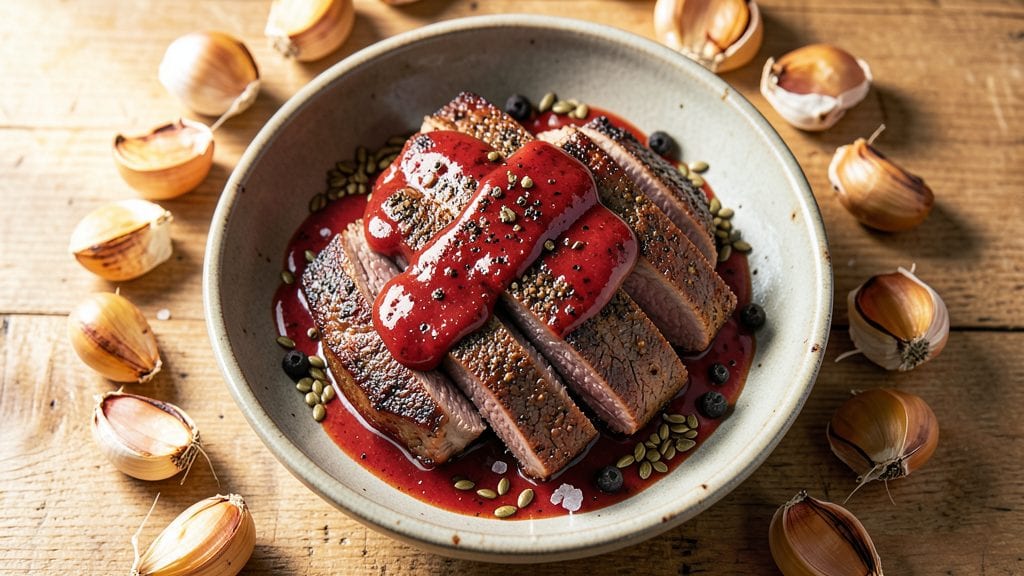
Mastering Barefoot Contessa's beef brisket delivers restaurant-quality results at home, where a slow-smoked spice crust meets melt-in-your-mouth tenderness. The key lies in precise technique—layering fat, controlling smoke, and cooking low-and-slow for hours until the meat practically falls apart.
After years of perfecting this method, I’ve developed a foolproof approach that transforms tough brisket into a showstopping centerpiece.
What sets this recipe apart is the spice crust—a flavorful bark that forms during smoking, locking in moisture while adding depth.
You’ll start with a dry rub of coarse salt, black pepper, and a blend of warm spices, then smoke the brisket until the internal temperature reaches 203°F, where collagen dissolves into buttery richness. The resting period is just as critical, allowing juices to redistribute for every tender bite.
By the time you slice against the grain, you’ll have perfectly tender beef with a caramelized crust and a sauce that forms naturally from rendered fat. This is the kind of brisket that turns weeknight dinners into memorable meals—rich, smoky, and impossible to resist.
Serve with classic sides like roasted potatoes or crusty bread to soak up every last drop of flavor.
Whether you’re hosting a gathering or simply craving a hearty meal, this recipe delivers professional-level results with a method that’s both reliable and rewarding. Let’s get started on creating your best brisket yet.
Ingredients for barefoot contessa beef brisket
Six pounds of brisket plus a handful of spices transform into restaurant-quality tenderness.
| Ingredient | Amount | Notes |
|---|---|---|
| Beef Brisket 🥩 | 6 lb | Flat cut, good fat cap |
| Coarse Kosher Salt 🧂 | ½ cup | Diamond Crystal preferred |
| Freshly Ground Black Pepper 🌶️ | 2 tbsp | Not pre-ground |
| Ground Cumin 🌿 | 1 tbsp | Toasted for depth |
| Smoked Paprika 🌶️ | 1 tbsp | Not sweet paprika |
| Garlic Powder 🧄 | 1 tbsp | Freshly ground preferred |
| Onion Powder 🧅 | 1 tbsp | For balanced flavor |
| Brown Sugar 🍯 | 1 tbsp | Light or dark |
| Mustard Powder 🌶️ | 1 tsp | Adds subtle tang |
| Yellow Mustard 🍯 | 2 tbsp | For extra moisture |
| Apple Cider Vinegar 🍎 | 2 tbsp | Balances richness |
| Beef Tallow or Bacon Fat 🧈 | ¼ cup | For basting |
| Fresh Thyme Sprigs 🌿 | 4 whole | For aromatic depth |
| Fresh Rosemary Sprigs 🌿 | 4 whole | For herbal notes |
| Wood Chips (Hickory or Oak) 🌳 | 2 lb | Soaked overnight |
The brisket is non-negotiable—flat cut with a thick fat cap (at least 1/4 inch) is essential for moisture and flavor. Look for grass-fed or organic if possible, but conventional works too. Costco and local butchers often have the best cuts, but don’t overlook the meat section at Whole Foods or Trader Joe’s for pre-cut options. The fat cap should be golden and plump, not yellowed or shriveled. If you’re buying whole, ask for it trimmed to about 1/2 inch of fat—enough to render but not so much it smokes poorly. I’ve made this with both packer briskets and butcher-cut flats, and the flat delivers more even cooking every time.
No smoked paprika? Substitute half with regular paprika and half with cayenne for heat. The mustard powder can be swapped for Dijon mustard (1 tbsp) if you’re in a pinch, but skip the vinegar if you do. Fresh herbs? Dried thyme and rosemary at one-third the amount work, but the fresh versions add a complexity you won’t get dried. The wood chips are critical—hickory for bold smoke, oak for milder notes. If you can’t find soaked chips, soak store-bought chunks in water for 1 hour before using. The yellow mustard and apple cider vinegar might seem odd, but they cut through the fat and add a bright contrast to the deep, smoky flavors. Trust me on this.
This brisket tastes even better the next day—plan ahead. Wrap the cooked brisket tightly in butcher paper (not foil) and refrigerate for up to 5 days. For longer storage, vacuum-seal portions and freeze for up to 6 months. The rendered fat can be saved and repurposed for mashed potatoes or cornbread—just strain it through a fine-mesh sieve after resting. Slice against the grain for maximum tenderness, and save the leftovers for sandwiches or tacos. The spice crust? Crush it into a powder and use it to season future smokes or roasts.
Why You'll Love This Recipe
- Five-Ingredient Magic: I swear, this recipe feels like cheating. Just brisket, salt, pepper, cumin, and smoked paprika—no fancy marinades or hours of prep. The secret’s in the layering: coarse salt creates that perfect crust, while the paprika adds a smoky depth that turns even the simplest cut into something unforgettable.
- Smoky Crust Alert: Here’s what sold me—the moment that crust forms. The coarse kosher salt caramelizes into a crackly, savory shell while the pepper and cumin work their magic inside, keeping the meat juicy. It’s not just flavor; it’s texture that’ll have you cutting into it like it’s Sunday dinner.
- Weeknight Hero: Not the prettiest, but the taste makes up for it. You can throw this in the oven while you fold laundry or answer emails—minimal hands-on time, maximum reward. Honestly, it’s the kind of dish that turns a mundane Tuesday into a “hold on, what’s for dinner?” kind of night.
Step-by-step instructions for slow-smoked brisket with spice crust
Here's the method that delivers melt-in-your-mouth tenderness with a crackling spice crust.
Create the Spice Rub and Prep the Brisket
In a large bowl, combine the 0.5 cup coarse kosher salt, 2 tablespoons freshly ground black pepper, 1 tablespoon each of ground cumin and smoked paprika, 1 tablespoon each of garlic powder and onion powder, 1 tablespoon brown sugar, and 1 teaspoon mustard powder. Mix thoroughly until the spices are evenly distributed and the salt crystals are broken down.
Pat the 6 lb beef brisket dry with paper towels, removing any excess moisture from the surface. This step is crucial for developing that perfect bark later. Apply the spice rub generously to all sides of the brisket, pressing firmly so the mixture adheres well. I like to work in sections, making sure every inch gets equal coverage. Place the brisket on a wire rack set over a baking sheet and refrigerate uncovered for 12-24 hours. This resting period allows the rub to penetrate deeply and the meat to dry slightly, both essential for that signature crust.
Prepare the Mustard-Yogurt Baste and Wood Chips
In a small bowl, whisk together the 2 tablespoons yellow mustard and 2 tablespoons apple cider vinegar. This mixture will serve as both a tenderizer and flavor enhancer when applied later in the cooking process. Set aside.
Soak the 2 lb wood chips (hickory or oak) in water for at least 4 hours or overnight. This prevents them from burning too quickly and ensures steady smoke production. Drain the wood chips before using. In a separate small bowl, mix the 0.25 cup beef tallow or bacon fat with the 4 whole fresh thyme sprigs and 4 whole fresh rosemary sprigs, crushing the herbs slightly to release their oils. This aromatic fat will be used for basting during the smoking process.
Smoke the Brisket Low and Slow
Set up your smoker for indirect heat and preheat to 225°F using the soaked wood chips. Place the brisket fat-side up on the smoker grate, positioning it away from direct heat. Insert a meat probe into the thickest part of the brisket (avoiding the fat cap) and close the lid. Resist the urge to open it during the first 2 hours—this helps maintain consistent temperature and smoke circulation.
Smoke the brisket for 6-8 hours until the internal temperature reaches 165°F. This is when you'll encounter "the stall," where the temperature stops rising as moisture evaporates. Don't be alarmed—this is normal. At this point, remove the brisket from the smoker and wrap it tightly in butcher paper (not aluminum foil). Return it to the smoker and continue cooking until the internal temperature reaches 203°F, which should take an additional 4-6 hours. The brisket is done when it's fork-tender and the probe slides in like butter.
Rest and Slice for Maximum Juiciness
Once the brisket reaches 203°F, remove it from the smoker and transfer it to a cutting board. Tent loosely with aluminum foil and let it rest for at least 1 hour, preferably 2 hours. This resting period is critical—it allows the juices to redistribute throughout the meat, ensuring each slice is moist and flavorful.
During the rest, preheat your oven to 350°F. Unwrap the brisket and place it fat-side up on a baking sheet. Brush the surface with the reserved mustard-vinegar mixture and spoon some of the aromatic beef tallow mixture over the top. Baste the brisket with the remaining tallow mixture, focusing on the areas that need extra browning. Place the baking sheet in the preheated oven and broil for 5-7 minutes until the surface develops a deep mahogany color and crispy texture.
Slice the brisket against the grain into ¼-inch thick pieces. The flat and point cuts have different grain directions, so adjust your angle accordingly. Serve immediately with your favorite sides, ensuring each bite delivers that perfect balance of tender meat, smoky depth, and crackling spice crust.
Pro Tips For Making Barefoot Contessa Beef Brisket
- Trim the Fat First: The Barefoot Contessa recipe works best with a 1-inch-thick fat cap—don’t slice it off. Instead, score the fat in a crosshatch pattern (about ½-inch apart) with a sharp knife. This lets the fat render cleanly without turning your pan into a grease fire later. I used to skip this, and my brisket would either burn or stay soggy.
- Salt in Layers: Don’t dump all the kosher salt at once. After searing, sprinkle half the salt while the brisket is still hot, then let it sit for 10 minutes before flipping. The second half goes on after flipping—this builds flavor deeper than a single heavy hand. I learned this the hard way when my first batch tasted flat, no matter how long I cooked it.
- Skip the Crowd: If you’re cooking in a skillet (like the recipe suggests), resist the urge to overload it. A 3–4 lb brisket should have at least 1 inch of space between pieces—otherwise, you’re steaming instead of searing. I once crammed in too much, and the bottom turned to mush. Trust me, patience here pays off.
- Use a Meat Thermometer: The recipe mentions "medium-rare," but don’t guess—brisket cooks unevenly. Pull it when the thickest part hits 130°F (it’ll rest to 135°F). I used to slice into it early, and half was still gray. A $10 thermometer saves you from ruining a perfectly seasoned brisket.
Best sauces and condiments for barefoot contessa beef brisket
Classic Horseradish Cream
This tangy, peppery sauce is a Barefoot Contessa staple that cuts through the richness of brisket beautifully. Mix ½ cup sour cream with 2 tablespoons prepared horseradish (like Gourmet Garden), 1 tablespoon Dijon mustard, and 1 teaspoon apple cider vinegar.
Thin with 1-2 tablespoons milk if needed for dipping consistency. Serve warm or chilled—it pairs perfectly with the brisket's smoky crust. 💫
Smoky Chipotle BBQ Glaze
For a bold, smoky finish, blend ½ cup BBQ sauce (like Sweet Baby Ray's Original) with 1 chipotle pepper in adobo sauce, 1 tablespoon honey, and 1 teaspoon smoked paprika.
Simmer for 5 minutes to meld flavors, then brush over sliced brisket just before serving. The heat and sweetness contrast the brisket’s richness while enhancing its smoky notes.
Brown Butter & Sage Sauce
Melt 3 tablespoons butter in a skillet over medium heat until golden brown, then add 2 fresh sage leaves and 1 minced garlic clove. Pour over sliced brisket tableside for an elegant, aromatic finish.
The nutty depth of brown butter complements the brisket’s tender texture, while sage adds a subtle herbal brightness. 🌿
Spiced Apple Chutney
Simmer 1 cup diced apples, ¼ cup apple cider vinegar, 2 tablespoons brown sugar, ½ teaspoon ground cinnamon, and ¼ teaspoon cayenne for 10 minutes until thickened. Serve as a tangy-sweet topping or side sauce. The chutney’s acidity balances the brisket’s richness, adding a refreshing contrast.
Garlic-Herb Compote
Sauté 4 minced garlic cloves and 2 tablespoons chopped fresh parsley in 2 tablespoons olive oil until fragrant. Deglaze with ¼ cup beef broth and simmer until reduced by half.
Finish with 1 teaspoon lemon juice and a pinch of salt. This light, herby sauce adds brightness without overpowering the brisket’s natural flavors.
Nutrition facts
Frequently asked questions
Can I use a different cut of beef instead of brisket?
This recipe is specifically designed for brisket because of its fat content and connective tissue, which create that signature tender texture. However, if you're in a pinch, you could try a chuck roast or beef short ribs—just adjust the cooking time since they have different fat distributions. Never substitute with leaner cuts like sirloin, as they won't develop the same richness.
What's the deal with the "stall" during smoking?
The stall occurs around 165°F when moisture evaporates from the meat, temporarily halting temperature rise. This is normal! Wrap the brisket in butcher paper at this point to trap steam and push it through to 203°F. The wrap also helps create that coveted spice crust while keeping the meat moist.
How do I know when the brisket is fully cooked?
Use a meat thermometer to check the thickest part (avoiding the fat cap). It's done when it reaches 203°F—the probe should slide in like butter with no resistance. The meat should also pull apart easily with two forks. Never rely on time alone, as brisket thickness varies. The internal temp is your best guide.
Can I make this in an oven instead of a smoker?
Yes! Preheat your oven to 225°F and place a water pan on the lower rack for moisture. Smoke the brisket by adding wood chips to a foil packet with holes, then placing it on the oven rack. Cook for 6-8 hours until it hits 165°F, then wrap and continue until 203°F. The flavor will be slightly different but still delicious—just expect less smokiness.
What's the best way to store leftovers?
Let the brisket cool completely, then wrap tightly in butcher paper and refrigerate for up to 5 days. For longer storage, vacuum-seal portions and freeze for up to 6 months. The rendered fat can be strained and saved for future recipes. Reheat slices in a skillet over medium-low heat until warmed through—never microwave, as it dries out the meat.