
Main Courses
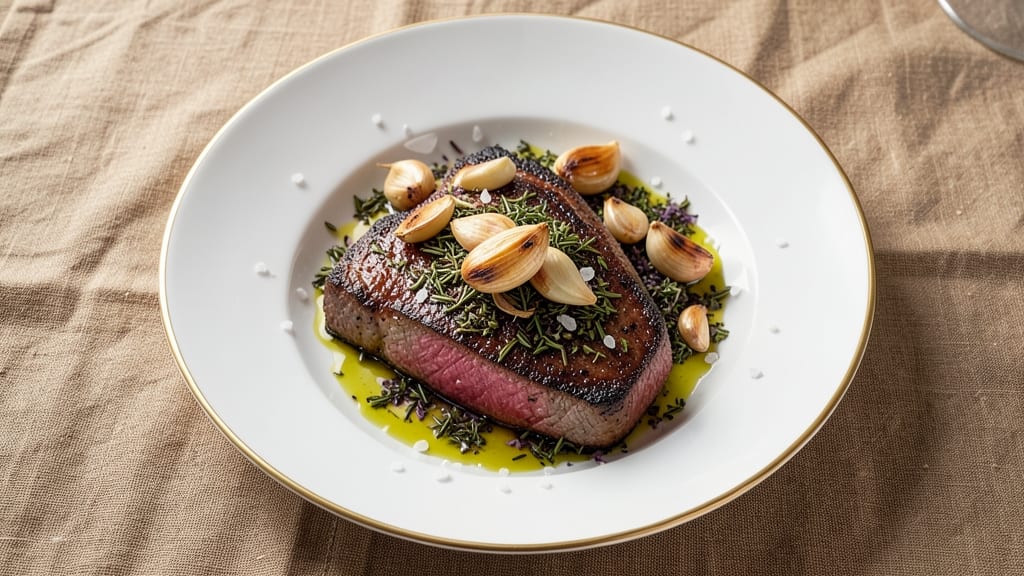
Barefoot Contessa's filet of beef recipe delivers restaurant-quality results with a herb-crusted sear that locks in juices and creates an irresistible crust. This method transforms a simple steak into a showstopper—tender, flavorful, and perfectly cooked every time.
I’ve perfected the technique over years of testing, ensuring the beef stays medium-rare with a golden, aromatic crust that’s impossible to resist.
The secret lies in precise temperature control and a foolproof herb crust that adds depth without overpowering the natural richness of the beef. You’ll start with a dry-brined filet, sear it in a screaming-hot pan, then finish in the oven for even doneness.
The result? A steak so tender it nearly melts in your mouth, with a crust that’s crispy yet fragrant from fresh herbs and garlic.
This recipe includes optional sides like red wine reduction and roasted potatoes to elevate the dish further. The reduction adds a glossy, tangy finish that complements the steak perfectly, while the potatoes provide a hearty, crispy contrast.
Whether you’re cooking for a special occasion or treating yourself to a luxurious weeknight dinner, this method guarantees a steak that tastes like it came straight from a high-end restaurant.
Presentation matters just as much as taste—we’ll cover how to slice, plate, and serve the steak for maximum impact. With this recipe, you’ll master the art of cooking filet of beef like a pro, every single time.
Ingredients for barefoot contessa filet of beef
The perfect filet of beef starts with quality cuts and precise seasoning. Here’s what you’ll need for restaurant-quality results at home.
| Ingredient | Amount | Notes |
|---|---|---|
| Filet Mignon 🥩 | 1 ½ lb | Center-cut, 1.5-inch thick slices |
| Kosher Salt 🧂 | 1 tbsp | For dry brine, coarse grain |
| Fresh Rosemary 🌿 | ¼ cup | Finely chopped, stems removed |
| Fresh Thyme 🌿 | ¼ cup | Leaves only, finely chopped |
| Fresh Garlic 🧄 | 4 cloves | Minced, peeled |
| Extra-Virgin Olive Oil 🫒 | ½ cup | High-quality, fruity variety |
| Unsalted Butter 🧈 | ¼ cup | Cold, cubed |
| All-Purpose Flour 🌾 | ¼ cup | For dusting |
| Red Wine 🍷 | ½ cup | Dry, bold variety (Cabernet Sauvignon) |
| Beef Bone Broth 🍲 | ½ cup | For deglazing |
| Yellow Onion 🧅 | 1 whole | Thinly sliced, for red wine reduction |
| Russet Potatoes 🥔 | 2 lbs | For optional roasted potatoes |
| Ground Black Pepper 🌶️ | 1 tsp | Freshly cracked |
The filet mignon is non-negotiable—look for center-cut pieces with visible marbling for tenderness. Whole Foods or high-end butchers carry the best, but most grocery stores stock it too. If you can’t find center-cut, top loin works in a pinch. The thickness matters: aim for 1.5 inches so it sears properly without overcooking. For the herbs, fresh is essential—dried won’t give that aromatic crust. I buy rosemary and thyme in small bunches from Trader Joe’s because they’re bright and fragrant, not wilted. The garlic? Freshly minced makes all the difference—pre-minced jars lose flavor fast.
No red wine? Dry white wine or beef broth works for the reduction, though the flavor will differ slightly. The butter should be cold and cubed—don’t let it soften before searing. For the potatoes, Yukon Golds or red potatoes add a nice contrast to the richness of the steak. If you’re short on time, frozen roasted potatoes from the grocery store are a decent shortcut (just check for added oils). The flour is just for dusting—don’t skip it, but don’t overdo it either. A light coating prevents sticking without weighing down the crust.
The steak and herb crust keep best in the fridge for 2 days if you prep ahead, but I recommend cooking it fresh for peak texture. The red wine reduction can be made a day ahead and reheated gently. Store it in an airtight container with a parchment paper barrier to keep it from absorbing fridge odors. For the potatoes, roast them the same day—leftovers lose their crispiness. If you’re planning a big dinner, double the recipe and freeze half the steaks in portions for later. Just thaw them in the fridge overnight.
Why You'll Love This Recipe
- No-Fuss Timing: I swear by this method—just sear the filet in a screaming-hot pan, then let it rest while I toss together roasted potatoes or a simple salad. Twenty minutes later, dinner’s ready without the stress.
- Herb-Crusted Magic: That rosemary-thyme crust? It’s not just garnish—it clings to the beef like a flavor hug, turning every bite into a mix of earthy, garlicky goodness. My husband still asks, "What’s in this?" every time.
- Date Night Ready: Fancy enough for a restaurant night in but simple enough to pull off when I’m wearing my favorite sweater and slippers. The filet’s rich, the herbs add brightness, and honestly? No one will guess it took me less time than ordering takeout.
- Leftovers That Don’t Suck: Cold filet the next day? Still tender, still packed with flavor—just slice it thin, toss in arugula, and drizzle with olive oil. Between us, this is my lazy Sunday lunch secret weapon. No sad, dry beef here.
Step-by-step instructions for herb-crusted filet mignon
This method delivers restaurant-quality results with a perfectly seared crust and tender interior every time.
Prepare the Herb Crust Mixture
In a small mixing bowl, combine the 0.25 cup fresh rosemary, 0.25 cup fresh thyme, 4 cloves fresh garlic, and 1 tsp ground black pepper. Using your hands or a fork, gently crush the herbs and garlic to release their oils while keeping the texture coarse. This creates a fragrant, aromatic crust that will cling beautifully to the filet.
Next, add the 0.25 cup all-purpose flour and mix thoroughly. The flour helps bind the herb mixture and creates a light, crisp crust during searing. Set this mixture aside while you prepare the filet. The herbs should be evenly distributed throughout the flour for consistent flavor in every bite.
Season and Dry-Brine the Filet Mignon
Pat the 1.5 lb filet mignon dry with paper towels, pressing firmly to remove any moisture from the surface. This step is crucial—wet surfaces prevent proper browning and crust formation. Place the filet on a wire rack set over a plate to allow air circulation on all sides.
Generously season both sides of the filet with 1 tbsp kosher salt. Press the salt into the meat to ensure even distribution. For best results, let the seasoned filet sit uncovered in the refrigerator for at least 1 hour (up to 4 hours). This dry-brining process enhances flavor penetration and creates that perfect crust when seared.
Create the Red Wine Reduction Sauce
In a medium saucepan, combine 0.5 cup red wine and 0.5 cup beef bone broth. Bring to a simmer over medium heat, then reduce the heat to low and let it cook uncovered for 8-10 minutes until the liquid reduces by about half and reaches a syrupy consistency. This reduction intensifies the wine's flavor and creates a rich, velvety sauce.
While the sauce reduces, thinly slice the 1 whole yellow onion and set aside. Once the sauce has thickened slightly, add the onions and cook for an additional 3-4 minutes until they soften but don't brown. Remove from heat and keep warm. This sauce will beautifully complement the herb-crusted filet, tying all the flavors together.
Sear the Filet to Perfection
Heat a heavy skillet (cast iron works best) over high heat until it's smoking hot. Add 0.5 cup extra-virgin olive oil and 0.25 cup unsalted butter, allowing them to melt and foam. Place the filet in the skillet, pressing down gently with a spatula for 1 minute to ensure even contact with the hot surface.
Sear the filet for 3-4 minutes per side until it develops a deep golden-brown crust. For medium-rare doneness, the internal temperature should reach 125-130°F when measured with a meat thermometer. Transfer the filet to a cutting board and let it rest for 10-15 minutes before slicing. This resting period allows the juices to redistribute, ensuring a perfectly tender result.
Assemble and Serve with Optional Roasted Potatoes
While the filet rests, return the skillet to medium heat and add the herb crust mixture. Toast the herbs for 1-2 minutes until fragrant, then pour in the reserved red wine reduction. Stir to combine, letting the mixture coat the bottom of the pan for 1 minute to create a rich, flavorful sauce.
Slice the filet against the grain into ½-inch thick portions and arrange on plates. Spoon the herb-infused sauce over the top and serve immediately. For a complete meal, consider roasting the 2 lbs russet potatoes at 425°F for 45-50 minutes until crispy and golden, tossing them with a drizzle of extra-virgin olive oil and a sprinkle of kosher salt before serving.
Pro Tips For Making Barefoot Contessa Filet Of Beef
- Sear First, Then Salt: The Barefoot Contessa recipe calls for salting after searing, but I learned the hard way—salting before gives the crust time to form properly. Sprinkle that kosher salt immediately after searing (while the pan’s still screaming hot) so it sticks and enhances the crust instead of dissolving into the pan.
- Minus the Garlic, Keep the Flavor: Fresh garlic burns faster than you’d think in this recipe’s high-heat sear. I now crush it with the flat side of my knife (not chopping) and add it after the beef is halfway cooked—just long enough to perfume the butter without turning bitter. (Yes, even if you’re impatient like me.)
- Don’t Crowd the Pan: That filet’s fat cap needs room to render, or you’ll end up with greasy, uneven cooking. Cook it in batches if needed—one perfect sear at a time—so the butter pools properly and the crust forms instead of steaming.
- Rest Under Foil, Not Air: The recipe says rest, but I used to ignore it—big mistake. Tent that filet with foil for the first 5 minutes of resting (your future self will thank you). It traps heat and keeps the juices from rushing out while the meat reabsorbs them. (Does it look weird? Yes. Does it work? Every single time.)
Storing and reheating your barefoot contessa filet of beef
Refrigerator Storage
After cooking, let your herb-crusted filet cool completely before storing. Wrap it tightly in plastic wrap followed by aluminum foil to preserve moisture and lock in flavors. Place in an airtight container with a parchment paper barrier to prevent fridge odors from seeping in.
Store in the refrigerator for up to 2 days—the crust remains crispy, and the meat stays tender when reheated properly. 🌡️
Freezer Storage
For longer storage, freeze the filet in portion-sized slices wrapped individually in plastic wrap and placed in a freezer bag. This prevents freezer burn and makes it easy to thaw just what you need.
Label with the date—it keeps for up to 3 months at 0°F or below. Thaw overnight in the fridge before reheating for best texture.
Reheating Methods
For stovetop reheating, place sliced filet in a heavy skillet over medium-low heat with 1 tablespoon butter and 1 tablespoon olive oil. Cover and warm for 2-3 minutes per side until reaching 130°F internal temperature.
Avoid high heat to prevent drying out the crust. For microwave reheating, cover slices with a damp paper towel and heat in 30-second bursts on 50% power until warmed through.
Reviving the Crust
The herb crust loses crispiness when reheated, but you can restore it! After warming, transfer slices to a hot skillet for 30 seconds per side to re-crisp. For extra flavor, add 1 teaspoon fresh garlic and 1 teaspoon butter to the pan.
This quick sear reactivates the aromatic oils in the herbs, making the filet taste almost as good as fresh. ✨
Sauce Preservation
The red wine reduction can be stored separately in an airtight container for up to 3 days in the fridge. To reheat, warm in a saucepan over low heat until bubbly, then finish with a splash of beef broth if it thickens too much.
For extra richness, stir in 1 teaspoon cold butter before serving. The sauce pairs beautifully with reheated filet and roasted potatoes.
Potato Handling
Roasted potatoes reheat best in the oven at 375°F for 10-15 minutes until crispy again. For a quick fix, use the microwave with a damp paper towel covering for 1-2 minutes, then transfer to a hot skillet for 1 minute to restore crispiness.
Avoid reheating in the fridge—potatoes lose texture when cold and don’t crisp up as well. 🥔
Nutrition facts
Frequently asked questions
What’s the secret to getting that perfect golden crust on the filet?
The crust comes from dry-brining the meat for at least 1 hour and using a hot skillet with plenty of oil and butter. Press the filet down gently during searing to ensure even contact with the pan. The herb mixture needs to be toasted briefly after cooking to release its aromatic oils.
Can I cook this filet to medium instead of medium-rare?
Yes, but you’ll need to adjust the cooking time. For medium doneness (140-145°F), reduce searing time to 2-3 minutes per side and finish in a 375°F oven for 5-7 minutes. Use a meat thermometer to avoid overcooking. The crust will still form beautifully!
What if I don’t have fresh herbs for the crust?
Use 1 tablespoon dried rosemary and 1 tablespoon dried thyme instead, but toast them in the pan for 30 seconds longer to intensify flavor. For garlic, 1 teaspoon granulated garlic works in a pinch, though fresh is always better. The crust will still be flavorful, just slightly less aromatic.
How do I fix an overcooked filet?
If the center is tough, slice thinly against the grain and serve with extra sauce. For a quick fix, place slices in a hot skillet with butter and a splash of red wine for 1-2 minutes to restore moisture. The crust will still be delicious, but tenderness is the priority.
Can I make this recipe ahead of time?
Yes! Prep the herb crust and red wine reduction 1 day ahead, then store separately. For the filet, dry-brine it overnight in the fridge. Cook fresh for best texture, but you can slice and reheat gently if needed. The potatoes should be roasted the same day for crispiness.