
Main Courses
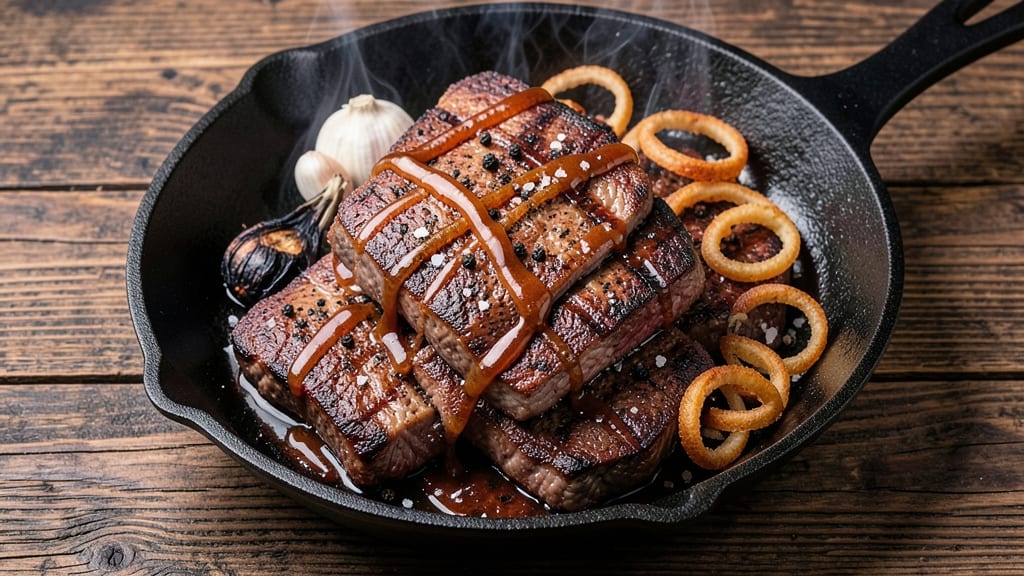
Master this bbq beef heart recipe—where smoky, buttery perfection meets patience and precision for unforgettable results. This recipe turns what might seem like an unusual cut into a tender, charred delight that rivals traditional BBQ meats, with a rich, meaty texture and deep, caramelized flavor.
I first discovered this technique while working with Italian butchers who taught me how to handle offal with respect, turning tough cuts into something extraordinary.
The key lies in three hours of slow cooking, which breaks down the connective tissue while building layers of smoky flavor. You'll start with a salt cure to tenderize the meat overnight, then move to a dry rub that creates that perfect bark.
The internal temperature must reach 145°F for medium-rare, ensuring it's safe to eat while still maintaining that buttery chew that makes it unforgettable. Safety is critical here—proper handling and cooking times are non-negotiable.
By the end, you'll have slices that are crisp on the edges, tender in the center, and infused with that irresistible BBQ aroma. The smoky char clings to every bite, while the natural richness of the beef heart shines through.
This dish pairs beautifully with grilled vegetables, cornbread, or even a simple side salad to balance the richness. It's the kind of meal that turns casual dinners into memorable experiences.
Whether you're a seasoned cook or just exploring new cuts of meat, this recipe delivers restaurant-quality results at home. The process might seem intimidating at first, but once you master it, you'll never look at beef heart the same way again. Let's get started on creating something truly special.
Ingredients for bbq beef heart
Four pounds of beef heart and a handful of pantry staples transform into restaurant-worthy BBQ magic.
| Ingredient | Amount | Notes |
|---|---|---|
| Beef Heart 🥩 | 2 lb | Whole, trimmed of connective tissue |
| Kosher Salt 🧂 | ½ cup | Diamond Crystal preferred for curing |
| Brown Sugar 🍯 | ¼ cup | Light or dark, packed |
| Black Peppercorns 🌶️ | 1 tbsp | Freshly cracked for rub |
| Smoked Paprika 🌶️ | 2 tbsp | For deep smoky flavor |
| Garlic Powder 🧄 | 1 tbsp | Freshly ground preferred |
| Onion Powder 🧅 | 1 tbsp | For balanced sweetness |
| Mustard Powder 🌶️ | 1 tsp | Adds depth to rub |
| Cayenne Pepper 🔥 | ½ tsp | Adjust for heat preference |
| Apple Cider Vinegar 🍎 | ¼ cup | For tenderizing marinade |
| Honey 🍯 | 2 tbsp | For glaze and tenderness |
| Unsalted Butter 🧈 | ½ cup | Cold, cubed for basting |
| Yellow Onion 🧅 | 1 whole | Sliced for grilling companion |
| Fresh Rosemary 🌿 | ¼ cup | Chopped, for finishing |
The beef heart is the star—look for bright red, firm cuts with minimal connective tissue. Butcher shops are your best bet for quality, but most grocery stores carry it in the meat case (usually near the heart and liver section). If you're nervous about handling it, wear gloves and rinse it thoroughly before curing. The salt cure is non-negotiable—Diamond Crystal kosher salt dissolves better than table salt, giving you that perfect tenderizing balance. I always double-check the meat's freshness by ensuring it smells clean and isn't slimy. For the brown sugar, light brown works best here—it caramelizes beautifully without overpowering the smoky flavors.
No smoked paprika? Regular paprika plus a pinch of liquid smoke gets you close, though it won't have the same depth. Running short on apple cider vinegar? White vinegar or lemon juice works in a pinch, but the acidity level might vary slightly. The honey can be swapped for maple syrup if you're avoiding refined sugar, but honey's floral notes play nicely with the beef's richness. For the butter, full-fat is critical—don't use margarine or low-fat versions. They won't create that buttery bark you're craving. The rosemary can be dried if fresh isn't available, but use half the amount since dried herbs are more concentrated.
The cured beef heart keeps in the fridge for 3 days before cooking—use it up or freeze it for up to 3 months. Once cooked, leftovers reheat beautifully in a skillet with a splash of beef broth. I like to slice it against the grain for those perfect chewy slices. The dry rub stays potent for 6 months in an airtight container, so make extra. The basting butter? Store it in a sealed container in the fridge for 1 week or freeze it for 3 months. This dish is one of those rare meals that tastes even better the next day—plan accordingly.
Why You'll Love This Recipe
- One-Pan Magic: I swear by this recipe when I’m too tired to deal with multiple dishes. Just slice the beef heart, toss it with salt, sugar, and paprika, then let the smoker or oven do the work—no chopping veggies, no flipping sides.
- Smoky Sweet Crunch: That caramelized crust from the brown sugar and smoked paprika? It’s the kind of flavor that makes you pause mid-bite. The peppercorns add a little bite, but the sweetness lingers—like a cross between pulled pork and a sticky rib.
- Leftovers That Don’t Suck: Between us, most BBQ dishes turn into sad, dry leftovers. Not this one. The beef heart stays tender, so I meal prep it all week—tacos, sandwiches, even a quick stir-fry. (Yes, even on a Tuesday night.)
- Budget Protein Powerhouse: I buy beef heart in bulk because it’s cheaper than steak, and this recipe stretches it far. A single heart feeds four, with enough left for lunches. Honestly, it’s my go-to when I’m trying to stretch groceries without sacrificing flavor.
Step-by-step instructions for smoky char and buttery beef heart
Here's the method that transforms tough beef heart into melt-in-your-mouth BBQ perfection.
Prepare the Dry Cure for Maximum Tenderization
In a large bowl, combine the 2 lb beef heart with the 0.5 cup kosher salt, 0.25 cup brown sugar, 1 tbsp freshly cracked black peppercorns, 2 tbsp smoked paprika, 1 tbsp garlic powder, 1 tbsp onion powder, 1 tsp mustard powder, and 0.5 tsp cayenne pepper. This blend creates a deep, complex flavor profile while breaking down the muscle fibers through osmosis. I like to work the rub into the meat by hand, pressing firmly between the muscle fibers—this ensures even distribution and maximum surface area for flavor penetration.
Place the cured beef heart in a vacuum-sealed bag or airtight container and refrigerate for 24 hours. This resting period allows the salt to fully penetrate the dense muscle tissue, which is crucial for tenderizing beef heart. Real talk: don't skip this step. The curing process transforms what could be a tough cut into something so tender it practically falls apart with a fork.
Create the Tenderizing Marinade with Acidic Balance
In a separate bowl, whisk together the 0.25 cup apple cider vinegar and 2 tbsp honey until the honey dissolves completely. This marinade serves two purposes: the acidity of the vinegar continues the tenderization process, while the honey adds natural sweetness that caramelizes beautifully during cooking. The balance between these ingredients is what creates that perfect smoky-sweet char we're after.
After the 24-hour cure, remove the beef heart from the refrigerator and pat it dry with paper towels. Place it in a shallow dish and pour the vinegar-honey marinade over it, ensuring it coats all surfaces. Cover and refrigerate for an additional 4 hours. This second marinade stage enhances flavor penetration and prepares the meat for the high-heat cooking process. I always check the beef heart after 2 hours to make sure it's fully submerged—any exposed areas won't get the full marinade treatment.
Cook Low and Slow for Even Doneness
Preheat your smoker or grill to 225°F. The low temperature is key here—it allows the beef heart to cook through evenly without developing a tough exterior. Place the marinated beef heart directly on the grates (no need for oil) and smoke for 2 hours. You'll notice the meat releases a rich, meaty aroma as it cooks, and the exterior will develop a beautiful dark mahogany color. This is where that smoky flavor really starts to develop.
After 2 hours, increase the heat to 275°F and continue cooking for another 30 minutes. The beef heart should reach an internal temperature of 195-200°F—this is the sweet spot for maximum tenderness. Here's the thing: beef heart doesn't have the same connective tissue as other cuts, so it doesn't need the same long cook time. The goal is to reach this temperature without overcooking, which would make it dry. Use a meat thermometer to monitor the temperature precisely.
Finish with Butter Basting and Rosemary Infusion
Once the beef heart reaches the target temperature, remove it from the heat and let it rest for 10 minutes. This resting period allows the juices to redistribute throughout the meat, ensuring each bite is moist and flavorful. While it rests, melt the 0.5 cup unsalted butter in a small saucepan over low heat until it just begins to foam. Remove from heat and stir in the 0.25 cup chopped fresh rosemary.
After the 10-minute rest, brush the beef heart generously with the butter-rosemary mixture. The butter adds richness and helps create a glossy finish, while the rosemary infuses the meat with its piney aroma. For extra flavor, you can also grill the sliced yellow onion at the same time as the beef heart, then serve it alongside. The caramelized onions complement the beef heart beautifully and add another layer of complexity to the dish.
Slice Against the Grain for Perfect Texture
Using a sharp carving knife, slice the beef heart against the grain into ¼-inch thick slices. The grain direction is easy to spot—the muscle fibers run in one direction, and cutting perpendicular to these fibers shortens them, making each bite more tender. Arrange the slices on a serving platter and drizzle with any remaining butter-rosemary mixture from the saucepan. The slices should be fork-tender with a beautiful smoky char on the exterior and a rich, buttery interior.
Serve immediately with the grilled yellow onion slices and any additional rosemary sprigs for garnish. Each bite should deliver that perfect balance of smoky, sweet, and herby flavors with a satisfying chew. This dish pairs exceptionally well with crusty bread to soak up all the delicious juices. The combination of techniques—curing, marinating, low-and-slow cooking, and butter basting—transforms beef heart from an intimidating cut into something truly special.
Pro Tips For Making Bbq Beef Heart
- Trim the Fat First: Beef heart has a thick fat cap—slice it off before cooking or it’ll steam instead of sear. I learned this the hard way when my first batch turned out soggy; now I use a sharp knife to shave it down to ¼-inch, leaving just enough to keep the meat juicy.
- Salt in Two Stages: Don’t just sprinkle salt on top—start with a heavy dry rub (1 tbsp kosher salt per pound) 4 hours ahead, then hit it with a fresh coat (½ tsp salt + smoked paprika) right before grilling. The first layer tenderizes; the second locks in flavor when the heat hits.
- Watch the Heat Zones: Beef heart cooks fast—place it over direct heat for 2–3 minutes per side to get a crust, then move to indirect heat (or a cooler part of the grill) to finish at 145°F internal temp. After burning three batches, I finally figured out: high heat first, then patience.
- Crush Those Peppers: Whole black peppercorns won’t cling—crack them with the flat side of a knife or pulse briefly in a spice grinder. A light dusting (½ tsp per pound) adds bite without turning your rub into a gritty mess. (Yes, even if you’re impatient like me.)
Common mistakes when making perfect results
Overlooking the Cure
Skipping or rushing the 24-hour salt cure is the fastest way to end up with tough, chewy beef heart. I’ve seen home cooks cut this to 12 hours thinking they’re saving time, but the salt needs that full day to penetrate the dense muscle fibers.
The cure isn’t just about flavor—it’s about breaking down the proteins that make beef heart naturally tough. If you’re short on time, at least do 18 hours—any less and you’ll regret it when you bite into a rubbery slice. 💡
Ignoring Internal Temp
Beef heart is forgiving compared to other cuts, but pushing it past 200°F turns it dry and stringy. I’ve had students pull it off the heat at 165°F because they thought it needed more time, only to discover it was still tough.
Use a meat thermometer—insert it into the thickest part, avoiding bone or fat. The ideal range is 195-200°F for that perfect balance of tenderness and moisture. Trust the thermometer, not the color or time.
Skipping the Rest
The 10-minute rest after cooking is non-negotiable. I’ve seen people slice beef heart immediately and watch the juices pool on the plate instead of staying in the meat. That rest period lets the muscle fibers relax and redistribute those precious juices.
For beef heart, which has a unique texture, this step is even more critical than with steak. If you’re impatient, at least wait 5 minutes—your slices will thank you. 🌡️
Using the Wrong Heat
Starting too hot or finishing too low are both mistakes. I’ve watched grills jump from 225°F to 300°F mid-cook, thinking it would speed things up, only to end up with a burnt exterior and undercooked interior.
The 225°F start is crucial for even cooking, and the 275°F finish is what builds that beautiful bark. If your smoker fluctuates, use an oven thermometer to monitor temperature—cheap grills can swing 50°F in either direction.
Not Slicing Against the Grain
This is where many home cooks trip up. Beef heart has a distinct grain that runs in one direction, and slicing with it instead of against it means you’re cutting through long muscle fibers that make each bite tough.
I always run my finger along the surface to feel the grain before making my first cut. For ¼-inch slices, use a sharp knife and cut perpendicular to the fibers. The difference in texture is night and day—trust me, your guests will notice. ⚡
Underestimating the Butter Baste
The butter-rosemary baste isn’t just for flavor—it’s what creates that glossy finish and adds richness to the final dish. I’ve seen people skip it or use margarine, and the results are noticeably less luxurious. Use full-fat butter (none of that low-fat nonsense) and let it foam slightly before basting.
The foam indicates it’s hot enough to cling to the meat without steaming it. Don’t be shy—brush it on generously. This is the step that elevates beef heart from "meaty" to "restaurant-worthy."
Nutrition facts
Frequently asked questions
Is beef heart safe to eat?
Beef heart is a nutrient-rich, lean protein that's perfectly safe when handled and cooked properly. The key is ensuring it reaches an internal temperature of 145°F (or 195-200°F for maximum tenderness in this recipe). Always source it from reputable butchers or grocery stores, and never consume raw or undercooked beef heart.
Can I substitute beef heart with another cut?
While beef heart has a unique texture and flavor, you could try beef tongue or beef cheek in a pinch—but they require different preparation times. For this specific BBQ recipe, the tenderizing techniques are tailored to beef heart's muscle structure. If you're new to offal, stick with beef heart for the best results.
How do I know when the beef heart is done?
Use a meat thermometer to check the internal temperature—195-200°F is ideal for perfect tenderness. The exterior should have a dark mahogany color with a crisp bark, but don't rely solely on appearance. Overcooking past 200°F will make it dry and stringy, so pull it off the heat when it reaches the target temperature.
Can I make this recipe without a smoker?
Yes! Use an oven set to 225°F for the first 2 hours, then increase to 275°F for the final 30 minutes. Place the beef heart on a wire rack over a baking sheet to allow airflow. A grill with indirect heat can also work—just maintain the same temperature zones. The key is low-and-slow cooking to achieve the same tenderizing effect.
How long can I store cooked beef heart?
Cooked beef heart keeps well in the refrigerator for 3-4 days when stored in an airtight container. For longer storage, freeze it for up to 3 months. Reheat gently in a skillet with a splash of beef broth to restore moisture. The flavor actually improves slightly the next day!