
Main Courses
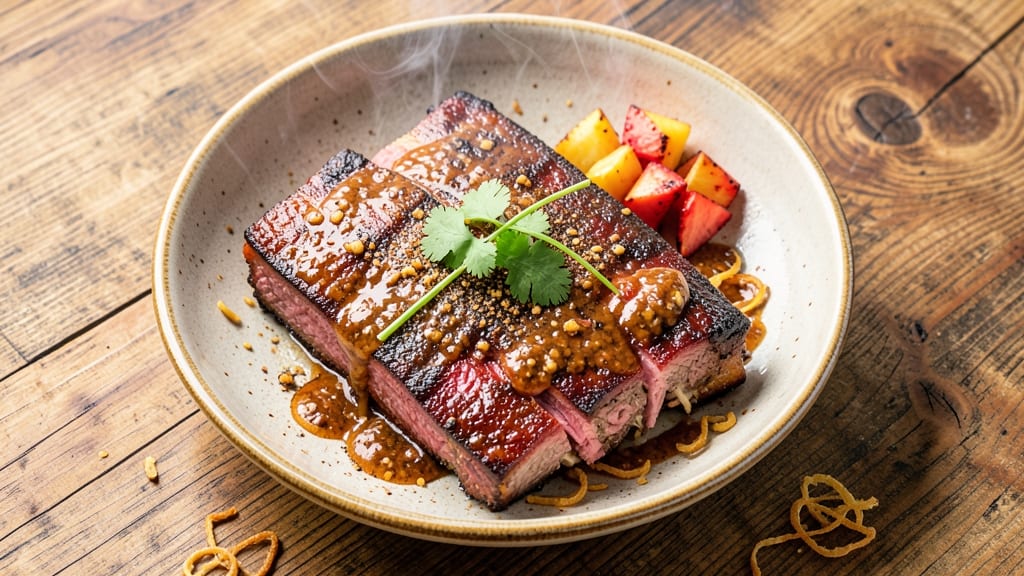
The bbq beef plate ribs recipe that delivers melt-in-your-mouth tenderness and a smoky-sweet bark you won’t believe comes from a professional kitchen. After years of perfecting the balance between slow cooking and bold flavors, I’ve developed a method that transforms tough cuts into fall-apart perfection.
The secret lies in precise timing and a dry rub that develops deep, caramelized crust—exactly what makes these ribs unforgettable.
This recipe delivers restaurant-quality results without requiring specialized equipment. You’ll start with a simple dry rub of brown sugar, smoked paprika, and garlic powder, then slow-cook the ribs until they’re tender enough to pull clean from the bone.
The key is patience—low and slow develops that signature bark while keeping the meat juicy. By the time you plate them, every bite will be a perfect harmony of smoky, sweet, and savory flavors.
The final touch is a homemade BBQ sauce that glistens on top, adding a glossy finish and extra depth. Whether you’re hosting a backyard cookout or feeding a hungry crowd, these ribs are the centerpiece that commands attention.
Serve with classic sides like cornbread and coleslaw for a meal that feels like a celebration.
Ready in just 4 hours (with minimal active time), this recipe is designed for success. The instructions walk you through every step—from seasoning to resting—so you can achieve professional results at home. Let’s get started on ribs that’ll have everyone asking for seconds.
Ingredients for bbq beef plate ribs
Six pounds of beef ribs and a handful of pantry staples transform into showstopping BBQ.
| Ingredient | Amount | Notes |
|---|---|---|
| Beef Plate Ribs 🥩 | 6 lb | Bone-in, meaty ends preferred |
| Brown Sugar 🍯 | ½ cup | Light or dark, packed |
| Smoked Paprika 🌶️ | 2 tbsp | High-quality for smoky depth |
| Garlic Powder 🧄 | 2 tbsp | Freshly ground preferred |
| Onion Powder 🧅 | 1 tbsp | For balanced sweetness |
| Ground Black Pepper 🌶️ | 1 tbsp | Freshly cracked for heat |
| Kosher Salt 🧂 | 1 tbsp | Diamond Crystal preferred |
| Cayenne Pepper 🔥 | 1 tsp | Adjust for heat preference |
| Apple Cider Vinegar 🍎 | ¼ cup | For tenderizing and tang |
| Yellow Onion 🧅 | 1 whole | Sliced for marinade base |
| Fresh Garlic Cloves 🧄 | 6 cloves | Minced for marinade |
| BBQ Sauce 🍯 | 1 cup | Homemade or quality store-bought |
| Unsalted Butter 🧈 | 2 tbsp | Full-fat for richness |
The ribs are the star—bone-in plate ribs with meaty ends give you that perfect balance of flavor and texture. Costco or local butchers usually carry them pre-cut, but if you're buying a whole packer, trim off any excess fat. Look for vibrant color and good marbling. I always buy extra—two pounds per person ensures everyone gets a generous serving. The dry rub ingredients are all about building layers of flavor: the brown sugar caramelizes into that signature bark, while the smoked paprika delivers that unmistakable BBQ depth. Grab the Penzeys smoked paprika if you want to splurge, but the regular grocery store stuff works fine too.
No smoked paprika? Substitute 1 tbsp regular paprika plus 1/2 tsp liquid smoke—it won't be identical, but it gets you close. Short on apple cider vinegar? White vinegar or even lemon juice works in a pinch, though the flavor profile shifts slightly. The marinade can be made a day ahead, but don't marinate the ribs longer than 4 hours—they'll get too tender before cooking. For the BBQ sauce, Sweet Baby Ray's is a crowd-pleaser, but if you're making your own, use ketchup, molasses, and a touch of Worcestershire for that classic tang. The butter at the end? Full-fat only—it's what gives those ribs that luxurious finish.
The dry rub keeps for 3 months in an airtight container, so make extra. Store the ribs in the fridge for up to 2 days before cooking—they'll benefit from the extra resting time. Once cooked, ribs reheat beautifully in the oven at 300°F for 10 minutes with a splash of water. For leftovers, wrap tightly in foil and freeze for up to 3 months. I always make a double batch—these ribs disappear fast, and the second round always tastes even better.
Why You'll Love This Recipe
- Here’s the truth: these ribs taste even better the next day. The flavors meld into something richer, and reheating them in the oven keeps them juicy. Honestly, I often double the batch just to have seconds later.
- Foolproof Prep: I swear by this—just slather those ribs with brown sugar and smoked paprika, then let the oven do the work. No basting, no fussing, and the meat stays tender while the edges caramelize into something dangerously good.
- Sweet-Smoky Magic: That combo of brown sugar and smoked paprika? It’s like a hug for your taste buds. The garlic and onion powders sneak in depth without overpowering, and the ribs get this perfect balance of sticky, smoky sweetness that makes them disappear fast.
- Weeknight Hero: Between us, I’ve served these at tailgates, lazy Sundays, and even as a "fancy" dinner when friends drop by. They’re hearty enough for a crowd but simple enough to make when you’re too tired to plan—just throw them in, and you’re golden.
Step-by-step instructions for smoky-sweet beef plate ribs
Here's how to transform tough ribs into melt-in-your-mouth perfection with that coveted bark.
Prepare the Dry Rub and Marinade
In a medium bowl, combine the 0.5 cup brown sugar, 2 tbsp smoked paprika, 2 tbsp garlic powder, 1 tbsp onion powder, 1 tbsp ground black pepper, 1 tbsp kosher salt, and 1 tsp cayenne pepper. Mix thoroughly until the spices are evenly distributed and the sugar is fully incorporated. This dry rub will create that signature smoky-sweet bark while penetrating the meat for deep flavor.
In a separate bowl, whisk together the 0.25 cup apple cider vinegar, 1 cup BBQ sauce, and 2 tbsp unsalted butter until smooth. The vinegar helps tenderize the meat while the BBQ sauce adds that tangy sweetness we all crave. Finely mince the 6 cloves fresh garlic cloves and slice the 1 whole yellow onion into thin half-moons, then add these to the marinade mixture. The raw aromatics will infuse the ribs with fresh, bright flavors that balance the smoky dry rub.
Coat and Rest the Ribs
Pat the 6 lb beef plate ribs completely dry with paper towels—this is critical for that crispy bark. Working in batches if needed, generously coat each rib with the dry rub mixture, pressing it firmly into the meat so it adheres well. The ribs should look uniformly dusted with the spice blend, especially in the crevices and along the bone.
Once the ribs are fully coated, transfer them to a large resealable plastic bag and pour the marinade over the top. Seal the bag tightly and massage the ribs gently to ensure they're fully coated. Place the bagged ribs on a tray to catch any spills and refrigerate for at least 4 hours, or preferably overnight. This resting period allows the flavors to penetrate deeply and the meat to begin tenderizing.
Smoke the Ribs Low and Slow
Preheat your smoker to 225°F using hickory or apple wood chips for that classic BBQ flavor. Place the ribs bone-side down on the smoker grates, ensuring they're not crowded. The goal is to create a gentle smoke environment that cooks the meat evenly without overwhelming it. Close the lid and avoid opening it for at least 2 hours—this helps maintain consistent temperature and prevents moisture loss.
Smoke the ribs for a total of 5-6 hours, or until the internal temperature reaches 195-203°F when measured at the thickest part of the meat. You'll notice the ribs developing a beautiful dark bark—this is your signal that the sugars in the rub are caramelizing. The meat should be fork-tender, pulling away from the bone with just gentle pressure. If the bark isn't forming as expected, you can increase the smoker temperature to 250°F for the last 30 minutes to encourage browning.
Wrap and Finish for Maximum Tenderness
Once the ribs reach the 195-203°F range, it's time to wrap them in butcher paper to accelerate the cooking process. Line a large sheet of butcher paper with aluminum foil (shiny side down) and place the ribs on top. Fold the paper tightly around the ribs, sealing them completely to trap steam. This "Texas crutch" method helps break down the connective tissue while preserving that beautiful bark.
Return the wrapped ribs to the smoker and continue cooking for another 1-2 hours, or until the internal temperature reaches 205-210°F. The ribs should now be incredibly tender, with meat that practically falls off the bone. Remove the ribs from the smoker and let them rest on a cutting board for 15-20 minutes before serving. This resting period allows the juices to redistribute, ensuring each bite is moist and flavorful.
Serve with Confidence
Carefully unwrap the ribs and slice them between each bone into individual servings. The meat should be so tender that it practically melts in your mouth, with a crispy, caramelized bark that adds texture and depth. Serve the ribs immediately with extra BBQ sauce for dipping, or pair them with classic sides like coleslaw, cornbread, or grilled vegetables to complete the meal.
Here's the thing—these ribs are best served fresh from the smoker. The bark stays crispy for about 30 minutes, but the meat itself remains tender for several hours. If you're serving a crowd, keep the ribs wrapped in butcher paper until ready to serve to maintain their temperature and moisture. Enjoy your masterpiece—this is the kind of dish that makes people beg for seconds!
Pro Tips For Making Bbq Beef Plate Ribs
- Trim the Fat First: Beef plate ribs come with a thick fat cap—slice it off before seasoning. I learned this the hard way when my ribs ended up greasy instead of caramelized. Use a sharp knife to shave it down to ¼-inch, or the sugar in your rub will just stick and burn.
- Mix Dry Rub Wet: Combine your brown sugar, smoked paprika, garlic powder, and onion powder with a splash of water or apple cider vinegar before applying. This makes the rub cling like glue instead of falling off halfway through cooking—no wasted seasoning, no dry patches.
- Start Hot, Then Back Off: Sear the ribs over high heat for 2–3 minutes per side to lock in juices, then immediately lower the heat to 250°F (120°C). I used to cook them at steady low heat, and they’d turn out soft instead of tender with a crust. The initial high heat is what builds that flavor.
- Wrap in Foil Early: After 90 minutes of dry rub cooking, wrap the ribs loosely in foil with a splash of water or beer. This traps steam and breaks down collagen faster than letting them cook bone-dry. Just don’t overwrap—you still want that crust on the outside.
Perfect pairings for this dish
Smoky Side Dishes
No BBQ spread is complete without smoky sides that echo the ribs' flavor profile. I love serving smoked gouda mac and cheese—it’s rich, creamy, and the smoked cheese ties beautifully to the ribs.
Use 2 cups shredded smoked gouda and a splash of heavy cream for extra decadence. 🧀 For a lighter option, try grilled corn on the cob brushed with chili-lime butter—the charred kernels and tangy butter cut through the richness of the ribs.
Classic BBQ Staples
Classic coleslaw is a must—its crisp, tangy bite balances the smoky sweetness of the ribs. I make mine with 1 small head cabbage, 1 carrot, ½ cup mayonnaise, 2 tbsp apple cider vinegar, and a pinch of cayenne for heat. For a heartier side, cornbread with honey butter adds a touch of Southern comfort. The buttery crumbs soak up any leftover BBQ sauce drippings. 🥣
Fresh Contrasts
To refresh the palate, serve shaved fennel and orange salad with a honey-Dijon vinaigrette. The bright citrus and anise notes of fennel cut through the richness, while the honey ties back to the ribs' sweetness.
Another favorite is grilled zucchini tossed with lemon zest and fresh basil—the herbal brightness makes every bite feel fresh. 🍊
Beverage Pairings
For drinks, a light lager like Peroni or Miller Lite cleanses the palate without overpowering the ribs. If you prefer wine, a dry Riesling from Germany offers crisp acidity that balances the smoky flavors.
For a non-alcoholic option, sparkling peach iced tea with a splash of lemon adds a refreshing contrast. 🍺
Sweet Finishes
End the meal with peach cobbler—its warm, juicy peaches and buttery crust complement the ribs' smokiness. For a lighter dessert, grilled pineapple slices with a sprinkle of chili powder add a sweet-spicy kick. The caramelized pineapple echoes the ribs' natural sweetness while adding a tropical twist. 🍑
Nutrition facts
Frequently asked questions about beef plate ribs
Can I cook beef plate ribs without a smoker?
Use an oven at 275°F with a water pan for moisture. Place ribs on a rack over the pan, cover with foil, and cook for 3 hours. Uncover, increase heat to 350°F, and broil for 5-10 minutes to form bark. The "Texas crutch" wrapping method still works in the oven for extra tenderness.
How do I know when the ribs are fully cooked?
Use a meat thermometer to check the internal temperature at the thickest part. Beef plate ribs are done at 205-210°F—the meat should be fork-tender and pull away from the bone easily. The bark should be dark and crispy, with no pink remaining.
Should I trim the fat off beef plate ribs?
Leave some fat for flavor, but trim excess to 1/4-inch thick. Fat renders during cooking, adding moisture and richness. Just avoid thick layers that might not render completely, which can make the ribs greasy.
What's the best way to reheat leftover ribs?
Wrap ribs in butcher paper and reheat in a 300°F oven for 10-15 minutes with a splash of apple cider vinegar or BBQ sauce. This keeps them moist and reheats the bark. Avoid microwaving—it makes the meat tough and rubbery.
Can I substitute beef short ribs for plate ribs?
Yes, but expect a shorter cook time—3-4 hours instead of 5-6. Short ribs are more tender and cook faster. Adjust the marinade time to 2-3 hours max to prevent over-tenderizing. The technique remains the same, just watch the thermometer closely.