
Main Courses
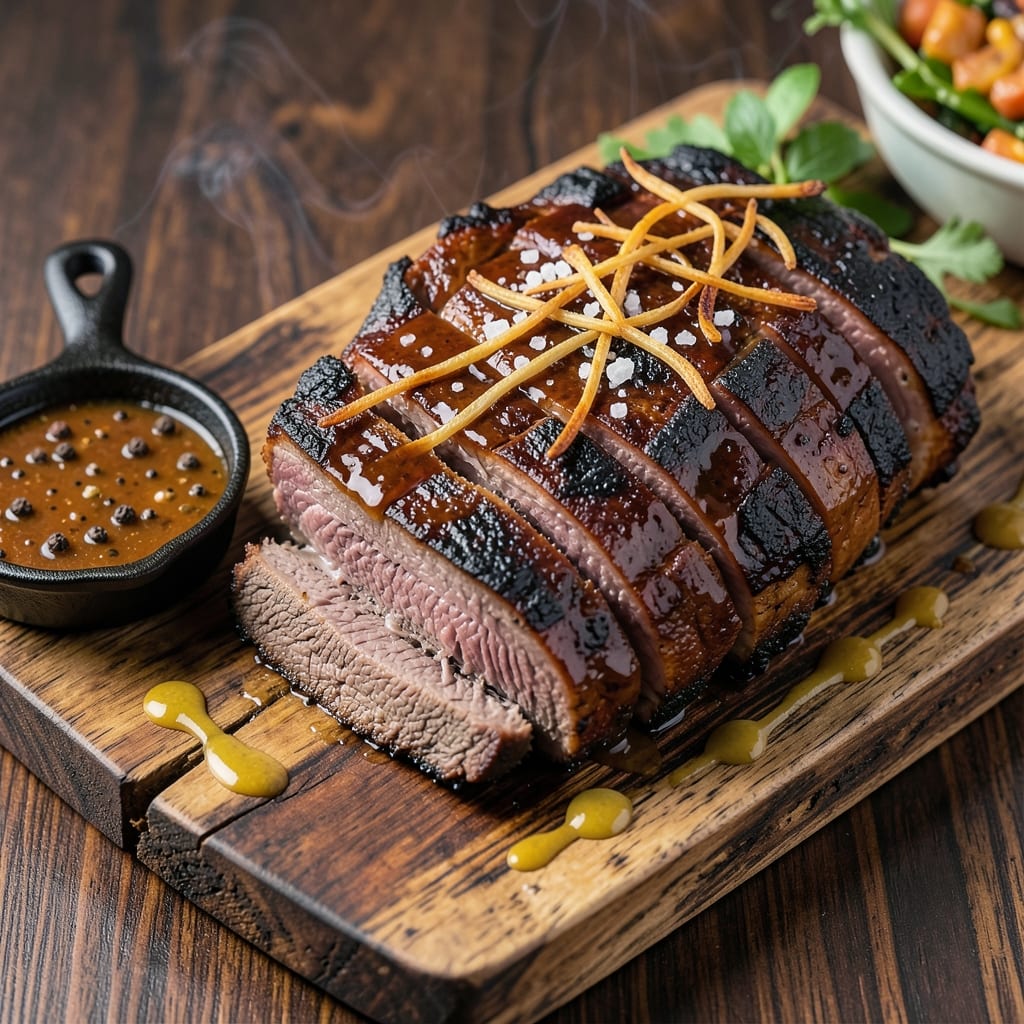
This BBQ pitmasters' beef brisket recipe delivers the kind of tender, bark-covered masterpiece that makes pitmasters nod in approval. After years of perfecting my technique—from the right wood choice to probe placement—I've cracked the code for restaurant-quality brisket at home. The secret? A 12-hour smoke with a Texas-style rub that develops that coveted dark mahogany bark while keeping the meat fork-tender inside.
What sets this recipe apart is the balance between tradition and precision. We start with a proper trim and brining to ensure even cooking, then apply a rub that's equal parts sweet, spicy, and smoky. Hickory wood provides that classic BBQ flavor, but the real magic happens when you master the stall—where you wrap the brisket in butcher paper at just the right moment to push through to 203°F internal temp. This isn't guesswork; it's pitmaster-level technique you can replicate.
By the time you slice into that brisket, you'll see what years of practice delivers: layers of dark, crackling bark that gives way to melt-in-your-mouth tenderness. The aroma alone will have everyone gathering around your smoker, and the first bite will silence any doubters. This is the kind of brisket that deserves a place at your holiday table or competition-style cookout.
The best part? Every step builds on the last—proper prep leads to perfect bark, precise temperature control ensures tenderness, and that final rest transforms the meat into something truly extraordinary. Whether you're feeding a crowd or treating yourself to a smoker date, this recipe delivers results that taste like they came from a legendary Texas pitmaster. Let's get started on mastering this classic.
Ingredients for bbq pitmasters beef brisket
Twelve hours of smoke, a perfect Texas-style rub, and one legendary brisket masterpiece.
| Ingredient | Amount | Notes |
|---|---|---|
| Beef Brisket (Packer Cut) 🥩 | 10 lb | Whole packer cut, fat cap intact |
| Yellow Mustard 🍯 | ½ cup | For brining solution |
| Brown Sugar (Light) 🍚 | 1 cup | Packed, for brining |
| Kosher Salt 🧂 | 1 cup | Diamond Crystal preferred |
| Black Peppercorns 🌶️ | 1 tbsp | Freshly cracked |
| Garlic Powder 🧄 | 2 tbsp | For Texas-style rub |
| Onion Powder 🧅 | 2 tbsp | For Texas-style rub |
| Smoked Paprika 🌶️ | 2 tbsp | For Texas-style rub |
| Ground Cayenne Pepper 🔥 | 1 tbsp | Adjust for heat preference |
| Granulated Sugar 🍚 | 1 tbsp | For Texas-style rub |
| Hickory Wood Chips 🌳 | 4 lb | Oak alternative if unavailable |
| Butcher Paper 📄 | 2 sheets | For wrap during stall |
| Beef Tallow or Vegetable Oil 🫒 | ¼ cup | For smoker application |
| Apple Cider Vinegar 🍎 | ¼ cup | For brining solution |
The brisket cut is everything here—packer cut with fat cap intact delivers that signature bark and moisture. If your butcher doesn't carry packer cuts, whole brisket with thick fat layer works too. Trim just the point to expose the meat, but leave that fat cap—it's your smoke shield. Costco and Whole Foods often carry pre-cut briskets, but for true pitmaster quality, seek out a local butcher who can source packer cuts. Look for bright red color and good marbling—this isn't the time for lean cuts. The brisket should weigh at least 10 pounds for proper bark development, though you can scale this up for larger crowds.
No hickory wood? Oak or pecan will work in a pinch, though purists argue hickory's that classic smoky punch. The rub is non-negotiable—this isn't just salt and pepper. That smoked paprika and cayenne combo creates that signature Texas bark. For the brine, Diamond Crystal kosher salt dissolves better than table salt. Pro tip: Mix your dry rub in a sealed container—it keeps for months. The butcher paper wrap during the stall? Don't substitute foil—it steams instead of allowing that beautiful bark to form. And if you're worried about the vinegar in the brine, don't be—it tenderizes without overpowering.
Brisket reheats beautifully—wrapped in butcher paper at 165°F for 30 minutes keeps it moist. Store leftovers in the fridge for 5-7 days, wrapped tightly in the same butcher paper. For freezing, portion into 1-pound servings and wrap individually—thaws perfectly for sandwiches. The rub? Make a double batch. You'll want it for ribs, chicken, and anything else you smoke. And that wood? Save the unused chips in a sealed container—they'll last for months, ready for your next smoker session.
Why You'll Love This Recipe
- Four-Hour Magic: Just set it and forget it—this brisket cooks low and slow while you handle the rest of your day. The packer cut stays juicy with that mustard rub, and honestly? The effort feels like a reward when you slice into tender perfection.
- Sweet-Savory Crust: That yellow mustard and brown sugar combo isn’t just flavor—it’s texture. The crust crackles like a campfire, while the peppercorns add a subtle kick that makes every bite feel like a pitmaster’s secret.
- Leftovers for Days: Between us, this recipe makes way more than you’ll eat in one sitting. Wrap the extras in foil, reheat them in the oven, and suddenly you’ve got a week’s worth of sandwiches or tacos without extra effort.
- Budget Feast: A packer cut stretches across meals, and the rub costs pennies. You’re feeding a crowd for less than takeout—plus, the leftovers taste even better the next day. My wallet and my family both approve.
Step-by-step instructions for smoking a Texas-style brisket
Here's the proven method pitmasters use for tender, bark-covered perfection every time.
Prepare the Brine for Maximum Flavor and Tenderness
In a large container or zip-top bag, combine the 10 lb beef brisket (packer cut), 0.5 cup yellow mustard, 1 cup brown sugar (light), 1 cup kosher salt, and 0.25 cup apple cider vinegar. The mustard helps distribute the brine evenly while the vinegar enhances tenderness. Make sure the brisket is completely submerged, turning occasionally to ensure full contact with the brine mixture.
Refrigerate for 24 hours, turning the brisket every 8 hours to maintain even exposure. This dry brine technique creates a perfect balance of moisture and seasoning without making the meat soggy. After brining, rinse the brisket under cold water and pat it completely dry with paper towels—this step is crucial for developing that coveted bark during smoking.
Create the Texas-Style Rub and Season Generously
In a medium bowl, combine 2 tbsp garlic powder, 2 tbsp onion powder, 2 tbsp smoked paprika, 1 tbsp ground cayenne pepper, 1 tbsp granulated sugar, and 1 tbsp freshly cracked black peppercorns. The sugar helps caramelize the rub for a deeper flavor, while the cayenne adds just enough heat to complement the smoky profile.
Generously coat the brined brisket with the rub, pressing it firmly into all surfaces—don't be shy, you want that flavor to penetrate. Let the seasoned brisket sit at room temperature for 1 hour before smoking. This resting period allows the rub to adhere properly and the meat to come to an even temperature, ensuring consistent cooking.
Set Up Your Smoker for Low and Slow Cooking
Fill your smoker with 4 lb hickory wood chips and preheat to 225°F. Maintain a consistent temperature throughout the cook—fluctuations can lead to uneven cooking. Once the smoker reaches temperature and you see clean, blue smoke (not white), it's ready. Apply 0.25 cup beef tallow or vegetable oil to the water pan if using one, as this helps maintain moisture in the smoker.
Place the brisket fat-side up on the smoker grate. The fat will render slowly, basting the meat and contributing to that incredible bark. Close the lid and resist the urge to open it frequently—every time you peek, you lose heat and moisture. This low-and-slow approach is key to achieving that perfect balance of tenderness and flavor.
Smoke Until Probe-Tender and Handle the Stall
Smoke the brisket for 6-8 hours until the internal temperature reaches 165-170°F. This is when you'll hit "the stall"—a period where the internal temperature plateaus as moisture evaporates. Don't panic; this is normal and expected. At this point, wrap the brisket tightly in 2 sheets butcher paper, leaving the fat cap exposed.
The butcher paper allows the brisket to breathe while retaining moisture, helping you power through the stall. Return the wrapped brisket to the smoker and continue cooking until the internal temperature reaches 203°F and a probe slides in like butter. This typically takes an additional 4-6 hours, but trust the probe test over the thermometer—tenderness is what matters most.
Rest and Slice for Maximum Juiciness
Once the brisket reaches the target temperature, remove it from the smoker and let it rest in the butcher paper for at least 1 hour. This resting period allows the juices to redistribute throughout the meat, ensuring every slice is moist and flavorful. For even better results, wrap the brisket in a towel and place it in a cooler for 2 hours.
After resting, locate the grain direction by looking for lines running through the meat. Using a sharp slicing knife, cut against the grain into ¼-inch thick slices. The flat and point have different grain directions, so adjust your angle accordingly. Serve immediately while still warm, and enjoy the fruits of your labor—each bite should deliver tender, smoky, and perfectly seasoned brisket.
Pro Tips For Making Bbq Pitmasters Beef Brisket
- Trim the Fat Cap: That thick layer of fat on the brisket’s point end isn’t just for show—it renders into flavor, but it’ll burn if left unchecked. Use a sharp knife to trim it down to about ¼-inch thick before smoking. I learned this the hard way when my first batch turned into a charred brick instead of tender perfection. ---
- Spritz Like a Pro: The mustard-brown sugar mix is your secret weapon, but don’t just dump it on. Use a spray bottle to mist the brisket every 45 minutes during the first 4 hours—keeps it sticky and caramelized without turning it into a soggy mess. (Yes, even if you’re impatient like me.) ---
- Probe the Flat, Not the Point: The flat cooks faster than the point, so always check doneness with a meat thermometer in the thickest part of the flat and the point. If the flat hits 195°F but the point’s still tough, wrap it in butcher paper and let it rest—your patience will pay off. ---
- Crust First, Then Rest: Once the bark forms (around 165°F internal temp), wrap the brisket in foil without tearing off the crust—just fold the foil around it. Then let it rest 5-10 minutes under foil before slicing. I skipped this once and got dry, stringy meat that made me swear off brisket for a week.
Flavor customization for this bbq pitmasters beef brisket
Sweet Heat Balance
Adjust the cayenne in your Texas-style rub to control the heat—1 tbsp gives a mild kick, while 2 tbsp delivers serious spice. I often halve the cayenne for family gatherings, then boost it to 1.5 tbsp for competitive BBQ events. The brown sugar in the rub caramelizes beautifully during smoking, creating a sweet contrast that balances the heat. For a sweeter profile, add 1 tbsp molasses to the rub—it deepens the smoky-sweet flavor while adding a subtle tang. 🔥
Smoky Depth Variations
Swap hickory wood for pecan or cherry chips to mellow the smoke flavor—both add fruitiness that pairs well with the rub. I love using half hickory, half oak for a balanced smoke profile that's less intense but still rich. For a bold twist, try mesquite chips (available at specialty stores) which add an earthy, almost coffee-like depth to the bark. Just remember: mesquite burns hotter, so reduce your cook time by 1-2 hours.
Herb-Infused Rubs
Add 1 tbsp dried thyme or 1 tbsp rosemary to your rub for a Mediterranean twist that pairs surprisingly well with BBQ flavors. I discovered this combo while foraging near the coast—fresh herbs add brightness that cuts through the richness. For a Southern-inspired variation, mix in 1 tsp ground coriander and ½ tsp mustard powder to complement the cayenne. The coriander adds a citrusy note that elevates the Texas-style profile. 🌿
Spice-Forward Options
For a Carolina-style kick, replace the smoked paprika with 1 tbsp chili powder and add ½ tsp ground cumin to the rub. This creates a deeper, earthier heat that works beautifully with brisket. I also love adding ½ tsp ground cinnamon for warmth—it might sound unusual, but it enhances the bark's complexity. For maximum heat, include 1 tsp chipotle powder in your rub mix. The smoky heat from chipotle complements the hickory perfectly.
Citrus Zest Finish
Brighten your brisket with 1 tbsp orange zest mixed into the rub—it adds a refreshing citrus note that balances the smokiness. I learned this trick from a coastal pitmaster who forages wild citrus near the shore. For a tropical twist, add 1 tsp ground ginger to the rub and serve with a side of mango chutney. The ginger's warmth complements the cayenne beautifully, while the mango adds a sweet contrast that keeps every bite interesting. 🍊
Nutrition facts
Frequently asked questions
Why does the recipe call for a 24-hour brine?
The extended brining ensures maximum tenderness and even seasoning throughout the thick brisket cut. The 24-hour dry brine with kosher salt and vinegar penetrates deeply, breaking down muscle fibers while preventing the meat from becoming mushy. This method creates that perfect balance of moisture and texture that separates competition-worthy brisket from average.
Can I use a different wood than hickory?
While hickory provides that classic BBQ flavor, oak or pecan work beautifully for a milder profile. For something different, try cherry wood (adds fruitiness) or mesquite (intense earthy notes). Just remember: mesquite burns hotter, so reduce your cook time by 1-2 hours. The key is consistency—stick with one wood type for the entire cook.
What's the best way to handle the stall?
The stall happens when the brisket hits 165-170°F—this is normal! Wrap it tightly in butcher paper (not foil) at this point to retain moisture while allowing the bark to develop. The paper lets the meat breathe while trapping steam, helping you push through to 203°F. Pro tip: Leave the fat cap exposed—it acts as a natural shield against over-moisture.
How do I know when the brisket is done?
Use both your thermometer and probe test. The internal temp should reach 203°F, but the real test is when a meat probe slides in like butter with no resistance. The bark should be dark mahogany with slight cracks, and the flat should pull away from the fat cap slightly. Never rely on time alone—every brisket cooks differently based on size and smoker conditions.
What if my smoker can't maintain 225°F?
Don't panic! If your smoker fluctuates, aim for 200-250°F range. The key is consistency—just keep the temp as stable as possible. For charcoal smokers, add more wood chips gradually. For electric smokers, check your heating element. The total cook time may extend, but the probe test will still determine doneness. Patience is everything in pitmaster cooking!