
Soups & Stews
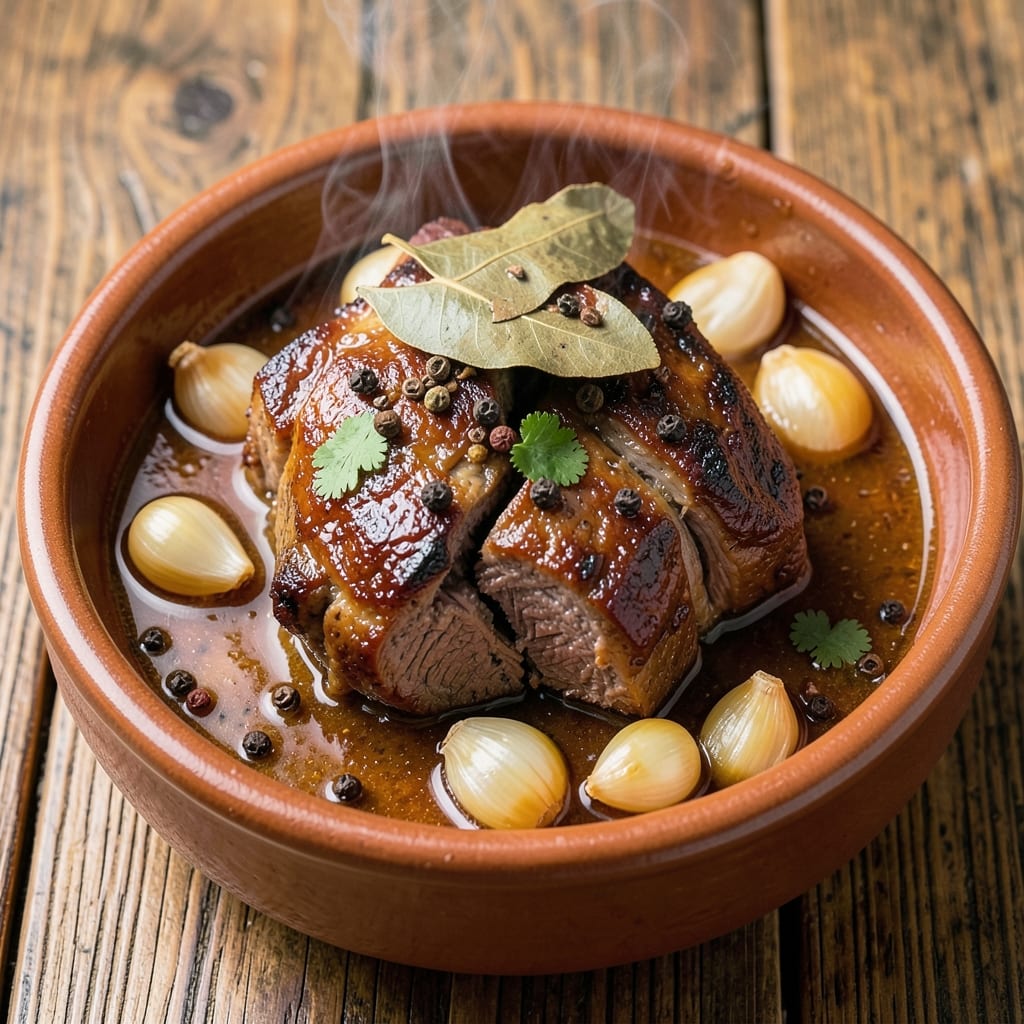
This Filipino-style beef adobo recipe delivers melt-in-your-mouth tender beef braised in a tangy-savory sauce that balances vinegar's sharpness with soy's depth. The secret lies in marinating the beef overnight, allowing the flavors to penetrate deeply before slow braising transforms tough cuts into fork-tender perfection. What makes this dish special is its simplicity—just a few pantry staples create a restaurant-quality meal that pairs perfectly with steamed rice.
The process begins with a flavorful marinade of soy sauce, vinegar, garlic, and bay leaves that tenderizes the beef while infusing it with rich, umami notes. After marinating, the beef cooks low and slow in its own juices, developing a glossy, caramelized sauce that clings to every bite. This traditional Filipino technique ensures maximum flavor extraction without requiring fancy equipment—just a heavy pot and patience.
By the time you're done, you'll have perfectly tender beef that falls apart at the touch of a fork, swimming in a glossy sauce that's both tangy and deeply savory. The aroma alone will have everyone gathering at the table, and each bite delivers that perfect balance of sweet, sour, and salty flavors that define Filipino comfort food.
Serve this beef adobo with steamed jasmine rice to soak up every last drop of that flavorful sauce. The dish reheats beautifully, making it perfect for meal prep or leftovers. Here's how to make this classic Filipino recipe at home with professional results.
Ingredients for beef adobo recipe filipino style
Pantry staples and a few key ingredients transform tough beef into restaurant-quality Filipino adobo.
| Ingredient | Amount | Notes |
|---|---|---|
| Beef Chuck Roast 🥩 | 2 lb | Cut into 1-inch cubes |
| Coconut Aminos 🥄 | ½ cup | Or substitute with soy sauce |
| White Vinegar 💧 | ½ cup | Distilled preferred for balance |
| Garlic Cloves 🧄 | 8 cloves | Minced for marinade |
| Bay Leaves 🌿 | 2 whole | Fresh preferred |
| Black Peppercorns 🌶️ | 1 tsp | Crushed for marinade |
| Olive Oil 🫒 | 2 tbsp | Extra-virgin for richness |
| Brown Sugar 🍯 | 2 tbsp | Light or dark preferred |
| Jasmine Rice 🍚 | 1 ½ cups | Uncooked, long-grain |
| Water 💧 | 3 cups | For rice cooking |
| Salt 🧂 | 1 ½ tsp | Kosher or sea salt |
| Green Onions 🧅 | 3 whole | Sliced for garnish |
The beef cut matters—chuck roast delivers that signature fall-apart texture, while sirloin stays too firm. Local butchers or Costco often carry it pre-cubed, saving time. For the vinegar, distilled white balances better than apple cider or balsamic. The garlic should be fresh—garlic powder won't deliver the same depth. Bay leaves add subtle earthiness, but if you're out, a pinch of dried thyme works in a pinch. I always toast the peppercorns in a dry pan for 30 seconds before crushing to deepen their aroma—trust me on this.
No coconut aminos? Soy sauce works perfectly, though the flavor will be slightly less complex. Substituting vinegar? White balsamic adds sweetness but loses some tang. For the sugar, coconut sugar or even honey (if non-vegan) can replace brown sugar, though the color will differ. The jasmine rice should be long-grain and unscented—basmati is a fine substitute if unavailable. If you're prepping ahead, marinate the beef for up to 48 hours in the fridge for maximum tenderness, but don't skip the overnight minimum.
This dish reheats beautifully—honestly tastes better the next day once the flavors meld. Store leftovers in an airtight container for up to 5 days in the fridge or 3 months frozen. For meal prep, portion the sauce and beef separately to reheat just the portions you need. The rice? Cook it fresh each time—leftover rice absorbs too much sauce and becomes gummy. Garnish with green onions right before serving to keep them vibrant, as they wilt quickly once chopped.
Why You'll Love This Recipe
- One-Pot Magic: I swear by this—just sear the beef, toss in the vinegar and coconut aminos, and let it simmer. No chopping onions, no fancy techniques, just boom, dinner’s done. The chuck roast stays tender while the sauce thickens into something rich and glossy.
- Tangy-Sweet Symphony: That balance of vinegar’s sharp bite and coconut aminos’ umami depth? It’s dangerously addictive. The garlic and bay leaves infuse the beef so deeply, every bite tastes like it’s been slow-cooked for hours—even if you’re short on time.
- Leftovers That Shine: Between us, this dish only gets better the next day. The flavors meld into something even richer, and it reheats like a dream. Pack it for lunch, freeze portions, or serve it cold over rice—it’s always a win.
- Budget Hero: Chuck roast is affordable, and coconut aminos stretch like crazy. A single batch feeds four for two meals, and the ingredients won’t break the bank. Honestly, it’s my go-to when I need hearty, satisfying food without the grocery shock.
Step-by-step instructions for beef adobo Filipino style
Master this classic Filipino technique for melt-in-your-mouth beef with rich, tangy depth.
🍳 Step 1: Sear the Beef Chuck Roast for Depth of Flavor
Heat the 2 tablespoons olive oil in a large Dutch oven over medium-high heat until shimmering. Working in batches if needed, add the 2 lb beef chuck roast cut into 1-inch cubes, ensuring they don't overcrowd the pan. Sear each piece for 2-3 minutes per side until they develop a deep golden-brown crust—this Maillard reaction builds the foundation for the rich adobo flavor.
As the beef browns, resist the urge to stir constantly. Let each piece develop its crust undisturbed, then gently flip with tongs. Once all pieces are seared to a deep mahogany color, remove them from the pot and set aside. The caramelized beef will infuse the final sauce with incredible depth, so don't skip this crucial step. If the oil starts smoking excessively, reduce the heat slightly to maintain control while still achieving that perfect sear.
👨🍳 Step 2: Build the Adobo Marinade with Aromatics
In the same Dutch oven, reduce the heat to medium and add the 8 cloves minced garlic cloves. Sauté for 30 seconds until fragrant and just beginning to turn golden—this prevents them from burning, which would create bitterness. Add the 2 whole bay leaves and 1 teaspoon crushed black peppercorns, stirring for 10 seconds to release their essential oils.
Pour in the 0.5 cup white vinegar and 0.5 cup coconut aminos, scraping up any browned bits from the bottom of the pot with a wooden spoon. These bits, called fond, contain concentrated flavor that dissolves into the marinade. Add the 2 tablespoons brown sugar and bring the mixture to a gentle simmer, allowing it to reduce by about half—this concentrates the flavors and creates a balanced sweet-tangy base for the adobo.
🥘 Step 3: Braise the Beef Until Fork-Tender
Return the seared beef to the Dutch oven and add 1.5 teaspoons salt and 3 cups water. The liquid should come about halfway up the sides of the beef cubes. Bring the mixture to a gentle boil, then immediately reduce the heat to low, cover with a tight-fitting lid, and let it simmer for 2.5 to 3 hours—this slow cooking transforms the tough chuck roast into fork-tender perfection.
Check the beef after 2 hours—it should be nearly falling apart when pierced with a fork. If it's not quite there yet, continue cooking for another 30 minutes. The sauce should reduce to a thick, glossy consistency that coats the back of a spoon. If it's too thin, uncover and simmer for an additional 15-20 minutes to achieve the ideal texture. The key is patience—the longer it braises, the more tender and flavorful the beef becomes.
🍚 Step 4: Prepare Jasmine Rice for Serving
While the beef braises, rinse the 1.5 cups jasmine rice under cold water until the water runs clear. This removes excess starch and prevents the rice from becoming gummy. In a separate pot, combine the rice with 3 cups water and bring to a boil. Once boiling, reduce the heat to low, cover, and simmer for 15 minutes—don't peek!—then turn off the heat and let it steam for another 10 minutes. The rice should be fluffy and slightly sticky, ready to soak up the rich adobo sauce.
Fluff the rice gently with a fork and set aside. The steam from the rice will help infuse the dish with its delicate floral aroma, complementing the bold flavors of the adobo. For best results, serve the rice directly in the pot it was cooked in, allowing guests to scoop up beef and sauce together.
🍽️ Step 5: Finish and Serve with Fresh Garnishes
Once the beef is fork-tender, remove the 2 bay leaves and discard them. Taste the sauce and adjust the seasoning if needed—add a splash more white vinegar for tanginess or a pinch of salt for balance. The sauce should be a perfect harmony of sweet, tangy, and savory notes with just the right amount of heat from the black peppercorns.
Slice the 3 whole green onions into ¼-inch pieces and stir them into the adobo along with the tender beef. Serve the beef adobo family-style over the jasmine rice, allowing everyone to mix their portions to taste. The contrast of the fluffy rice with the rich, tangy beef creates a dish that's both comforting and deeply satisfying—a true taste of Filipino home cooking.
Pro Tips For Making Beef Adobo Recipe Filipino Style
- Sear the Beef First: After slicing your chuck roast into thick strips, hit it with a screaming-hot pan—no oil needed. The protein’s own juices will render into a caramelized crust that cuts through the vinegar’s sharpness. I used to skip this, and the adobo always tasted flat until I realized the difference.
- Bloom the Garlic: Crush those cloves with the flat side of your knife, then let them sit in the hot pan for 30 seconds before adding vinegar. This releases their aromatic oils before they burn, giving your sauce a deeper, sweeter garlic punch. (Yes, even if you’re impatient like me.)
- Balance the Vinegar: Start with half the vinegar called for, simmer until it reduces by 25%, then add the rest. This keeps the sauce from tasting like a pickling liquid while still delivering that signature tang. I learned this the hard way—my first batch was basically beef in a vinegar bath.
- Use Two Bay Leaves: Tear one in half and drop it in during the initial sear, then add the other whole leaf when the sauce simmers. The torn leaf infuses faster, while the whole one releases flavor gradually. (Your future self will notice the difference.)
Common mistakes when making this recipe
Skipping the Marinade
I've seen many cooks rush through the overnight marinating step, thinking it's optional—but this is where the magic happens. The vinegar and coconut aminos need at least 8 hours (overnight is ideal) to break down the beef's connective tissue and infuse it with flavor. Without proper marinating, your beef will stay tough and the sauce will lack depth. Trust the process—this isn't just about flavor, it's about texture. 💪
Using the Wrong Beef Cut
Not all beef cuts work equally well for adobo. Sirloin or ribeye might look impressive but will stay firm and chewy. The chuck roast is specifically chosen because its high connective tissue content dissolves during braising, creating that signature fall-apart texture. If you're set on a different cut, look for something with marbling and connective tissue, like short ribs or brisket.
Overcrowding the Pot
When searing the beef, it's tempting to dump everything in at once—but this steams the meat instead of browning it. The Maillard reaction (what creates that deep flavor) requires space and high heat. Work in batches if needed, and give each piece 2-3 minutes per side to develop that golden crust. A large Dutch oven (like Lodge's 7-quart) is perfect for this recipe.
Ignoring the Fond
After searing the beef, those browned bits stuck to the bottom of your pot are called fond, and they're packed with flavor. When you deglaze with vinegar and coconut aminos, you're dissolving these flavor bombs into your sauce. Never scrape them out—use a wooden spoon to scrape them up as you pour in the liquids. This simple step elevates your sauce from good to restaurant-quality.
Rushing the Braising Time
Patience is key with adobo. While it's tempting to check the beef after 1 hour, it needs 2.5-3 hours of gentle simmering to become truly tender. The internal temperature should reach 203°F for perfect doneness. If you're short on time, consider using a pressure cooker (like Instant Pot) which can reduce cooking time to about 90 minutes—just monitor closely to avoid overcooking.
Skipping the Rice Preparation
The rice isn't just a side—it's an essential part of the experience. Jasmine rice should be rinsed thoroughly to remove excess starch, which prevents gummy texture. Cook it separately while the beef braises, and serve it hot and fluffy in the same pot. The steam from the rice enhances the dish's aroma, and the contrast with the rich beef creates the perfect balance. Don't skip this final touch—it makes all the difference! ✨
Nutrition facts
Frequently asked questions
Can I use regular soy sauce instead of coconut aminos?
Yes, you can substitute ½ cup soy sauce for coconut aminos, but the flavor will be slightly less complex. Coconut aminos add a subtle sweetness and depth that soy sauce alone can't match. If using soy sauce, consider adding 1 tablespoon brown sugar to compensate for the missing sweetness in the sauce.
How do I make this recipe without a Dutch oven?
Use a heavy-bottomed pot with a tight-fitting lid, like a stainless steel or cast-iron skillet. If your pot isn't deep enough, cover the beef with 1.5 cups water instead of 3 cups to prevent boiling over. The key is maintaining a gentle simmer—never let it boil vigorously, as this can make the beef tough.
Can I make beef adobo in an Instant Pot?
Sear the beef first in a separate pan, then transfer it to the Instant Pot with all marinade ingredients. Cook on high pressure for 40 minutes, followed by a 10-minute natural release. The beef should be tender, but check for doneness with a fork. The sauce may be thinner, so reduce it uncovered on the stove for 5-10 minutes afterward.
What should I serve with beef adobo besides rice?
Classic pairings include garlic fried rice, steamed vegetables (like bok choy or green beans), or eggplant adobo for a vegetarian side. For a heartier meal, add toasted garlic bread to soak up the sauce. The tangy-savory flavors also complement coconut-based dishes, like ginataang gulay (vegetables in coconut milk).
Why is my adobo sauce too thin or too thick?
If the sauce is too thin, simmer it uncovered for 10-15 minutes to reduce. For a thicker sauce, mash some of the beef with a fork or add 1 tablespoon cornstarch mixed with 2 tablespoons water, stirring until thickened. The ideal consistency should coat the back of a spoon but still be pourable. Adjust seasoning last—thickening agents can alter the balance of flavors.