
Soups & Stews
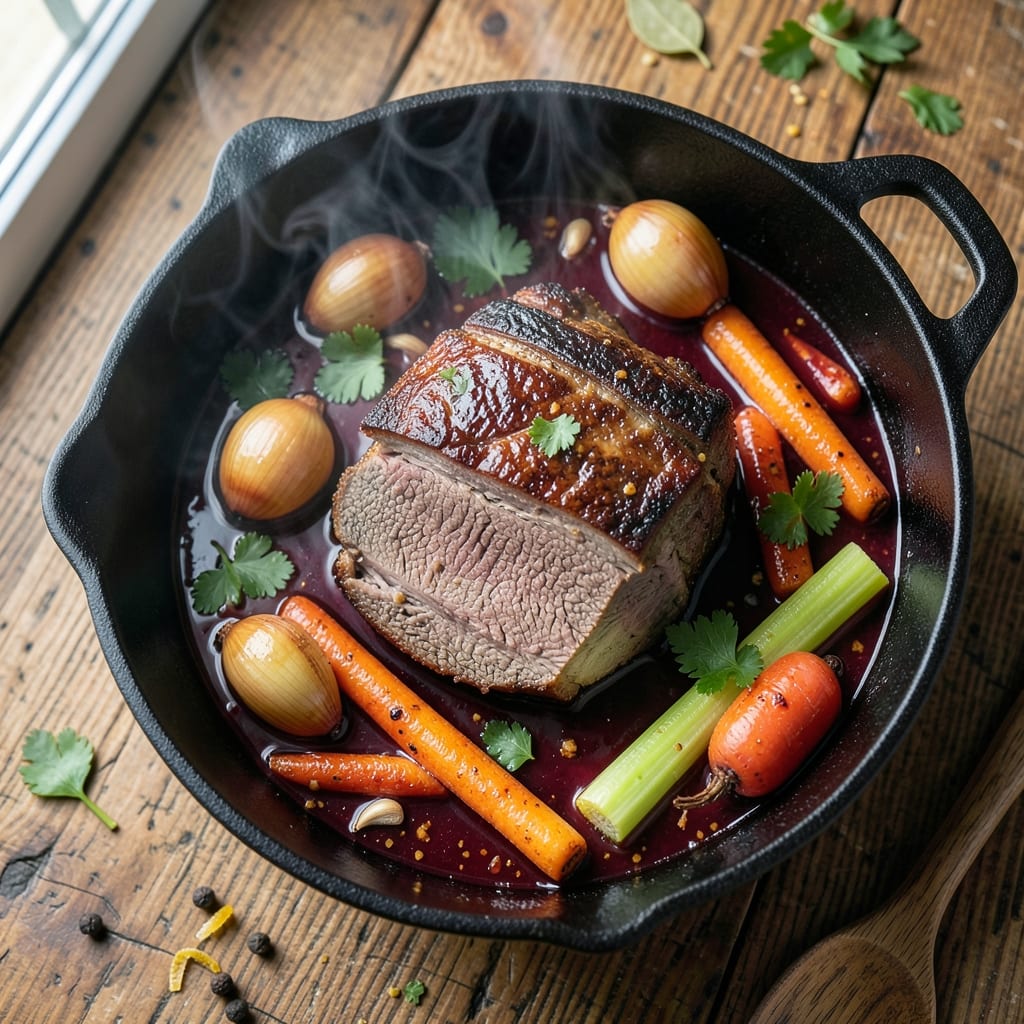
Gordon Ramsay's beef and ale stew delivers the kind of slow-braised richness that transforms tough cuts into melt-in-your-mouth perfection. The secret lies in proper searing and a long, low simmer that develops deep, caramelized flavors—exactly what makes this dish restaurant-worthy at home. I’ve recreated his signature technique, where every step matters, from the initial browning to the final reduction of that perfect ale sauce.
What sets this stew apart is the balance of techniques: searing the beef creates a flavorful crust, while deglazing the pan captures all those browned bits that form the stew’s foundation. The ale reduces slowly, intensifying its maltiness and creating a sauce that clings to each tender piece of beef. This isn’t just a stew—it’s a masterclass in slow cooking that rewards patience with every bite.
By the time it’s done, you’ll have fork-tender beef swimming in a velvety sauce with deep umami notes and just the right amount of tang from the ale. The aroma alone will have everyone gathering around the table, and the texture—crisp edges on the vegetables, melt-in-your-mouth beef—is pure comfort food at its finest.
Serve it with crusty bread to soak up every last drop of that rich sauce, or pair it with roasted root vegetables for a complete meal. The beauty of this recipe is that it only gets better the next day, making it perfect for meal prep or a Sunday dinner that feels like a celebration. Let’s get cooking—this is the kind of dish that turns a simple weeknight into something special.
Ingredients for beef and ale stew gordon ramsay
Sixteen ingredients, all working together for that legendary Ramsay stew texture and flavor.
| Ingredient | Amount | Notes |
|---|---|---|
| Chuck Roast 🥩 | 3 lb | Well-marbled, cut into 1.5-inch cubes |
| Yellow Onions 🧅 | 2 whole | Chopped into even 1/2-inch pieces |
| Carrots 🥕 | 4 whole | Cut into 1-inch chunks, peeled |
| Celery Stalks 🌿 | 4 whole | Cut into 1-inch pieces, trimmed |
| Garlic Cloves 🧄 | 6 cloves | Crushed, not minced |
| Dark Ale 🍺 | 2 cups | Full-bodied, like Guinness or Newcastle |
| Beef Stock 🥫 | 4 cups | Homemade or high-quality store-bought |
| Tomato Paste 🍅 | 2 tbsp | Smooth, not chunky |
| All-Purpose Flour 🌾 | 2 tbsp | For thickening sauce |
| Fresh Thyme 🌿 | 2 sprigs | Or 1 tsp dried thyme |
| Fresh Rosemary 🌿 | 1 sprig | Or 1/2 tsp dried rosemary |
| Bay Leaves 🌿 | 2 whole | Removed before serving |
| Olive Oil 🫒 | 2 tbsp | For searing beef |
| Kosher Salt 🧂 | 1 ½ tsp | Diamond Crystal preferred |
| Black Peppercorns 🌶️ | 1 tsp | Freshly cracked |
| Worcestershire Sauce 🥫 | 1 tbsp | Vegetarian if needed |
The beef is non-negotiable here—chuck roast with good marbling is what gives you that melt-in-your-mouth result. Costco or your butcher's counter will have the best cuts. Look for pieces with visible fat streaks throughout. If you're buying a whole roast, ask for it to be cut into 1.5-inch cubes—this ensures even cooking. The ale? Guinness or Newcastle are Ramsay's go-tos, but any full-bodied dark ale works. The key is the maltiness—skip the light lagers. For the vegetables, don't bother peeling the carrots if you're in a hurry, but trim the celery and onions thoroughly to remove any dirt.
No dark ale? Substitute with beef stock plus 1 tbsp soy sauce—it mimics the umami depth. Fresh herbs are ideal, but dried thyme and rosemary work at half the amount. The tomato paste can be that squeeze tube from Trader Joe's—it's perfect for this. For Worcestershire, if you're vegetarian, the Annie's brand is a solid choice. The beef stock? Homemade is best, but Kitchen Basics or Pacific Foods are reliable store-bought options. And if you're short on time, swap the fresh thyme and rosemary for 1 tbsp each of dried—just remember to toast the dried herbs in the pan for 30 seconds to wake up their flavors.
This stew tastes even better the next day—plan ahead. Store in an airtight container in the fridge for up to 5 days, or freeze for 3 months. I like to portion it into individual containers so I can grab a meal straight from the freezer. The sauce thickens as it cools, so you might want to add a splash of beef stock when reheating. And save those bay leaves—they're perfect for flavoring rice or grains later. The crusty bread? Store-bought sourdough from the bakery section works perfectly for soaking up that rich sauce.
Why You'll Love This Recipe
- Hands-Off Cooking: I swear by this recipe because the chuck roast does all the work—just brown it, toss in the onions, carrots, and celery, then let the ale and slow simmer turn tough meat into melt-in-your-mouth perfection. No stirring, no babysitting, just set it and forget it while you handle the rest of dinner.
- Ale Magic Unlocked: That dark ale isn’t just a flavor—it’s the secret weapon. The bitterness cuts through the richness of the beef, while the maltiness makes every bite ridiculously satisfying. Honestly, I’ve tried other stews, but this one? It’s the only one where I’ll finish my own bowl first.
- Weeknight to Weekend: Make a double batch on Sunday, and you’ve got lunches for the week—pack it in jars or reheat it straight from the fridge. It’s the kind of dish that works for a rushed Tuesday night or a cozy Saturday with crusty bread and a glass of the same ale you cooked it in. (Yes, even on a Tuesday night.)
- Budget Stew, Big Impact: A chuck roast is cheap, and this recipe stretches it into meals that taste like you spent hours. My grocery bill thanks me, but my taste buds? They’re the real winners—especially when I’m serving it to picky eaters who still ask for seconds. (Not the prettiest, but the taste makes up for it.)
Step-by-step instructions for beef and ale stew
Here's how to create a rich, slow-braised stew with deep flavors and tender beef every time.
Sear the Chuck Roast for Maximum Flavor
Heat a large Dutch oven over medium-high heat and add the 2 tablespoons olive oil. Once shimmering, add the 3 lb chuck roast in a single layer, working in batches if needed. Let it sear undisturbed for 3-4 minutes per side until deeply browned—this creates that crucial crust that locks in flavor.
I press down gently on the roast during the first minute to prevent curling, which ensures even contact with the pan. Once browned, remove the beef and set it aside on a plate. You'll notice the pan will have beautiful browned bits—this is the flavor foundation for your stew, so don't wipe it clean.
Build the Flavor Base with Vegetables and Aromatics
In the same Dutch oven, add the 2 whole yellow onions, 4 whole carrots, and 4 whole celery stalks, all chopped as specified. Cook them for 8-10 minutes, stirring occasionally, until softened and beginning to caramelize—this adds natural sweetness to your stew.
Add the 6 cloves crushed garlic, 2 sprigs fresh thyme, 1 sprig fresh rosemary, and 2 whole bay leaves. Stir for 30 seconds until fragrant, being careful not to let the garlic burn. This aromatic blend forms the flavor backbone of your stew, so don't rush this step.
Create the Rich Sauce Foundation
Sprinkle the 2 tablespoons all-purpose flour over the vegetables and stir vigorously for 1-2 minutes to cook off the raw flour taste. This creates a roux that will help thicken your stew beautifully. Pour in the 2 cups dark ale and scrape up all those browned bits from the bottom of the pan—this is where all the flavor hides.
Add the 4 cups beef stock, 2 tablespoons tomato paste, 1.5 teaspoons kosher salt, 1 teaspoon black peppercorns, and 1 tablespoon Worcestershire sauce. Bring to a gentle simmer, then return the beef to the pot, making sure it's submerged in the liquid. This is crucial for even cooking and maximum tenderness.
Slow-Braise Until Tender and Rich
Cover the Dutch oven and transfer it to a preheated 325°F oven. Let it cook for 2.5-3 hours until the beef is fork-tender and easily pulls apart. The liquid should have reduced slightly but still coat the beef nicely. Here's the thing—resist the temptation to peek or stir during this time as it can disrupt the cooking process.
After 2 hours, check the doneness by inserting a fork into the beef. If it slides in easily and the meat pulls apart with minimal resistance, it's ready. If not, return it to the oven for another 30-45 minutes. The stew should have a rich, velvety texture with deep, complex flavors from the slow cooking process.
Finish and Serve with Perfect Texture
Remove the stew from the oven and let it rest for 10 minutes before serving. This resting period allows the flavors to meld and the juices to redistribute throughout the beef. Remove and discard the bay leaves before serving, as they can be bitter if eaten.
Taste and adjust seasoning if needed—sometimes the ale adds enough saltiness that you might not need extra. Serve the stew hot, ladling it over crusty bread or mashed potatoes. The result should be a rich, hearty stew with melt-in-your-mouth beef and a deeply flavorful sauce that coats every bite.
Pro Tips For Making Beef And Ale Stew Gordon Ramsay
- SEAR THE ROAST FIRST: I learned this the hard way—skipping the sear makes the stew taste like it’s missing something. Get that chuck roast screaming hot in a dry pan for 3-4 minutes per side before adding liquid. The crust locks in flavor and makes the meat tender without drying it out.
- CHOP VEGETABLES UNIFORM: No one likes mushy carrots or tough celery in their stew. Cut everything—onions, carrots, celery—into even ½-inch chunks. The ale won’t penetrate uneven pieces, and you’ll end up with a stew where every bite has the same texture.
- DEGLAZE WITH ALE, NOT WATER: That browned bit on the pot? Don’t ignore it. Splash in ½ cup of the ale right after searing the meat and scrape hard—it’ll lift all the flavor. Water won’t cut it; the ale’s depth is what builds the stew’s richness.
- LET THE STEW WORK LONELY: After simmering, resist the urge to stir constantly. Cover and walk away for at least 20 minutes—this lets the meat break down evenly. I used to babysit it, and the result was always tougher beef. Trust the slow cook.
Serving suggestions for beef and ale stew gordon ramsay
Crusty Bread Essentials
This stew practically begs for a crusty, chewy bread to soak up every last drop of that rich ale sauce. I always reach for a baguette-style loaf from my local bakery—look for one with a deep golden crust and soft interior. If you're short on time, a sourdough from the grocery store's bakery section works beautifully too. The key is that thick, sturdy crust that can handle the hearty sauce without falling apart. 🥖
For extra flair, lightly toast the bread before serving—just 5 minutes in a 375°F oven until it's crispy on the outside but still soft inside. This enhances its ability to hold up to the stew while adding a subtle toasted flavor. If you're feeling fancy, split the bread open and rub the cut sides with a garlic clove before toasting for a quick, aromatic upgrade.
Roasted Root Vegetables
Roasted root vegetables make an excellent side that complements the stew's deep flavors. Toss parsnips, potatoes, and carrots (about 1 lb each) with 2 tbsp olive oil, 1 tsp salt, and ½ tsp black pepper, then roast at 400°F for 45-50 minutes until caramelized. The natural sweetness of the vegetables balances the stew's richness perfectly. 🥕
For a hands-off approach, use a sheet pan and roast everything together. If you're serving a crowd, consider making a large batch—these veggies reheat beautifully and can be prepped ahead of time. A sprinkle of fresh rosemary during roasting adds an aromatic touch that ties back to the stew's herbs.
Mashed Potatoes
Creamy mashed potatoes are a classic pairing that elevates this stew to restaurant-quality status. Use 2 lbs Yukon Gold potatoes, boiled until tender, then mashed with 4 tbsp butter, ¼ cup warm milk, 1 tsp salt, and ¼ tsp black pepper. For extra richness, fold in 2 oz cream cheese or a splash of beef stock from the stew. 🥔
To make it even more indulgent, top the mashed potatoes with a drizzle of gravy made from the stew's cooking juices. Simply strain the stew liquid, reduce it by half, and whisk in 1 tbsp cornstarch to thicken. This creates a luxurious sauce that ties the entire meal together.
Greens with a Tang
A bright, acidic green balances the stew's heartiness perfectly. I love sautéed kale or spinach with 1 tbsp lemon juice, 1 tbsp olive oil, and a pinch of salt. Cook for just 2-3 minutes over medium-high heat to maintain vibrant color and texture. The acidity cuts through the richness of the stew, cleansing your palate between bites. 🌱
For a more substantial side, try a simple arugula salad with 1 tbsp balsamic glaze and 1 tbsp shaved Parmesan. The peppery bite of arugula and the sweetness of balsamic create a perfect contrast to the stew's deep flavors. Serve it on the side or even as a garnish for the stew itself.
Wine and Beer Pairings
A full-bodied red wine like Cabernet Sauvignon or Malbec complements the stew's richness beautifully. The tannins in the wine stand up to the ale's maltiness, while the fruit notes enhance the beef's depth. If you prefer beer, stick with a dark lager or stout—the same malt profile as the stew's ale creates harmony. 🍷
For a non-alcoholic option, a sparkling apple cider adds a refreshing contrast. The effervescence cleanses your palate, while the apple's sweetness balances the stew's savory notes. If you're serving this for a dinner party, offer both wine and beer options to cater to different preferences.
Nutrition facts
Frequently asked questions
Can I substitute regular beer for dark ale in this recipe?
While you can use regular beer, it won't have the same rich maltiness that makes this stew special. For best results, use a full-bodied dark ale like Guinness or Newcastle. If you must substitute, try a dark lager or stout—just add 1 tbsp soy sauce to mimic the umami depth.
How do I know when the beef is fully tender?
The beef should pull apart easily with a fork—no resistance at all. Insert a fork into the thickest piece after 2 hours of cooking. If it slides in smoothly, it's ready. If not, return it to the oven for another 30-45 minutes. Overcooking can make it mushy, so check frequently.
Can I make this stew in a slow cooker instead of the oven?
Brown the beef first, then transfer everything to a slow cooker and cook on low for 7-8 hours or high for 4-5 hours. The texture will be slightly different but still delicious. Just add ½ cup beef stock if the sauce seems too thick at the end.
Why does my stew taste too salty?
Dark ale can be salty, and beef stock often contains added salt. Taste before serving and dilute with ½ cup warm water or beef stock if needed. For future batches, reduce salt by ½ teaspoon or use low-sodium stock. The key is to taste as you go!
How long can I store leftovers?
This stew tastes even better the next day! Store in an airtight container in the fridge for up to 5 days. For longer storage, freeze portions for 3 months. Reheat gently on the stove with a splash of beef stock to restore richness.