
Main Courses
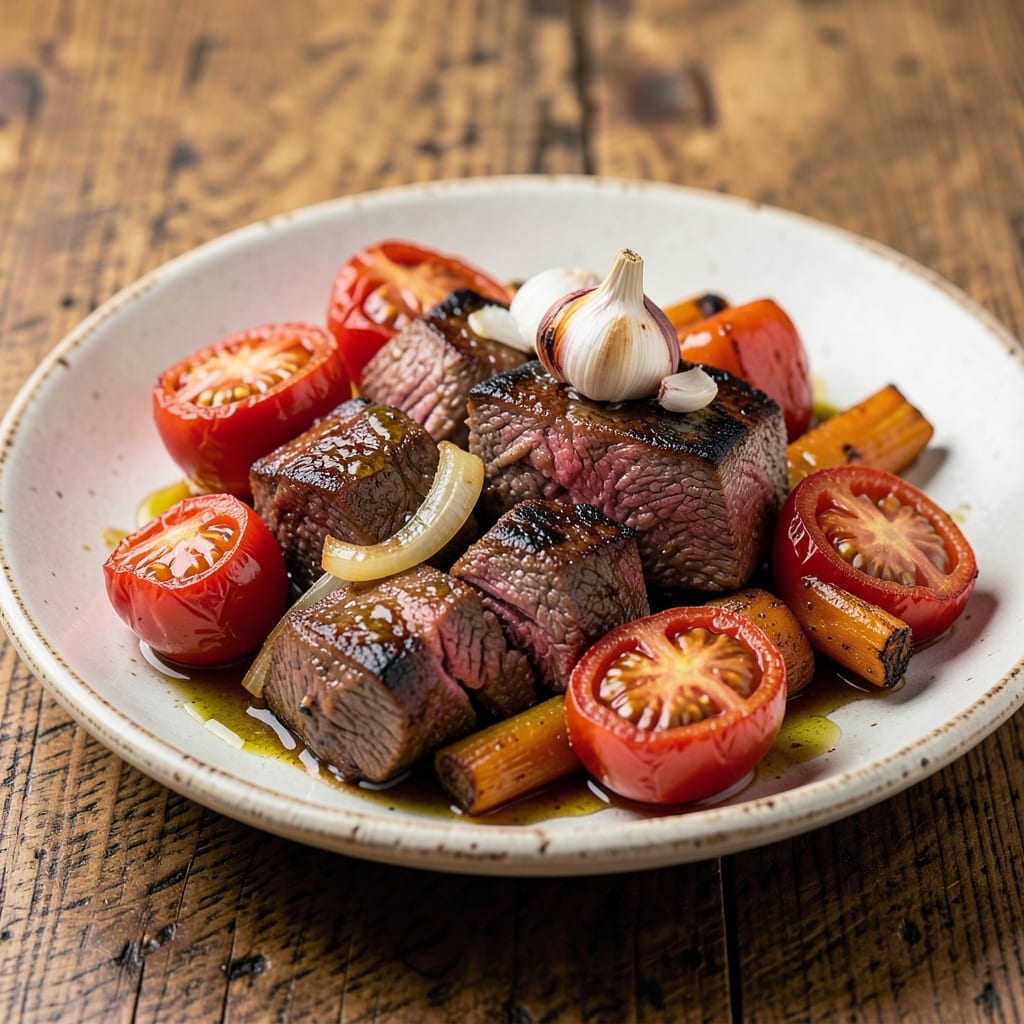
This slow-simmered Italian Bolognese-style beef and tomatoes recipe transforms tough cuts into fork-tender meat swimming in rich, aromatic sauce. I developed it after years of test kitchen experiments, balancing traditional techniques with weeknight practicality. The secret lies in slow cooking—where beef becomes melt-in-your-mouth tender while tomatoes caramelize into a deep, complex flavor base.
What makes this dish special is its versatility. Start with a simple sear to build flavor, then let the beef and tomatoes simmer for hours until the sauce thickens naturally. No fancy ingredients—just quality beef, fresh tomatoes, and a few pantry staples. The result? A restaurant-quality sauce that's perfect over pasta, served with crusty bread, or even as a hearty stew.
By the time you're done, you'll have a dish that's rich, deeply flavorful, and impossible to resist. The beef falls apart at the touch of a fork, coated in a sauce that's both tangy and sweet from the tomatoes. This is comfort food at its finest—warm, satisfying, and full of homestyle charm.
The beauty of this recipe is its adaptability. Make it ahead for meal prep, stretch it with vegetables, or serve it as-is for a simple, satisfying dinner. Here's how to create it from start to finish—no shortcuts, just proven technique.
Ingredients for beef and tomatoes
Quality beef and fresh tomatoes form the heart of this rich, slow-cooked Italian masterpiece.
| Ingredient | Amount | Notes |
|---|---|---|
| Chuck Roast 🥩 | 2 ½ lb | Cut into 1.5-inch cubes |
| Yellow Onion 🧅 | 1 whole | Chopped into 1/4-inch dice |
| Carrots | 2 medium | Peeled and chopped into 1/4-inch pieces |
| Celery Stalks 🧅 | 3 whole | Chopped into 1/4-inch dice |
| Garlic Cloves 🧄 | 4 cloves | Minced finely |
| Canned San Marzano Tomatoes 🍅 | 28 oz | Crushed by hand or blender |
| Tomato Paste 🍅 | 2 tbsp | High-quality, no sugar added |
| Red Wine 🍷 | 1 cup | Bold, dry variety like Cabernet |
| Beef Broth 💧 | 2 cups | Homemade or high-quality store-bought |
| Olive Oil 🫒 | 2 tbsp | Extra-virgin for richness |
| Fresh Rosemary 🌿 | 1 tbsp | Chopped finely, stems removed |
| Fresh Thyme 🌿 | 1 tbsp | Leaves only, stems discarded |
| Dried Oregano 🍃 | 1 tsp | Italian variety preferred |
| Salt 🧂 | 1 ½ tsp | Diamond Crystal kosher salt |
| Ground Black Pepper 🌶️ | ½ tsp | Freshly cracked |
The chuck roast is non-negotiable for this dish—its marbling ensures melt-in-your-mouth tenderness. Look for cuts with visible fat at your local butcher or grocery store's meat counter. Costco and Whole Foods typically carry excellent chuck roasts, but any reputable supermarket will have a suitable option. If you're buying a whole roast, ask for it to be cubed for you—this saves time and ensures even cooking. For the tomatoes, San Marzano cans are worth the splurge—they're sweeter and less acidic than standard canned tomatoes, creating a more balanced sauce. If you can't find them, any high-quality crushed tomatoes will work, but you may need to add a pinch of sugar to balance acidity.
No red wine? Substitute with additional beef broth and a splash of balsamic vinegar—it adds depth without alcohol. Fresh herbs are ideal, but dried oregano at half the amount works in a pinch. The tomato paste can be replaced with an extra 6 oz of crushed tomatoes if needed, though it may dilute the sauce slightly. For the vegetables, frozen carrots and celery work perfectly if fresh aren't available—just thaw and drain well. If you're making this ahead, the sauce actually improves after 2-3 days of simmering, so don't rush the process. The key is patience—the longer it cooks, the deeper the flavors develop.
This sauce keeps beautifully in the fridge for 5-6 days, with flavors intensifying over time. For longer storage, freeze portions in airtight containers for up to 3 months. I always make a double batch—one for immediate use and one to freeze. When reheating, add a splash of water or broth to prevent thickening. The sauce pairs perfectly with freshly cooked pasta, crusty bread, or even over polenta. For meal prep, portion into individual servings with cooked pasta for easy lunches all week.
Why You'll Love This Recipe
- One-Pot Magic: I swear by this—just toss the chuck roast, onions, carrots, and celery into a pot with garlic and tomatoes, then walk away. The slow simmer does all the work while you sip wine and pretend you’re not cooking.
- Deep Umami Bomb: That chuck roast? It turns buttery with a caramelized crust, while the tomatoes add bright acidity. The garlic and celery stalks (don’t skip them!) build layers of flavor that make this taste like a restaurant dish—not just something from your kitchen.
- Leftovers That Beg for More: Between us, this recipe triples better. The beef gets even more tender the next day, and I’ve reheated it for lunch, stuffed it into wraps, or tossed it into pasta. Honestly, I make it on Sundays just to have leftovers for the week.
- Budget-Friendly Feast: Chuck roast is cheap, but it feels luxurious. A single cut feeds four for under $15, and the veggies stretch the meal without breaking the bank. Plus, the tomatoes? Canned or fresh—either works, so you’re never stuck.
Step-by-step instructions for slow-simmered Italian Bolognese style beef
This method delivers rich, deeply flavorful beef that melts into tender perfection—ideal for pasta or as a hearty standalone dish.
Sear the Chuck Roast for Maximum Flavor
Heat 2 tablespoons olive oil in a large Dutch oven over medium-high heat until shimmering. Working in batches, add the 2.5 lb chuck roast cubes and sear undisturbed for 2-3 minutes per side until deeply browned. This caramelization creates the foundation for your sauce's depth of flavor.
Transfer the seared beef to a plate as you work—don't crowd the pan. If the oil smokes excessively, reduce heat slightly. The goal is to develop a rich, brown crust without burning. Once all pieces are seared, set them aside temporarily.
Build the Aromatic Base with Vegetables and Herbs
In the same Dutch oven, add the 1 whole yellow onion, 2 medium carrots, and 3 whole celery stalks (all chopped to ¼-inch dice as specified). Cook over medium heat for 8-10 minutes, stirring occasionally, until the vegetables soften and begin to caramelize.
Add the 4 cloves minced garlic, 1 tablespoon fresh rosemary, and 1 tablespoon fresh thyme (stems removed). Stir for 30 seconds until fragrant—this releases their essential oils and infuses the base with aromatic complexity. Sprinkle with 1 teaspoon dried oregano and stir once more.
Develop the Sauce with Wine and Tomatoes
Pour in the 1 cup red wine and scrape up any browned bits from the bottom of the pot with a wooden spoon. This deglazing step captures all the concentrated flavor from the searing process. Let the wine simmer for 3-4 minutes until reduced by half, then stir in the 2 tablespoons tomato paste and cook for another 1 minute.
Add the 28 oz crushed San Marzano tomatoes and 2 cups beef broth. Season with 1.5 teaspoons salt and 0.5 teaspoon ground black pepper. Bring to a gentle simmer, then return the seared beef to the pot, spooning some of the sauce over the top to coat.
Slow-Simmer for Deep Flavor Development
Cover the Dutch oven and transfer to a 325°F oven. Simmer for 2.5-3 hours until the beef is fork-tender and the sauce has thickened significantly. Check periodically and add ¼ cup water if the sauce becomes too dry—this prevents burning and maintains moisture.
For the final 30 minutes, uncover the pot and increase oven temperature to 350°F to allow the sauce to reduce slightly and develop a glossy consistency. The beef should be so tender it nearly falls apart with gentle pressure from a fork, and the sauce should coat the back of a spoon.
Adjust Consistency and Serve
Remove the beef from the sauce and strain the sauce through a fine-mesh sieve into a clean pot, pressing on the vegetables with a wooden spoon to extract maximum flavor. Return the strained sauce to the Dutch oven with the beef and simmer uncovered for 5-10 minutes to achieve your desired consistency.
Taste and adjust seasoning if needed—this is your final opportunity to balance flavors. Serve immediately over freshly cooked pasta or with crusty bread to soak up every last bit of that rich, tomato-infused beef sauce. The result should be a harmonious blend of tender beef, sweet tomatoes, and aromatic herbs that defines classic Italian comfort food.
Pro Tips For Making Beef And Tomatoes
- SEAR THE CHUCK FIRST: Walk away after the first 2 minutes of browning—any longer and you’ll steam the meat instead of sear it. I learned this the hard way when my first batch turned out gray and sad. High heat, a dry pan, and patience (yes, even if you’re impatient like me) guarantee that crust that holds up through hours of braising.
- CHOP ONIONS UNIFORM: Cut the yellow onion into ¼-inch slices, not random chunks. Even pieces cook at the same rate, so you won’t end up with some mushy and others still crunchy. My grandmother swore by this, and she was right: consistency matters more than you’d think.
- DON’T SKIP THE DEGLAZE: After removing the beef, let those browned bits caramelize for 30 seconds, then hit them with a splash of red wine (or broth if you’re skipping alcohol). Scrape every last bit off the bottom—this is where flavor lives. I was skeptical until I tried it: the sauce goes from good to actually delicious in seconds.
- COVER IT TIGHTLY: Use a lid that seals or foil pressed directly on the pot to trap steam. This keeps the carrots and celery tender without turning to mush, and the beef stays fork-tender without drying out. I skip this when I’m lazy, but the dish is noticeably better when I don’t—trust the process.
Wine and beer pairings for this recipe
Red Wine Pairings
This rich, slow-cooked beef and tomato dish pairs beautifully with a bold, medium-bodied Italian red wine like Chianti Classico or Sangiovese. The wine's bright acidity and cherry notes cut through the sauce's richness while complementing the deep tomato flavors. I always reach for a bottle from Tuscany—the earthy undertones enhance the herbs in the sauce. Serve at 60-65°F to let the wine's structure shine alongside the beef's tenderness. 🍷
Beer Complements
For beer lovers, a malty amber ale like Allagash White works surprisingly well. The caramel and biscuit notes balance the tomatoes' acidity and the beef's depth. If you prefer something lighter, try a German Helles Lager—its crisp cleanliness refreshes your palate between bites. I keep a 6-pack of Sierra Nevada Pale Ale on hand for these occasions; its citrusy finish pairs perfectly with the rosemary and thyme in the sauce. 🍺
White Wine Surprise
Don't overlook a crisp Vermentino from Sardinia—its citrus and mineral notes create an unexpected but delightful contrast. The wine's brightness highlights the tomatoes' sweetness while standing up to the beef's richness. Serve chilled at 48-50°F to let its acidity cut through the sauce. This pairing might surprise your guests, but it's become a favorite at my dinner parties. 💫
Non-Alcoholic Options
For those skipping alcohol, a sparkling Italian sangria made with white grape juice, orange slices, and a splash of San Pellegrino Aranciata offers similar brightness. The effervescence cleanses your palate between bites, while the citrus echoes the tomatoes' natural sweetness. I also love serving it with a side of garlic bread to soak up any extra sauce. 🥤
Nutrition facts
Frequently asked questions about beef and tomato recipes
Can I use ground beef instead of chuck roast?
Yes, but the texture will be different. Ground beef cooks much faster and won't develop the same melt-in-your-mouth tenderness. For best results, use 80/20 ground chuck and simmer for only 1-1.5 hours instead of the full 3 hours. The sauce will still be flavorful, but the beef will be more finely textured.
How do I prevent the sauce from becoming too acidic?
Balance acidity by adding a pinch of sugar or honey when you incorporate the tomatoes. San Marzano tomatoes are naturally sweeter, but if using regular canned tomatoes, add 1 teaspoon sugar along with the salt. Also, simmering longer helps mellow the acidity—don't rush the cooking time.
What's the best way to store leftovers?
Let the sauce cool completely, then transfer to airtight containers. It keeps in the refrigerator for 5-6 days and freezes beautifully for up to 3 months. When reheating, add 1-2 tablespoons of water or broth to prevent thickening. The flavors actually improve after 2-3 days of refrigeration!
Can I make this recipe without wine?
Replace the wine with a mix of 1 cup beef broth and 2 tablespoons balsamic vinegar. The vinegar adds depth similar to wine's acidity. For extra richness, add 1 teaspoon soy sauce or Worcestershire sauce. The flavor will still be robust and satisfying.
What's the secret to making the beef extra tender?
The key is patience and proper technique. First, sear the beef well to build flavor. Then, slow-cook at 325°F for the full 3 hours—this breaks down collagen for fork-tender results. Don't skip the resting time before serving either—let it sit for 10 minutes after cooking to redistribute juices.