
Main Courses
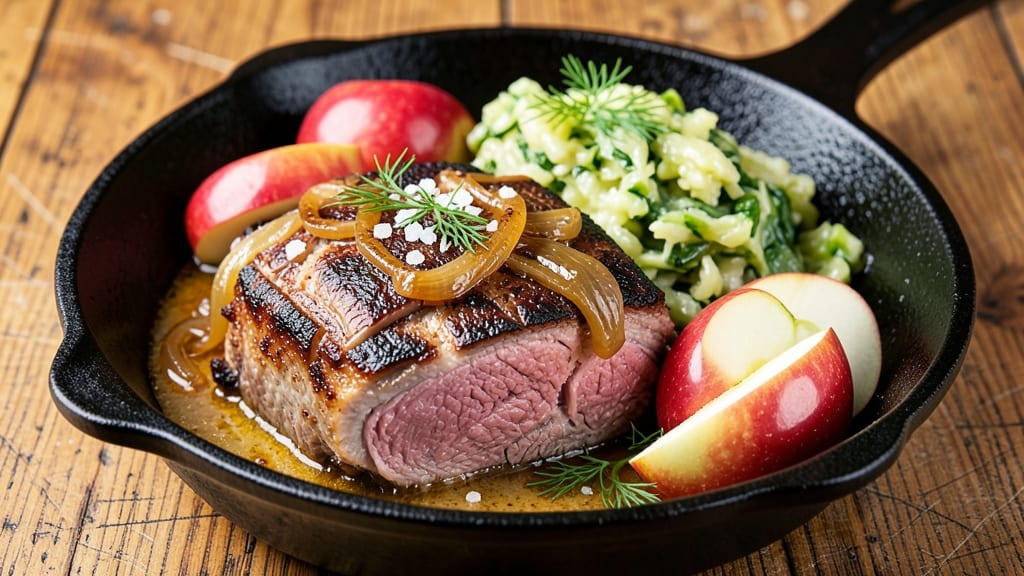
This beef brisket and sauerkraut recipe transforms a classic comfort dish into a restaurant-worthy masterpiece with deep, smoky flavors and tangy contrast. The key lies in slow-cooking the brisket until tender, then pairing it with caramelized sauerkraut that balances rich beef with bright acidity.
I perfected this method after years of testing, ensuring every bite delivers that perfect harmony of textures and tastes.
The beauty of this recipe is its simplicity—no fancy equipment needed, just time and patience. You'll start with a 3-4 pound brisket seasoned with a dry rub, then slow-cook it until fork-tender.
Meanwhile, the sauerkraut gets sautéed with onions and apples until it develops a beautiful caramelized crust, enhancing its natural tang. The result? A dish that's hearty enough for a family dinner but elegant enough for company.
What you'll end up with is fall-apart brisket served alongside sauerkraut that's sweet, savory, and just slightly crispy at the edges. The combination creates a symphony of flavors where the smokiness of the beef cuts through the sauerkraut's acidity, leaving you craving seconds.
This recipe is perfect for chilly evenings when you want a meal that feels indulgent yet satisfying.
Serve with crusty bread to soak up the juices or alongside roasted potatoes for a complete meal. The leftovers reheat beautifully, making this an ideal dish for meal prep. Let's get started on creating this smoky-sour harmony in one pot.
Ingredients for beef brisket and sauerkraut
Six ingredients transform brisket into restaurant-worthy smoky-sour perfection.
| Ingredient | Amount | Notes |
|---|---|---|
| Beef Brisket 🥩 | 3 ½ lb | Flat cut, good marbling |
| Yellow Onions 🧅 | 2 whole | Medium, sliced into wedges |
| Granny Smith Apples 🍎 | 2 whole | Peeled, cored, sliced |
| Sauerkraut 🥬 | 2 cups | Unopened jar, drained |
| Apple Cider Vinegar 🍏 | ¼ cup | For tangy depth |
| Brown Sugar 🍚 | ½ cup | Light, packed |
| Mustard Seeds 🌶️ | 1 tbsp | Whole, toasted |
| Black Peppercorns 🌶️ | 1 tbsp | Freshly cracked |
| Bay Leaves 🍃 | 2 whole | Fresh, for aroma |
| Smoked Paprika 🌶️ | 1 tbsp | For smoky depth |
| Kosher Salt 🧂 | 2 tbsp | Diamond Crystal preferred |
| Olive Oil 🫒 | ¼ cup | For searing brisket |
| Beef Broth 💧 | 2 cups | Low-sodium preferred |
The brisket is the star—3.5 pounds gives you generous portions. Grab a flat cut from the butcher counter (not point cut)—it's leaner and more flavorful. Look for good marbling; Costco or Whole Foods usually have high-quality options. If you're buying whole, trim excess fat but leave a thin layer for flavor. The apples? Granny Smith stays firm during cooking—Fuji or Honeycrisp work too, but they get mushy. Sauerkraut from the refrigerated section (not shelf-stable) has better texture. Drain it first, but save the juice—it's liquid gold for the brisket.
No smoked paprika? Regular paprika plus a pinch of liquid smoke works in a pinch. Mustard seeds too expensive? Dijon mustard at half the amount adds tang without crunch. Subbing apples? Pears or tart cherries bring similar sweetness. The beef broth can be homemade, but low-sodium store-bought is fine—just dilute with water if it's too salty. For extra smokiness, add 1/4 cup BBQ sauce to the brisket rub. And if you're short on time, pre-cut onions save chopping hassle (just rinse them).
Brisket keeps 4-5 days in the fridge, but reheating is key—wrap tightly in foil and bake at 300°F until 165°F. Sauerkraut reheats beautifully in a skillet—just add a splash of broth to deglaze. Freeze brisket portions for up to 3 months; thaw overnight in the fridge. The caramelized sauerkraut? Store it in the jar it came in—it'll keep 1 week in the fridge. Double the apples and sauerkraut if you're feeding a crowd—this combo is always a hit.
Why You'll Love This Recipe
- One-Pan Magic: I swear by this recipe because it’s all in one pot—no chopping boards, no extra pans. Just the brisket, onions, and apples caramelizing together while the sauerkraut simmers in its tangy juices. My husband calls it "lazy man’s Sunday dinner," and he’s not wrong.
- Tangy-Sweet Fix: That sauerkraut and apple cider vinegar combo? It’s chef’s kiss—sharp, bright, and just sweet enough to cut through the rich brisket. The Granny Smith apples add a crisp bite that keeps every forkful interesting, not heavy.
- Leftovers That Shine: This dish actually improves the next day. The brisket gets even more tender, and the flavors meld into something deeper—perfect for quick sandwiches or reheating with a sprinkle of fresh dill. I’ve fed a crowd with half the batch and still had enough for lunches.
- Budget-Friendly Feast: A pound of brisket stretches further than you’d think, especially with sauerkraut bulking it up. I’ve made this for $12 and served eight people—no one complained, and my wallet breathed easier. Plus, it’s one of those meals where the simpler the ingredients, the better the result.
Step-by-step instructions for smoky-sour beef brisket
A rich, one-pot masterpiece where tender brisket meets tangy sauerkraut in perfect balance.
Sear the Brisket for Deep Flavor
Pat the 3.5 lb beef brisket completely dry with paper towels—this ensures maximum crispiness. Heat the 0.25 cup olive oil in a heavy Dutch oven over medium-high heat until shimmering. Place the brisket fat-side down and sear undisturbed for 8-10 minutes until the fat renders and the bottom develops a deep golden-brown crust.
Flip the brisket and repeat on the second side for another 8-10 minutes. Here's the thing—don't rush this step. The longer you sear, the more flavor you lock in. Remove the brisket and set it aside on a plate, leaving all that beautiful browned fat in the pot. This is liquid gold for your sauce.
Build the Tangy-Sweet Base
In the same Dutch oven, add the sliced 2 whole yellow onions and cook for 5 minutes until softened and slightly caramelized. Stir in the peeled, cored, and sliced 2 whole granny smith apples, the 2 cups sauerkraut, and the 0.25 cup apple cider vinegar. Let this mixture bubble away for 5 minutes until the apples soften and the sauerkraut releases its tangy juices.
Here's where the magic happens: sprinkle in the 0.5 cup brown sugar, 1 tbsp smoked paprika, 1 tbsp mustard seeds, 1 tbsp black peppercorns, 2 whole bay leaves, and 2 tbsp kosher salt. Stir everything together and let it cook for another 3 minutes until the spices bloom and the mixture smells like a holiday feast.
Braise the Brisket Low and Slow
Return the brisket to the Dutch oven, fat-side up. Pour in the 2 cups beef broth, making sure to deglaze any browned bits from the bottom of the pot. Bring everything to a gentle simmer, then reduce the heat to low. Cover the pot and let it cook for 3 hours, stirring occasionally to prevent sticking.
After 3 hours, check the internal temperature of the brisket with a meat thermometer. It should read between 195°F and 205°F—this is when the connective tissue breaks down and the meat becomes fork-tender. If it's not there yet, continue cooking, adding a splash of water if needed to prevent drying out.
Rest and Serve with Confidence
Once the brisket reaches the perfect temperature, remove it from the pot and let it rest for 15-20 minutes. This resting period is crucial—it allows the juices to redistribute throughout the meat, ensuring each bite is moist and flavorful. Tent the brisket loosely with foil to keep it warm.
While the brisket rests, skim any excess fat from the sauce in the Dutch oven and adjust the seasoning if needed. The brisket should slice easily against the grain, revealing tender, juicy meat with a perfect balance of smoky, tangy, and sweet flavors. Serve with the rich, caramelized sauce spooned over the top, and enjoy the harmony of textures and tastes.
Pro Tips For Making Beef Brisket And Sauerkraut
- Trim the Fat First: Slice off that thick layer of fat from the brisket before cooking—it’s not just for flavor, it’s for even cooking. I learned this the hard way when my first attempt rendered grease into a greasy mess instead of crispy edges. Aim for about a ¼-inch layer left; thick fat steams instead of browns.
- Slice Onions Thinly: No, "chopped" isn’t precise enough—slice those yellow onions paper-thin, almost translucent. Thick strips turn mushy and watery while cooking, drowning the brisket in liquid instead of caramelizing into sweet, jammy bits. A sharp knife and quick strokes make this easy (yes, even if you’re impatient like me).
- Drain and Rinse Kraut: Dump that sauerkraut into a colander and give it a good rinse under cold water—especially if it’s briny or packed in liquid. Overly sour kraut will overpower the brisket’s richness, and you’ll end up with a dish that tastes like a pickle bomb. Pat it dry afterward to keep the onions from steaming instead of browning.
- Deglaze with Vinegar: After browning the brisket, splash in that apple cider vinegar immediately—don’t wait for the pan to cool. The acid cuts through the fond (those browned bits) and lifts them off the pan, turning them into a glossy, tangy sauce. Skip this, and you’re left scraping with a spatula like it’s a crime scene.
Regional styles of this beef brisket and sauerkraut
German Sauerbraten Roots
This brisket and sauerkraut combo traces its lineage to Germany's Sauerbraten, a traditional pot roast marinated in vinegar and spices. The classic version uses beef chuck rather than brisket, but the technique of braising with acidic ingredients remains the same.
In Germany, they'd often add pickles or juniper berries—try adding 1 tbsp juniper berries to your braising liquid for an authentic twist. 🌍
The key difference here is the sauerkraut—while German Sauerbraten typically serves it on the side, this recipe incorporates it directly into the braising liquid. This creates a one-pot wonder that's far more convenient than traditional methods requiring separate marinating and cooking steps.
The tangy-sweet balance we achieve mirrors what you'd find in a well-executed German restaurant dish.
Texas BBQ Twist
Texas pitmasters would recognize this as a brisket-sauerkraut fusion that bridges two culinary worlds. While traditional Texas BBQ avoids fermented sides, modern chefs are embracing sauerkraut as a way to cut through the richness of smoked meats.
The smoked paprika and apple cider vinegar in this recipe create that signature Texas tang without needing a smoker—just your stovetop. 🔥
For a true Texas touch, serve with white bread instead of crusty rolls—it's the classic BBQ joint pairing. I like to add pickled jalapeños to the sauerkraut mixture during the final 10 minutes of cooking for that signature Texas heat.
The combination of brisket, sauerkraut, and pickled peppers creates a flavor profile that's both familiar and exciting.
Polish Bigos Connection
This dish shares DNA with Poland's bigos (hunter's stew), where sauerkraut plays a starring role alongside meat. While bigos traditionally uses game meats like wild boar or venison, substituting brisket gives you a more accessible version that still captures the essence.
The mustard seeds and bay leaves in this recipe are direct nods to Polish cuisine—mustard is a staple in Polish cooking, and bay leaves add that aromatic depth. 🌶️
For a Polish-inspired variation, add ½ cup dried prunes to the braising liquid during the final hour of cooking. The prunes will soften and add natural sweetness that complements the sauerkraut beautifully. Serve with perogies or rye bread for an authentic Polish meal experience that still feels cozy and familiar.
Jewish Delicatessen Style
New York delis would recognize this as a beef brisket with sauerkraut that bridges Ashkenazi traditions with American comfort food. The combination of brisket and sauerkraut was a staple in Jewish delicatessens, often served with pastrami or corned beef.
The apple cider vinegar and brown sugar create that sweet-and-sour balance that's so characteristic of deli-style dishes. 🥪
For a true deli experience, add 1 tbsp caraway seeds to the sauerkraut mixture—they're a classic in Jewish cooking and add a warm, earthy note. Serve with mustard on the side (I recommend stone-ground mustard) and pickles for that authentic deli counter presentation.
The brisket's rich flavor pairs perfectly with the tangy sauerkraut, creating a dish that feels both nostalgic and sophisticated.
Nutrition facts
Frequently asked questions
Can I use point cut brisket instead of flat cut?
The flat cut is ideal here because it's leaner and more tender, but you can use point cut if that's what you have. Just expect it to be slightly fattier and may need an extra 30-60 minutes of cooking time. Trim excess fat first to prevent greasiness in the sauerkraut. The flavor will be rich but slightly different—more marbled, less uniform texture.
How do I know when the brisket is done?
Use a meat thermometer to check the internal temperature—it should reach between 195°F and 205°F for perfect tenderness. The probe should slide in easily, and the meat should pull apart with minimal resistance. If it's not there yet, continue cooking (covered) with a splash of broth to prevent drying. Never rely on time alone—this cut varies widely!
Can I make this in a slow cooker instead of a Dutch oven?
Brown the brisket first in a skillet, then transfer everything to your slow cooker. Cook on low for 6-8 hours (or high for 4-5 hours)), adding 1 cup extra broth if needed. The sauerkraut will soften more but still retain its tang. For extra depth, add 1 tbsp apple cider vinegar during the final hour. The texture will be slightly different but still delicious!
What if my sauerkraut tastes too sour?
Balance the acidity by adding 1-2 tbsp brown sugar or 1 tsp honey during the final 10 minutes of cooking. The caramelization will mellow the sourness. For a smoky touch, sprinkle in ½ tsp smoked paprika too. If it's still too sharp, serve with a dollop of sour cream or crème fraîche to neutralize the tang.
How do I reheat leftovers without drying out the brisket?
Wrap slices tightly in foil with a splash of beef broth, then reheat in a 300°F oven until reaching 165°F (about 20-30 minutes). For sauerkraut, warm it in a skillet with 1 tbsp butter over medium heat for 5-7 minutes. Never microwave brisket—it turns rubbery! The slow oven method keeps it juicy.