
Main Courses
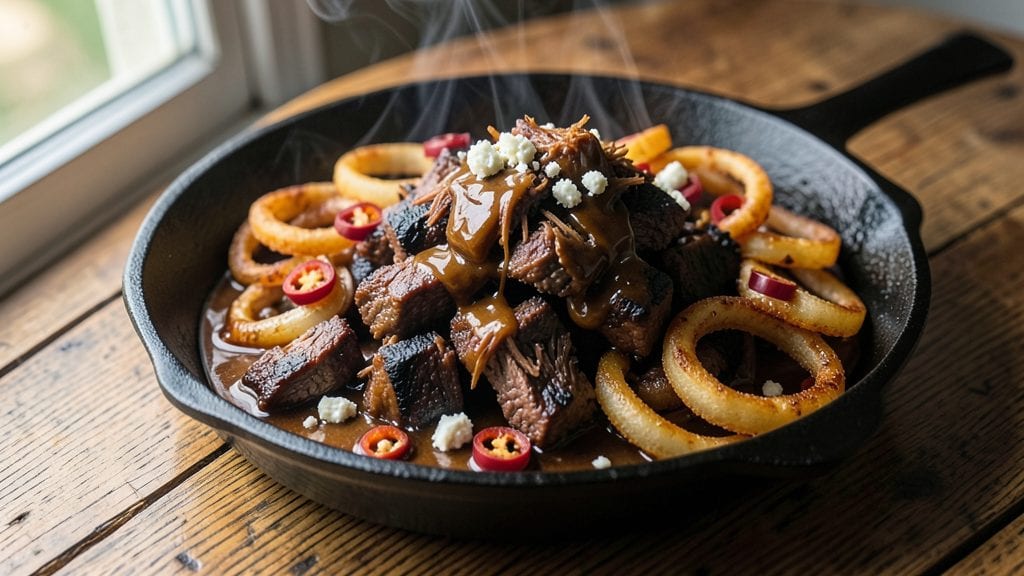
Mastering beef brisket burnt ends transforms tough cuts into melt-in-your-mouth perfection with a crispy bark that hides ultra-tender meat inside. The day I realized French technique could elevate my rubs changed everything—precision in layering flavors and controlling heat creates that signature texture.
This recipe delivers restaurant-quality results at home, whether you're cooking for a crowd or treating yourself to a slow-cooked masterpiece.
The secret lies in the slow cook—whether you use a smoker, Dutch oven, or oven—where the brisket breaks down over hours, developing deep flavor and tenderness.
A well-balanced rub of coarse salt, black pepper, garlic powder, and smoked paprika forms the foundation, while precise temperature control ensures the bark stays crispy without drying out the meat. For best results, plan for 8-10 hours of cooking time, depending on your method.
By the time you slice through that golden crust, you'll uncover meat so tender it practically falls apart at the touch. The burnt ends—those flavor-packed, slow-cooked pieces—are the star, but every bite delivers that perfect balance of smoky, savory, and slightly sweet notes.
Serve with classic BBQ sauce, crusty bread, or a tangy coleslaw to complete the meal.
This recipe serves 8-10 people, making it ideal for gatherings or meal prep. Whether you're a seasoned pitmaster or a home cook eager to try something new, the techniques here are foolproof and designed to deliver professional results every time. Let's get started!
Ingredients for beef brisket burnt ends
Ten ingredients, eight pounds of brisket, and a French-inspired rub that delivers restaurant-quality burnt ends at home.
| Ingredient | Amount | Notes |
|---|---|---|
| Beef Brisket 🥩 | 8 lb | Whole packer cut, good marbling |
| Coarse Kosher Salt 🧂 | ½ cup | Diamond Crystal preferred |
| Freshly Ground Black Pepper 🌶️ | 2 tbsp | Cracked peppercorns preferred |
| Garlic Powder 🧄 | 2 tbsp | Freshly ground preferred |
| Smoked Paprika 🌶️ | 1 tbsp | Spanish or Hungarian preferred |
| Onion Powder 🧅 | 1 tbsp | Freshly ground preferred |
| Brown Sugar 🍬 | 2 tbsp | Light or dark preferred |
| Mustard Powder 🍯 | 1 tsp | Yellow or Dijon preferred |
| Apple Cider Vinegar 🍎 | ¼ cup | For tenderizing soak |
| Yellow Onion 🧅 | 1 whole | Large, sliced for bedding |
| Fresh Garlic Cloves 🧄 | 6 cloves | Smashed for bedding |
| Beef Broth 💧 | 2 cups | Low-sodium preferred |
| BBQ Sauce 🍯 | ½ cup | For finishing glaze |
| Butter 🧈 | 4 tbsp | Unsalted, for basting |
The brisket is non-negotiable—look for a packer cut with visible marbling at Costco or your local butcher. A whole brisket (about 8 lbs) gives you the best yield for burnt ends. If you're buying pre-cut, make sure it's the point cut, not the flat. The rub starts with Diamond Crystal kosher salt—it dissolves better than table salt. I always toast my spices (paprika, garlic powder, onion powder) in a dry pan for 30 seconds to wake up their flavors before mixing. For the vinegar soak, Bragg's is my go-to—it's tangy enough to break down the meat fibers without overpowering.
No smoked paprika? Regular paprika plus a pinch of liquid smoke works in a pinch. Short on beef broth? Water plus 1 tbsp soy sauce gets you close. The brown sugar adds depth but can be swapped for maple syrup at half the amount. For the bedding, any yellow onion works—sweet onions like Vidalia add a nice touch if you're feeling fancy. The butter for basting? Full-fat is a must—it adds richness and helps create that crispy bark. If you're cooking in a smoker, use applewood or hickory chips for that classic BBQ flavor.
Brisket keeps beautifully—wrap the cooked pieces in foil and store in the fridge for 5-6 days. For longer storage, freeze for up to 3 months. I like to portion the burnt ends into meal-prep containers with a little BBQ sauce drizzled on top. They reheat perfectly in the oven at 300°F for about 15 minutes. The rub? Store it in an airtight container for up to 3 months—it's perfect for other slow-cooked meats too.
Why You'll Love This Recipe
- Foolproof Prep: I swear by this method—just trim the brisket, toss it in a bowl with salt, pepper, and those three spices (garlic powder, smoked paprika, don’t skip it), then roast. No fancy searing, no stress, no guessing.
- Smoky Caramel Magic: That crispy, charred edge on the burnt ends? It’s where the garlic powder and smoked paprika turn into pure flavor gold. The meat stays tender inside while the outside gets that addictive, slightly burnt sweetness—no liquid smoke needed.
- Party or Pantry: Between us, this is my go-to for game day, Sunday dinners, or when I’m too lazy to plan. The leftovers? Even better cold in sandwiches or reheated for breakfast hash. Honestly, I’ve fed a crowd with half a brisket and still had enough for lunch.
- Budget Powerhouse: A whole packer of brisket goes further than you’d think, and the spices cost pennies. I’ll be real: it’s cheaper than takeout, tastes way better, and the burnt ends disappear faster than my willpower on a Friday night.
Step-by-step instructions for beef brisket burnt ends
Here's the method that delivers melt-in-your-mouth tenderness with that coveted crispy bark.
Prepare and Season the Brisket
Begin by trimming the fat cap of the 8 lb beef brisket to about ¼-inch thickness using a sharp boning knife. This creates an even surface for the rub while preserving enough fat to protect the meat during cooking. Pat the entire surface completely dry with paper towels - moisture is the enemy of that perfect crispy bark we're after.
In a small bowl, combine the 0.5 cup coarse kosher salt, 2 tbsp freshly ground black pepper, 2 tbsp garlic powder, 1 tbsp smoked paprika, 1 tbsp onion powder, 2 tbsp brown sugar, and 1 tsp mustard powder. Mix thoroughly until the spices are evenly distributed. This dry rub should coat your hands when you rub it between your fingers - that's how well it should adhere to the meat.
Generously apply the rub to all sides of the brisket, pressing firmly so it adheres well. Let the seasoned brisket sit at room temperature for 1 hour before cooking. This resting period allows the rub to penetrate the meat and the brisket to cook more evenly from edge to center.
Create the Tenderizing Soak and Bedding Layer
While the brisket rests, prepare the tenderizing soak by combining the 0.25 cup apple cider vinegar with 2 cups beef broth in a bowl. This acidic mixture will help break down tough muscle fibers, creating that ultra-tender texture we want in burnt ends.
Slice the 1 whole yellow onion into ¼-inch thick rounds and separate the 6 cloves fresh garlic into individual cloves, smashing them lightly with the flat side of a knife. These will form the bedding layer that supports the brisket during cooking and infuses additional flavor.
Arrange half of the onion slices in a single layer on the bottom of a Dutch oven or heavy oven-safe pot. Create a nest in the center and add the smashed garlic cloves. This creates a flavorful base that will support the brisket and prevent it from sitting directly on the bottom where it might steam instead of sear.
Sear and Braise for Maximum Flavor Development
Preheat your oven to 300°F. Heat the Dutch oven over medium-high heat until hot, then add the 4 tbsp butter. Place the seasoned brisket fat-side down in the hot Dutch oven and let it sear undisturbed for 5 minutes. You'll see the fat begin to render and the meat develop a deep golden crust - this is crucial for that crispy bark we're after.
Carefully flip the brisket and add the remaining onion slices around it, creating a protective barrier. Pour the vinegar-broth mixture over the brisket until it's about halfway submerged. The liquid should come up to about the thickest part of the brisket. Cover the Dutch oven tightly with a lid and transfer it to the preheated oven.
Braise the brisket for 6 hours, maintaining the 300°F temperature. This slow cooking method breaks down the connective tissue, transforming tough muscle into tender, fork-tender meat. After 3 hours, check the liquid level and add more beef broth if needed to keep the brisket moist.
Finish with the Crispy Bark and Glaze
After the initial 6-hour braise, remove the brisket from the oven and let it cool slightly for 15 minutes. This resting period allows the juices to redistribute throughout the meat. While it rests, preheat your oven's broiler to high.
Transfer the brisket to a broiler-safe baking sheet and broil for 5-7 minutes on each side, watching carefully to achieve that deep mahogany bark. The edges should be crispy and the surface should develop a glossy sheen from the caramelization. This broiling step creates the signature crispy exterior that contrasts beautifully with the tender interior.
In a small saucepan, combine the 0.5 cup BBQ sauce with 2 tablespoons of the braising liquid from the Dutch oven. Simmer over medium heat for 3-4 minutes until slightly thickened. Brush this glaze generously over the broiled brisket, then return it to the broiler for 2-3 minutes to set the glaze and enhance the caramelization.
Rest and Cube for Serving
Transfer the brisket to a cutting board and let it rest for at least 30 minutes before serving. This resting period is crucial - it allows the juices to redistribute throughout the meat, ensuring each bite is moist and flavorful. During this time, you can use a meat thermometer to check the internal temperature in the thickest part - it should read 195-203°F.
Once rested, carefully remove the brisket from the bone and slice it against the grain into ½-inch thick slices. Then cube these slices into 1-inch pieces - these are your burnt ends. The meat should be so tender it practically falls apart at the touch, with a beautiful pink center surrounded by that crispy bark.
Serve the burnt ends immediately with any remaining braising liquid reduced by half as a sauce. The combination of tender meat, crispy exterior, and rich braising liquid creates a dish that's perfect for sandwiches, tacos, or simply enjoyed on its own with crusty bread.
Pro Tips For Making Beef Brisket Burnt Ends
- Trim the Fat First: Burnt ends are all about those fatty, flavor-packed pieces—so don’t waste time cutting them off after cooking. Use a sharp knife to trim only the thickest fat cap (about ¼-inch) from the brisket before seasoning. This keeps the meat tender while letting the rendered fat caramelize into crispy, savory bits later.
- Salt Like It’s 1985: I used to skimp on salt, thinking the rub would handle it. Wrong. Generously coat the brisket with coarse kosher salt and freshly ground black pepper before adding garlic powder or smoked paprika—this ensures the seasoning sticks and penetrates. (Yes, even if you’re impatient like me.)
- Sear in Batches: Overcrowding the pan steams the meat instead of searing it. Work in 2-3 batches over medium-high heat, letting each side develop a deep crust before adding more. This isn’t the prettiest method, but it’s the tastiest—crispy edges mean better burnt ends.
- Deglaze Aggressively: After searing, don’t just splash in liquid—scrape up every browned bit from the pan with a wooden spoon. Those bits are pure flavor, and skipping this step means your burnt ends will taste dull. A splash of broth or even a little beer works, but scrape first.
Creative variations of this dish
Texas-Style Burnt Ends
Inspired by my first backyard cookout where the brisket point was always the most requested piece, Texas-style burnt ends lean into bold flavors and a smoky finish. After the initial braise, I add 1 tbsp chili powder and ½ tsp cayenne to the BBQ glaze for a subtle kick.
Serve these with pickled jalapeños and a drizzle of Texas Pete hot sauce for that true Lone Star flavor profile. 🌶️
French-Inspired Confit Style
Building on my French technique training, I adapted this recipe by first curing the brisket in a dry brine> of 1 cup kosher salt and 1 tbsp black pepper for 24 hours before the rub.
After the braise, I finish with a beurre noisette>—browned butter infused with 1 sprig thyme and 2 garlic cloves—instead of BBQ sauce. The result? A richer, more elegant burnt end with depth that rivals any Parisian bistro. 🥖
Asian Fusion Glazed Burnt Ends
For a fusion twist, I replace the BBQ sauce with a glaze made from ¼ cup soy sauce, 2 tbsp honey, 1 tbsp rice vinegar, and 1 tsp grated ginger.
After the broiling step, I toss the burnt ends in this glaze and sear them in a hot pan for 2 minutes> to create a glossy, caramelized crust. Garnish with thinly sliced scallions> and sesame seeds> for a dish that bridges BBQ and Asian flavors beautifully. 🌟
Spicy Coffee Rub Variation
This variation starts with a rub that includes 1 tbsp instant coffee granules> and ½ tsp cinnamon, giving the burnt ends a deep, slightly bitter-sweet complexity.
After the braise, I finish with a glaze of 2 tbsp coffee, 1 tbsp brown sugar, and 1 tbsp balsamic vinegar, reduced until syrupy. The coffee enhances the meat's natural richness while adding a subtle earthiness that pairs perfectly with the smoky flavors. 💫
Smoked Paprika & Chipotle
For a smoky-sweet heat, I boost the rub with 1 tbsp chipotle powder> and 1 tsp cinnamon, then finish with a glaze of ¼ cup chipotle BBQ sauce> mixed with 1 tbsp honey.
The chipotle adds a slow-building heat that lingers, while the honey balances it with a touch of sweetness. Serve these with avocado crema> to cool the palate and highlight the smoky depth. 🔥
Herb-Crusted Burnt Ends
For a more elegant presentation, I coat the burnt ends in a crust of 2 tbsp chopped fresh rosemary, 2 tbsp chopped thyme, and 2 tbsp breadcrumbs> after the broiling step.
Press the herb mixture firmly onto each piece and broil for an additional 3 minutes> to toast the herbs and create a fragrant, textured crust. This variation works beautifully for dinner parties and pairs well with a white wine reduction sauce. ✨
Nutrition facts
Frequently asked questions about beef brisket burnt ends
How do I know when my brisket is ready to cube for burnt ends?
The perfect brisket for burnt ends should reach an internal temperature of 195-203°F in the thickest part. When you probe it with a meat thermometer, the meat should feel like butter—completely tender and pulling away from the bone. If it's not quite there after 6 hours, add another 1-2 hours of cooking time. The bark should be deep mahogany and crispy, while the interior should have a slight pink center.
Can I make burnt ends in a slow cooker instead of an oven?
Place the seared brisket in your slow cooker with the vinegar-broth mixture and cook on low for 8-10 hours. After the initial cook, transfer it to a broiler-safe dish to develop the crispy bark. The slow cooker method works especially well if you're short on time or don't have an oven. Just keep an eye on the liquid level and add more broth if needed.
What's the best way to store and reheat burnt ends?
Store cooked burnt ends in an airtight container in the fridge for 5-6 days or freeze for up to 3 months. To reheat, place them in a baking dish with a splash of beef broth or BBQ sauce, cover with foil, and warm in a 300°F oven for 15-20 minutes. For a crispy finish, broil for 2-3 minutes at the end. Never microwave—it turns the meat rubbery.
Can I use a different cut of beef instead of brisket?
While brisket is ideal for burnt ends, you can substitute with chuck roast or short ribs for a similar texture. These cuts have more connective tissue that breaks down during slow cooking. However, the flavor and yield won't be identical—brisket's marbling and fat cap create that signature richness. If you must substitute, increase the cooking time by 1-2 hours to ensure full tenderness.
Why did my burnt ends turn out dry?
Dry burnt ends usually happen from overcooking, high heat, or not enough fat. Always cook brisket at 225-300°F—never higher. Keep it wrapped in foil during the braise to retain moisture, and add more beef broth if the liquid evaporates. Also, make sure to rest the meat for 30 minutes before slicing so the juices redistribute. A meat thermometer is your best friend here!