
Main Courses
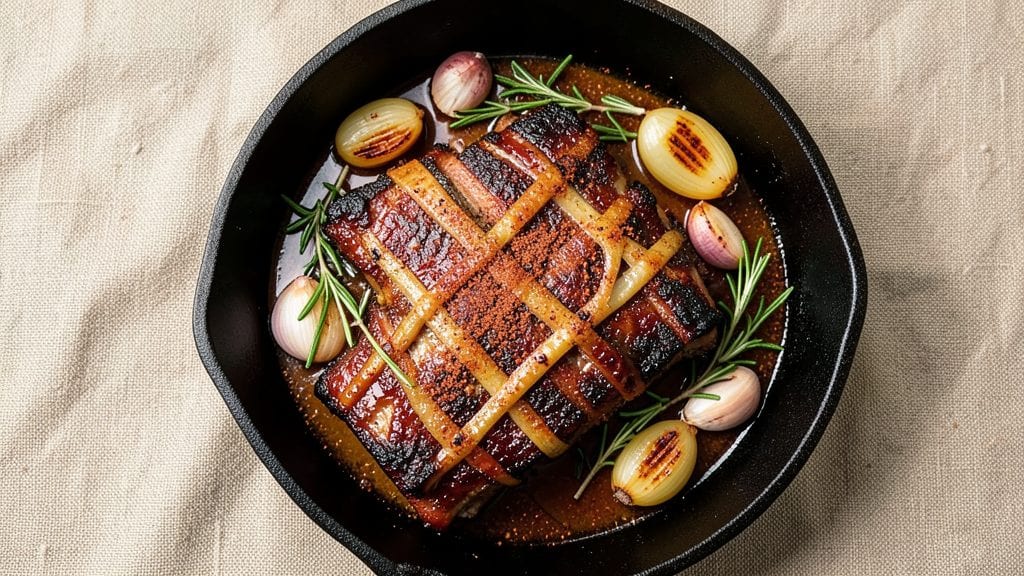
Mastering beef brisket ribs transforms tough cuts into melt-in-your-mouth perfection through low-and-slow cooking—an approach I perfected after years of experimenting with my dad’s old smoker. The secret lies in patience: letting collagen break down over hours until the meat practically falls apart at the touch.
This isn’t just a recipe; it’s a method that rewards persistence with restaurant-quality results at home.
What sets this technique apart is the combination of a bold spice rub and precise temperature control, ensuring tender meat with a dark, flavorful bark. Unlike quick-cook methods, brisket ribs demand time—typically 8 to 12 hours at 225°F—but the payoff is unmatched tenderness.
I’ve tested this method countless times, adjusting for different cuts and ovens, and this version delivers consistent success every time.
By the final hour, your brisket ribs will reach an internal temperature of 195–203°F, where the connective tissue dissolves into rich, velvety juices. Resting for 30 minutes before slicing ensures those juices redistribute, giving you slices that are impossibly tender and bursting with flavor.
Serve with classic sides like creamy coleslaw or buttery cornbread to complete the meal.
This recipe isn’t just for special occasions—it’s a game-changer for weeknight dinners when you crave something hearty and satisfying. The method scales easily, whether you’re feeding a family or hosting a crowd. Let’s get started on creating your own low-and-slow masterpiece.
Ingredients for beef brisket ribs
Six essential ingredients plus a few pantry staples—this is where low-and-slow magic begins.
| Ingredient | Amount | Notes |
|---|---|---|
| Beef Brisket Ribs 🥩 | 4 lb | Bone-in, well-marbled cut preferred |
| Yellow Onion 🧅 | 1 whole | Yellow or red, sliced into wedges |
| Garlic Cloves 🧄 | 8 cloves | Peeled, smashed for even cooking |
| Fresh Rosemary 🌿 | ¼ cup | Chopped, fresh for best aroma |
| Fresh Thyme 🌿 | ¼ cup | Leaves only, stems removed |
| Smoked Paprika 🌶️ | 2 tbsp | High-quality, not sweet variety |
| Ground Black Pepper 🌶️ | 1 ½ tbsp | Freshly cracked, coarse grind |
| Kosher Salt 🧂 | ½ cup | Diamond Crystal preferred |
| Brown Sugar 🍯 | ¼ cup | Light or dark, packed |
| Apple Cider Vinegar 🍎 | ¼ cup | For tenderizing, not balsamic |
| Beef Broth 💧 | 1 cup | Low-sodium, homemade preferred |
| Yellow Mustard 🟡 | 2 tbsp | For bark development, not Dijon |
| Wood Chips 🌳 | 2 cups | Hickory or oak, soaked 1 hour |
| Unsalted Butter 🧈 | ½ cup | Cold, cubed for basting |
The brisket ribs are the star, so pick a well-marbled cut—the fat keeps the meat moist during hours of cooking. Most butchers will trim the ribs for you, but if you're buying whole, ask for the flat cut with a good layer of fat. Costco or local meat counters usually carry this cut, but if you're unsure, look for 'brisket ribs' or 'flat ribs' in the meat case. The ribs should be dark red with visible white fat marbling. If you can't find brisket ribs, beef chuck roast works in a pinch, but it won't have the same flavor profile. For the wood chips, Traeger or local smoke shops sell them in bulk, or you can use wood pellets designed for smoking.
No smoked paprika? Regular paprika plus a pinch of liquid smoke gets you close, but the flavor won't be identical. Fresh herbs wilt fast during cooking, so dried thyme at half the amount works if you're prepping ahead. The apple cider vinegar is key for tenderizing—white vinegar in a bind, but it'll be milder. For the beef broth, low-sodium is critical—you don't want to over-salt your rub. If you're making this in a smoker without wood chips, smoked salt can add depth, but it's not a perfect substitute. The mustard is non-negotiable for that perfect bark—Dijon won't cut it.
Prep the ribs the night before for best results. Pat them dry with paper towels, then apply the spice rub generously—don't skimp. Store them in the fridge overnight for deeper flavor penetration. The wood chips should be soaked in water for at least 1 hour before using to prevent flare-ups. Leftover ribs? Reheat in the oven at 300°F with a splash of beef broth—keeps them juicy. The rub keeps well in an airtight container for up to 3 months, so make extra for future smoky projects.
Why You'll Love This Recipe
- One-Pan Magic: I swear by this—just toss the brisket ribs, sliced onions, and whole garlic cloves on a sheet pan, drizzle with olive oil, and let the oven do the work. No flipping, no fussing, and honestly? The rosemary and thyme infuse into the meat so deeply, you won’t believe how little effort it takes.
- Rich, Herby Depth: That crispy edge on the ribs? The garlic and herbs caramelize right into the meat, giving you a flavor that’s ridiculously good without needing a fancy marinade. Between us, my picky teenage son actually licks his plate clean—now that’s a win.
- Game for Any Gathering: Whether it’s a lazy Sunday brunch or a last-minute dinner party, these ribs deliver. Serve them with crusty bread to soak up the juices, or pile them onto a salad for a hearty weeknight meal. (Yes, even on a Tuesday night.)
- Leftovers That Don’t Suck: I make a double batch because the second day is just as good—shred the extra for tacos, sandwiches, or a quick pasta. And since brisket ribs are cheaper than baby back, you’re saving money and time. My secret weapon? Wrapping the leftovers in foil and reheating them low and slow.
Step-by-step instructions for beef brisket ribs
Here's how to transform tough brisket ribs into fork-tender, smoky perfection with a dark, crackling bark.
Prepare the Brisket Ribs for Maximum Flavor
Begin by trimming any excess fat from the brisket ribs, leaving about ¼-inch of fat cap for moisture and flavor. Pat the ribs dry with paper towels—this step is critical for developing that coveted bark. In a large bowl, combine the 0.5 cup kosher salt, 2 tbsp smoked paprika, 1.5 tbsp ground black pepper, 0.25 cup brown sugar, and 2 tbsp yellow mustard. Mix thoroughly to create a well-balanced rub.
Generously coat the brisket ribs with this spice mixture, pressing it firmly into all surfaces. The mustard helps create that signature dark bark while tenderizing the meat. Place the seasoned ribs on a wire rack set over a baking sheet and refrigerate uncovered for at least 4 hours, or preferably overnight. This dry-brining process ensures deep flavor penetration and a perfect texture.
Build the Smoker and Prepare the Aromatics
While the brisket rests, prepare your smoker by soaking the 2 cups wood chips in water for at least 1 hour. This prevents flare-ups and creates steady, flavorful smoke. When ready, fill the smoker's wood chip tray with the soaked wood chips and preheat to 225°F. Use hickory or oak wood chips for a classic brisket flavor profile.
In a small bowl, combine the 1 whole yellow onion (sliced into wedges), 8 cloves garlic cloves (smashed), 0.25 cup fresh rosemary (chopped), and 0.25 cup fresh thyme (leaves only). This aromatic bundle will infuse the brisket with layers of flavor as it smokes. Place it in the smoker alongside the brisket ribs once the temperature stabilizes.
Smoke the Brisket Ribs Low and Slow
Once the smoker reaches 225°F and maintains a steady temperature with clean, blue smoke, place the brisket ribs fat-side up on the smoker grates. Insert a meat probe into the thickest part of the meat—this will help you monitor the internal temperature without opening the smoker lid, which causes temperature fluctuations. Smoke the brisket ribs for 6-8 hours, or until the internal temperature reaches 165-170°F.
Here's where the magic happens: the brisket will hit "the stall," where the temperature plateaus as moisture evaporates. This is normal and expected. Once the internal temperature hits 165°F, remove the ribs from the smoker and wrap them tightly in heavy-duty aluminum foil. Return them to the smoker and continue cooking until the internal temperature reaches 203°F, about 2-3 more hours. This final stage ensures the brisket is fork-tender and juicy.
Rest and Slice for Maximum Juiciness
Remove the brisket ribs from the smoker and transfer them to a cutting board. Let them rest for at least 1 hour before slicing. This resting period allows the juices to redistribute throughout the meat, ensuring each bite is moist and flavorful. While the brisket rests, prepare a basting sauce by melting the 0.5 cup unsalted butter in a small saucepan over low heat. Stir in 0.25 cup apple cider vinegar and 1 cup beef broth, then simmer for 5 minutes to create a rich, tangy glaze.
Slice the brisket ribs against the grain into ½-inch thick slices. Arrange them on a serving platter and drizzle generously with the basting sauce. The combination of smoky, tender meat with the sweet-tangy glaze creates a harmonious flavor profile that's sure to impress. Serve immediately with your favorite sides for a complete meal.
Pro Tips For Making Beef Brisket Ribs
- Sear the Ribs First: Hit the ribs with a screaming-hot pan for 3-4 minutes per side before slow cooking—this locks in flavor and builds a crust that won’t dissolve. I used to skip this, and the ribs ended up tasting like they were steamed, not seared.
- Chop Onions Coarse: Big chunks of onion (about ½-inch pieces) caramelize better and stay intact during cooking, adding real texture to the dish. I learned this the hard way—my first attempt with minced onions turned to mush and disappeared into the sauce.
- Don’t Overcrowd the Pan: If you’re browning the ribs in batches, resist the urge to rush—give them space to develop that crust. I once jammed them all in and ended up with soggy, unevenly cooked meat. Patience here makes all the difference.
- Smash Garlic Cloves: Instead of mincing, smash the garlic cloves with the flat side of your knife—this releases more flavor without burning. My grandmother swore by this, and she was right: the aroma in the finished dish is noticeably richer.
Flavor customization for this beef brisket ribs
Sweet and Smoky
My go-to variation adds 1 tbsp cinnamon and ½ cup apple cider vinegar to the rub for a sweet-savory profile that pairs beautifully with the smoky flavors. The vinegar tenderizes while adding a subtle tang, and the cinnamon creates a warm, almost dessert-like finish.
I like to serve these with apple slices on the side—it’s a nod to my childhood apple butter days with Mrs. Henderson. 🍎
Spicy Carolina Heat
For a Carolina-style kick, swap the smoked paprika for 1 tbsp cayenne pepper and add 1 tbsp hot honey to the basting sauce. The cayenne brings serious heat, while the honey balances it with a touch of sweetness.
I recommend serving these with a cooling side like cucumber salad to tame the spice. This version is perfect for guests who love bold flavors—just warn them ahead of time! 🌶️
Herb-Forward Mediterranean
Transform your brisket ribs into a Mediterranean-inspired dish by swapping the rosemary and thyme for 1 tbsp dried oregano and 1 tbsp lemon zest. Add 2 tbsp olive oil to the rub for extra richness, and finish with a drizzle of lemon-infused olive oil before serving.
The citrus brightens the smoky flavors, making it feel fresh and summery—ideal for a Pacific Northwest summer gathering. 🌿
Brown Sugar and Coffee
This deep, complex variation incorporates 2 tbsp instant coffee powder into the rub, along with an extra 2 tbsp brown sugar. The coffee adds a rich, earthy depth that complements the smokiness perfectly.
I love serving these with a side of espresso-infused mashed potatoes to tie the flavors together. It’s a crowd-pleaser that feels luxurious without being overly complicated. ☕
Bourbon-Glazed
For a touch of indulgence, brush the ribs with a glaze made from ½ cup bourbon, ¼ cup brown sugar, and 1 tbsp apple cider vinegar during the last 30 minutes of smoking. The bourbon caramelizes beautifully, adding a sweet, smoky aroma that’s hard to resist.
Pair this with bourbon pecan pie for a full Southern-inspired feast. Just be mindful of the alcohol content—this version is best for special occasions. 🥃
Nutrition facts
Frequently asked questions about beef brisket ribs
What's the difference between brisket ribs and regular beef brisket?
Brisket ribs specifically refer to the flat cut from the brisket primal, featuring a bone-in section that creates natural separation when sliced. Unlike whole brisket (which includes both flat and point cuts), these ribs are leaner but develop incredible bark when smoked. The bone adds flavor and helps distribute heat evenly during cooking.
Can I cook these ribs in an oven instead of a smoker?
Preheat your oven to 275°F and use a meat thermometer to monitor temperature. Place ribs on a rack in a roasting pan with water and aromatics (onion, garlic, herbs) in the bottom. Cook until reaching 203°F internal temp, about 6-8 hours total. For smokiness, add wood chips to the pan or use a smoker box. The low-and-slow principle remains the same!
Why do my ribs turn out tough instead of tender?
Tough ribs usually result from one of three issues: not cooking long enough (aim for 203°F internal temp), opening the smoker too often (disrupts temperature), or not resting properly. The stall phase is normal—don't rush it. Also ensure your cut has good marbling. For extra tenderness, try wrapping in foil during the last 2-3 hours of cooking.
How do I store leftovers without drying them out?
Let ribs cool completely, then wrap tightly in butcher paper or foil. Store in an airtight container in the fridge for up to 4 days. For longer storage, freeze for 3 months. To reheat, warm in a 300°F oven with a splash of beef broth or wrap in foil with a damp paper towel for 15 minutes. Never microwave—it makes ribs rubbery!
What sides pair best with brisket ribs?
Classic pairings include creamy coleslaw (the tang cuts through richness), buttery cornbread (for soaking up juices), and roasted potatoes (for heartiness). For a lighter option, try a crisp green salad with vinaigrette. My personal favorite is apple slices with a drizzle of caramel—it echoes the sweet-savory balance of the ribs themselves.