
Sauces & Condiments
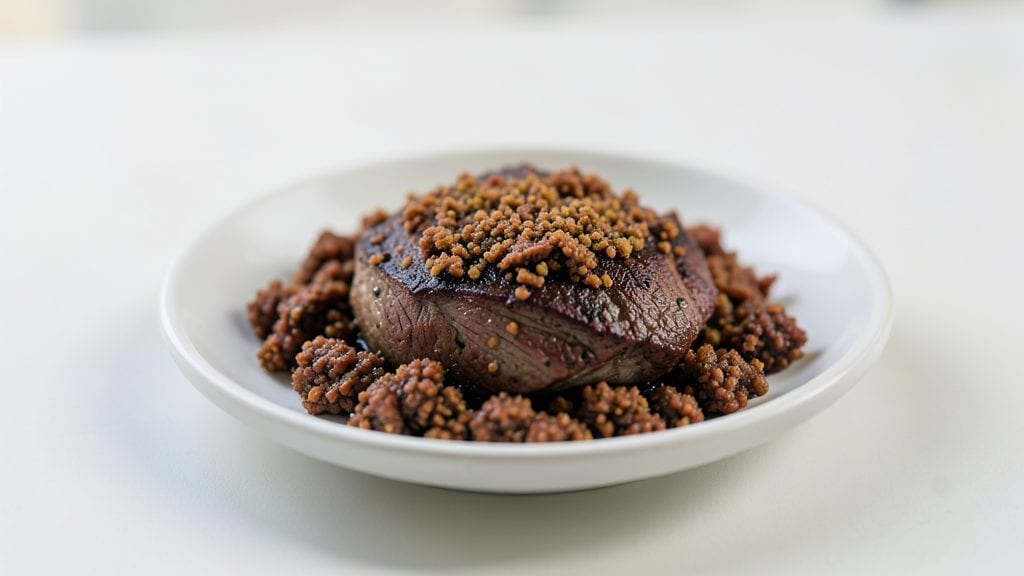
This beef brisket rub recipe transforms tough cuts into fall-off-the-bone tenderness with a bold, aromatic crust that rivals any competition team. 💫 I developed this blend after years of perfecting my smoking technique, balancing heat and depth to create a rub that works for both beginner smokers and seasoned pitmasters.
The secret lies in the precise ratio of spices—just enough chili powder for heat, smoked paprika for depth, and brown sugar to caramelize into a sticky, flavorful bark.
The beauty of this dry rub is its versatility—it enhances every layer of flavor without overpowering the natural richness of the beef. With just six simple ingredients, you can create a spice blend that lasts for months in an airtight container, ready to elevate your next brisket project.
Whether you're smoking for a holiday feast or a casual weekend cookout, this rub delivers consistent, restaurant-quality results every time.
What sets this recipe apart is the balance: enough kick to wake up your taste buds, but with warmth from cinnamon and garlic powder that makes it feel like a hug in spice form.
The brown sugar isn't just for sweetness—it caramelizes during the smoke, creating that coveted dark crust that hides none of the smoky goodness underneath. Store it in your pantry for quick access, and adjust the heat level by tweaking the cayenne or chili powder to match your preference.
Pair this rub with your favorite smoking method—whether it's a traditional offset smoker, pellet grill, or even a backyard setup—and watch as your brisket develops layers of flavor that'll have everyone asking for seconds.
The best part? This blend works just as well on chicken, pork shoulder, or ribs, making it a must-have in any smoker's arsenal. Let's get those spices measured out!
Ingredients for beef brisket rub recipe for smoking
Six spices that turn tough beef into smoky perfection every time.
| Ingredient | Amount | Notes |
|---|---|---|
| Chili Powder 🌶️ | 3 tbsp | Medium heat preferred for balance |
| Smoked Paprika 🌶️ | 2 tbsp | High quality for deep smoky flavor |
| Light Brown Sugar 🍯 | 2 tbsp | Packed for caramelization |
| Ground Black Pepper 🌶️ | 1 ½ tbsp | Freshly ground for maximum bite |
| Ground Cinnamon 🌿 | 1 tbsp | Warmth without overpowering |
| Garlic Powder 🧄 | 1 tbsp | Not garlic salt |
| Cayenne Pepper 🔥 | ½ tbsp | Adjust for heat preference |
| Kosher Salt 🧂 | 1 tbsp | Diamond Crystal preferred |
The smoked paprika is non-negotiable—Penzeys or McCormick are my go-tos for that authentic smoky depth. Light brown sugar caramelizes beautifully during the smoke, creating that coveted dark bark. I always grab mine from the bulk bins at Whole Foods or Trader Joe's—it's cheaper and fresher. The chili powder should be medium heat; if you like more kick, bump up the cayenne. For the garlic powder, Great Value works fine, but if you're feeling fancy, Simply Organic has a more robust flavor. Store all your spices in airtight containers away from light—they'll stay potent for up to 6 months.
No smoked paprika? Regular paprika plus a pinch of liquid smoke gets you close. Short on cinnamon? Nutmeg at half the amount adds warmth without overpowering. Want more heat? Double the cayenne—but trust me, start small. The brown sugar can be swapped for turbinado sugar if you're watching carbs, though it won't caramelize as nicely. For a sweeter bark, add 1 tsp of molasses to the mix. And if you're using this on chicken or pork, reduce the cayenne by half—those meats are more sensitive to heat.
This rub keeps for up to a year in an airtight container in a cool, dark place. I portion mine into small jars so I can grab just what I need without spilling. For extra freshness, store it in the freezer—it'll last even longer that way. The salt and sugar will clump over time, so give it a quick stir before using. A little goes a long way, so measure carefully—you can always add more, but you can't take it away once it's on the meat.
Why You'll Love This Recipe
- Five-Ingredient Magic: I swear by this combo—just chili powder, smoked paprika, brown sugar, black pepper, and cinnamon. No fancy ratios, no stress, and boom—that deep, smoky-sweet crust that makes brisket lovers pause mid-bite.
- Smokehouse in a Bowl: Between us, the cinnamon and brown sugar give it this unexpected warmth that cuts through the heat. It’s not just spicy; it’s layered—like a slow-smoked hug for your taste buds.
- Tailgate or Tuesday: This rub works for backyard cookouts and lazy nights when I’m craving brisket but don’t want to slave over it. Slap it on, smoke it low and slow, and suddenly you’ve got a crowd-pleaser with zero effort.
- Leftovers That Win: Honestly, the second day is even better. The rub clings to the meat like a flavor blanket, so every slice tastes like the first. Pack it for lunches or reheat it—no one will guess it’s not fresh off the smoker.
Step-by-step instructions for smoked brisket rub
Mix these bold spices together and you'll unlock that signature bark and deep flavor.
👨🍳 Step 1: Measure All Ingredients Precisely
Start by gathering all your ingredients on a clean work surface. The key here is precision—each spice plays a specific role in that perfect balance of heat, smokiness, and sweetness. I like to use a small bowl or measuring cups to portion out the 3 tablespoons chili powder first, followed by the 2 tablespoons smoked paprika. This order helps prevent cross-contamination between spices.
Next, measure the 2 tablespoons light brown sugar using a spoon and level it off with the back of a knife. Packed brown sugar gives you that perfect caramelization during smoking. The 1.5 tablespoons ground black pepper should be freshly ground for maximum bite—pre-ground pepper loses its punch quickly. Use a fine-mesh strainer if you're grinding it yourself to avoid any coarse particles.
👨🍳 Step 2: Combine Dry Ingredients Thoroughly
In a medium mixing bowl, combine the 3 tablespoons chili powder and 2 tablespoons smoked paprika. Use a whisk to break up any clumps and distribute the spices evenly. This is where the magic starts—the chili powder brings heat, while the smoked paprika adds that deep, woodsy flavor that defines smoked brisket.
Add the 2 tablespoons light brown sugar and 1.5 tablespoons ground black pepper to the bowl. Give everything another quick whisk to blend. Here's the thing—don't be tempted to rush this step. You want every particle of sugar to coat the spices evenly so it dissolves perfectly during smoking. This creates that beautiful dark bark while keeping the meat tender.
👨🍳 Step 3: Add Remaining Spices and Mix Well
Now it's time for the aromatic spices. Add the 1 tablespoon ground cinnamon, 1 tablespoon garlic powder, and 0.5 tablespoon cayenne pepper to the bowl. The cinnamon adds warmth without overpowering, while the garlic powder brings depth. The cayenne gives just a hint of heat—adjust this to your preference if you want more or less kick.
Finally, sprinkle in the 1 tablespoon kosher salt. This isn't just for flavor—it's crucial for that perfect bark formation. Use your whisk to combine everything thoroughly until you have a fine, uniform powder. You should be able to see the different colors—deep reds from the chili, golden browns from the paprika and sugar, and black flecks from the pepper—all blended together harmoniously.
🔪 Step 4: Store Properly for Maximum Freshness
Transfer your freshly mixed rub to an airtight container. I like to use a small jar with a tight-sealing lid—this keeps the spices fresh and prevents moisture from getting in. The rub will keep for up to 3 months in a cool, dark place, or you can store it in the freezer for even longer shelf life.
When you're ready to use it, give the jar a good shake to redistribute any settled spices. This rub is incredibly versatile—use it on brisket, ribs, chicken, or even vegetables for that signature smoked flavor. Just remember, the fresher your spices, the more vibrant the flavor. That's why I always recommend buying whole spices and grinding them fresh when possible.
Pro Tips For Making Beef Brisket Rub Recipe For Smoking
- Preheat Your Spices: Toss your chili powder, smoked paprika, and brown sugar in a dry skillet over medium heat for 30 seconds—just until you smell that deep, toasted aroma. I learned this the hard way after rubbing in raw spices that tasted flat; the heat wakes up their flavors and caramelizes the sugar slightly for a richer crust.
- Skip the Wet Rub: This isn’t a marinade—keep it dry. Mixing in oil or vinegar turns your rub into a sticky mess that burns before it sticks. The dry spices cling better and toast into a crusty, flavor-packed shield. (Yes, even if you’re impatient like me.)
- Balance the Sugar Early: Taste your rub before applying—if the brown sugar dominates, add a pinch more chili powder or smoked paprika to cut its sweetness. I used to load up on sugar for color, but brisket needs that smoky heat to shine. Start with a 1:1:1 ratio (chili:smoked paprika:sugar) and adjust.
- Press Hard, Rub Fast: Use your palms to press the rub into the meat, not just sprinkle. Work in batches if needed, and focus on the fat cap—it renders down and baste the brisket as it smokes. I was skeptical until I tried it: the crust locks in moisture and stays intact through hours of heat. (Your future self will thank you.)
Best sauces and condiments for these flavors
Classic BBQ Sauce
My go-to pairing is a homemade tangy-sweet BBQ sauce—just 1 cup ketchup, ¼ cup apple cider vinegar, 2 tbsp molasses, 1 tbsp Worcestershire sauce, and 1 tsp smoked paprika.
Simmer for 15 minutes until thickened, then brush generously over the brisket during the last 2 hours of smoking. The acidity cuts through the richness, while the molasses deepens the bark's complexity. I use this same sauce for ribs too—it's a crowd-pleaser every time. 🍯
Spicy Mango Salsa
For a refreshing contrast, serve with spicy mango salsa—diced mango, red onion, jalapeño, cilantro, and lime juice. The sweetness balances the smoky heat beautifully. I like to add 1 tbsp honey and ½ tsp Tajín for extra zing.
This works especially well with pulled brisket sandwiches or as a topping for sliced brisket. The acidity in the lime prevents the meat from tasting too heavy. 🌶️
White Cheddar Sauce
Creamy white cheddar sauce elevates brisket to next-level comfort food. Melt 1 cup sharp white cheddar with ½ cup heavy cream and 1 tbsp butter over low heat until smooth. Stir in 1 tsp smoked paprika and a pinch of cayenne for subtle heat.
Drizzle over sliced brisket or use as a dip for fries. This sauce is a game-changer for brisket tacos too. 🧀
Pickled Red Onions
Quick-pickled red onions add a bright, acidic crunch that cuts through the fat. Thinly slice 2 red onions and soak in a mix of ½ cup apple cider vinegar, ¼ cup water, 1 tbsp sugar, and ½ tsp salt for at least 30 minutes.
Drain before serving. These onions keep for 2 weeks in the fridge, making them a perfect make-ahead garnish. 🧅
Garlic-Herb Butter
For a rich finishing touch, melt ½ cup unsalted butter with 3 minced garlic cloves, 1 tbsp chopped parsley, and ½ tsp smoked salt. Brush this over sliced brisket just before serving to add a luxurious, herby layer.
I also use it to baste the meat during the last 15 minutes of smoking for extra shine. This butter pairs perfectly with roasted potatoes or crusty bread. 🧄
Nutrition facts
Frequently asked questions
Can I use this rub on other meats besides brisket?
This versatile blend works beautifully on pork shoulder, chicken thighs, or even ribs. For poultry, reduce the cayenne to ¼ teaspoon—birds are more sensitive to heat. The sweet-spicy balance shines on all meats, though brisket's fat content makes it ideal for that signature bark.
What's the best way to store leftover rub?
Keep it in an airtight container in a cool, dark place for up to 3 months, or freeze for 12 months to preserve freshness. I portion mine into small jars so I can grab just what I need without spilling. Give it a shake before use—spices settle over time.
How do I adjust the heat level?
For milder heat, reduce cayenne to ¼ teaspoon and swap ½ teaspoon for extra chili powder. For fiery kick, double the cayenne or add ½ teaspoon crushed red pepper flakes. Always taste-test small amounts first—this rub is forgiving but potent!
Why does my bark turn too dark?
Overly dark bark usually means too much sugar or high heat. Try reducing brown sugar to 1 tablespoon and smoking at 225°F instead of higher temps. The sugar caramelizes faster at 250°F+. For a lighter bark, cut sugar to 1 tablespoon and increase smoked paprika to 3 tablespoons.