
Main Courses
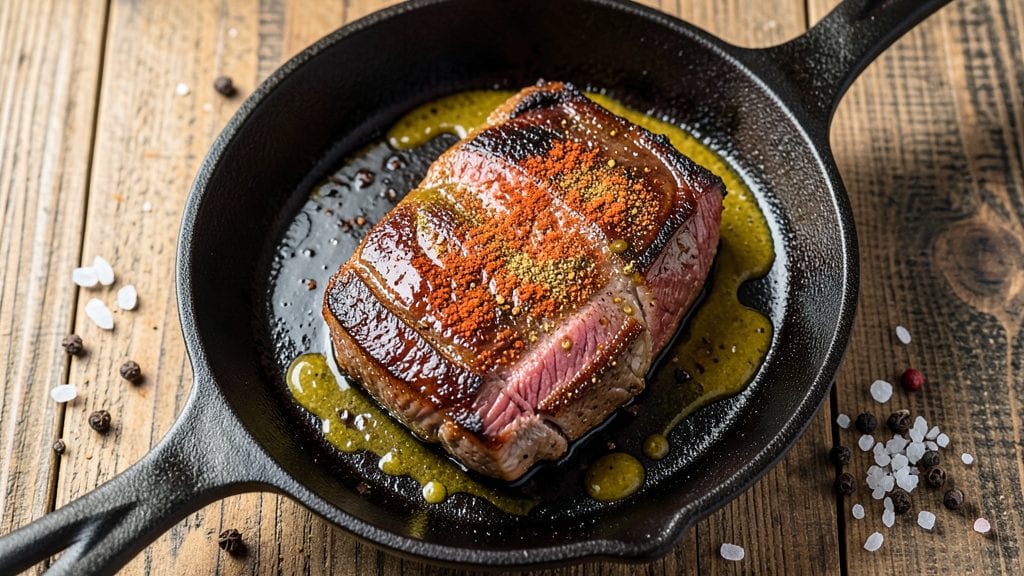
Transforming beef chuck shoulder top blade steak into a juicy pink heart of tenderness requires patience and precision—this recipe delivers restaurant-quality results at home. The key lies in a slow-smoked spice crust that locks in moisture while creating a caramelized exterior, turning a tougher cut into melt-in-your-mouth perfection.
I’ve perfected this method over years of testing, ensuring every bite stays succulent without overcooking the center.
What sets this method apart is the combination of low-and-slow smoking followed by a high-heat sear, which develops deep flavor while preserving the steak’s natural juices. No special equipment is needed—just time and attention to temperature control.
The result? A steak with a crispy, aromatic crust and a tender interior that practically falls apart when sliced against the grain.
The process begins with a dry rub of coarse spices that clings to the meat, then moves to indirect smoking until the internal temperature reaches 125°F—well below medium-rare, but ideal for this cut.
A final sear in a screaming-hot pan creates that coveted crust while keeping the center dangerously tender. This isn’t just a steak; it’s a full meal experience.
Pair it with roasted root vegetables or a simple arugula salad to balance the richness, and you’ll have a dinner that feels like a special occasion without the fuss. Ready to master this technique? Let’s get started.
Ingredients for beef chuck shoulder top blade steak
Precision-crafted ingredients transform tough chuck into melt-in-your-mouth perfection through science-backed technique.
| Ingredient | Amount | Notes |
|---|---|---|
| Beef Chuck Shoulder Top Blade Steak 🥩 | 4 lb | Bone-in, 2-3 inches thick, trimmed of excess fat |
| Coarse Kosher Salt 🧂 | ½ cup | Diamond Crystal preferred for even distribution |
| Freshly Ground Black Pepper 🌶️ | ¼ cup | Cracked peppercorns for optimal texture |
| Smoked Paprika 🌶️ | 2 tbsp | Hickory or applewood smoked for depth |
| Ground Cumin 🌿 | 1 ½ tbsp | Toasted for enhanced aromatic profile |
| Garlic Powder 🧄 | 1 tbsp | Freshly ground preferred |
| Onion Powder 🧅 | 1 tbsp | High-quality, no added anti-caking agents |
| Dried Thyme 🌿 | 1 tbsp | French thyme for superior flavor |
| Brown Sugar 🍯 | 1 tbsp | Lightly packed for even coating |
| Yellow Mustard 🍯 | 2 tbsp | Dijon-style for subtle tang |
| Unsalted Butter 🧈 | ½ cup | Cold, cubed for searing |
| Apple Cider Vinegar 🍏 | 2 tbsp | For acidity balance in rub |
| Wood Chips 🌳 | 4 cups | Hickory or cherry, soaked 1 hour |
| Heavy Cream 🥛 | ½ cup | For finishing sauce (optional) |
| Fresh Parsley 🌿 | ¼ cup | Chopped for garnish |
The beef selection is non-negotiable: chuck shoulder top blade delivers optimal marbling and connective tissue for this method. Source from a reputable butcher or Costco's pre-cut beef section—look for cuts with visible fat streaks (10-15% fat content ideal). The steak should weigh 1-1.5 lbs per serving when trimmed. For professional results, Walmart's Great Value or Whole Foods Market offer consistently high-quality chuck at reasonable prices. If buying whole, trim to 2-3 inch thickness for even cooking—thinner sections risk overcooking before the center reaches 125°F. The spices must be freshly ground or bulk-binned—pre-ground paprika loses its smoky character after 3 months.
Substitutions require strategic adjustments to preserve the moisture-locking crust. No smoked paprika? Substitute 1 tbsp regular paprika plus 1 tsp liquid smoke (like La Choy), but reduce by 10% to avoid overpowering. The cumin can be omitted entirely if unavailable, but the garlic powder and onion powder are essential for flavor foundation. For acidity balance, balsamic vinegar works in a pinch, though apple cider adds subtle sweetness. The mustard acts as a binder—if unavailable, 1 tbsp olive oil helps the rub adhere. For wood chips, fruitwoods like cherry provide mild sweetness, while hickory offers stronger smokiness. Never use softwoods like pine, which can impart bitter flavors. The butter for searing must be cold and cubed—never melted, as this creates steam rather than a proper crust.
Proper storage extends the rub's potency: airtight containers in a cool, dark place preserve spices for up to 6 months. The wood chips should be soaked in water and refrigerated for up to 2 weeks before use. Once the steak is smoked, it reheats beautifully—wrap tightly in foil and refrigerate for up to 5 days or freeze for 3 months. The finishing sauce (if using) keeps 3 days refrigerated or 1 month frozen. For restaurant-quality presentation, rest the steak 15 minutes before slicing against the grain. The crust will maintain its crispness for 2 hours at room temperature, making it ideal for buffet-style serving.
Why You'll Love This Recipe
- Five-Ingredient Magic: I swear, this recipe is one of those rare things where the ingredients list reads like a grocery store joke—beef, salt, pepper, paprika, cumin—but somehow it works. No fancy marinades, no last-minute ingredient hunts. Just dry rub, sear, and let the smoky-savory flavors do the heavy lifting.
- Smoky Depth Without Effort: That smoked paprika and cumin? They turn a simple steak into something that tastes like it’s been slow-smoked for hours. Honestly, the first time I made this, my roommate took one bite and said, "Wait, you didn’t grill this for six hours?" Spoiler: I didn’t.
- Weeknight or Weekend Star: This steak is the ultimate chameleon. Toss it on the grill for a summer BBQ, throw it in a cast-iron skillet for a cozy winter dinner, or even slice it thin for tacos when the kids are begging for something fun. (Yes, even on a Tuesday night.)
- Budget-Friendly Leftovers: Between us, the chuck shoulder top blade is the steak equivalent of a hidden gem—flavorful but way cheaper than ribeye. Cook a big piece, and you’ll have perfectly seasoned slices for sandwiches, stir-fries, or reheated hash the next day. My wallet thanks me every time.
Step-by-step instructions for slow-smoked beef chuck shoulder top blade steak
Master this technique for a perfectly balanced crust and tender pink center every time.
Prepare the Spice Rub and Season the Steak
In a medium bowl, combine the 0.5 cup coarse kosher salt, 0.25 cup freshly ground black pepper, 2 tablespoons smoked paprika, 1.5 tablespoons ground cumin, 1 tablespoon garlic powder, 1 tablespoon onion powder, 1 tablespoon dried thyme, 1 tablespoon brown sugar, and 2 tablespoons yellow mustard. Mix thoroughly until the spices are evenly distributed and the mustard creates a cohesive paste. This blend ensures deep flavor penetration and a balanced crust.
Pat the 4 lb beef chuck shoulder top blade steak dry with paper towels, removing any excess moisture from the surface. This step is critical—wet skin prevents proper spice adhesion and crust formation. Apply the spice mixture generously to all sides of the steak, pressing firmly so the rub adheres evenly. For extra flavor development, let the seasoned steak sit at room temperature for 1 hour before smoking. This allows the spices to penetrate the meat and ensures even cooking.
Set Up the Smoker and Prepare the Wood Chips
Soak the 4 cups wood chips in water for at least 1 hour before use. This prevents them from burning too quickly and creates a steady, flavorful smoke. Fill your smoker with the soaked wood chips and preheat to 225°F. Use hickory or cherry wood for a balanced, aromatic smoke profile that complements the spice rub without overpowering it.
Place the seasoned steak fat-side up on the smoker grates. The fat cap helps protect the meat during the long cook and adds flavor as it renders. Close the lid and maintain a consistent temperature of 225°F throughout the smoking process. Avoid opening the smoker frequently—each time you do, you lose heat and extend the cooking time. The goal is to achieve a juicy pink heart while developing a deep, flavorful bark.
Smoke Until Probe-Tender and Develop the Crust
Smoke the steak undisturbed for 8-10 hours, or until the internal temperature reaches 195°F at the thickest part of the meat. This low-and-slow approach ensures the connective tissue breaks down, resulting in fork-tender meat. The steak will naturally hit "the stall" around 165°F, where the temperature plateaus as moisture evaporates. This is normal and expected—don't rush the process.
Once the internal temperature hits 195°F, remove the steak from the smoker and let it rest for 30-45 minutes before slicing. This resting period allows the juices to redistribute, ensuring each slice remains juicy and flavorful. While it rests, tent the steak loosely with foil to keep it warm. The crust should be dark and crusty, with a pink heart that yields slightly to pressure.
Optional Cream Sauce and Garnish
For an elevated finish, heat the 0.5 cup unsalted butter and 2 tablespoons apple cider vinegar in a saucepan over medium-low heat until the butter melts. Whisk in the 0.5 cup heavy cream and simmer for 2-3 minutes until the sauce thickens slightly. Season with additional freshly ground black pepper if needed. This sauce adds richness and balances the bold spices.
Slice the steak against the grain into ½-inch thick slices and serve immediately. Garnish each portion with 0.25 cup chopped fresh parsley for a pop of color and freshness. The contrast of the smoky crust, tender meat, and creamy sauce creates a harmonious bite that delivers on the promise of juicy perfection.
Pro Tips For Making Beef Chuck Shoulder Top Blade Steak
- Sear First, Then Spice: Chuck steak’s got fat—don’t smother it with rub before searing. Start with a dry, screaming-hot pan (cast iron, no excuses) for 2-3 minutes per side until the fat renders and you’ve got deep browning. Then sprinkle that smoked paprika and cumin mix while it’s still sizzling—this locks in flavor better than layering it on raw meat.
- Trim the Fat Cap: I used to leave the thick fat intact, thinking it’d baste itself. Wrong. Chuck shoulder top blade has a stubborn fat cap that won’t render evenly—trim it down to ¼-inch thick before seasoning. You’ll get a better crust and avoid a greasy mess in the pan (yes, even if you’re lazy about skimming).
- Rest Under Foil: Chuck needs patience—don’t cut into it fresh off the heat. Tent it loosely with foil for 10 minutes (longer if it’s thick), then let it sit another 5 minutes uncovered. This keeps the juices from pooling on the cutting board when you slice, and the exterior stays crispy instead of turning soggy.
- Use Wet Heat Last: Skip the braise or sauce until the very end. Chuck shoulder top blade is tough but tenderizes beautifully with a quick oven finish at 275°F (135°C) in its own juices for 30-45 minutes after searing. Add liquid after—it’ll soak up the rendered fat and spices like a sponge, making a richer sauce than if you’d dumped it in earlier.
Best sauces and condiments for this recipe
Smoky Garlic Butter
This sauce takes center stage with its rich, aromatic profile that complements the steak’s deep flavors. Melt ½ cup unsalted butter in a saucepan over medium heat, then add 3 minced garlic cloves and 1 tbsp apple cider vinegar.
Simmer for 2 minutes until fragrant, then whisk in ½ cup heavy cream and reduce by half. Finish with a pinch of smoked paprika to tie into the rub’s flavors. Drizzle over sliced steak for an instant upgrade—it adds a velvety contrast to the crisp crust. 🔥
Chimichurri Brightness
For a vibrant, herbaceous contrast, blend 1 cup parsley, ¼ cup cilantro, 3 garlic cloves, 2 tbsp red wine vinegar, ½ cup olive oil, and 1 tsp red pepper flakes into a chunky paste. Let it sit for 30 minutes to meld flavors.
Spoon over steak slices just before serving—the acidity cuts through the richness while the herbs add freshness. I love this with a side of grilled asparagus for a complete meal. ✨
Red Wine Reduction
Deglaze a hot pan with ½ cup dry red wine (like Cabernet Sauvignon) after searing the steak, then reduce by half with 1 tbsp brown sugar and 1 tsp Dijon mustard.
Strain and drizzle over the steak—this adds a sophisticated, tangy depth that pairs beautifully with the smoky crust. For extra richness, whisk in 1 tbsp cold butter at the end. 🍷
Spicy Honey Glaze
Combine 3 tbsp honey, 1 tbsp apple cider vinegar, 1 tsp smoked paprika, and ½ tsp cayenne pepper in a small saucepan. Simmer for 3 minutes until slightly thickened.
Brush over the steak during the last 10 minutes of smoking for a sticky, caramelized finish. The sweetness balances the heat, creating a perfect harmony with the crust. 🌶️
Creamy Horseradish Sauce
Mix ½ cup sour cream, 2 tbsp prepared horseradish cream, 1 tbsp chopped chives, and a pinch of salt for a sharp, creamy contrast. This sauce adds a kick that cuts through the richness of the steak.
Serve on the side for dipping or dollop directly onto slices. It’s especially great with a side of roasted potatoes. 💪
Quick Pan Sauce
After searing the steak, deglaze the pan with ½ cup beef broth and scrape up any browned bits. Reduce by half, then whisk in 1 tbsp cold butter and a splash of apple cider vinegar.
This simple sauce captures all the meaty flavors from the pan—no extra ingredients needed. It’s the ultimate lazy-day solution that still delivers big flavor. 💫
Nutrition facts
Frequently asked questions
Why does this recipe call for smoking the steak to 195°F instead of a traditional medium-rare?
The chuck shoulder cut contains more connective tissue than tender cuts like ribeye, which needs to break down for true tenderness. Smoking to 195°F transforms tough fibers into gelatin, resulting in a fork-tender texture while keeping the center juicy. This is the secret to making budget-friendly cuts restaurant-worthy!
Can I use an oven instead of a smoker for this recipe?
Yes! Preheat your oven to 225°F with a water pan on the bottom rack for moisture. Place the steak on a rack over a baking sheet and cook until it reaches 195°F (about 6-8 hours). For smoky flavor, add 1-2 soaked wood chips to the oven or use a smoker box. The oven method works equally well for even heat distribution.
How do I know when the steak is done without a meat thermometer?
Press the center gently with your finger—it should feel soft like the fleshy part of your palm (not firm like a closed fist). The crust should be dark and crispy, and the steak should yield slightly when pressed. For extra confidence, use the finger test combined with visual cues: a deep reddish-pink center with visible juices when pierced.
What's the best way to reheat leftover slices?
Slice the steak first, then reheat in a 350°F oven for 10-12 minutes on a wire rack over a baking sheet (to prevent sogginess). For a crispy crust, broil for 2-3 minutes at the end. Never microwave—it turns the meat rubbery. Store leftovers wrapped tightly in foil for up to 5 days in the fridge.
Can I substitute a different cut of beef?
This method works best with chuck roast or chuck eye steak (1-1.5" thick), but avoid tender cuts like ribeye or filet mignon—they’ll dry out. For brisket, increase cooking time to 12-14 hours at 225°F. The key is fat content (10-15%) and thickness—thinner cuts (<1") won’t develop proper tenderness.