
Main Courses
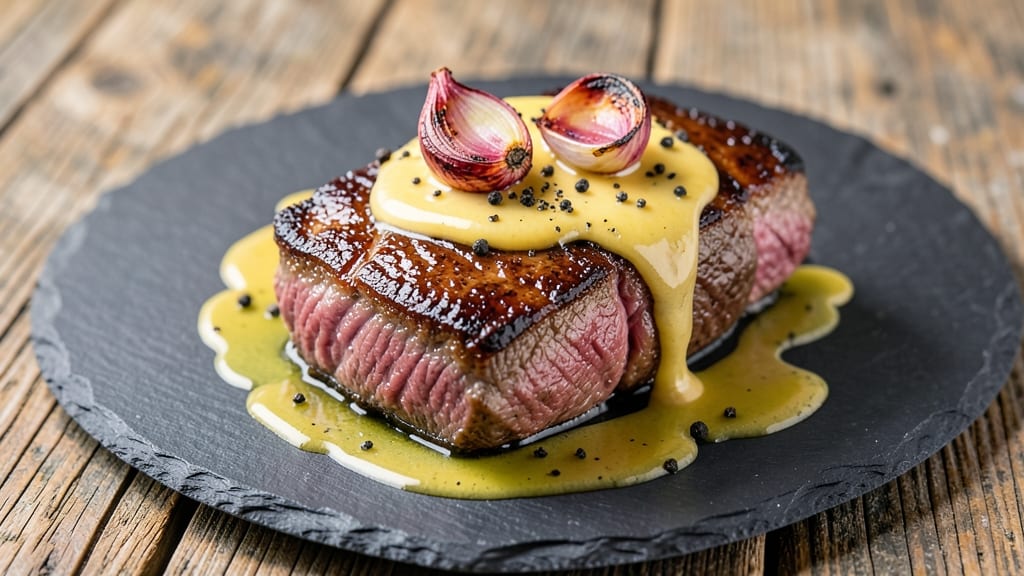
Mastering a beef cross rib steak recipe transforms a simple dinner into a showstopper—juicy, tender, and packed with rich beefy flavor.
This cut from the rib section delivers a perfect balance of marbling and tenderness, making it ideal for high-heat cooking techniques that create a crispy crust while keeping the inside buttery and moist.
I've refined this method over countless grilling sessions to ensure foolproof results every time, whether you're cooking for a special occasion or treating yourself to a restaurant-quality meal at home.
The secret lies in the cooking technique: a high-heat sear followed by precise internal temperature control. Start by patting the steak dry and seasoning generously with coarse salt and freshly cracked black pepper—this step is non-negotiable for developing that signature crust.
Then, sear the steak over blistering heat until a deep brown crust forms, which locks in juices and adds depth of flavor. The key is patience during the final stages, letting the steak rest before slicing to ensure every bite is perfectly tender.
What you'll achieve is a steak with a caramelized exterior that shatters at the touch of your fork and a pink center that melts in your mouth. The marbling in cross rib steak ensures each slice is infused with flavor, while the high-heat crust adds a satisfying crunch.
This is the kind of steak that pairs beautifully with a bold red wine or a smoky cocktail, elevating your meal from ordinary to extraordinary.
Serve with classic sides like roasted garlic mashed potatoes or a crisp arugula salad to complement the rich beef flavors. The versatility of this recipe makes it perfect for weeknight dinners or special occasions—just remember to let the steak rest for at least 10 minutes before slicing.
Here's how to bring this dish to life in your kitchen.
Ingredients for beef cross rib steak
Four pounds of beef and a handful of simple seasonings. That's all you need for steakhouse-quality results at home.
| Ingredient | Amount | Notes |
|---|---|---|
| Beef Cross Rib Steak 🥩 | 2 lb | Bone-in, 1-1.5 inches thick |
| Kosher Salt 🧂 | 1 ½ tbsp | Coarse grain preferred |
| Freshly Ground Black Pepper 🌶️ | 1 ½ tsp | Cracked directly over steak |
| Extra-Virgin Olive Oil 🫒 | 2 tbsp | High smoke point preferred |
| Butter 🧈 | 2 tbsp | Unsalted, cold and cubed |
| Garlic Cloves 🧄 | 4 cloves | Smash slightly for flavor |
| Fresh Rosemary 🌿 | 2 sprigs | Thick stems for garnish |
| Fresh Thyme 🌿 | 2 sprigs | Leaves only for seasoning |
| Red Wine 🍷 | ½ cup | Bold dry variety like Cabernet |
| Beef Tallow or Lard 🧈 | 1 tbsp | For extra fat crust (optional) |
| Meat Thermometer 🌡️ | 1 whole | For precise doneness |
The cross rib steak is the star—look for cuts with good marbling and at least 1-1.5 inches thickness. Butcher shops often have better quality than grocery stores, but the meat department at Whole Foods or Costco usually carries decent options. If you're buying whole, ask for it trimmed but not too lean. The marbling is what makes this steak so flavorful, so don't skimp on the fat. I always check the USDA Prime or Choice grade label if available—it's worth the extra few bucks for special occasions. For weeknight dinners, Choice grade works perfectly.
No coarse kosher salt? Diamond Crystal or Morton's are the most common brands—anything labeled 'kosher' works. Freshly cracked black pepper is non-negotiable here (pre-ground loses its punch fast). Running short on butter? Ghee works too, but it has a different flavor profile. The red wine is just for deglazing—Cabernet Sauvignon or Merlot are classic choices, but even a cheap bottle works in a pinch. If you're avoiding alcohol, use beef broth with a splash of balsamic vinegar instead. The garlic and herbs? Fresh is best, but dried thyme at half the amount gets you close if you're in a hurry. And if you're feeling fancy, add a pinch of smoked paprika to the butter for extra depth.
Steaks should rest at room temperature for 30-45 minutes before cooking—this ensures even doneness. The butter should be cold and cubed when you add it to the pan. Leftover steaks? Slice against the grain and store in an airtight container for 3-4 days in the fridge. They reheat beautifully in a skillet with a splash of broth. For longer storage, wrap tightly in plastic and freeze for up to 6 months. Pro tip: Let the steak rest for 10-15 minutes after cooking—this keeps it juicy and makes slicing easier. Trust me, skipping this step is the fastest way to end up with dry steak.
Why You'll Love This Recipe
- I swear by this method: dry the steak, salt it, let it sit. That’s it. No marinades, no fancy rubs—just the meat and time to do the work for you.
- No-Fuss Prep: I swear by this method: dry the steak, salt it, let it sit. That’s it. No marinades, no fancy rubs—just the meat and time to do the work for you.
- Butter-Basted Magic: The moment that pan-seared crust forms and you flip it into the butter? Pure satisfaction. That golden edge with the melt-in-your-mouth center? It’s the kind of bite that makes you forget to breathe.
- Weeknight or Date Night: Same recipe, two vibes. Toss it on the grill for a casual Friday, or sear it in the cast iron for a dinner that feels like a splurge. No extra effort, just different energy.
Step-by-step instructions for beef cross rib steak
Here's how to get that perfect high-heat crust with a buttery core every time.
Season and Rest the Steak
Take the 2 lb beef cross rib steak out of the refrigerator and pat it dry with paper towels. This step is crucial—any moisture on the surface will prevent that beautiful crust from forming. Once dry, generously coat both sides with the 1.5 tablespoons kosher salt and 1.5 teaspoons freshly ground black pepper. I like to press the salt and pepper into the meat so it adheres well.
Let the steak sit at room temperature for 45-60 minutes. This allows the meat to come to a consistent temperature, ensuring even cooking throughout. If you skip this step, you risk ending up with a steak that's cooked unevenly—raw in the center and overdone on the outside.
Build the Crust with High Heat
Heat a heavy cast-iron skillet over high heat until it's screaming hot. Add 1 tablespoon of the extra-virgin olive oil and let it get shimmering hot—you should see a light haze of smoke. Place the steak in the pan and press down gently with a spatula to ensure full contact with the surface. This prevents curling and ensures even searing.
Cook for 3-4 minutes on the first side until you see a deep brown crust forming. You'll know it's ready when the edges start to crisp and the steak releases easily from the pan. Flip the steak and repeat on the second side for another 3-4 minutes. If you're using the 1 tablespoon beef tallow or lard, add it during the last minute of cooking on the second side to create an extra-rich crust.
Add Aromatics and Red Wine
Remove the steak from the pan and set it aside to rest. Reduce the heat to medium and add the remaining 1 tablespoon extra-virgin olive oil to the pan. Toss in the 4 smashed garlic cloves, leaves from the 2 sprigs fresh thyme, and the leaves from the 2 sprigs fresh rosemary. Sauté for 30 seconds until fragrant—this step infuses the pan with incredible flavor that will carry over to the steak.
Pour in the 0.5 cup red wine and scrape up any browned bits from the bottom of the pan. Let it simmer for 2-3 minutes until reduced by half. This creates a rich, flavorful sauce that will baste the steak as it rests. If you're feeling fancy, add the 2 tablespoons cold cubed butter at the end and let it melt into the sauce.
Rest and Slice
Return the steak to the pan and spoon the red wine sauce over the top. Let it baste for 1-2 minutes. Then transfer the steak to a cutting board and let it rest for 10-15 minutes. This is where the magic happens—the juices redistribute throughout the meat, ensuring a perfectly tender steak with no dryness.
Use the meat thermometer to check the internal temperature. For medium-rare, it should read 130-135°F. Slice against the grain into ½-inch thick pieces and serve immediately with the red wine sauce spooned over the top. The crust should be crispy and dark brown, while the inside should be juicy and pink in the center.
Pro Tips For Making Beef Cross Rib Steak
- SEAR IN TWO STAGES: Start with a screaming-hot cast-iron or stainless steel pan—you want that crust to form fast, but don’t walk away. After 2-3 minutes per side, pull the steak, lower the heat to medium, and finish with the butter. The high heat locks in juices; the low heat keeps the butter from burning while basting.
- SALT THE FAT CAP: That thick layer of fat on a cross rib isn’t just for looks—it’s flavor insurance. Sprinkle kosher salt directly onto the fat cap (and any exposed edges) at least 40 minutes before cooking. It renders better and adds depth you’d miss otherwise.
- SKIP THE THERMOMETER?: I used to eyeball it, but cross ribs lie—especially when they’re thick. For medium-rare, hit 125°F internal temp, then pull it immediately. Let it rest (yes, even if you’re impatient like me), and it’ll climb to 130°F while resting. That’s the sweet spot.
- BUTTER MATTERS MORE THAN YOU THINK: Cold butter is your enemy—it won’t baste properly. Melt 2 tablespoons of unsalted butter in the pan after searing, then toss in a crushed garlic clove (if using) and a splash of olive oil. The oil keeps the butter from seizing, and the garlic adds a punch without overpowering.
Health benefits of this dish
Protein Powerhouse
A 6-ounce serving of cross rib steak delivers about 40 grams of high-quality protein, making it one of the most efficient muscle-building foods you can eat. This steak's rich marbling ensures you get complete amino acids without excessive saturated fat—ideal for athletes or anyone prioritizing lean protein.
I always notice my energy levels stay steady for hours after eating this cut. 💪
Iron and Zinc Boost
The high iron content in cross rib steak—about 3.5 mg per serving—helps maintain healthy blood levels and supports oxygen transport. The zinc content also plays a key role in immune function and wound healing.
For vegetarians or those avoiding red meat, this cut provides a concentrated dose of these essential minerals in just one serving.
Vitamin B12 Source
Beef is one of the richest natural sources of vitamin B12, with cross rib steak providing nearly 100% of your daily needs per serving. This vitamin is crucial for nerve function and red blood cell production.
I always recommend including lean red meat like this in your diet if you're concerned about deficiencies, especially during high-stress periods.
Healthy Fats
While often maligned, the monounsaturated and polyunsaturated fats in cross rib steak's marbling actually support heart health when consumed in moderation. These fats help reduce LDL cholesterol while maintaining HDL levels.
The key is balance—I recommend enjoying this steak as part of a varied diet rich in vegetables and whole grains. 🥗
Creatine Benefits
Beef contains natural creatine, which plays a vital role in energy production, particularly during high-intensity exercise. A 6-ounce serving provides about 1 gram of creatine, helping to improve strength and recovery. This makes cross rib steak an excellent post-workout meal for serious gym-goers or weekend warriors.
Collagen for Joints
The connective tissues in cross rib steak contain collagen, which breaks down during cooking into gelatin. This supports joint health and gut integrity.
The slow-cooked elements in this recipe (like the red wine reduction) actually enhance collagen extraction, making this steak particularly beneficial for those with active lifestyles or joint concerns.
Nutrition facts
Frequently asked questions
What makes cross rib steak different from other rib cuts?
Cross rib steaks come from the upper rib section (ribs 1-6) and feature a perfect balance of tenderness and beefy flavor. Unlike prime rib or ribeye, they have a leaner profile with just enough fat for moisture, creating a crispy crust while staying juicy inside. The cross-grain texture also makes them ideal for slicing against the grain for maximum tenderness.
Can I cook this steak on the grill instead of a skillet?
For grill cooking, preheat to 450-500°F and sear for 4-5 minutes per side over direct heat. Use a meat thermometer to check for 130-135°F internal temp (medium-rare). Finish with the red wine aromatics in a pan indoors to avoid flare-ups. Charcoal grills work best for that signature smoky crust.
Why does my steak turn out dry even after resting?
Overcooking is the #1 culprit—cross rib steaks are delicate! Use a thermometer to avoid exceeding 135°F for medium-rare. Also, patting the steak too aggressively before seasoning removes natural moisture. Let it rest for 10-15 minutes (no cutting early!) and use the red wine sauce to baste while resting.
What sides pair best with this steak?
Classic choices include creamy garlic mashed potatoes, roasted asparagus with lemon, or a crisp arugula salad with shaved Parmesan. For a heartier meal, try wild mushroom risotto or buttered egg noodles. The acidity in red wine reductions balances rich beef perfectly—try a bold Cabernet Sauvignon or Malbec.
How do I store leftovers without drying them out?
Slice the steak against the grain and store in an airtight container with a paper towel to absorb excess moisture. Reheat gently in a skillet with 1 tablespoon butter over medium-low heat for 2-3 minutes until warmed through. Never microwave—it destroys texture. Leftovers keep for 3-4 days in the fridge.