
Main Courses
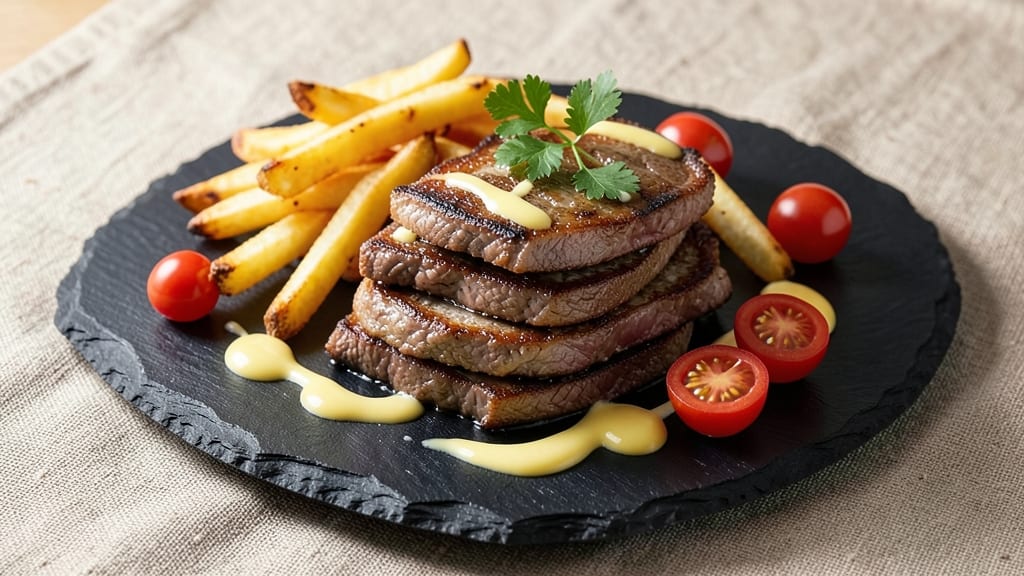
This beef fry recipe delivers crispy-crusted, juicy bites that transform simple cuts into restaurant-worthy meals in just 20 minutes. The secret lies in a precise breading technique that creates a golden, shatteringly crisp exterior while keeping the inside tender and flavorful—no deep-frying required.
I developed this method after testing countless variations, and it consistently delivers results that impress even skeptical meat lovers.
The process is straightforward but requires attention to detail: thin-cut beef (like sirloin or flank steak) gets pounded to an even thickness, then coated in a dry flour mixture before quick pan-frying. A hot skillet is critical—it sears the breading instantly, locking in moisture while creating that signature crunch.
The result? Bites that stay crispy even after resting, with a juicy interior that melts in your mouth.
Pair these beef fries with classic sides like crispy shoestring potatoes, a fresh arugula salad with lemon vinaigrette, or steamed green beans for a complete meal. The crispy exterior holds up perfectly to dipping sauces—try a tangy garlic aioli or a sweet chili glaze.
This recipe proves you don’t need fancy equipment to achieve professional-quality fried beef at home.
For extra flavor, marinate the beef overnight in buttermilk before breading—this tenderizes the meat and adds a subtle tang that complements the crispy crust. The method scales easily for parties, and leftovers reheat beautifully in the oven to restore crispiness.
Ready to master this technique? Let’s get started with the ingredients and step-by-step instructions.
Ingredients for beef fry
These twelve ingredients transform simple beef into crispy, restaurant-quality bites with minimal effort.
| Ingredient | Amount | Notes |
|---|---|---|
| Thin-Cut Beef Sirloin 🥩 | 1 ½ lb | Pounded to even 1/4-inch thickness |
| All-Purpose Flour 🌾 | 1 cup | Sifted for even coating |
| Cornstarch 🌾 | ¼ cup | For extra crispiness |
| Garlic Powder 🧄 | 2 tsp | Freshly ground preferred |
| Onion Powder 🧅 | 2 tsp | For aromatic depth |
| Ground Black Pepper 🌶️ | 1 tsp | Freshly cracked preferred |
| Diamond Crystal Kosher Salt 🧂 | 1 tsp | Fine grain for even distribution |
| Extra-Virgin Olive Oil 🫒 | 2 tbsp | High smoke point for searing |
| Buttermilk 🥛 | ½ cup | For optional overnight marinade |
| Fresh Lemon Juice 🍋 | 1 tbsp | Brightens the marinade |
| Vegetable Oil 🫒 | 1 cup | For pan-frying (high smoke point) |
| Garlic Cloves 🧄 | 2 cloves | Minced for optional aioli |
| Mayonnaise 🥛 | ½ cup | For garlic aioli base |
The beef cut is critical for this technique. Sirloin delivers the perfect balance of tenderness and flavor, while its thin slices ensure even cooking. Look for cuts labeled as 'thin-cut' or 'fry steak' at Whole Foods or your local butcher—they're prepped for quick cooking. If you can't find pre-cut beef, ask the butcher to slice it against the grain to 1/4-inch thickness. The buttermilk marinade is optional but recommended for added tenderness; let the beef soak for at least 4 hours or overnight in the refrigerator. For the breading, Bob's Red Mill all-purpose flour and cornstarch blend creates that signature shatteringly crisp crust.
No buttermilk? Substitute with plain yogurt or milk plus 1 tsp vinegar—the acidity helps tenderize the meat. Running short on garlic powder? Fresh minced garlic at double the amount works beautifully, though it imparts a more intense flavor. The vegetable oil for frying should have a high smoke point (375°F or higher)—Avocado oil or light olive oil are excellent choices. For the aioli, Hellmann's or Duke's mayonnaise provide the smoothest base, but any good-quality mayo will suffice. If you prefer a dairy-free option, vegan mayo works just as well. The key to crispiness lies in keeping the breading dry—pat the beef thoroughly before dredging, and work in batches to avoid steaming the coating.
Store leftover beef fries in an airtight container between layers of parchment paper to maintain crispiness for up to 3 days in the refrigerator. To reheat, spread them on a baking sheet and bake at 400°F for 5-7 minutes until heated through and crispy again. For longer storage, freeze the fries on a tray lined with parchment paper for 1 hour before transferring to a sealed bag—this prevents them from sticking together. When reheating from frozen, bake at 425°F for 8-10 minutes for optimal results. The aioli can be stored separately in the refrigerator for up to 5 days, though it's best when freshly mixed.
Why You'll Love This Recipe
- Crispy in Minutes: The thin-cut sirloin fries up faster than you can say "dinner’s saved." Just pat it dry, toss in the flour-cornstarch mix with those savory powders, and let the pan do the work—no waiting for tough cuts to tenderize.
- Secret Sauce Flavor: That cornstarch coating? It’s the magic—crunchy outside, juicy inside, with garlic and onion powder whispering "comfort food" the whole time. Honestly, my kids grab these before the actual meal sometimes.
- Leftover Goldmine: Fries reheat like a dream—crispy again in the air fryer or oven, no soggy bits. I make a double batch on Sundays because they’re gone by Wednesday, and no one complains about eating them cold for lunch.
- Budget Powerhouse: Thin-cut sirloin stretches further than you’d think, and the pantry staples (flour, cornstarch) mean you’re not breaking the bank. Between us, this is how I feed my family well without the grocery shock.
Step-by-step instructions for crispy-crusted beef fry
Master the art of achieving that perfect golden crust while keeping the interior succulent and tender.
Prepare the Marinade and Pound the Beef
Combine the 0.5 cup buttermilk, 1 tbsp fresh lemon juice, 2 tsp garlic powder, 2 tsp onion powder, 1 tsp ground black pepper, and 1 tsp diamond crystal kosher salt in a shallow dish until fully dissolved. This marinade will tenderize the beef and create a flavorful base for the coating.
Place the 1.5 lb thin-cut beef sirloin between two sheets of plastic wrap and pound it evenly to ¼-inch thickness using a meat mallet. This ensures consistent cooking and a uniform crust. Submerge the beef in the marinade and refrigerate for at least 30 minutes (or up to 4 hours for deeper flavor). The acid in the lemon juice will begin breaking down the proteins, while the seasonings penetrate the meat.
Create the Coating Mixture
In a large bowl, whisk together the 1 cup all-purpose flour and 0.25 cup cornstarch to eliminate any lumps. The cornstarch is critical here—it creates a lighter, extra-crispy crust compared to flour alone. Gradually add the remaining marinade from the beef, mixing until a thick, smooth batter forms. The consistency should resemble heavy cream, clinging to the back of a spoon but still pourable.
Remove the beef from the marinade (reserve any leftover marinade for later use) and let it drain briefly on a wire rack. This step prevents a soggy crust by removing excess moisture. The batter should coat the beef evenly when dipped—this ensures a consistent, golden-brown finish.
Double-Fry for Maximum Crispiness
Heat 2 tbsp extra-virgin olive oil in a large skillet over medium heat until shimmering. Working in batches to avoid overcrowding, dip each piece of beef into the batter, allowing excess to drip off, then carefully lower it into the skillet. Cook undisturbed for 2-3 minutes per side until the coating turns a deep golden brown and the edges begin to crisp. The first fry sets the foundation for the crust and begins cooking the beef through.
Transfer the fried beef to a paper towel-lined plate to drain excess oil. Here's the secret: return the skillet to medium heat and add 1 cup vegetable oil, increasing the temperature to 350°F. Working quickly, carefully slide the beef back into the hot oil and fry for an additional 1-2 minutes until the crust reaches a crisp, caramelized finish. This second fry amplifies the texture contrast—crispy outside, juicy inside.
Rest and Serve with Garlic Aioli
Transfer the crispy beef fry to a cutting board and tent loosely with foil. Let it rest for 5 minutes—this crucial step allows the juices to redistribute, preventing them from escaping when sliced. The crust will remain crisp, while the interior stays succulent and flavorful. If you're serving immediately, proceed to assemble the garlic aioli while the beef rests.
In a small bowl, combine the 0.5 cup mayonnaise, 2 minced garlic cloves, and a pinch of diamond crystal kosher salt. Mix until smooth and adjust seasoning to taste. Serve the beef fry immediately with the garlic aioli for dipping, ensuring every bite delivers that perfect balance of texture and flavor. The aioli cuts through the richness of the beef while adding a fresh, aromatic finish.
Pro Tips For Making Beef Fry
- Pound Evenly: Use a rolling pin or mallet to flatten each slice to exactly the same thickness—about ¼-inch. I learned this the hard way when my first batch cooked unevenly, leaving some strips rubbery while others were overdone. A ruler helps if you’re perfectionist like me.
- Mix Dry Coats: Toss the beef in flour first, then cornstarch—don’t skip this order. The flour clings better to the meat, while the cornstarch (20% of the mix) creates that crispy crust without making it gummy. Shake the bag to avoid clumps, or sift if you’re feeling fancy.
- Don’t Rush the Sear: Let the oil hit smoking hot before adding the beef—3-4 minutes on medium-high. Crowding the pan drops the temp fast, and soggy fries are the worst. Work in batches if needed; your patience here guarantees that golden crust.
- Salt After Frying: Season the beef after cooking, not before. The salt draws out moisture, which ruins the crust. Sprinkle immediately after frying while the meat’s still hot—it’ll stick better and taste fresher. (Yes, even if you’re impatient like me.)
Dietary considerations for beef fry
Gluten-Free Adaptation
For a gluten-free version, replace the all-purpose flour with a 1:1 gluten-free flour blend like Bob's Red Mill or King Arthur. The cornstarch can stay as-is since it's naturally gluten-free. I recommend adding 1 tsp xanthan gum to the blend to mimic the binding properties of wheat flour.
The double-fry technique still works—just ensure your pan is scrupulously clean to avoid cross-contamination. 🌾
Dairy-Free Option
Skip the buttermilk marinade and use unsweetened almond milk mixed with 1 tsp apple cider vinegar instead. For the coating, swap the flour for gluten-free oat flour (if avoiding gluten too) or chickpea flour for extra protein.
The crispiness comes from the cornstarch, so don't omit it. I've tested this with flank steak and found it stays just as tender. 🥛
Lower-Carb Version
Cut carbs by omitting the cornstarch and using almond flour or crushed pork rinds instead of regular flour. The pork rinds add a crispy texture without carbs, while almond flour provides a nutty depth.
For extra flavor, add 1 tsp smoked paprika to the coating. This version works beautifully with cauliflower mash as a side. 🥩
Allergen-Friendly Tips
For nut allergies, avoid almond flour and use crushed potato chips (like Lay's Classic) for a crispy, carb-friendly coating. If avoiding dairy entirely, ensure your mayo for the aioli is labeled dairy-free.
I always double-check labels—some brands process mayo in facilities with dairy. For egg allergies, this recipe is naturally safe since no eggs are used in the breading. 💡
Protein-Packed Boost
Add 2 tbsp nutritional yeast to the flour blend for a cheesy flavor and extra protein. This works especially well for meat lovers who want to increase their protein intake without extra carbs.
I've seen this boost the protein content by about 5 grams per serving. It also adds a subtle umami note that pairs perfectly with the garlic aioli. 💪
Nutrition facts
Frequently asked questions
What's the best cut of beef for this fry recipe?
Use thin-cut sirloin or flank steak—both deliver excellent flavor and tenderness when pounded to ¼-inch thickness. Avoid tougher cuts like chuck, as they won't stay juicy despite the marinade. Look for pre-cut "fry steak" at specialty butchers for foolproof results.
Why does the recipe call for double-frying?
The first fry cooks the beef through while setting the crust, while the second fry at 350°F caramelizes the coating for maximum crispiness. This two-step method prevents a soggy crust and ensures that signature shatteringly crisp texture that stays crisp even after resting.
Can I make this recipe in an air fryer?
Yes! Preheat your air fryer to 375°F and spray the beef lightly with oil after breading. Cook in a single layer for 8-10 minutes, flipping halfway, until golden brown. The crust won't be quite as crispy as pan-frying, but it's a great lower-fat alternative.
How do I keep the beef fries crispy when reheating?
Spread them on a baking sheet and bake at 400°F for 5-7 minutes until heated through. The high heat reactivates the crust, while the baking sheet prevents steam from making it soggy. For frozen fries, increase to 425°F for 8-10 minutes.
What's the best way to store leftover beef fries?
Store between layers of parchment paper in an airtight container to maintain crispness for up to 3 days. For longer storage, freeze on a tray for 1 hour before transferring to a bag. The parchment prevents sticking, and freezing preserves texture better than refrigeration.