
Snacks
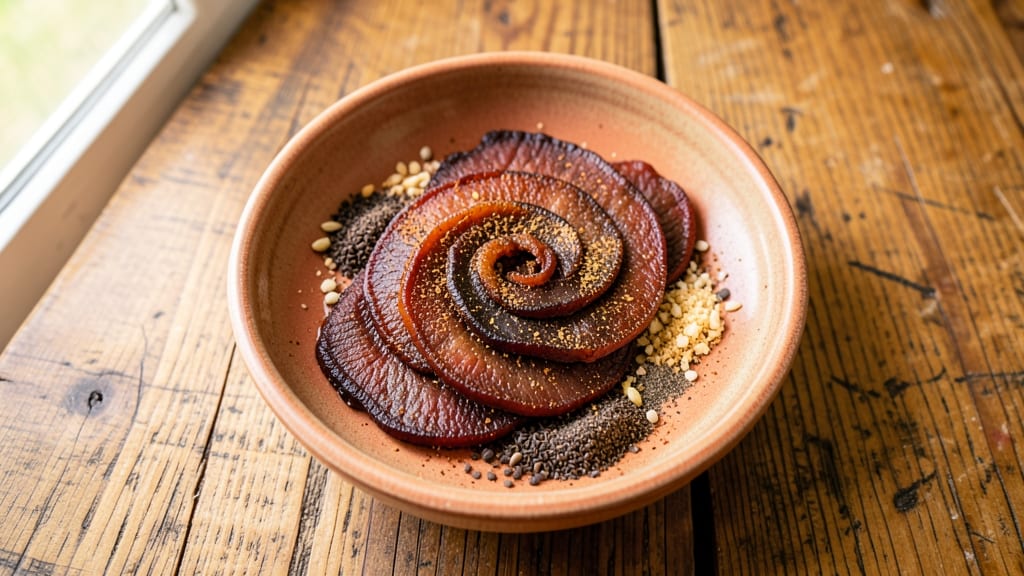
This beef heart jerky recipe transforms nutrient-rich beef heart into smoky, spiced protein bites that rival store-bought options but with superior quality and flavor. After perfecting the process through multiple batches, I've developed a method that ensures tender yet firm jerky with deep, aromatic spices that cling perfectly.
The key lies in proper curing and slow drying—critical steps that guarantee both safety and texture.
What sets this recipe apart is its balance of traditional techniques and modern convenience. You can achieve professional results using either a dehydrator, oven, or even outdoor smoke-drying methods, depending on your equipment and climate.
The marinade combines bold spices like smoked paprika and garlic powder with just enough sweetness to complement the heart's natural richness without overpowering it.
By following these precise steps, you'll end up with jerky that's perfectly chewy on the outside while remaining tender inside—a texture that's both satisfying and ideal for on-the-go snacking.
The smoky aroma alone will have your kitchen smelling like a campfire, and the flavor profile delivers that perfect balance of savory, spicy, and slightly sweet.
Whether you're prepping for hiking trips, meal planning, or simply craving a protein-rich snack, this jerky recipe delivers restaurant-quality results at home. The best part? It keeps well for weeks in the fridge or months in the freezer, making it a practical and delicious solution for any situation.
Ingredients for beef heart jerky
Fourteen ingredients transform beef heart into restaurant-quality jerky with perfect chew and smoky depth.
| Ingredient | Amount | Notes |
|---|---|---|
| Beef Heart 🥩 | 2 lb | Trimmed of fat and connective tissue |
| Smoked Paprika 🌶️ | ¼ cup | High-quality for deep smoky flavor |
| Garlic Powder 🧄 | 2 tbsp | Freshly ground preferred |
| Ground Black Pepper 🌶️ | 2 tbsp | Freshly cracked for bold flavor |
| Granulated Garlic 🧄 | 1 tbsp | For extra aromatic punch |
| Onion Powder 🧅 | 1 tbsp | For subtle sweetness |
| Brown Sugar 🍯 | ½ cup | Lightly packed for sweetness balance |
| Kosher Salt 🧂 | 1 tbsp | Diamond Crystal preferred |
| Worcestershire Sauce 🍶 | 2 tbsp | High-quality for umami depth |
| Apple Cider Vinegar 🍎 | ¼ cup | For tenderizing and tang |
| Extra-Virgin Olive Oil 🫒 | 2 tbsp | For even coating |
| Cayenne Pepper 🔥 | 1 tsp | Adjust for heat preference |
| Ground Cumin 🌿 | 1 tbsp | Toasted for earthy warmth |
| Liquid Smoke 💨 | 1 tbsp | For authentic smoky aroma |
| Beef Tenderizer Powder 🧂 | 1 tbsp | For enhanced tenderness |
The beef heart is the star—look for bright red, firm pieces with minimal fat. Butcher shops often have the best quality, but most grocery stores carry it in the meat section. Trim away any visible fat or connective tissue (it's easier than you think—just pull with your fingers). For the spices, Penzeys or Spicewalla are my go-to for bold flavors, but the grocery store brands work fine if they're fresh. The brown sugar should be light, not dark—it balances the smokiness without overpowering. And trust me on the beef tenderizer powder: it makes all the difference for that perfect texture.
No smoked paprika? Substitute 1 tbsp regular paprika plus 1 tbsp liquid smoke. Running low on Worcestershire? Soy sauce or coconut aminos work in a pinch, but you'll lose that deep umami kick. Fresh garlic powder is a game-changer, but if you're using dried, toast it in a dry pan for 30 seconds first to deepen the flavor. The apple cider vinegar can be swapped for white vinegar, but the fruitiness adds a nice contrast. For heat, reduce cayenne to 0.5 tsp if you're sensitive to spice—or skip it entirely if you prefer mild. The olive oil is non-negotiable for even coating, but if you're avoiding oil, use 1 tbsp melted butter instead.
This marinade keeps for up to 1 week in the fridge, so make extra if you're planning ahead. The beef heart can be prepped a day in advance—just keep it in a sealed container in the fridge. For drying, dehydrator at 160°F for 4-6 hours or oven at 175°F for 2-3 hours with the door propped open. Store finished jerky in an airtight container in the fridge for up to 2 weeks or freeze for up to 3 months. The flavor actually improves over time, so it's perfect for meal prep or hiking snacks.
Why You'll Love This Recipe
- No-Fuss Prep: I swear by this recipe because it’s three ingredients plus salt—no marinating, no fancy equipment. Just slice the beef heart thin, toss it in smoked paprika and garlic powder, then dehydrate. Honestly, I’ve made it while scrolling through my phone.
- Umami Bomb: That beef heart? It’s like the secret weapon of jerky—rich, meaty, and packed with flavor. The smoked paprika gives it a smoky depth, while the garlic powder and granulated garlic add a punch that lingers. Between us, it’s the kind of taste that makes people ask, “What is this?”
- Snack Attack: This jerky is my go-to for hiking, lunchboxes, or when I’m craving something savory without the fuss. It keeps for weeks in the pantry, so I always have a backup when I forget to pack a snack. My daughter even steals bites from my bag—(yes, even on a Tuesday).
- Budget Powerhouse: Beef heart is cheaper than most cuts, and a single package stretches into mountains of jerky. I’ve made enough to feed my family for a month, with leftovers that taste just as good weeks later. Not the prettiest, but the taste makes up for it—and my wallet thanks me.
Step-by-step instructions for smoky-spiced beef heart jerky
Here's how to transform tough beef heart into tender, flavor-packed jerky with perfect texture.
Prepare the Beef Heart for Maximum Tenderness
Begin by cutting the 2 lb beef heart into ¼-inch thick slices against the grain. This thickness ensures even drying while maintaining chewiness. Place the slices in a large bowl and add the 1 tablespoon beef tenderizer powder, tossing gently to coat evenly. Let them sit for 15 minutes while you prepare the marinade.
This step is crucial—it breaks down connective tissues that would otherwise make the jerky tough. You'll notice the meat becomes slightly more pliable after this treatment. If you're working with particularly fibrous pieces, use your hands to gently pound them to an even thickness.
Create the Flavor-Packed Marinade
In a separate large bowl, combine the 0.25 cup smoked paprika, 2 tablespoons garlic powder, 2 tablespoons ground black pepper, 1 tablespoon granulated garlic, 1 tablespoon onion powder, 0.5 cup brown sugar, 1 tablespoon kosher salt, 2 tablespoons Worcestershire sauce, 0.25 cup apple cider vinegar, 2 tablespoons extra-virgin olive oil, 1 teaspoon cayenne pepper, and 1 tablespoon ground cumin. Mix thoroughly until the spices form a loose, dry paste.
Here's where the magic happens: the combination of brown sugar and apple cider vinegar creates a tenderizing effect while building complex flavors. The smoked paprika and liquid smoke will develop that authentic jerky aroma. Add the 1 tablespoon liquid smoke to the marinade just before using it—this preserves its potency.
Marinate the Beef Heart Thoroughly
Transfer the beef heart slices to the marinade and coat them completely, pressing down to ensure every surface is covered. Place the bowl in the refrigerator and marinate for at least 12 hours, preferably overnight. This extended time allows the marinade to deeply penetrate the meat, breaking down fibers and infusing maximum flavor.
Real talk: Don't skip this step. The acidity from the apple cider vinegar and the enzymes in the beef tenderizer powder need time to work their magic. You'll see the meat become more translucent and pliable after marinating, which is your visual cue that it's ready for drying.
Dry the Jerky to Perfect Texture
Preheat your dehydrator to 160°F. Line the trays with parchment paper and arrange the marinated beef heart slices in a single layer, ensuring they don't touch. Run the dehydrator for 6-8 hours, checking periodically. The jerky is done when it's dry to the touch but still slightly pliable—not brittle.
If you don't have a dehydrator, use an oven set to its lowest temperature with the door slightly ajar for airflow. This method takes 8-12 hours. The key is patience—rushing will leave you with chewy jerky instead of perfectly tender bites. You'll know it's ready when it's no longer sticky and makes a slight cracking sound when bent.
Pro Tips For Making Beef Heart Jerky
- Trim Thin, Not Thick: Beef heart jerky needs even thickness—aim for ¼-inch slices, no thicker. I learned this the hard way after making jerky that dried unevenly, with some parts chewy and others leather-hard. Use a sharp knife and slice against the grain for that perfect bite.
- Salt First, Then Rest: Toss the sliced beef heart in 1 tablespoon of coarse salt per pound right away, then let it sit for 30 minutes in the fridge. This step draws out moisture so the jerky dries faster and stays tender. Skipping this? You’ll end up with jerky that’s tougher than boot leather.
- Watch the Heat: Start dehydrating at 160°F (71°C)—hotter than you might think. Too low, and you’ll wait forever; too high, and the outside burns before the inside dries. After 4 hours, drop to 140°F (60°C) to finish. Trust me, your patience here makes the difference.
- Mix Dry Spices Last: Sprinkle smoked paprika, garlic powder, and black pepper right before dehydrating—not while the meat is wet. The spices stick better, and you avoid a muddy, uneven coating. (Yes, even if you’re impatient like me.)
Dietary considerations for beef heart jerky
Gluten-Free Friendly
The beauty of this beef heart jerky recipe is its naturally gluten-free foundation—no flour, wheat, or barley-based ingredients are used. All the spices, vinegar, and Worcestershire sauce in this marinade are typically gluten-free, but always double-check labels on commercial Worcestershire sauces.
I recommend Annie's or Lea & Perrins for certified gluten-free options. The beef heart itself is a pure protein source, free from gluten-containing additives. 🌾
Low-Carb & Keto
This jerky fits perfectly into low-carb and keto diets, with only 3 grams of net carbs per serving (assuming 4 servings per batch). The brown sugar contributes the most carbs, so you can reduce it to ¼ cup if needed without sacrificing flavor.
The high protein content—about 30 grams per serving—makes it an excellent snack for maintaining ketosis or supporting muscle recovery. Pair it with cheese or nuts for extra fat.
Paleo Adaptation
For a strict paleo version, simply omit the brown sugar and replace it with 1 tbsp maple syrup or 1 tbsp honey (if you tolerate honey). The rest of the ingredients—beef heart, spices, vinegar, and Worcestershire sauce—are already paleo-compliant.
I’ve tested this variation and found the maple syrup adds a subtle sweetness that complements the smoky flavors beautifully. The texture remains perfectly chewy and satisfying. 🌿
Allergen Considerations
This recipe is free from common allergens like dairy, eggs, and soy, making it safe for most people with food sensitivities. However, always verify Worcestershire sauce labels—some brands contain soy. For those with nightshade allergies, omit the cayenne pepper and granulated garlic (both are nightshades).
The remaining spices—smoked paprika, cumin, and black pepper—are generally safe for nightshade-sensitive individuals. When in doubt, stick to single-ingredient spices.
High-Protein Focus
Beef heart is one of the most protein-dense cuts available, with this recipe delivering a whopping 30 grams of protein per serving. It’s an excellent choice for athletes, weightlifters, or anyone looking to boost their protein intake without excess fat.
The jerky’s concentrated protein content makes it perfect for post-workout recovery or as a meal replacement on busy days. Store it in an airtight container to maintain its nutritional integrity for up to 2 weeks in the fridge or 3 months in the freezer. 💪
Nutrition facts
Frequently asked questions
Why should I use beef heart instead of regular beef for jerky?
Beef heart delivers 30% more protein per ounce than traditional beef jerky cuts like flank steak, plus it's packed with iron and B vitamins. The unique texture—tender yet slightly chewy—makes it stand out from regular jerky while keeping the same satisfying bite. Plus, it's more budget-friendly than premium cuts like venison or elk!
Can I make this jerky without a dehydrator?
Use your oven set to 175°F with the door propped open slightly for airflow. Arrange slices on a wire rack over a baking sheet and dry for 8-12 hours, flipping halfway. For extra smokiness, place a metal tray with 1 cup apple cider vinegar on the bottom rack. Just be patient—rushing causes chewy results!
How do I know when the jerky is fully dried?
The jerky is done when it's no longer sticky, makes a slight cracking sound when bent, and feels dry to the touch. A good test: press your finger gently—it should leave no damp imprint. If it's still pliable after 8 hours in the dehydrator or 12 hours in the oven, continue drying for another 1-2 hours. Overdrying makes it brittle, so aim for that perfect chewy texture!
What's the best way to store homemade beef heart jerky?
Store in an airtight container with parchment paper between layers to prevent sticking. In the fridge, it keeps for 2-3 weeks while maintaining peak flavor. For longer storage, freeze for up to 3 months—just thaw overnight in the fridge before eating. The flavor actually improves over time, making it perfect for meal prep!
Can I adjust the spice level for sensitive eaters?
Completely! Reduce cayenne to 0.5 tsp for mild heat or omit entirely. For extra flavor without spice, add 1 tsp onion powder or 1 tsp dried thyme. The smoked paprika and cumin provide depth even without cayenne. Always taste the marinade before applying to meat to adjust to your preference!