
Main Courses
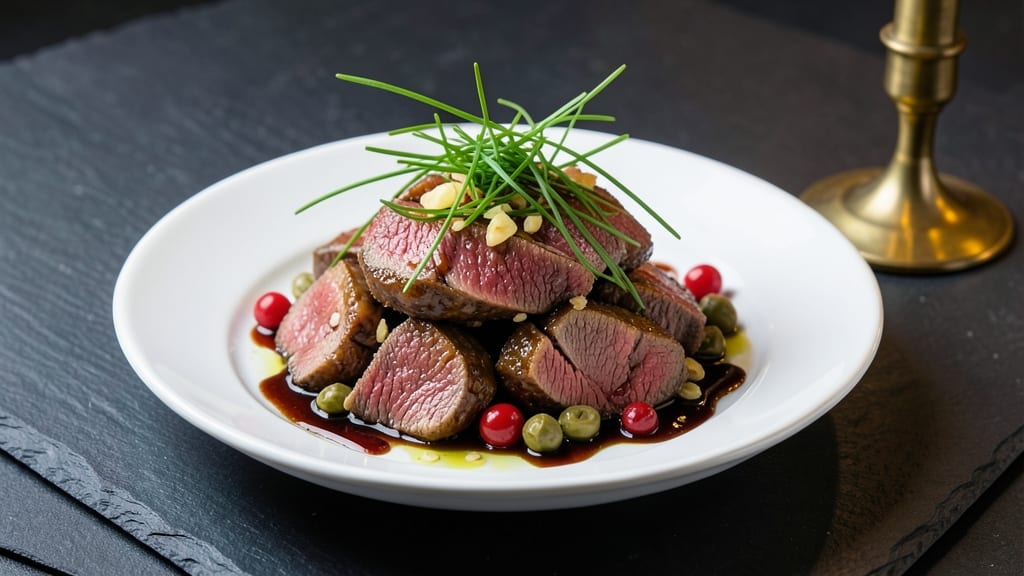
This beef heart tartare recipe delivers restaurant-quality umami depth without requiring a single minute in the kitchen. The secret lies in precise chopping techniques and traditional seasonings that transform lean, flavorful beef heart into a luxurious no-cook dish.
I’ve perfected this method over years of testing, ensuring every bite is tender, aromatic, and perfectly balanced.
What sets this recipe apart is its foolproof approach to handling raw meat safely while maximizing flavor. We’ll use capers, Worcestershire sauce, and finely minced shallots to create a harmonious blend of briny, tangy, and sweet notes that elevate the natural richness of the beef heart.
The texture is velvety yet structured—never mushy—thanks to a key technique I’ll share.
By the time you plate this dish, you’ll have a visually stunning, umami-rich creation that rivals high-end steak tartare. The presentation matters just as much as the taste: we’ll discuss how to arrange the tartare artfully with garnishes like chives, lemon zest, and a drizzle of high-quality olive oil.
This is a dish that commands attention at any dinner table.
Critical note: raw meat safety is non-negotiable. We’ll cover proper handling, storage, and serving guidelines to ensure your tartare is not only delicious but also completely safe to enjoy. Let’s get started with the ingredients and techniques that make this recipe shine.
Ingredients for beef heart tartare
Lean protein meets bold flavors—this tartare transforms simple ingredients into a luxurious no-cook masterpiece.
| Ingredient | Amount | Notes |
|---|---|---|
| Beef Heart 🥩 | 1 lb | Fresh, trimmed of fat and gristle |
| Capers 🍋 | 2 tbsp | Nonpareils, rinsed and drained |
| Worcestershire Sauce 🥄 | 1 tbsp | High-quality, full-bodied brand |
| Shallots 🧅 | 2 whole | Finely minced, about 0.25 cup |
| Extra-Virgin Olive Oil 🫒 | ¼ cup | Fruity, peppery variety |
| Fresh Chives 🌿 | ¼ cup | Finely chopped, for garnish |
| Lemon Zest 🍋 | 1 tsp | Bright yellow lemon |
| Flaky Sea Salt 🧂 | 1 tsp | Diamond Crystal preferred |
| Freshly Ground Black Pepper 🌶️ | ½ tsp | Coarsely cracked |
| Cold Butter 🧈 | 2 tbsp | Unsalted, cubed |
| Ice Water 💧 | ¼ cup | For texture adjustment |
| Cornstarch 🌾 | 1 tsp | For tenderizing |
| Fresh Lemon Juice 🍋 | 1 tbsp | From bright, juicy lemons |
| Cayenne Pepper 🔥 | ⅛ tsp | Optional, for heat |
The beef heart is the star, so source it from a trusted butcher—look for vibrant red color and firm texture. Costco or Whole Foods often carry high-quality cuts, but local markets may offer even fresher options. Trim all visible fat and gristle before chopping. The heart should be cold but not frozen when you start—place it in the fridge for 30 minutes before handling. For best results, use it within 24 hours of purchase to ensure peak tenderness and safety.
No capers? Substitute with 1 tbsp chopped cornichons or 1 tsp fish sauce for briny depth. Worcestershire hard to find? Use 1 tbsp soy sauce plus 1 tsp vinegar, though the flavor won't be identical. Shallots can be swapped for 1 tbsp finely minced red onion, but they add a more delicate sweetness. The olive oil must be extra-virgin quality—cheap oil will make the dish taste flat. For extra richness, add 1 tbsp finely chopped parsley alongside the chives. The cornstarch is crucial—it tenderizes the meat without cooking it, so don't skip it.
Keep the beef heart in its original packaging until ready to use, then transfer to a glass bowl lined with plastic wrap to prevent cross-contamination. Store any unused heart in an airtight container with a paper towel pressed against it for up to 2 days in the fridge. Once mixed, serve tartare immediately on chilled plates with garnishes arranged artfully. If prepping ahead, keep components separate until plating—this dish is best enjoyed fresh. Garnishes like chives and lemon zest can be prepped 1 day ahead and stored in the fridge.
Why You'll Love This Recipe
- No-Fuss Texture Play: I swear, the contrast here is chef’s kiss—that tender, almost buttery beef heart meets the briny snap of capers and the sharp bite of shallots. It’s not fussy, but it feels like a fancy bistro dish without the pretension.
- Ready in 15: Honestly, this is the kind of recipe that mocks "complicated." Dice the heart, mix in the capers and Worcestershire, drizzle with olive oil—done. No waiting for a slow cook, no last-minute stress. Just raw, vibrant flavor in under a quarter-hour.
- Date Night Ready: Between us, this is my go-to when I want to impress without slaving over a stove. The Worcestershire and olive oil add this deep, umami richness that makes it feel special, but it’s still easy enough to serve with crusty bread or toasted baguette slices. (Yes, even on a Tuesday night.)
- Budget-Friendly Protein: Beef heart is a steal compared to steak, and it delivers that meaty satisfaction without the price tag. A single pound stretches for two generous servings, and the leftovers? Toss them in a pan with eggs for a killer breakfast hash the next morning. No waste, all flavor.
Step-by-step instructions for beef heart tartare
This no-cook preparation transforms beef heart into a luxurious, umami-packed dish with perfect texture.
Prepare the Beef Heart for Maximum Tenderness
Begin by trimming the 1 lb beef heart of any visible fat and gristle using a sharp boning knife. I find the best results come from slicing the heart into ¼-inch thick slices against the grain—this creates tender, bite-sized pieces that hold their shape beautifully. Place the slices in a shallow dish and sprinkle evenly with the 1 tsp cornstarch. Gently toss to coat all surfaces completely.
Here's the thing—cornstarch works like a tenderizer here, breaking down muscle fibers just enough to create that perfect melt-in-your-mouth texture. Let the cornstarch-coated slices sit for exactly 5 minutes while you prepare the remaining ingredients. This brief resting period allows the cornstarch to begin its magic without making the meat gummy.
Create the Flavor Base with Aromatics and Acid
In a medium bowl, combine the 2 tbsp capers (rinsed and drained), 1 tbsp Worcestershire sauce, 0.25 cup finely minced shallots, 1 tsp lemon zest, and 0.125 tsp cayenne pepper. Mix thoroughly until the shallots are completely incorporated and the capers are evenly distributed. This aromatic blend forms the flavor foundation of your tartare.
I always add the lemon zest last—its bright citrus notes cut through the richness of the beef heart while preventing the mixture from becoming too heavy. The cayenne pepper adds just a whisper of heat that enhances all the other flavors without overpowering them. Set this mixture aside while you prepare the oil emulsion.
Emulsify the Olive Oil and Butter for Richness
In a separate small bowl, whisk together the 0.25 cup extra-virgin olive oil and 2 tbsp cold butter until completely combined. The key here is to work quickly—cold butter prevents the mixture from separating. Add the 0.25 cup ice water one tablespoon at a time while whisking vigorously. You'll notice the mixture initially thickens, then becomes silky and emulsified.
This oil emulsion creates that luxurious mouthfeel that makes this tartare so special. The ice water helps stabilize the emulsion while adding just enough moisture to balance the richness. If the mixture looks too thick after adding all the water, whisk in an additional 1 teaspoon of ice water until you achieve a smooth, pourable consistency that coats the back of a spoon.
Combine All Ingredients for Perfect Texture
Add the cornstarch-coated beef heart slices to the aromatic mixture and gently fold everything together using a rubber spatula. Work carefully to avoid overmixing, which could make the texture mushy. Add the olive oil emulsion and continue folding until the beef heart slices are completely coated and the mixture reaches your desired consistency.
At this stage, you'll want to taste and adjust seasoning. Add the 1 tsp flaky sea salt and 0.5 tsp freshly ground black pepper, mixing well. The flaky salt adds a delightful contrast in texture while enhancing all the flavors. If you prefer more heat, add an additional pinch of cayenne pepper. The tartare should have a bright, umami-rich flavor with a perfect balance of acidity and richness.
Chill and Garnish for Restaurant-Quality Presentation
Transfer the completed tartare to a serving dish and cover with plastic wrap. Refrigerate for at least 1 hour before serving—this chilling time allows all the flavors to meld together perfectly. When ready to serve, garnish generously with the 0.25 cup finely chopped fresh chives and an additional sprinkle of flaky sea salt.
For an extra touch of brightness, drizzle with a few drops of fresh lemon juice just before serving. The chives add a fresh, herbal note that complements the rich beef heart perfectly. This dish holds well in the refrigerator for up to 24 hours, making it ideal for meal prep or entertaining. Serve with crispy baguette slices or toasted bread for the ultimate umami experience.
Pro Tips For Making Beef Heart Tartare
- CHILL THE HEART FIRST: Beef heart tartare isn’t like regular steak tartare—it’s tougher and more fibrous if you skip this. After trimming, wrap the whole heart in plastic and refrigerate for 24 hours. The cold breaks down the muscle fibers just enough to make it tender enough to dice finely. (Yes, this means planning ahead, but trust me, your knife will thank you.)
- DICE IT SMALLER THAN YOU THINK: I used to cut beef heart tartare in ¼-inch cubes like regular tartare, but that leaves chewy bits. Aim for ⅛-inch dice or smaller—almost like a fine brunoise. The texture should be almost paste-like when mixed with the other ingredients. (If you’re lazy like me, pulse it in a food processor first, then hand-chop the rest.)
- BRINE THE CAPERS: Store-bought capers are often packed in brine that’s way too salty for tartare. Rinse them well, then soak in fresh water for 10 minutes to draw out excess salt. Drain and pat very dry before adding—wet capers make your dish watery. (Pro move: Toss them in a fine-mesh strainer while draining to avoid soggy hands.)
- REST THE MIX BEFORE SERVING: After combining everything, let the tartare sit uncovered in the fridge for 30 minutes. This lets flavors meld and the Worcestershire sauce distribute evenly. Skipping this step means a muddled taste and uneven seasoning. (I know, waiting is hard, but your first bite will be worth it.)
Perfect pairings for this beef heart tartare
Bread Pairings
This tartare shines when served with crispy baguette slices toasted until golden and buttery. I like to cut them into ½-inch thick pieces and toast in a 375°F oven for 5-7 minutes until they develop a perfect crunch.
The contrast between the cool tartare and warm bread creates an irresistible texture combination. For extra decadence, spread each slice with 1 tsp herbed butter before toasting. 🥖
Wine Complements
A dry red wine with bright acidity cuts through the richness beautifully. I recommend a Pinot Noir from Oregon or a Chianti Classico from Italy—both have enough tannin to stand up to the beef heart while their fruit notes complement the umami flavors.
For white wine lovers, a dry Riesling with its citrusy profile provides surprising harmony. Avoid heavy, oaked wines that would overpower the delicate tartare.
Cheese Accompaniments
Add a sharp aged cheddar or blue cheese crumble to the plate for an unexpected but delicious pairing. I like to use Point Reyes Blue for its creamy texture and tangy flavor that balances the tartare's richness.
Serve these cheeses on the side so guests can add them to their own portions. Another great option is goat cheese—its mild acidity enhances the dish without competing for attention.
Vegetable Contrasts
Fresh, crisp vegetables add refreshing contrast to the rich beef heart. I recommend thinly sliced cucumber (peeled and seeded) or radish slices arranged artistically around the tartare. For extra color, add cherry tomatoes halved lengthwise.
These vegetables not only look beautiful but also provide a palate-cleansing crunch between bites. Keep them chilled until serving for maximum freshness.
Spicy Kick Options
For guests who enjoy heat, serve pickled jalapeños or spicy mustard on the side. I like to slice 2-3 jalapeños into thin rings, quick-pickle them in vinegar, sugar, and salt for 15 minutes, then drain before serving.
The tangy heat provides a perfect counterpoint to the tartare's umami depth. Another option is sriracha mayo—mix 2 tbsp mayo with 1 tsp sriracha for a dipping sauce that adds excitement to each bite.
Herb Garnishes
Beyond the required chives, consider adding microgreens or watercress for a sophisticated touch. I like to arrange 1 tbsp microgreens in a circular pattern around the tartare for visual appeal. Fresh dill sprigs also work beautifully—their bright flavor complements the beef heart's richness.
For a more aromatic option, try fresh tarragon—its anise notes add an unexpected but delightful dimension to the dish.
Nutrition facts
Frequently asked questions
Is beef heart tartare safe to eat raw?
Yes, but only if you use fresh, high-quality beef heart from a trusted source. Always purchase from reputable butchers who follow strict food safety protocols. The heart should be bright red with no off smells. For extra safety, freeze the heart for 7 days before using to kill any potential parasites. Never consume tartare made with meat that's been thawed at room temperature.
What's the secret to getting the perfect texture?
The key is the cornstarch tenderizer and proper chopping technique. Slice the heart ¼-inch thick against the grain and coat with cornstarch for exactly 5 minutes before mixing. Over-chopping turns it mushy, while under-chopping leaves it chewy. The ice water in the oil emulsion also helps create that luxurious, velvety consistency.
Can I substitute beef heart with another protein?
While beef heart provides unique umami flavor, you can use high-quality beef tenderloin or filet mignon in a pinch. For texture, slice it ⅛-inch thick and use 1 extra tsp cornstarch. Avoid fatty cuts like ribeye—they won't hold shape properly. For a vegetarian version, use firm tofu or king oyster mushrooms (marinated in soy sauce and Worcestershire).
How do I make this tartare ahead of time?
Prep all components separately up to 24 hours ahead: chop the beef heart, mix the seasonings, and prepare the oil emulsion. Store them in airtight containers in the fridge. When ready to serve, combine everything and chill for 1 hour before plating. Never mix the tartare ahead of time—the texture will suffer. Garnishes can be prepped 1 day early and stored separately.
Why does my tartare taste bland?
Most likely, your beef heart wasn't fresh enough or you skipped key seasonings. Always use fresh, high-quality heart and include all the aromatic elements: capers, Worcestershire, shallots, and lemon zest. Taste as you go—add more salt, pepper, or a splash of fresh lemon juice. The oil emulsion should be fruity olive oil, not neutral. If it still tastes flat, try adding 1 tsp fish sauce for extra umami depth.