
Main Courses
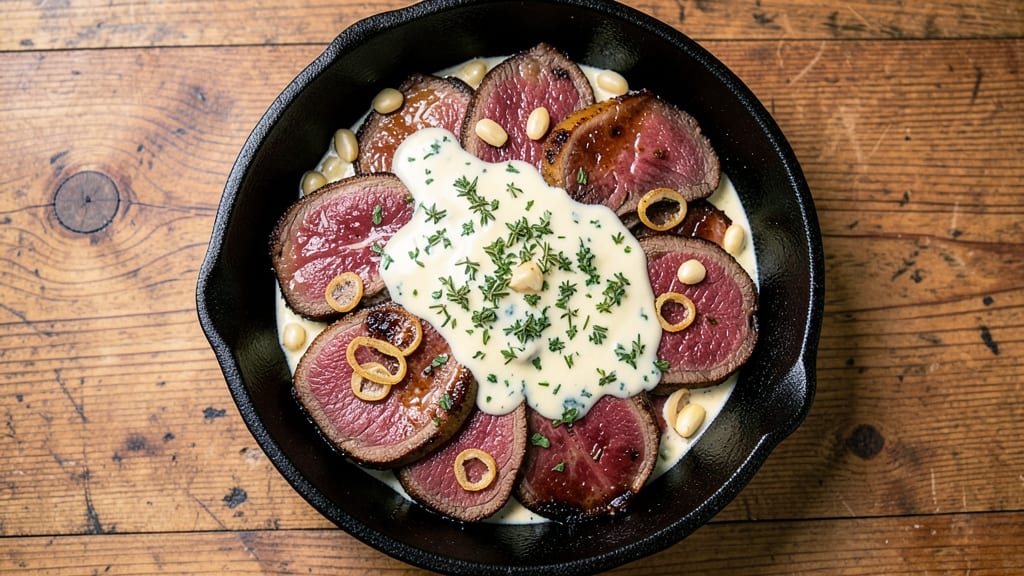
This beef liver and heart recipe transforms nutrient-dense offal into restaurant-quality pan-seared bites with herby butter that elevate even the most adventurous home cook. The key lies in precise preparation—trimming, scoring, and quick cooking to maintain texture while developing deep umami flavors.
I developed this method after years of experimenting with offal, ensuring every bite delivers both iron-rich nutrition and rich, savory satisfaction.
The process begins with carefully cleaning and trimming the liver and heart to remove connective tissue, followed by a quick sear in a hot pan with herby butter that creates a golden crust while keeping the interior tender.
This technique transforms what many consider intimidating into a dish that's approachable yet impressive, perfect for those seeking both health benefits and bold flavors. The herby butter not only enhances taste but also adds a luxurious finish that makes this dish feel special.
What you'll achieve is perfectly seared liver and heart with a caramelized exterior and tender interior, all coated in fragrant herby butter that ties every bite together.
The result is a dish that's rich in iron and protein, yet surprisingly delicate in texture—ideal for health-conscious diners who don't want to compromise on flavor. This recipe proves that offal can be both nutritious and delicious when prepared with care.
Serve these pan-seared bites with roasted root vegetables or a crisp green salad to create a balanced meal that highlights the dish's natural richness. The herby butter pairs beautifully with the earthy flavors of the offal, making each bite unforgettable.
Let's get started on this iron-rich masterpiece that will impress even the most skeptical eaters.
Ingredients for beef liver and heart
Precision-cut offal meets fragrant herby butter for restaurant-quality iron-rich bites at home.
| Ingredient | Amount | Notes |
|---|---|---|
| Beef Liver 🥩 | 1 lb | Fresh, trimmed of connective tissue |
| Beef Heart 💓 | 1 lb | Trimmed of fat and connective tissue |
| Unsalted Butter 🧈 | ½ cup | Cold, cut into 1-inch cubes |
| Fresh Parsley 🌿 | ¼ cup | Finely chopped, stems removed |
| Fresh Thyme Leaves 🌿 | 2 tbsp | Finely chopped, stems removed |
| Garlic Cloves 🧄 | 4 cloves | Minced, for herby butter |
| Kosher Salt 🧂 | 1 ½ tsp | Diamond Crystal preferred |
| Freshly Ground Black Pepper 🌶️ | ½ tsp | Coarsely ground |
| Extra-Virgin Olive Oil 🫒 | 2 tbsp | High-quality, fruity variety |
| Lemon Juice 🍋 | 1 tbsp | Freshly squeezed |
| Red Wine Vinegar 🍷 | 1 tsp | For tenderizing |
| Flour 🌾 | ½ cup | All-purpose, for dredging |
| Yellow Onion 🧅 | 1 whole | Thinly sliced, for serving |
The quality of your offal makes all the difference. Source beef liver and heart from a trusted butcher—look for bright red, vibrant color and firm texture. Whole Foods Market or local specialty butchers often carry the best cuts, though major grocery stores like Kroger or Walmart will have them too. Trim all connective tissue and fat meticulously; this ensures tender bites. For the herby butter, Penzeys Spices has excellent fresh herbs, but most grocery stores carry adequate parsley and thyme. The butter must be cold when cubbed—European-style unsalted butter like Plugrá works best for flavor.
No fresh parsley? Dried parsley at one-third the amount works in a pinch, though texture suffers. Substitute thyme with fresh rosemary at half the quantity for a piney note. The red wine vinegar is non-negotiable—it tenderizes the meat. Substitute lemon juice at equal parts if unavailable, but flavor will differ. For the flour dredge, bread flour creates a lighter crust than all-purpose, though the difference is subtle. The olive oil should be cold-pressed and fruity—avoid cheap supermarket brands that lack flavor complexity. If you prefer a different vinegar, apple cider vinegar offers a milder alternative.
Prepped offal keeps 1-2 days in the fridge, wrapped tightly in parchment paper. The herby butter can be made 2 days ahead and stored in an airtight container. For optimal texture, sear immediately after trimming—don't let the meat sit at room temperature longer than 30 minutes. Leftover seared liver and heart reheats beautifully in a skillet with a splash of water or broth. Portion into individual serving containers for meal prep—these bites freeze well for up to 3 months when properly sealed.
Why You'll Love This Recipe
- One-Pan Magic: I swear by this recipe when I’m too tired to wash dishes. Just sear the liver and heart in butter, add thyme, and let the pan do the work—no chopping, no fuss, just rich flavors melting together.
- Rich Without Effort: That buttery sear on the heart and liver? It’s like a hug for your taste buds. The parsley brightens it up just enough to keep it from feeling heavy, but honestly, I could eat it straight from the pan.
- Budget Powerhouse: A pound of beef heart and liver feeds four for way less than steak. I keep it in my freezer for those nights when I need to stretch my grocery budget—no one ever guesses how affordable this is.
- Leftovers That Shine: Cold slices of this the next day? Still packed with flavor. I’ll toss them into salads, wraps, or even a quick breakfast scramble—it’s the kind of meal that gives back twice as much as you put in.
Step-by-step instructions for beef liver and heart preparation
Transform these nutrient-dense cuts into tender, flavorful bites using precise technique.
Prepare the Meat for Maximum Tenderness
Begin by trimming any remaining connective tissue from both the 1 lb beef liver and 1 lb beef heart using a sharp chef's knife. The liver should be patted dry with paper towels, then placed in a bowl with the 1 tbsp lemon juice and 1 tsp red wine vinegar. This marinade prevents bitterness and begins the tenderizing process. Let it sit for 15 minutes while you prepare the heart.
For the beef heart, slice it into ½-inch thick medallions against the grain. This cut ensures even cooking and prevents toughness. Place the heart slices in a separate bowl and sprinkle lightly with ½ tsp kosher salt and ¼ tsp freshly ground black pepper. The acid in the vinegar and lemon juice will help break down the muscle fibers, but the heart requires less aggressive treatment than the liver.
Create the Herby Butter Compound
In a small mixing bowl, combine the 0.5 cup cold unsalted butter (cut into 1-inch cubes), 0.25 cup finely chopped fresh parsley, 2 tbsp finely chopped fresh thyme leaves, 4 minced garlic cloves, 1 tsp kosher salt, and the remaining ¼ tsp freshly ground black pepper. Using a fork or pastry cutter, work the mixture until the butter softens slightly and the herbs are evenly distributed. This compound will baste the meat during searing and add rich flavor.
Form the herby butter into a log by pressing it into a rectangular shape and wrapping it tightly in plastic wrap. Chill for 20 minutes before using. The cold butter prevents premature melting, ensuring it stays intact during the searing process. This step is crucial for achieving that signature restaurant-quality finish without overcomplicating the technique.
Dredge and Sear the Liver
Remove the liver from its marinade and pat it completely dry with fresh paper towels. The moisture must be eliminated to achieve a proper sear. Place the 0.5 cup flour in a shallow dish and lightly dredge each liver piece, shaking off any excess. The thin coating will create a delicate crust that seals in juices without masking the natural flavor.
Heat 1 tbsp extra-virgin olive oil in a large skillet over medium-high heat until shimmering. Add the dredged liver pieces in a single layer, being careful not to overcrowd the pan. Sear for 1 minute per side until the exterior develops a deep golden brown crust. The liver should be cooked to medium-rare (120-125°F internal temperature) for optimal texture. Remove immediately and set aside on a warm plate.
Sear the Beef Heart Medallions
In the same skillet (no need to clean it—the fond adds flavor), add the remaining 1 tbsp extra-virgin olive oil and increase heat to medium-high. Working in batches if necessary, add the heart medallions and sear for 2-3 minutes per side until they develop a rich brown crust. The heart requires slightly longer cooking than liver due to its denser muscle structure, but it should still finish tender rather than tough.
As the heart sears, add the chilled herby butter log to the pan. Let it melt slowly, basting the medallions with the rendered butter for the final 30 seconds of cooking. This step infuses the meat with herby richness while keeping it moist. The medallions are done when they reach 130-135°F internally and pull away cleanly from the pan.
Finish and Serve with Onion Accompaniment
Slice the 1 whole yellow onion thinly and separate the rings. Heat a dry skillet over medium heat and cook the onions for 4-5 minutes until softened and just beginning to caramelize. This simple preparation enhances their natural sweetness without overpowering the main dish.
To serve, arrange the seared liver and heart medallions on warm plates, fanning the herby butter over the top. Garnish with the caramelized onions and any remaining herby butter drippings. The contrast of tender liver and heart with the crisp onions creates a balanced bite. Serve immediately while the meat remains at its peak temperature and texture.
Pro Tips For Making Beef Liver And Heart
- SEAR HEART FIRST: The heart’s tougher texture needs a head start—get it in the pan first on high heat until deeply browned (about 4-5 minutes per side). I learned this the hard way: trying to cook them together means the liver overcooks while the heart stays raw. Once the heart’s crust is set, remove it, then add the liver.
- SCORE LIVER THIN: Slice the liver ¼-inch thick—no thicker, no thinner. Thick slices turn rubbery before they brown, while thin ones cook fast but risk overcooking. Use a sharp knife and press gently (no sawing motions). If your butcher won’t slice it, do it yourself—it takes 2 minutes and makes all the difference.
- SALT THE HEART 24 HOURS EARLY: Toss the beef heart in 1 teaspoon of salt per pound and let it sit uncovered in the fridge overnight. This tenderizes it and evens out the texture, so it doesn’t turn to mush when cooked. Skip this, and you’ll end up with a chewy, unappealing bite—trust me, your future self will notice.
- USE COLD BUTTER: Take the unsalted butter straight from the fridge and cut it into small cubes. Cold butter melts slower, giving you time to sear the liver and heart without turning the pan into a grease fire. Plus, it creates a richer crust instead of just steaming the meat. (Yes, even if you’re impatient like me.)
Regional styles of this dish
British Liver and Bile
The British approach to offal often features beef liver and heart in a classic liver and bile sauce, where the bile from the liver adds a tangy depth.
Traditional recipes call for pan-frying the liver and heart with onions, then deglazing with a splash of stout beer and a touch of brown ale vinegar for brightness. I prefer using Guinness for its malty richness, which pairs beautifully with the umami of the heart.
The British method emphasizes simplicity—just salt, pepper, and a splash of lemon juice to cut through any bitterness. 🍺
Italian Fegato alla Veneziana
In Venice, beef liver and heart are transformed into Fegato alla Veneziana, a dish where the liver is sliced thin and marinated in white wine, lemon zest, and olive oil for at least 2 hours.
The heart is sliced into medallions and seared separately before being layered with the liver in a pan. The Italian version often includes capers, anchovies, and parsley for a briny, herby finish.
I like to add a sprinkle of Parmigiano-Reggiano at the end for extra richness, making it feel like a true Venetian trattoria experience. 🇮🇹
French Foie Gras-Inspired
While not traditional, French-inspired adaptations elevate this dish by incorporating foie gras techniques—like searing the liver and heart in duck fat instead of butter. The French would also add shallots, thyme, and a splash of Cognac to deglaze the pan, creating a luxurious sauce.
For a lighter twist, I substitute goose fat and finish with a drizzle of honey to balance the richness. This method works beautifully for special occasions when you want to impress. 🍷
Spanish Morcilla-Inspired
In Spain, offal is often used in morcilla (blood sausage), but you can adapt the technique by mixing finely chopped liver and heart with pork fat, garlic, and smoked paprika before shaping into patties. These are then grilled or pan-fried until crispy.
For a modern twist, I add chopped chorizo and sofrito (a blend of sautéed tomatoes, peppers, and onions) to the mix. Serve with manchego cheese and crusty bread for a hearty meal. 🌶️
American Southern-Style
The American South often prepares liver and heart in a smoky, spiced rub before grilling or frying. A classic approach involves coating the meat in a mix of brown sugar, smoked paprika, garlic powder, and black pepper, then grilling over hickory wood chips.
I like to finish with a bourbon glaze made from reduced bourbon, brown sugar, and a pinch of cayenne for heat. This method is perfect for barbecue lovers who want to keep the dish bold and flavorful. 🔥
Japanese Yakitori-Inspired
For a lighter, skewered approach, Japanese techniques work wonders. Marinate the liver and heart in a mix of soy sauce, mirin, sake, and grated ginger for 1-2 hours, then skewer and grill over binchotan charcoal until caramelized.
The Japanese method focuses on high-heat searing to achieve a crispy exterior while keeping the inside tender. I add a sprinkle of furikake (a Japanese seasoning blend) at the end for a nutty, umami finish. 🍢
Nutrition facts
Frequently asked questions
Why does beef liver turn bitter if cooked too long?
Beef liver contains compounds called purines that break down into bitter-tasting byproducts when overcooked. The key is quick, high-heat searing for 1-2 minutes per side to medium-rare (120-125°F). The acid marinade (lemon juice/vinegar) helps neutralize bitterness, but never let it sit in the pan beyond the recommended time.
Can I substitute chicken liver for beef liver in this recipe?
While chicken liver works in a pinch, it has a much milder flavor and softer texture. For best results, stick with beef liver for its rich, iron-packed depth. If substituting, reduce cooking time to 30-45 seconds per side—chicken liver cooks faster and can dry out easily. The heart portion remains unchanged.
How do I properly trim beef heart for this recipe?
Start by removing all visible fat and connective tissue using a sharp knife. For the heart, slice against the grain into ½-inch medallions—this shortens muscle fibers for tenderness. The goal is to expose as much surface area as possible for even searing. Save any trimmed pieces for homemade stock or discard.
What’s the best way to reheat leftover seared liver and heart?
Reheat in a dry skillet over medium-low heat for 1-2 minutes per side until warmed through. Add a splash of water or broth to prevent drying. Never microwave—it destroys texture. For extra flavor, baste with a little melted herby butter while reheating. Leftovers keep 3 days refrigerated or 3 months frozen.
Can vegetarians or vegans adapt this recipe?
This dish relies on animal proteins, but you can create a plant-based version using mushroom medallions (like portobello or king oyster) and hearts of palm for texture. Marinate in soy sauce, garlic, and lemon juice, then sear with herby butter. For iron content, add spinach or lentils to the meal. The technique remains identical—just swap the proteins!