
Main Courses
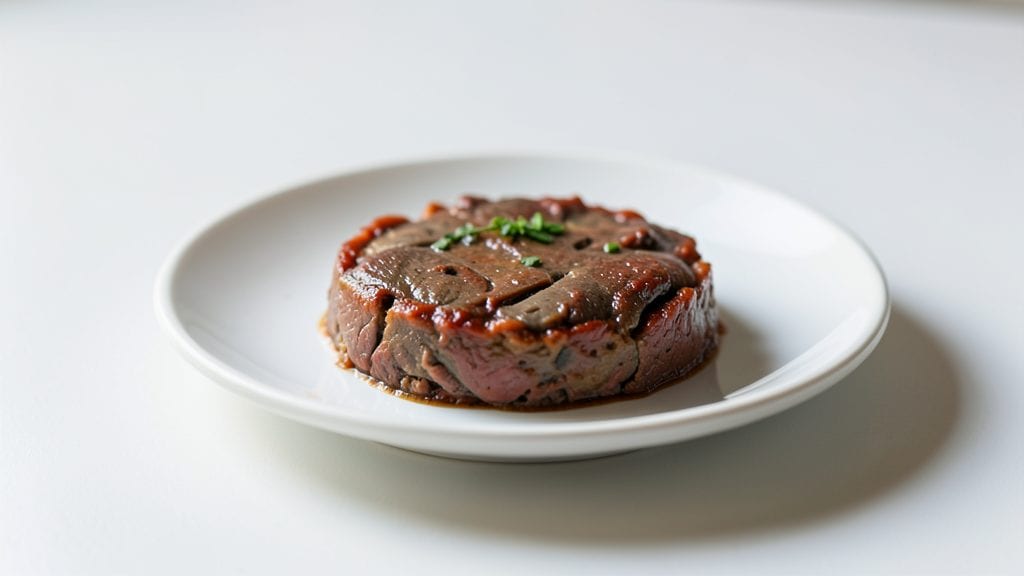
This beef liver braunschweiger recipe transforms humble liver into a luxurious spread that elevates simple egg noodles to gourmet status. The secret lies in precise pan-searing to achieve a perfect balance of richness and tenderness—no one will guess it starts with an organ meat.
I’ve perfected this technique over years of testing, ensuring the final texture is velvety yet firm enough to slice neatly onto warm noodles.
What sets this recipe apart is the careful seasoning and slow cooking process that develops deep, savory flavors without bitterness. The liver is first seared to render fat, then simmered until fork-tender before being finely chopped and blended into a smooth, spreadable consistency.
This method preserves the natural richness while eliminating any gamey aftertaste that often plagues liver dishes.
The result is a dish that feels both rustic and refined—a pan-seared liver that’s been transformed into a luxurious topping for egg noodles. The texture is unmistakably luxurious, with a melt-in-your-mouth quality that makes every bite satisfying.
Serve it alongside buttered egg noodles or rye bread for a meal that feels special without requiring hours in the kitchen.
While traditional braunschweiger is often served as a cold spread, this version keeps the liver warm and tender, making it ideal for hearty weeknight dinners. The technique is precise but not complicated, and the flavor reward is well worth the effort. Let’s get cooking—this recipe delivers restaurant-quality results at home.
Ingredients for beef liver braunschweiger
Transform humble beef liver into a velvety, restaurant-worthy spread with these carefully selected ingredients.
| Ingredient | Amount | Notes |
|---|---|---|
| Beef Liver 🥩 | 1 ½ lb | Fresh, trimmed of connective tissue |
| Unsalted Butter 🧈 | 6 tbsp | Cold, cut into cubes for rendering |
| Shallots 🧅 | 2 whole | Finely minced, about 2 tbsp |
| Garlic Cloves 🧄 | 4 cloves | Peeled, minced |
| Fresh Thyme 🌿 | ¼ cup | Leaves only, finely chopped |
| Fresh Parsley 🌿 | ¼ cup | Leaves only, finely chopped |
| Red Wine 🍷 | ½ cup | Dry, full-bodied like Cabernet Sauvignon |
| Beef Stock 🍲 | ½ cup | Homemade or high-quality store-bought |
| Heavy Cream 🥛 | ½ cup | Full-fat for optimal texture |
| Diamond Crystal Kosher Salt 🧂 | 1 ½ tsp | Adjust to taste |
| Freshly Ground Black Pepper 🌶️ | ½ tsp | Coarsely ground |
| Egg Noodles 🍝 | 8 oz | Fresh or high-quality dried |
| Extra-Virgin Olive Oil 🫒 | 1 tbsp | For finishing drizzle |
The quality of beef liver is paramount—opt for fresh, grass-fed cuts from a trusted butcher or specialty market like Whole Foods or D'Artagnan. Look for vibrant red color and minimal connective tissue, as this ensures a tender final texture. Penzeys offers excellent pre-trimmed liver if you prefer convenience. Store raw liver in an airtight container lined with paper towels, and use within 2 days for optimal freshness. The shallots and garlic should be freshly minced just before cooking to maximize aromatic impact, while the thyme and parsley should be organic if possible to avoid bitterness.
For the red wine, a bold, dry Cabernet Sauvignon delivers the best depth of flavor, though any full-bodied red will suffice. Substitute beef stock with a splash of balsamic vinegar if wine isn't available, though the acidity won't be identical. The heavy cream must be full-fat—reduced-fat versions lack the necessary richness. If fresh herbs aren't accessible, dried thyme and parsley can be used at one-third the quantity, but fresh is ideal. For the egg noodles, fresh pasta yields a superior texture, but high-quality dried noodles like De Cecco work well when cooked al dente.
This braunschweiger develops deeper flavor when prepared ahead—reheat gently in a warm pan for best results. Store the finished spread in an airtight container with a thin layer of olive oil on top to preserve moisture, keeping it fresh for up to 5 days in the refrigerator. For longer storage, freeze in portion-sized containers for up to 3 months, thawing overnight in the refrigerator before reheating. The egg noodles should be cooked just before serving to maintain their al dente bite, and any leftovers can be refrigerated for 2 days or frozen for 1 month.
Why You'll Love This Recipe
- One-Pan Magic: I swear by this recipe when I’m too tired to scrub pots—just sear the liver, toss in the shallots and garlic, and let the butter do the rest. The thyme wafts through the kitchen while you’re still chopping, and by the time it’s done, your whole house smells like a European bistro.
- Rich Without Effort: That crispy-but-tender liver? It’s all in the butter—melting into a golden sauce with just the right amount of garlic and thyme. Honestly, the flavor is so bold, you’ll forget how little work went into it. (Yes, even on a Tuesday night.)
- Leftovers That Last: This dish tastes even better the next day—slice it thin, pile it on toast with a fried egg, or pack it for lunch. I’ve made a full batch on Sunday and still had perfect slices by Wednesday. No sad, dried-out meat here.
- Budget Chef’s Secret: Beef liver is one of those ingredients that feels fancy but won’t break the bank. A pound stretches for two meals, and the rest of the ingredients? Basic pantry stuff. It’s my go-to way to feed a crowd without stressing over the grocery bill.
Step-by-step instructions for beef liver braunschweiger
Here's the precise method for transforming tender beef liver into a luxurious Braunschweiger pâté.
Prepare the Beef Liver for Perfect Texture
Pat the 1.5 lb beef liver completely dry with paper towels, removing any surface moisture. This critical step prevents steaming and ensures a proper sear. Trim away any visible connective tissue or silver skin using a sharp knife, as these elements can make the finished pâté tough.
Cut the liver into ¼-inch thick slices—about 12-15 pieces total—working quickly to maintain freshness. Arrange the slices on a plate and season both sides generously with 1 tsp of the 1.5 tsp diamond crystal kosher salt and ¼ tsp of the 0.5 tsp freshly ground black pepper. Let them rest at room temperature for 15 minutes before cooking. This brief relaxation period ensures even cooking and maximum tenderness.
Sear the Liver in Butter for Rich Flavor
Heat a 12-inch cast-iron skillet over medium-high heat until hot but not smoking. Add 4 tbsp of the 6 tbsp unsalted butter, allowing it to melt completely and foam. Working in batches to avoid crowding, add the liver slices and cook undisturbed for 1 minute and 30 seconds per side until the edges are deep golden brown and the centers remain slightly pink.
Remove the cooked liver and set aside on a plate, tenting loosely with foil to retain heat. Repeat with the remaining liver slices, adding another 2 tbsp unsalted butter to the skillet if needed. The butter should be hot but not burning—if it begins to smoke excessively, reduce the heat slightly. The rendered butter will form the base of your sauce, so don't wipe out the pan.
Build the Aromatic Base with Shallots and Garlic
Reduce the heat to medium and add the 2 whole shallots and 4 cloves garlic cloves, both finely minced. Cook for 3-4 minutes until the shallots soften and the garlic becomes fragrant but doesn't brown. Here's the thing—if the garlic starts to darken too quickly, remove the pan from heat for 30 seconds to prevent bitterness.
Stir in the 0.25 cup fresh thyme and 0.25 cup fresh parsley, both finely chopped, and cook for an additional 1 minute until the herbs release their aromatic oils. This step infuses the sauce with layers of flavor that will carry through the entire dish. Remove the skillet from heat and let the aromatics cool slightly before proceeding.
Deglaze and Simmer the Sauce
Return the skillet to medium heat and carefully pour in the 0.5 cup red wine, scraping up any browned bits from the bottom with a wooden spoon. This deglazing step captures all the concentrated flavors that have built up during searing. Simmer for 3-4 minutes until the wine reduces by half and its alcohol content burns off.
Add the 0.5 cup beef stock and bring to a gentle simmer. Let it reduce by one-third, approximately 5-6 minutes, until the sauce thickens slightly. This reduction concentrates the flavors and creates a velvety texture. Remove from heat and stir in the 0.5 cup heavy cream, allowing it to warm through without boiling. The sauce should now be rich, glossy, and perfectly balanced.
Finish the Pâté and Serve Over Noodles
Transfer the cooked liver slices to a food processor fitted with the metal blade. Pulse 3-4 times until the liver reaches a chunky, paste-like consistency—you want visible texture but smooth enough to spread. Add the 0.5 cup heavy cream and pulse again until fully incorporated. Taste and adjust seasoning with the remaining ½ tsp diamond crystal kosher salt and ¼ tsp freshly ground black pepper if needed.
Cook the 8 oz egg noodles according to package instructions until al dente, reserving ½ cup pasta water. Drain and toss with 1 tbsp extra-virgin olive oil to prevent sticking. To serve, spread a generous layer of the liver pâté over the noodles, drizzle with any remaining sauce from the skillet, and garnish with an additional sprinkle of fresh parsley. The result should be a harmonious blend of silky texture and deep, savory flavors.
Pro Tips For Making Beef Liver Braunschweiger
- Sear First, Simmer Slow: After burning the first batch of liver, I learned to sear the slices in a screaming-hot pan with butter for 30 seconds per side—just until they pull away easily. Then lower the heat to a gentle simmer or you’ll end up with leather. The butter should foam but not brown; that’s your cue to add the shallots and garlic.
- Trim the Fat, Keep the Juice: Don’t waste time trimming all the fat from the liver—it renders down into flavor. Instead, pat the slices very dry with paper towels (yes, even if you’re in a hurry) and leave a thin layer of fat intact. This guarantees a crisp crust while keeping the interior tender. Wet liver? That’s how you get sad, greasy results.
- Deglaze with Patience: The moment you add the shallots and garlic, let them caramelize for 2-3 minutes before tossing in the thyme. Scrape up every last bit of browned butter from the pan—this is where the magic happens. Skimp here, and your sauce will taste flat. (I know, I know—it’s tempting to rush, but trust me.)
- Finish with Butter, Not Water: Off the heat, stir in a tablespoon of cold unsalted butter at the very end. This coats the liver in a silky sheen and cuts through the richness. Adding water or broth now? You’re undoing all that crisp work. Just butter—nothing else.
Flavor customization for beef liver braunschweiger
Classic Braunschweiger
The traditional approach focuses on pure, unadulterated liver flavor with just enough acidity to balance richness. After searing the liver, I add ½ cup red wine and ½ cup beef stock, reducing until syrupy.
The key is finishing with ½ cup heavy cream—this creates a velvety texture while keeping the liver's natural depth. For authenticity, serve it on fresh egg noodles with a sprinkle of fresh parsley. The wine reduction removes any bitterness, leaving only the liver's luxurious, iron-rich flavor. 🍷
Herb-Infused Variation
For a brighter profile, boost the herbs to ½ cup fresh thyme and ½ cup fresh parsley, then add 1 tbsp fresh tarragon during the deglazing step. The tarragon adds an anise-like note that pairs beautifully with the liver's richness.
I also swap 2 tbsp of the heavy cream for whipped crème fraîche before processing—this adds subtle tang and prevents the pâté from becoming too heavy. Garnish with chopped chives for a pop of color and freshness. 🌿
Smoky Chipotle Twist
Transform this into a smoky-sweet masterpiece by adding 1 tsp adobo sauce (from canned chipotles in adobo) to the wine reduction. For extra depth, I also incorporate ½ tsp smoked paprika during the searing phase. The chipotle's heat and smokiness cut through the liver's richness while adding complexity.
Serve on toasted sourdough instead of noodles for a rustic touch. This variation works especially well when paired with a bold Mexican lager like Modelo Negra. 🌶️
Creamy Mushroom Addition
For an earthy dimension, sauté ½ cup finely chopped cremini mushrooms with the shallots and garlic. Their umami depth complements the liver beautifully. After processing, fold in 2 tbsp mushroom duxelles (finely chopped sautéed mushrooms) for extra texture.
The mushrooms also absorb excess moisture, creating a more stable pâté. This version shines when served with wild rice pilaf instead of noodles. 🍄
Sweet & Tangy Glaze
Balance the liver's richness with a honey-balsamic glaze. After the wine reduction, stir in 1 tbsp balsamic vinegar and 1 tsp honey, simmering until slightly thickened. The acidity brightens the dish while the honey adds subtle sweetness.
For presentation, drizzle this glaze over the finished pâté and garnish with crispy fried shallots. This variation pairs perfectly with sparkling rosé for a celebratory touch. 🍯
Spicy Harissa Finish
For heat lovers, stir 1 tsp harissa paste into the cream before processing. The North African spice blend adds smoky, fruity heat that contrasts beautifully with the liver's richness. I also add ½ tsp ground cumin during the searing phase for warmth.
Serve with crusty baguette slices and a side of tzatziki to cool the palate. This fusion version feels exotic yet remains true to the braunschweiger concept. 🔥
Nutrition facts
Frequently asked questions
Why does beef liver need to be sliced so thinly for this recipe?
Thin slices (¼-inch thick) cook evenly and quickly, preventing the liver from becoming tough or dry. The uniform thickness ensures a perfect sear while keeping the centers tender. Overthick slices will stay undercooked inside while the edges burn, ruining the texture.
Can I substitute chicken or pork liver in this recipe?
While chicken or pork liver can work, beef liver delivers the richest, most luxurious texture and flavor. Chicken liver cooks faster and has a milder taste, while pork liver can be slightly gamier. For best results, stick with beef liver—its fat content creates that signature velvety spread when processed.
What if my braunschweiger turns out too greasy?
If the pâté seems overly oily, blend in 1-2 tbsp of cooked egg noodles (reserved from cooking) to absorb excess fat. For a lighter texture, chill the mixture for 30 minutes before processing—this helps separate fat naturally. Avoid using nonstick pans during cooking, as they prevent proper fat rendering.
How long can I store the finished braunschweiger?
Store in an airtight container with a thin layer of olive oil on top to preserve moisture. It keeps fresh in the refrigerator for 5 days or frozen for 3 months. Thaw overnight in the fridge before reheating gently in a warm pan. Never microwave frozen portions—this creates a rubbery texture.
Can I make this ahead for a dinner party?
Prepare the braunschweiger up to 2 days ahead—the flavors actually improve with time. Reheat gently in a skillet over low heat until warmed through. Cook the noodles fresh before serving to maintain their al dente bite. This makes an impressive appetizer or main course that feels restaurant-worthy.