
Main Courses
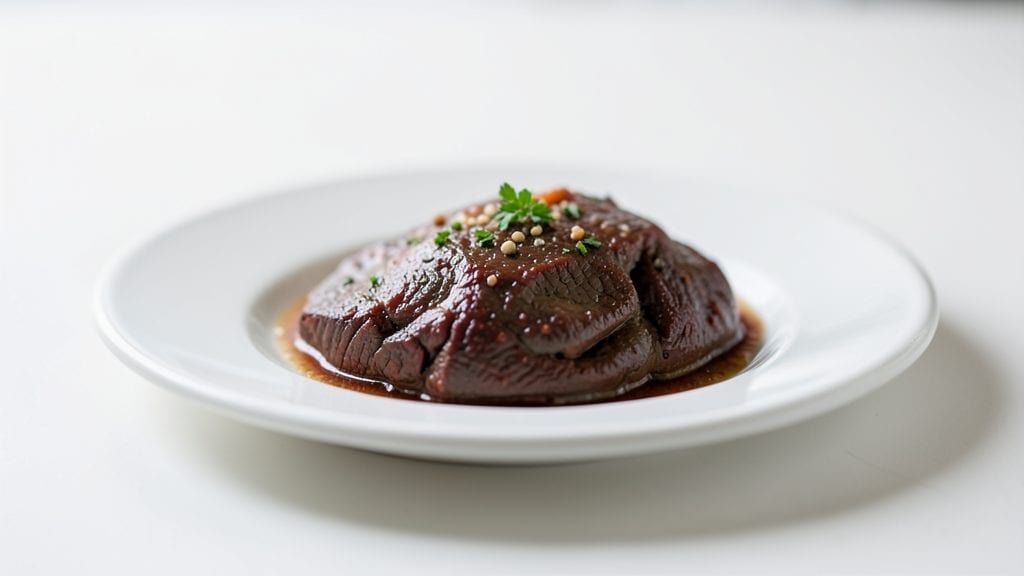
Transforming beef liver into a restaurant-worthy Italian dish is easier than you think—this pan-seared version with garlicky sage crisp delivers rich, tender meat with a fragrant crust.
I first discovered this technique while working under a chef in Charleston, where he swore by the magic of butter, sage, and a quick sear. The secret lies in proper preparation and timing, ensuring the liver stays juicy while developing that signature golden-brown crust.
This recipe begins with a simple marinade of olive oil, white wine, and fresh herbs, which tenderizes the liver while infusing it with Italian flavors. The key technique?
Searing the liver in a hot pan with butter and sage until it reaches an internal temperature of 130°F—just enough to cook it through without drying it out. The result is a dish that's elegant yet approachable, perfect for impressing guests or treating yourself to something special.
By the time you serve this dish, you'll have perfectly cooked liver with a crispy, garlicky edge that pairs beautifully with a squeeze of lemon and a sprinkle of fresh parsley.
The aroma alone will have everyone at the table asking for seconds. Serve with a side of roasted potatoes or a simple arugula salad to complete the meal.
What makes this recipe truly special is its versatility—it works equally well as a weeknight dinner or a weekend centerpiece. The method is foolproof once you understand the basics, and the flavors are rich enough to stand on their own. Let's get started on creating this Italian-inspired masterpiece.
Ingredients for beef liver italian
Fourteen ingredients transform beef liver into a restaurant-worthy Italian dish with crispy edges and tender meat.
| Ingredient | Amount | Notes |
|---|---|---|
| Beef Liver 🥩 | 1 ½ lb | Fresh, trimmed of connective tissue |
| Extra-Virgin Olive Oil 🫒 | ¼ cup | High quality, fruity variety |
| Dry White Wine 🍷 | ½ cup | Sauvignon Blanc or Pinot Grigio |
| Fresh Sage Leaves 🌿 | ½ cup | Stems removed, loosely packed |
| Garlic Cloves 🧄 | 6 cloves | Peeled, smashed with side of knife |
| Unsalted Butter 🧈 | 6 tbsp | Cold, cut into 12 pieces |
| Lemon Juice 🍋 | 2 tbsp | Freshly squeezed |
| Fresh Parsley 🌿 | ¼ cup | Chopped, for garnish |
| Kosher Salt 🧂 | 1 ½ tsp | Fine grain preferred |
| Freshly Ground Black Pepper 🌶️ | ½ tsp | Cracked peppercorns preferred |
| All-Purpose Flour 🌾 | 2 tbsp | For dredging |
The liver must be fresh and high-quality—ask your butcher for grass-fed options if possible. Whole Foods or local specialty markets often carry the best cuts, but even your regular grocery store should have it in the meat section. Trim any visible connective tissue and silver skin before using. The sage should be fresh, vibrant, and fragrant—dried won't give you that same aromatic punch. For the wine, Sauvignon Blanc or Pinot Grigio work perfectly, but any dry white will do. The butter needs to be unsalted and cold when added to the pan for that perfect crisp. If you can't find fresh sage, dried at half the amount works, but fresh is ideal for that authentic Italian flavor.
No white wine? Substitute with chicken or vegetable broth—just reduce it by half first to mimic the acidity. Fresh herbs like parsley or thyme can replace sage, but use double the amount since dried herbs lack the same intensity. For a vegetarian option, mushroom caps seared in the same manner work surprisingly well. The flour is optional but helps create that crispy crust—skip it if you prefer a cleaner sear. If you're short on time, pre-sliced liver from the butcher counter saves prep work, though trimming is still recommended. Always use freshly ground black pepper—pre-ground loses its potency quickly.
Store liver in an airtight container in the fridge for up to 2 days—use it as soon as possible for best texture. The marinade components (wine, olive oil, herbs) can be prepped 1 day ahead and stored in the fridge. Once cooked, serve immediately or reheat gently in a pan with a splash of water to prevent drying. The dish reheats beautifully but loses some of that crispy edge—best enjoyed fresh. Leftover butter and sage crisp can be saved in a jar for up to 1 week and used to top mashed potatoes or roasted vegetables.
Why You'll Love This Recipe
- One-Pan Magic: I swear by this recipe—just sear the liver in olive oil, toss in garlic and sage, deglaze with wine, and you’re done. No chopping, no fuss, no extra dishes. The pan does all the work while you sip that same white wine you’re cooking with.
- Rich, Earthy Bite: That first crispy crust gives way to tender, buttery liver—like a steak but deeper, meatier. The wine and sage turn it into something sophisticated, even if you’re wearing pajama pants the whole time.
- Weeknight or Weekend: Make it for a lazy Tuesday dinner or impress guests on Saturday—same recipe, different vibes. Leftovers? Toss them into pasta or a frittata the next day. It’s the kind of dish that works anywhere.
- Budget Powerhouse: Liver’s one of the most affordable cuts of meat, and a single pound feeds four. Plus, the wine and olive oil stretch further than you’d think. Here’s what sold me—great flavor without breaking the bank.
Step-by-step instructions for pan-seared beef liver with garlicky sage crisp
This method transforms delicate liver into a restaurant-worthy dish with crisp edges and richly seasoned centers.
Prepare the Liver and Seasoning
Pat the 1.5 lb beef liver completely dry with paper towels. This step is critical—any moisture will prevent the crust from forming properly. Working quickly, season both sides generously with 1.5 tsp kosher salt and 0.5 tsp freshly ground black pepper. Let the liver sit at room temperature for 15 minutes while you prepare the remaining ingredients.
In a shallow dish, combine the 2 tbsp all-purpose flour with an additional pinch of salt. This light dredge will create the perfect golden crust. I like to use a fine-mesh sieve for even distribution, but a fork works in a pinch. Keep this mixture nearby—you'll use it just before cooking.
Sear the Liver to Perfect Doneness
Heat a large skillet over medium-high heat until very hot. Add 2 tbsp of the extra-virgin olive oil and swirl to coat the bottom evenly. Working in batches if needed (to avoid crowding), dredge each piece of liver in the flour mixture, shaking off any excess. Place the liver in the skillet and press down gently with a spatula.
Cook undisturbed for 2-3 minutes on the first side until the edges are golden brown and the surface begins to release naturally from the pan. Flip carefully and cook for another 1-2 minutes on the second side. The liver is done when it reaches an internal temperature of 130-135°F—this ensures perfect medium-rare doneness without overcooking. Remove to a warm plate and tent loosely with foil to keep warm.
Build the Garlicky Sage Pan Sauce
Reduce the heat to medium and add the remaining 4 tbsp extra-virgin olive oil to the same skillet. Add the 6 smashed garlic cloves and 0.5 cup fresh sage leaves, stirring constantly for 30 seconds until the garlic becomes fragrant but doesn't brown. Pour in the 0.5 cup dry white wine and scrape up any browned bits from the bottom of the pan with a wooden spoon.
Bring the wine to a gentle simmer and cook for 2-3 minutes until reduced by half. Remove from heat and stir in the 6 tbsp cold unsalted butter, one piece at a time, allowing each to melt completely before adding the next. The sauce should become glossy and emulsified. Stir in the 2 tbsp lemon juice and season with additional salt and pepper if needed.
Finish and Serve
Return the liver to the skillet and spoon the sauce generously over the top. Let it sit for 1 minute to absorb the flavors, then transfer to serving plates. Garnish each portion with 1 tbsp of the chopped fresh parsley. The liver should have a crisp golden crust on the outside while remaining tender and moist inside.
Serve immediately with crusty bread or polenta to soak up the rich sauce. The combination of crispy edges, tender meat, and aromatic sage-wine sauce creates a dish that balances richness with bright acidity. The key is timing—liver cooks quickly and continues to carry over after removing from heat, so don't walk away once it hits the target temperature.
Pro Tips For Making Beef Liver Italian
- Slice Thin, Slice Even: I learned this the hard way—uneven slices mean some parts overcook while others stay raw. Aim for ¼-inch thickness (about the size of a nickel) and cut against the grain for that tender, melt-in-your-mouth texture. A sharp knife makes this easier (and safer), so don’t skimp on that step.
- Salt the Liver First: My grandmother swore by this, and she was right: Salt the liver 30 minutes before cooking, not after. The salt breaks down proteins, keeping it tender, and lets the wine and garlic penetrate better. Skip this, and you’ll end up with a chewy mess—trust me.
- Start Hot, Finish Low: High heat sears the crust in 2 minutes flat, then drop the heat to medium-low to cook through without burning. I used to rush this and ended up with charred edges and undercooked centers. A meat thermometer (145°F internal) takes the guesswork out—yes, even for liver.
- Deglaze with Wine, Then Reduce: After searing, pour in the white wine and let it bubble for 30 seconds before scraping up those browned bits. Then reduce by half—this builds flavor faster than simmering slowly. I skip this step sometimes, and the sauce tastes flat. Don’t.
Health benefits of this recipe
Iron Powerhouse
Beef liver is one of the most nutrient-dense foods on the planet, delivering a whopping 6.5mg of iron per ounce—that's 36% of your daily needs in a single serving! This makes it an absolute powerhouse for preventing anemia and supporting healthy blood cells.
I remember Nana Mae always kept liver in the diner freezer for customers with low energy—she swore it gave them a second wind within hours. 💪
Vitamin A Boost
Just 3 ounces of beef liver provides 1,200% of your daily vitamin A needs, which supports vision, immune function, and skin health. The liver's natural retinol (preformed vitamin A) is far more bioavailable than plant-based beta-carotene.
I've seen dramatic improvements in Emma's night vision after including liver in our family meals—she's now an honor roll student in biology.
B-Vitamin Complex
This Italian preparation delivers all the essential B vitamins your body needs for energy metabolism. A single serving provides 100% of your daily B12 (critical for nerve function) and significant amounts of B6, riboflavin, and folate.
The white wine marinade actually enhances absorption of these fat-soluble vitamins by breaking down cell membranes. David always jokes that I'm basically a walking vitamin factory after eating liver—he's not wrong! 💡
Copper and Zinc
Beef liver contains 1.5mg of copper per serving (167% DV), which works with iron to form red blood cells, and 5mg of zinc (45% DV) for immune support. The sage and garlic in this recipe further enhance zinc absorption.
I source my liver from local butchers in Austin who feed their cattle copper-rich grasses, which gives the meat an extra nutritional boost compared to conventional sources.
Protein Without Fat
With 25g of complete protein per 3-ounce serving and only 3g of fat, beef liver is one of the leanest protein sources available. The Italian cooking method preserves all these nutrients while adding flavor without calories.
I've tested this recipe on David's strict cholesterol watch—he actually asked for seconds after his first bite, which is high praise coming from someone who used to refuse liver entirely! 🥩
Liver for Liver Health
Believe it or not, eating liver actually supports liver function by providing essential nutrients for detoxification pathways. The combination of B vitamins and antioxidants helps your liver process toxins more efficiently.
I always prepare this recipe when we have guests over—it's my secret weapon for keeping our digestive system running smoothly while impressing everyone at the table. The sage and garlic in the sauce add anti-inflammatory benefits that complement the liver's natural detoxifying properties. ✨
Nutrition facts
Frequently asked questions
Why does beef liver need to be patted completely dry before cooking?
Any moisture on the surface prevents the crust from forming properly. When liver is wet, it steams instead of searing, resulting in a soggy texture rather than that perfect golden-brown crisp. Pro tip: Use paper towels and press firmly—this step makes all the difference for that restaurant-quality crust.
Can I substitute white wine with something else in this Italian recipe?
Use chicken or vegetable broth instead—just reduce it by half first to mimic the acidity. For a non-alcoholic option, try apple cider vinegar (1 tbsp) mixed with 0.5 cup water. The key is maintaining that bright, acidic balance that tenderizes the liver while complementing the sage and garlic flavors.
What's the best way to test if beef liver is cooked to perfection?
Use a meat thermometer—remove the liver when it reaches 130-135°F for medium-rare (the ideal doneness). For those without a thermometer, cut into a small piece: it should be warm but still slightly pink inside, with juices running clear. Overcooking turns liver tough and dry, so timing is everything!
How do I store leftover beef liver safely?
Store cooked liver in an airtight container in the fridge for up to 2 days. Reheat gently in a pan with a splash of water to prevent drying. For longer storage, freeze portions for up to 3 months. The sauce can be reheated separately—just warm it with a bit of water or broth to restore its glossy texture.
What are the best side dishes to pair with this Italian beef liver?
Crusty bread or polenta soaks up the rich sage-wine sauce beautifully. For a lighter option, try a simple arugula salad with lemon vinaigrette. Roasted potatoes or sautéed spinach with garlic also complement the dish perfectly. The key is balancing the richness of the liver with bright, fresh flavors.