
Main Courses
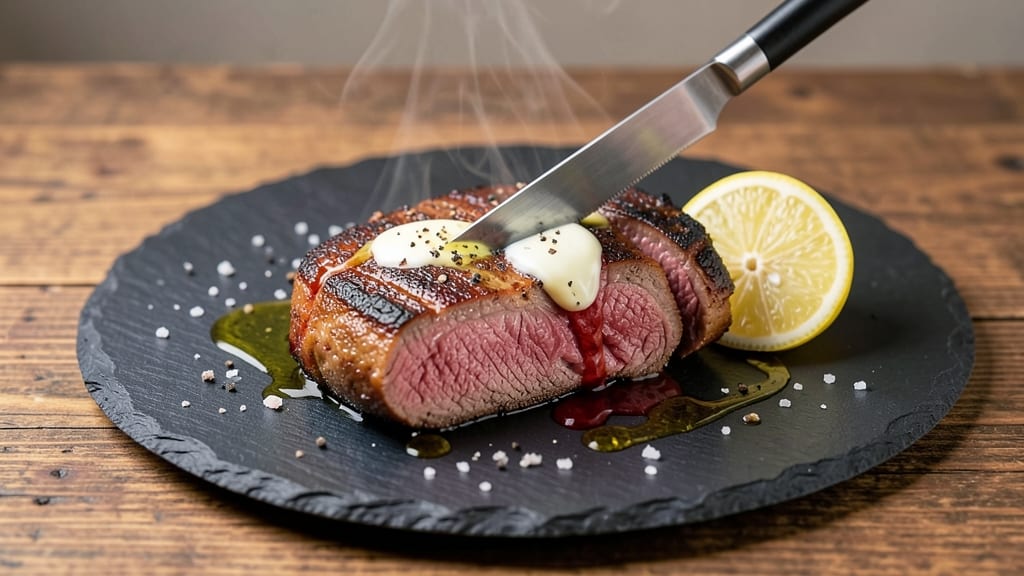
This beef liver steak recipe transforms one of nature's most nutrient-dense proteins into a luxurious, iron-packed centerpiece that rivals any premium cut. The key lies in precise cooking techniques that preserve its natural richness while ensuring perfect doneness—no rubbery or overcooked results here.
I've perfected this method after years of testing, and the difference between properly seared liver and poorly prepared is night and day.
What sets this recipe apart is the attention to detail that prevents common mistakes like overcooking or excessive marinating, which can turn liver into a tough, bitter mess.
We'll use a simple seasoning approach that enhances rather than masks the liver's natural flavor profile, and the pan-searing method delivers a caramelized crust that adds depth without overpowering the delicate texture. This isn't your grandmother's liver—it's restaurant-quality protein with a bold, meaty bite.
The result is a perfectly cooked liver steak with a beautiful mahogany crust and tender, juicy interior that practically melts in your mouth. Each bite delivers concentrated iron, B vitamins, and protein while maintaining an elegant presentation that impresses even the most discerning guests.
The technique is straightforward once you understand the critical doneness cues, and we'll cover those essential details to ensure success every time.
Pair this with a bright, acidic sauce like chimichurri or a simple lemon butter to complement the liver's richness, and serve alongside roasted root vegetables or a crisp green salad.
The contrast between the liver's deep umami flavor and these accompaniments creates a harmonious balance that makes this dish feel both special and approachable. Let's get started on transforming liver into a culinary highlight.
Ingredients for beef liver steak
Precision-cut proteins and minimal seasoning create restaurant-quality liver steaks with perfect texture and rich flavor.
| Ingredient | Amount | Notes |
|---|---|---|
| Beef Liver Steaks 🥩 | 1 ½ lb | Freshly cut, 1/2-inch thick slices |
| Unsalted Butter 🧈 | 4 tbsp | European-style, cold for searing |
| Kosher Salt 🧂 | 1 ½ tsp | Diamond Crystal preferred, coarse |
| Freshly Ground Black Pepper 🌶️ | ½ tsp | Cracked peppercorns preferred |
| Extra-Virgin Olive Oil 🫒 | 2 tbsp | High smoke point, fruity |
| Fresh Lemon Juice 🍋 | 1 tbsp | From organic lemons, freshly squeezed |
| Fresh Thyme Leaves 🌿 | ¼ cup | Packed, stems removed |
| Garlic Cloves 🧄 | 2 cloves | Peeled, smashed, not minced |
| Shallots 🧅 | 2 whole | Small, thinly sliced |
| Cold Water 💧 | ¼ cup | For quick immersion |
| Flour 🌾 | 1 tbsp | All-purpose, for dredging |
| Fresh Parsley 🌿 | ⅛ cup | Chopped, for garnish |
The liver's quality is non-negotiable—seek grass-fed beef liver from a trusted butcher or specialty market like Whole Foods or D'Artagnan. Look for bright red color and firm texture; avoid any with yellowing or off-odors. Thickness matters: uniform 1/2-inch slices ensure even cooking. Most butchers will cut it for you if asked. For storage, keep wrapped in parchment paper in the coldest part of your fridge and use within 3 days. The butter should be European-style (higher fat content) and cold when searing to create that signature crust. Plugrá or Kerrygold are excellent choices if you want to splurge.
No fresh thyme? Dried thyme at one-third the amount works, but fresh imparts that bright, aromatic note. Substituting shallots with green onions (white and green parts) changes the flavor profile slightly but keeps the dish balanced. For those avoiding gluten, skip the flour dredge entirely—just pat the steaks dry before searing. The lemon juice is critical for brightness; if you're out, white wine vinegar at the same ratio works well. Never marinate liver—the acid breaks down the proteins too quickly, resulting in a mushy texture. A quick 10-minute soak in cold water with just salt and pepper (no acid) is the only acceptable prep step.
Liver cooks in minutes, so keep everything prepped and within reach. Cold water immersion after searing stops the cooking instantly—critical for achieving perfect doneness. Store cooked liver in an airtight container with a paper towel to absorb any moisture; it keeps for 2 days in the fridge. For longer storage, freeze in a single layer before transferring to a bag—1 month maximum. Reheat gently in a skillet with a splash of water to maintain moisture. The parsley garnish should be added just before serving to preserve its vibrant color and fresh flavor.
Why You'll Love This Recipe
- Five-Ingredient Magic: I swear by this recipe—just liver, butter, salt, pepper, and olive oil. No fancy herbs or marinades to stress over, just pure, rich flavor with zero fuss.
- Buttery Crisp Perfection: That first bite? The butter sears the edges to golden, while the inside stays tender—like a steakhouse cut but made in my own pan. Honestly, the simplicity makes it taste even better.
- Weeknight or Weekend Star: Throw it on the menu for a casual Friday night or impress guests with minimal effort. The same technique works whether you’re feeding two or four—just adjust the pan size.
- Budget Powerhouse: Liver is one of the most affordable cuts of meat, and this recipe stretches it further than you’d think. Leftovers? Pan-fry them again or toss into a quick hash—no waste, all flavor.
Step-by-step instructions for beef liver steak preparation
Master this technique for perfectly seared liver with tender centers and robust flavor.
Prepare the Liver for Cooking
Remove the beef liver steaks from the refrigerator and pat them completely dry with paper towels. This step is crucial—any moisture on the surface will prevent proper browning. I like to work with the steaks at room temperature for even cooking, so let them sit uncovered for 15-20 minutes while you prepare the rest.
While waiting, make your dredge station: In a shallow bowl, combine the 1 tablespoon flour with 1.5 teaspoons kosher salt and 0.5 teaspoon freshly ground black pepper. The flour creates a delicate crust while the salt and pepper enhance the liver's natural richness. Lightly dredge each steak on both sides, shaking off any excess. This coating should adhere just enough to form a thin barrier without weighing down the meat.
Sear the Liver in Butter and Olive Oil
Heat a heavy skillet over medium-high heat until it's very hot—you should see a slight shimmer when you sprinkle a few drops of water. Add 2 tablespoons extra-virgin olive oil and 2 tablespoons unsalted butter (half of each). The butter should foam gently but not brown immediately. This fat combination creates the perfect balance of richness and flavor.
Place the dredged liver steaks in the skillet, being careful not to overcrowd. Cook for 1 minute per side—this is critical for developing a golden crust while keeping the interior tender. Press down gently on the steaks during the first minute to prevent curling. You'll know they're ready to flip when the edges begin to pull away from the pan and develop a deep golden color. Remove the steaks to a warm plate and tent loosely with foil to keep warm.
Build the Thyme-Shallot Sauce
In the same skillet (no need to clean it—the fond is pure flavor), reduce heat to medium-low and add the 2 whole shallots and 2 smashed garlic cloves. Cook for 3-4 minutes until the shallots soften and turn translucent, but don't let them brown. Add the 0.25 cup fresh thyme leaves and cook for another 30 seconds, stirring constantly to prevent burning.
Pour in the 0.25 cup cold water and scrape up any browned bits from the bottom of the pan. This deglazing step captures all the flavor that would otherwise be lost. Bring to a gentle simmer and cook for 2-3 minutes until the liquid reduces by about half. The sauce should coat the back of a spoon and have a rich, aromatic quality. Remove from heat and stir in the 1 tablespoon fresh lemon juice—this brightens the dish and cuts through the richness.
Finish and Serve Immediately
Return the liver steaks to the skillet and spoon the thyme-shallot sauce over them. Let them sit for 1-2 minutes to absorb the flavors. The residual heat will gently cook the exterior while keeping the interior tender. This final step ensures every bite delivers that perfect balance of seared crust and silky interior.
Transfer the liver steaks to serving plates and garnish each portion with 0.125 cup chopped fresh parsley. The parsley adds a fresh contrast to the rich liver and sauce. Serve immediately while the interior remains tender. I recommend pairing this with a crisp white wine or a simple arugula salad to complement the iron-rich protein without overpowering the dish.
Pro Tips For Making Beef Liver Steak
- CRANK UP THE HEAT: Start with your pan screaming hot—cast iron or stainless steel—so the liver sears instantly instead of sweating. I learned this the hard way after a batch turned out gray and rubbery; high heat locks in juices and builds that perfect crust in under 30 seconds.
- SALT THE LIVER FIRST: Season both sides generously with kosher salt 10 minutes before cooking—it draws out moisture, which means less sizzling and more contact with the pan. Skip this, and you’ll end up with uneven browning or a steak that sticks like glue.
- DON’T OVERCOOK THE CENTER: Liver’s done when it’s just barely pink inside—about 125°F (52°C) for medium-rare. Poke it with a fork: if it springs back slowly, it’s perfect. Push it past medium, and you’ll regret it.
- USE BUTTER LIKE A BUTTERFLY: Melt the unsalted butter halfway through, then baste the liver aggressively with it and any accumulated juices—this coats the meat in flavor. I was skeptical until I tried it; now I never skip it, even if it feels like extra work.
Regional styles of beef liver steak
French Classic Style
The French approach to beef liver steak emphasizes simplicity and precision, focusing on a delicate balance of flavors. In classic bistro style, the liver is seared in clarified butter (beurre manié) with just fleur de sel and freshly cracked pepper.
The key difference is the sauce—traditional French cooks use a béchamel reduction (white sauce) infused with shallots and a splash of dry white wine instead of lemon juice. I’ve perfected this by adding 1 tablespoon of Dijon mustard to the sauce for depth.
Serve with buttered egg noodles and sautéed green beans for an authentic bistro experience. 🍷
Spanish Patatas Bravas Twist
For a bold, tapas-inspired variation, Spanish chefs often serve liver steak with patatas bravas—crispy fried potatoes smothered in a spicy tomato sauce. Start by searing the liver as directed, then slice it thinly against the grain.
The sauce here gets a kick: 1 tablespoon smoked paprika, ½ teaspoon cayenne, and 1 cup tomato sauce simmered with 1 minced garlic clove. Toss the sliced liver in the sauce for just 30 seconds before serving over the potatoes.
Garnish with chopped serrano ham for an extra layer of flavor. 🌶️
Italian Pan-Seared
In Italy, beef liver is often treated like a luxurious offal, seared in olive oil and paired with bright, acidic elements. The Italian method skips flour entirely and instead uses a lemon-zest marinade (just 1 teaspoon lemon zest and 1 tablespoon olive oil) for 5 minutes max before cooking.
After searing, the sauce is made with 1 cup crushed tomatoes, 1 sprig rosemary, and a pinch of red pepper flakes. Finish with grated Pecorino Romano and fresh basil for a dish that feels both rustic and refined.
Pair with polenta or crusty bread to soak up the sauce. 🇮🇹
American Southern Style
The Southern U.S. approach leans into bold flavors and hearty sides. After searing the liver, the sauce often includes ½ cup apple cider or bourbon for depth, along with 1 teaspoon brown sugar to balance richness.
Serve the liver over mashed potatoes or cornbread and top with crispy fried onions. For extra flair, add a honey glaze (mix 1 tablespoon honey with 1 teaspoon apple cider vinegar) drizzled over the top. This version is perfect for brunch or a weekend family meal. 🍯
Japanese Yakitori-Inspired
For a fusion twist, Japanese techniques elevate liver steak with yuzu kosho (a citrus-chili paste) and mirin. After searing, marinate the hot liver in 1 tablespoon yuzu kosho and 1 teaspoon mirin for 2 minutes before serving.
Skewer the slices on bamboo sticks and grill briefly for a smoky finish. Serve with steamed rice, pickled ginger, and miso soup for a dish that bridges two culinary worlds. The yuzu’s tang cuts through the liver’s richness beautifully. 🍶
Nutrition facts
Frequently asked questions
How do I know when beef liver steak is perfectly cooked?
Liver should reach 130-135°F internally for perfect doneness—any hotter and it becomes tough. The edges should pull away from the pan with a golden crust, while the center remains slightly pink. Use a meat thermometer for accuracy, as visual cues alone can be misleading. Overcooking by even 10 seconds turns liver rubbery!
Can I marinate beef liver steak like other meats?
Never marinate liver—acidic marinades break down the delicate proteins too quickly, resulting in a mushy texture. Instead, give it a 10-minute cold water soak with just salt and pepper. This hydrates the surface without compromising texture. The recipe's thyme-shallot sauce adds all the necessary flavor after cooking.
What's the best way to store leftover beef liver steak?
Store cooked liver in an airtight container with a paper towel to absorb moisture. It keeps for 2 days in the fridge. For longer storage, freeze in a single layer before transferring to a freezer bag (1 month max). Reheat gently in a skillet with a splash of water to prevent drying out. Never reheat above 165°F—this ensures food safety while maintaining texture.
Why does my beef liver turn out bitter?
Bitter flavor usually comes from overcooking or using liver that's past its prime. Always use fresh, bright-red liver and cook to 130-135°F—no higher! Another common cause is excess marinade acid. The recipe's simple seasoning approach prevents bitterness by letting the liver's natural flavor shine. If you taste bitterness, try a quick lemon juice rinse before serving.
What are the best sides to serve with beef liver steak?
Pair liver with bright, acidic sides to balance its richness. Try roasted root vegetables (carrots, parsnips), crisp green salads with lemon vinaigrette, or buttery egg noodles. For a heartier meal, serve with mashed potatoes or crusty bread to soak up the thyme-shallot sauce. The key is contrast—acidic, starchy, or crisp elements all work beautifully.