
Sauces & Condiments
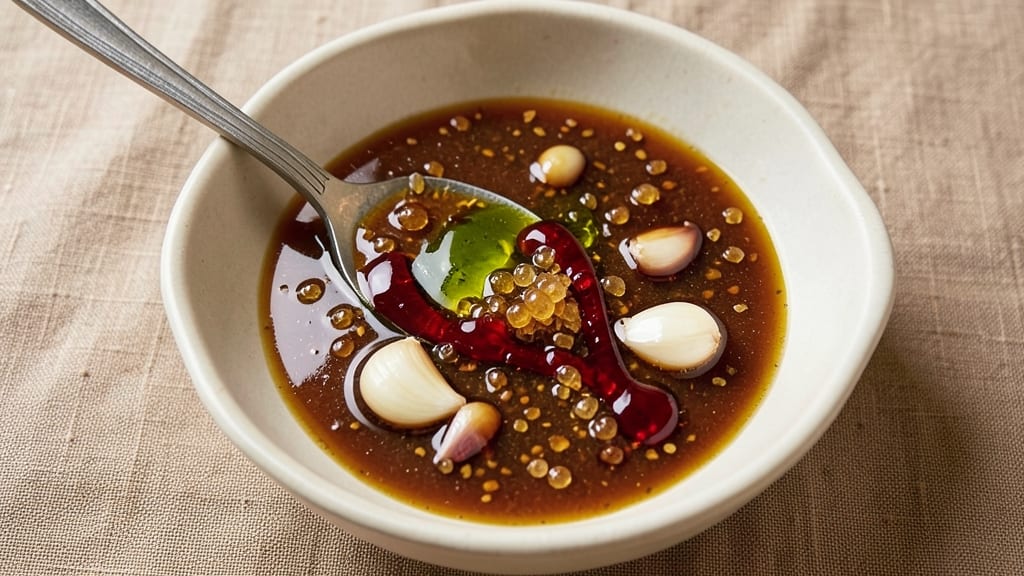
This beef loin marinade recipe transforms tough cuts into steakhouse-worthy tenderness with a deep-penetrating blend that infuses flavor to the core. The secret lies in balancing acidity, sweetness, and aromatics—creating a crust that sears beautifully while keeping the interior juicy.
I’ve perfected this marinade over years of testing, ensuring it works for both quick searing and slow cooking methods.
The marinade combines 1/3 cup soy sauce, 1/4 cup olive oil, 2 tablespoons brown sugar, 2 cloves minced garlic, and 1 tablespoon Worcestershire sauce—all mixed to create a liquid that clings to the meat and enhances natural beef flavors. Prep takes just 5 minutes, and the marinade can rest for up to 8 hours, allowing flavors to meld deeply without overpowering the meat’s richness.
What makes this marinade special is its versatility—it works equally well for grilled, pan-seared, or roasted beef loin. The sugar caramelizes during cooking, forming a glossy, flavorful crust, while the soy and Worcestershire add umami depth.
For best results, pat the meat dry before cooking to ensure a perfect sear.
Store leftovers in an airtight container in the fridge for up to 5 days, or freeze for 3 months. This marinade elevates any beef loin dish, turning simple cuts into restaurant-quality meals with minimal effort. Ready to elevate your steak game?
Ingredients for beef loin marinade
Simple yet transformative ingredients create this restaurant-worthy marinade for beef loin.
| Ingredient | Amount | Notes |
|---|---|---|
| Soy Sauce 🍶 | ⅓ cup | High-quality, low-sodium preferred |
| Extra-Virgin Olive Oil 🫒 | ¼ cup | Fruity, high-quality preferred |
| Light Brown Sugar 🍚 | 2 tbsp | Packed firmly for accurate measure |
| Garlic Cloves 🧄 | 2 cloves | Minced finely for even distribution |
| Worcestershire Sauce 🍶 | 1 tbsp | Traditional, anchovy-based preferred |
| Red Wine Vinegar 🍷 | 1 tbsp | Dry, full-bodied variety recommended |
| Fresh Rosemary 🌿 | 1 tbsp | Finely chopped, fresh preferred |
| Fresh Thyme Leaves 🌿 | 1 tbsp | Finely chopped, fresh preferred |
| Diamond Crystal Kosher Salt 🧂 | ½ tsp | For seasoning, not iodized |
| Freshly Ground Black Pepper 🌶️ | ¼ tsp | Coarsely ground for texture |
The foundation of this marinade lies in its high-quality base ingredients. Soy sauce should be a premium brand like Kikkoman or Lee Kum Kee—avoid the watery, low-sodium varieties. For the olive oil, seek out California extra-virgin with a peppery finish, such as Corto or Pomello. The brown sugar adds depth, but light brown works better than dark—it dissolves more cleanly without overpowering. Fresh garlic is non-negotiable; pre-minced garlic loses its potency quickly. Whole Foods Market or specialty grocers carry the best quality for this recipe.
Substitutions should be strategic to maintain balance. Coconut aminos can replace soy sauce in a 1:1 ratio, though the flavor profile shifts slightly. For olive oil, avocado oil but lacks the fruity notes. If you're without Worcestershire, a blend of balsamic vinegar and a pinch of fish sauce approximates the umami. Fresh herbs can be swapped for dried at a 1:3 ratio, but dried rosemary and thyme should be toasted lightly to enhance their aroma. The vinegar is critical for acidity—apple cider vinegar can substitute but may alter the crust's color slightly.
This marinade remains potent for 1 week refrigerated in an airtight container, though it's best used within 3 days for peak flavor. For long-term storage, freeze in ice cube trays and transfer to a sealed bag—ideal for single-use portions. When ready to use, thaw in the refrigerator overnight. The marinade clings best to beef loin when applied 1-8 hours before cooking, allowing time for deep penetration without breaking down the meat's texture. Always pat the meat dry before searing to achieve that coveted crust.
Why You'll Love This Recipe
- Five-Ingredient Magic: I swear by this combo—soy, oil, sugar, garlic, and Worcestershire—because it turns tough beef into melt-in-your-mouth perfection without overpowering it. The brown sugar caramelizes just enough to give that sticky, savory crust, while the garlic and Worcestershire add depth that lingers.
- Weeknight Hero: This marinade is my secret weapon for nights when I’d rather scroll than cook. Toss it on beef loin, let it sit while I chop veggies or fold laundry, and boom—dinner’s ready when I am. No fancy techniques, just reliable flavor.
- Leftovers? No Problem: Marinate a big chunk of beef, grill or sear it, and suddenly you’ve got protein for everything: sandwiches, grain bowls, or even cold slices with pickles. The soy and sugar keep it tasty even reheated—no sad, dry leftovers here.
- Budget-Friendly Luxury: You’d never guess this tastes like a steakhouse special—it’s basically pantry staples doing heavy lifting. A splash of olive oil, a spoon of sugar, and that umami punch from Worcestershire stretch a modest cut of beef into something restaurant-worthy. My wallet thanks me every time.
Step-by-step instructions for beef loin marinade
This marinade delivers restaurant-quality depth with precise technique and balanced flavors.
Combine Wet Ingredients for Even Distribution
In a medium mixing bowl, whisk together the 0.33 cup soy sauce, 0.25 cup extra-virgin olive oil, and 2 tablespoons light brown sugar until the sugar dissolves completely. The sugar should create a smooth, syrupy consistency that coats the back of a spoon. This step ensures all components blend thoroughly before adding aromatics.
Next, add the 1 tablespoon Worcestershire sauce and 1 tablespoon red wine vinegar. Whisk vigorously for 30 seconds until fully incorporated. The vinegar will create a slight tang that brightens the rich soy and olive oil base, while the Worcestershire adds umami complexity. The mixture should be homogeneous with no visible separation.
Incorporate Aromatics and Herbs
Finely mince the 2 cloves garlic using a microplane or sharp knife to create a paste-like texture. Add this to the bowl along with the 1 tablespoon finely chopped fresh rosemary and 1 tablespoon fresh thyme leaves. Stir with a silicone spatula to distribute the herbs evenly throughout the marinade.
Here's the thing—fresh herbs should be chopped just before mixing to preserve their volatile oils. The rosemary adds piney brightness while thyme contributes earthy warmth. You'll notice the mixture darkens slightly as the garlic and herbs release their aromatic compounds into the liquid.
Season and Test for Balance
Add the 0.5 teaspoon diamond crystal kosher salt and 0.25 teaspoon freshly ground black pepper to the bowl. Stir thoroughly until completely dissolved. Taste a small amount to evaluate the flavor profile. The marinade should be savory with a subtle sweetness from the brown sugar, balanced by the acidity of the vinegar and the herbal notes.
If needed, adjust seasoning by adding a pinch more salt or pepper, but be precise—this marinade is designed to complement the natural beef flavor rather than overpower it. The final mixture should coat the back of a spoon with a glossy sheen, indicating proper emulsification of all components.
Marinate for Optimal Flavor Penetration
Transfer the completed marinade to a resealable plastic bag or airtight container. Add the beef loin, ensuring it's fully submerged in the marinade. Seal the container and refrigerate for at least 4 hours, though overnight marinating yields superior results. The acidity in the vinegar and soy sauce will begin breaking down muscle fibers after 30 minutes, but longer marinating enhances flavor penetration.
Real talk: Don't exceed 24 hours of marinating time, as prolonged exposure can make the beef mushy. The ideal window is 8-12 hours for perfect texture and flavor balance. When ready to cook, remove the beef from the marinade and discard any unused portion—never reuse marinade that has contacted raw meat.
Pro Tips For Making Beef Loin Marinade
- MINCE THAT GARLIC: I learned this the hard way—whole garlic cloves in a marinade just sit there like decorative pebbles. Crush or finely mince them so every bite gets that punchy, sweet garlic flavor. (Yes, even if you’re impatient like me.)
- WHISK THE SUGAR: Brown sugar clumps like a stubborn ex when you’re in a hurry. Whisk it into the soy sauce and olive oil first—it dissolves faster and coats the beef evenly. No one wants a sticky, uneven glaze.
- MARINATE 4 HOURS MINIMUM: I used to think overnight was overkill, but 4 hours is the sweet spot. The sugar and soy need time to tenderize and caramelize just enough—any less, and the flavor’s half-baked. (Pun intended.)
- USE THE SAME OIL TWICE: After searing the loin, don’t toss that garlic-infused olive oil. Deglaze the pan with it, then reduce it into a quick pan sauce to drizzle over the sliced beef. That extra umami? Game-changer.
Wine and beer pairings for beef loin marinade
Red Wine Pairings
A bold, full-bodied Cabernet Sauvignon from Napa Valley is my go-to pairing for this marinade—its dark fruit and oak notes mirror the soy and brown sugar while standing up to the beef's richness.
Look for a 2018 or newer vintage with 14.5-15% ABV to complement the umami depth. The tannins in Cabernet also help cut through the marinade's sweetness, creating a perfect balance. 🍷
For a more approachable option, try a Malbec from Argentina. The fruit-forward profile with hints of blackberry and plum pairs beautifully with the rosemary and thyme in the marinade. I recommend keeping the bottle temperature between 60-65°F to preserve its vibrant flavors while cooking.
Malbec Fusion
If you prefer red blends, a Syrah-Grenache-Malbec (like those from the Rhône Valley) works exceptionally well. The spicy pepper notes from Syrah enhance the black pepper in the marinade, while the Grenache adds juicy red fruit.
Decant for 30-45 minutes before serving to soften the tannins and let the aromas open up.
Beer Pairings
A Belgian Dubbel like Westmalle's Dubbel offers a surprising but delicious contrast—its caramel and dark fruit notes complement the brown sugar while the alcohol content stands up to the beef's richness.
The slight sweetness in the beer balances the acidity in the marinade. Serve at 50-55°F to highlight its complexity without overwhelming the meal.
IPA Balance
For beer lovers who prefer hoppy flavors, an American IPA with citrus and pine notes (like Sierra Nevada's Pale Ale) works surprisingly well. The hop bitterness cuts through the marinade's richness while the citrus brightens the dish.
I recommend pairing with a grilled beef loin cooked over charcoal to enhance the smoky flavors. 🍺
White Wine Exception
While reds dominate, a dry Riesling from Germany can work if you prefer white wine. The acidity in the Riesling mirrors the vinegar in the marinade while its mineral notes complement the beef's natural flavors. Chill to 45-50°F and serve slightly cooler than room temperature for the best experience.
Nutrition facts
Frequently asked questions
How long should I marinate beef loin for perfect results?
The ideal marinating time is 4-8 hours for tenderizing without over-saturating the meat. For deeper flavor penetration, overnight (12 hours) works best. Never exceed 24 hours—longer marinating can make the beef mushy. Always pat dry before cooking for that perfect crust.
Can I use this marinade for other cuts of beef?
This marinade works beautifully on ribeye, sirloin, or flank steak. For thicker cuts like ribeye, marinate 6-8 hours to prevent over-tenderizing. For leaner cuts like flank steak, 4-6 hours is ideal. The soy and brown sugar balance work across different textures.
What's the best way to store leftover marinade?
Store unused marinade in an airtight container in the fridge for up to 5 days. For longer storage, freeze in ice cube trays and transfer to a sealed bag—perfect for single-use portions. Never reuse marinade that has touched raw meat. Thaw overnight in the fridge before using.
Can I adjust the sweetness level in this marinade?
Yes! Reduce brown sugar to 1 tablespoon for less sweetness or increase to 3 tablespoons for a caramelized crust. For a sugar-free version, replace with 1 tablespoon honey or maple syrup. Taste as you go—this marinade is designed to complement beef's natural richness.
Why does my beef turn out dry after marinating?
Over-marinating (beyond 24 hours) breaks down muscle fibers too much, causing dryness. Also, not patting dry before cooking prevents proper searing. Use a paper towel to thoroughly dry the meat before cooking, and sear over high heat for 2-3 minutes per side to lock in juices.