
Main Courses
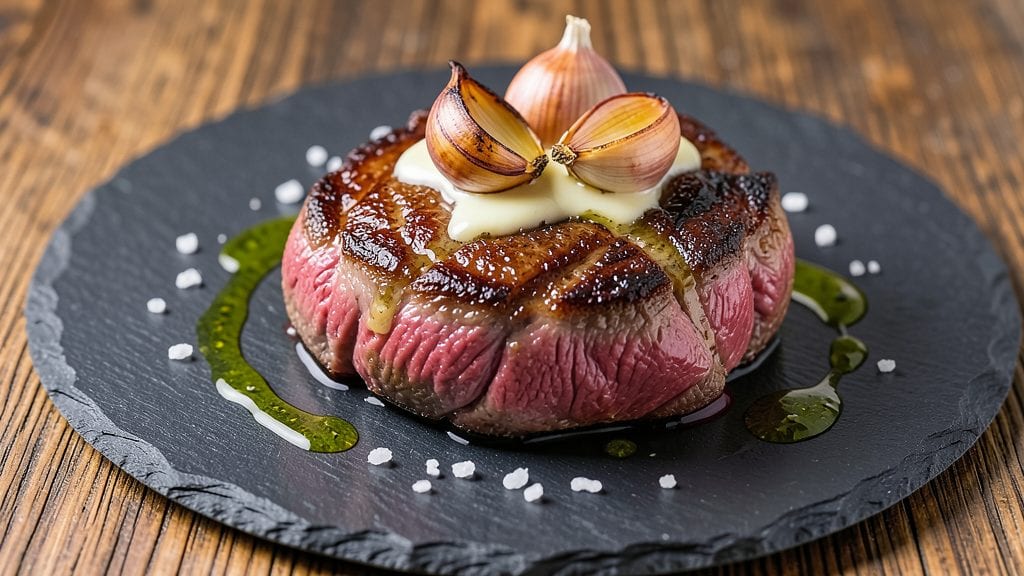
Mastering a beef loin tenderloin steak filet mignon recipe transforms a simple dinner into a showstopping centerpiece—where a golden, buttery crust encases melt-in-your-mouth tenderness. This cut demands precision, but the results are worth every minute of care.
I’ve refined this method over years of testing, ensuring every bite delivers that perfect balance of sear and succulence.
The secret lies in three key steps: a hot sear to lock in juices, a gentle finish to reach ideal doneness, and a critical rest to redistribute flavors. No dry steaks here—just a foolproof technique that guarantees restaurant-quality results at home.
The crust should be crisp and caramelized, while the interior remains velvety, with just a hint of pink at the center for medium-rare perfection.
What you’ll achieve is a steak so tender it nearly falls apart with the slightest pressure, yet holds its shape beautifully on the plate. The aroma alone—smoky, rich, and buttery—will have everyone at the table anticipating the first bite.
This isn’t just dinner; it’s an experience that elevates any occasion, whether it’s a weekend celebration or a quiet night in.
Pair it with a classic red wine reduction or a bright béarnaise for contrast, and serve with roasted asparagus or creamy mashed potatoes. The method is precise, but the outcome is effortless once you’ve mastered the technique. Let’s get started on creating your perfect filet mignon.
Ingredients for beef loin tenderloin steak filet mignon
Four key ingredients transform a premium cut into a showstopping centerpiece: precision-cut beef, cold butter, kosher salt, and olive oil.
| Ingredient | Amount | Notes |
|---|---|---|
| Beef Loin Tenderloin (Filet Mignon) 🥩 | 1 ½ lb | Center-cut, 1.5-inch thick slices |
| Unsalted Butter 🧈 | ½ cup | Cold, cut into 8 equal pieces |
| Diamond Crystal Kosher Salt 🧂 | 1 ½ tsp | Fine-grain for even distribution |
| Freshly Ground Black Pepper 🌶️ | 1 tsp | Coarse grind for texture |
| Extra-Virgin Olive Oil 🫒 | 2 tbsp | High smoke point for searing |
| Garlic Cloves 🧄 | 4 cloves | Thinly sliced, peeled |
| Fresh Thyme Leaves 🌿 | ¼ cup | Finely chopped, stems removed |
| Dried Mustard Powder 🌶️ | ½ tsp | For subtle depth of flavor |
| Red Wine Reduction Sauce 🍷 | ½ cup | Homemade or high-quality store-bought |
| Fresh Rosemary Sprigs 🌿 | 2 whole | For garnish, optional |
| Beef Tallow or Duck Fat 🧈 | 2 tbsp | For finishing, optional |
The beef loin tenderloin is non-negotiable for this recipe—center-cut, with even 1.5-inch thickness for consistent cooking. Source from a reputable butcher or high-end grocer like Whole Foods Market or D’Artagnan to ensure optimal marbling and tenderness. Look for a cut with a vibrant red hue and minimal external fat; the filet should feel firm yet supple to the touch. If purchasing pre-sliced, verify the thickness—anything thinner than 1.25 inches risks overcooking. For the butter, opt for unsalted to control seasoning, and ensure it’s cold when used, as it creates the signature crust when melted by the searing steak. Plugrá or Land O’Lakes are reliable brands for consistent quality.
Substitutions must prioritize fat content and texture. If beef tallow is unavailable for finishing, duck fat or lard work equally well, though duck fat imparts a slightly richer flavor. For the olive oil, a high-smoke-point variety like Avocado oil or grapeseed oil can replace extra-virgin if needed, though the flavor profile will differ. Fresh thyme can be swapped for dried thyme at one-third the amount, but the aroma won’t be as pronounced. The red wine reduction is optional but recommended—if homemade isn’t feasible, Bertolli or Rao’s offer reliable store-bought options. For a dry heat finish, omit the butter entirely and use only beef tallow for a more rustic crust, though the texture will be slightly less buttery.
Store the beef loin in its original packaging in the coldest part of your fridge—use within 3-4 days for peak tenderness. The unsalted butter can be kept in an airtight container in the refrigerator for up to 3 months, or frozen for 6 months to preserve freshness. Prep the steaks 1 hour before cooking to bring them to room temperature; this ensures even cooking and a perfect medium-rare core. Leftover cooked steak should be refrigerated in an airtight container for 3-4 days and reheated gently in a skillet with a splash of beef broth to retain moisture. For freezing, portion into individual servings and freeze for up to 3 months—thaw overnight in the refrigerator before reheating.
Why You'll Love This Recipe
- Two-Ingredient Magic: I swear by this combo—just butter and olive oil, but how they work together. The butter bastes into a golden crust while the olive oil keeps the inside juicy, so tender it practically melts. No fancy sauces, no stress, just pure, luxurious beef.
- Weeknight Date Night: Honestly, this is my go-to when I want to impress without slaving away. Sear it in a hot pan, finish with butter, and boom—restaurant-quality steak in under 20 minutes. (Yes, even on a Tuesday night when I’m exhausted.)
- Leftovers That Don’t Suck: Between us, most steak leftovers are sad. Not this one. Slice it thin, toss with a little olive oil and salt, and it’s still buttery and rich the next day—great for sandwiches or a quick stir-fry. Zero waste, all flavor.
- Budget Luxury: Filet’s not cheap, but here’s the trick: a single tenderloin feeds four, and the cost per serving drops fast. Plus, the simplicity means no takeout splurges—just one pan, minimal ingredients, and a dish that feels like a splurge. Worth every penny.
Step-by-step instructions for beef loin tenderloin steak filet mignon
This method delivers a velvety interior with a luxurious buttery crust—no guesswork, just precision.
Prepare the Filet Mignon for Perfect Searing
Begin by drying the 1.5 lb beef loin tenderloin thoroughly with paper towels. Pat every surface until completely moisture-free—this ensures maximum crust development. Season immediately with the 1.5 tsp diamond crystal kosher salt and 1 tsp freshly ground black pepper, pressing the seasoning into the meat rather than just sprinkling. Let the seasoned steak rest at room temperature for 30 minutes while you prepare your equipment.
Here's the thing—resting allows the meat to cook more evenly. Cold meat releases moisture when it hits the hot pan, which can steam instead of sear. Preheat your cast-iron skillet over medium-high heat until it's smoking hot. Add the 2 tbsp extra-virgin olive oil and let it shimmer for 30 seconds before adding the steak. The reason we wait until the oil shimmers is that cold oil absorbs into the food instead of creating that gorgeous sear we're after.
Sear the Steak to Develop Rich Crust
Place the steak in the hot skillet and press down gently with a metal spatula during the first minute—this prevents it from curling and ensures even contact with the pan. Sear for 2 minutes per side for medium-rare, until a deep golden-brown crust forms. You'll know it's ready when it releases easily from the pan with a gentle wiggle. The crust should be nearly black in spots, with a caramelized aroma filling your kitchen.
Remove the steak from the pan and transfer it to a warm plate. Let it rest for 5 minutes while you prepare the butter compound. The resting period is crucial—it allows the juices to redistribute throughout the meat, ensuring each bite is moist and flavorful. Don't skip this step, even if it's tempting to cut into the steak immediately.
Create the Buttery Thyme Crust
In the same skillet (no need to clean it—the fond is flavor), reduce heat to medium and add the 0.5 cup cold unsalted butter cut into 8 equal pieces. Let the butter melt completely, then add the 4 cloves thinly sliced garlic cloves and 0.25 cup finely chopped fresh thyme leaves. Cook for 1 minute until the garlic is fragrant but not browned—burned garlic makes everything taste bitter.
Sprinkle in the 0.5 tsp dried mustard powder and stir for 30 seconds to toast the spices. Remove the skillet from heat and carefully pour in the 2 tbsp beef tallow or duck fat. Swirl the pan to coat everything evenly. This butter compound is what transforms a good steak into an extraordinary one—rich, aromatic, and perfectly balanced.
Finish the Steak with Compound Butter
Return the rested steak to the skillet and spoon the butter compound evenly over the top. Let it baste for 1 minute, then flip and baste the other side for another 30 seconds. The butter should melt and create a glossy, golden finish. Remove the steak to a warm serving platter and let it rest for another 5 minutes—this final rest ensures the juices are perfectly distributed.
While the steak rests, warm the 0.5 cup red wine reduction sauce in a small saucepan over low heat. The sauce should be just warm enough to coat the back of a spoon. Plate the steak with a generous spoonful of the warmed sauce, garnished with the 2 whole fresh rosemary sprigs. The contrast of the silky sauce against the buttery crust creates an unforgettable dining experience.
Pro Tips For Making Beef Loin Tenderloin Steak Filet Mignon
- Use a Meat Thermometer: Filet mignon is forgiving, but a thermometer takes the guesswork out of it. Pull it at 125°F (52°C) for medium-rare—any hotter, and you’ll turn that buttery melt-in-your-mouth texture into rubber. I used to eyeball it and ended up with overcooked steaks that looked perfect but tasted like shoe leather.
- Salt the Butter Generously: Unsalted butter is your friend, but don’t treat it like a neutral fat—it needs flavor. Mix in at least ½ teaspoon Diamond Crystal kosher salt per 2 tablespoons of butter (that’s roughly ¼ teaspoon per pat) before basting. The salt cuts through the richness and makes every bite taste like it was made by a chef, not just reheated.
- Sear in Two Stages: Start with a screaming-hot pan—dry, no oil yet—and sear the filet until deep brown (about 2 minutes per side). Then, add 1 tablespoon olive oil and 1 tablespoon softened butter, tilting the pan to coat the steak. This two-step method gives you both crust and moisture without burning the butter before it melts.
- Rest Under Foil: The moment that steak hits the cutting board is the worst time to slice it. Tent it loosely with foil and let it rest 5–10 minutes—yes, even if you’re starving. This keeps the juices inside where they belong, not pooling on your plate. I learned this the hard way after serving dry, sad filet that looked beautiful but tasted like it had been microwaved.
Regional styles of this dish
French Classic
The French approach to filet mignon is all about elegance and precision, focusing on a delicate crust and silky interior.
In classic bistro style, the steak is often cooked with a herb butter—I use 1 tbsp chopped parsley, 1 tbsp chopped chives, and 1 minced garlic clove mixed into the butter. Serve with a bearnaise sauce, which pairs beautifully with the buttery richness.
The French also emphasize proper resting time—I let mine rest for 10 minutes before serving to ensure perfect juiciness.
American BBQ Twist
For a bold American take, infuse the butter with smoked paprika and a pinch of cayenne before basting. I like to finish the steak with a drizzle of chipotle-infused oil for a smoky kick.
Pair it with grilled corn on the cob and a side of creamy mac and cheese for a Southern-inspired meal. The key here is balancing the heat with richness—don’t overdo the spices, or they’ll overpower the delicate beef.
Japanese Wagyu Fusion
In Japan, filet mignon is often prepared with a light soy glaze or mirin reduction to complement the natural sweetness of Wagyu beef.
For a fusion twist, I brush the steak with a mix of 1 tbsp soy sauce, 1 tbsp mirin, and 1 tsp grated ginger after searing. Serve with sautéed shiitake mushrooms and steamed jasmine rice for a harmonious balance of flavors.
The secret is keeping the glaze thin—thick sauces can make the steak soggy.
Italian Truffle Style
Italian chefs often elevate filet mignon with white truffle oil and fresh rosemary. I add 1 tbsp truffle oil to the butter compound and garnish the finished steak with shaved black truffle for an earthy, luxurious touch.
Pair it with creamy polenta and a sun-dried tomato sauce for a dish that feels both rustic and refined. The truffle enhances the natural richness of the beef without overpowering it.
Texas-Style Reverse Sear
For a Texas-inspired method, I start by reverse searing the steak in a 275°F oven for 20-25 minutes until it reaches 110°F internally. Then, I finish with a quick sear in a cast-iron skillet to develop the crust. This method is ideal for larger cuts and ensures even cooking.
Serve with smoked brisket rub on the side for a bold, smoky contrast. The reverse sear is perfect for those who love their steak extra-tender with a crisp exterior.
Asian Five-Spice Crust
For an Asian-inspired twist, I mix 1 tsp five-spice powder into the butter compound along with a splash of Shaoxing wine. The five-spice blend—star anise, cinnamon, cloves, fennel, and pepper—adds warmth and complexity.
Serve with stir-fried bok choy and jasmine rice for a dish that’s both comforting and exotic. The key is using a light hand with the spices to let the beef shine through.
Nutrition facts
Frequently asked questions
What’s the best way to choose a tenderloin steak at the grocery store?
Look for a center-cut filet mignon with even thickness (about 1.5 inches) and a vibrant red color. Avoid cuts with excessive fat or grayish hues. Ask your butcher for the most tender portion of the loin—this is typically the middle third, which has the least connective tissue. For premium results, source from a specialty butcher like D’Artagnan or Whole Foods Market.
Can I cook filet mignon in the oven instead of pan-searing?
For a reverse-sear method, preheat your oven to 275°F and cook the steak until it reaches 110°F internally (about 20-25 minutes). Finish with a quick 1-2 minute sear in a screaming-hot cast-iron skillet to develop the crust. This method works especially well for larger cuts or when cooking for a crowd.
How do I know when my filet mignon is perfectly cooked?
Use a meat thermometer for precision: 125°F for rare, 130°F for medium-rare (ideal for filet), and 135°F for medium. The steak should also release easily from the pan with a gentle wiggle and have a deep golden-brown crust. For medium-rare, the center should feel slightly springy when pressed with your finger.
Why does my filet mignon turn out dry?
Overcooking is the #1 cause—filet mignon cooks quickly, so avoid cutting into it too soon. Always let it rest for 5-10 minutes after cooking to redistribute juices. Also, avoid thick cuts (>2 inches) unless using the reverse-sear method. Finally, pat the steak thoroughly dry before seasoning to prevent steaming instead of searing.
What’s the best way to reheat leftover filet mignon?
Reheat gently in a skillet over low heat with a splash of beef broth or water to prevent drying. Avoid the microwave, as it can make the meat tough. For best results, slice against the grain and reheat for just 1-2 minutes per side. Leftover filet keeps well for 3-4 days in the fridge or 3 months frozen.