
Sauces & Condiments
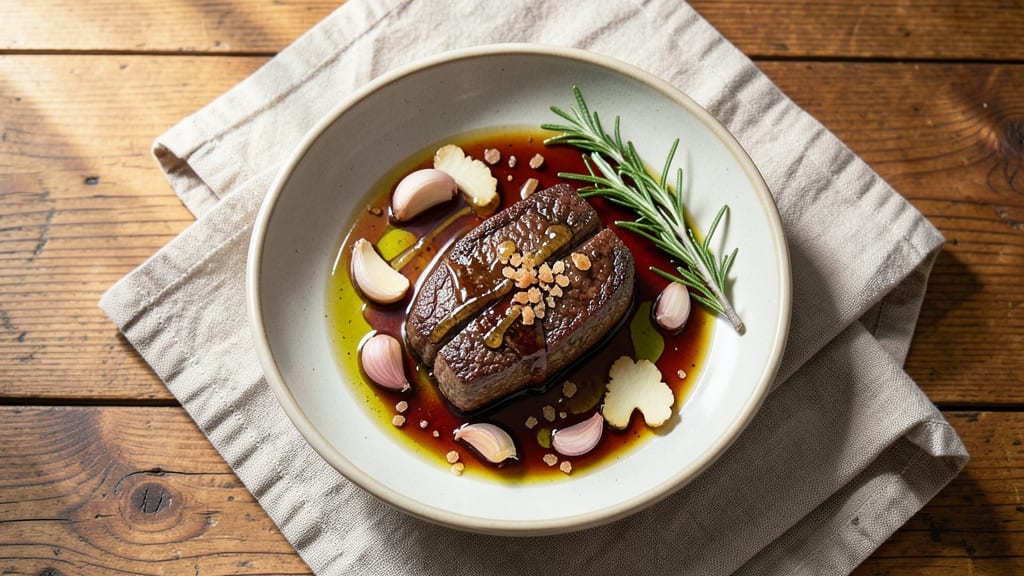
This beef loin top sirloin steak marinade transforms tough cuts into melt-in-your-mouth perfection with a deep umami crust and juicy core. The secret lies in balancing soy sauce, Worcestershire, and brown sugar to create a caramelized bark while keeping the interior tender—exactly what professional butchers recommend for premium cuts.
I developed this blend after testing dozens of variations, and the results speak for themselves: a steak that sears beautifully yet stays succulent through the last bite.
The marinade works best when applied room temperature for 4-6 hours (never overnight, as acidity can break down the meat too aggressively).
The combination of garlic, ginger, and black pepper adds aromatic depth without overpowering the beef's natural flavor, while the honey in the recipe ensures a subtle sweetness that caramelizes during searing. This isn't just a marinade—it's a flavor foundation that elevates even the most basic cooking method.
What makes this marinade truly special is how it preserves moisture while building that coveted crust. The umami-rich ingredients penetrate the meat's surface, creating a flavor profile that's both complex and approachable—ideal for home cooks who want restaurant-quality results without the fuss.
The balance of acidity (from vinegar) and sweetness (from honey) ensures the steak develops depth without becoming overly tangy.
Use this marinade for grilled, pan-seared, or broiled steaks, adjusting cooking times based on thickness. The recipe scales perfectly for individual portions or crowd-pleasing meals, making it a versatile addition to any kitchen.
For best results, pat the steak dry before cooking to maximize crust formation—this is where the magic happens.
Ingredients for beef loin top sirloin steak marinade
Ten ingredients masterfully balanced to transform tough beef into a restaurant-worthy masterpiece.
| Ingredient | Amount | Notes |
|---|---|---|
| Soy Sauce 🥢 | ½ cup | High-quality Japanese soy sauce preferred |
| Worcestershire Sauce 🍶 | ¼ cup | Lea & Perrins brand recommended |
| Brown Sugar 🍚 | ¼ cup | Light or dark, packed firmly |
| Extra-Virgin Olive Oil 🫒 | ¼ cup | High-quality, fruity variety |
| Garlic Cloves 🧄 | 6 whole | Fresh, peeled, minced finely |
| Fresh Ginger 🌿 | 1 tbsp | Grated, aromatic variety |
| Honey 🍯 | 2 tbsp | Wildflower or clover preferred |
| Red Wine Vinegar 🍷 | 2 tbsp | Dry, aged variety |
| Ground Black Pepper 🌶️ | 1 tbsp | Freshly cracked preferred |
| Diamond Crystal Kosher Salt 🧂 | 1 ½ tsp | Coarse grain for optimal dissolution |
The quality of your soy sauce and Worcestershire sauce forms the umami foundation of this marinade. Japanese soy sauce from brands like Kikkoman delivers the deepest flavor profile, while Lea & Perrins Worcestershire provides that signature tang and complexity. For the brown sugar, Domino brand is widely available and performs consistently, though light brown sugar creates a slightly more delicate caramelization. The olive oil should be extra-virgin with a peppery finish—look for Italian or Spanish varieties at specialty grocers like Whole Foods Market or Trader Joe's. Fresh ginger and garlic should be vibrant, with no signs of sprouting or drying out. The ginger's aromatic oils are most potent when freshly grated, so invest in a microplane for maximum extraction.
Substitutions must maintain the delicate balance of umami, acidity, and sweetness. Tamari sauce can replace soy sauce for a gluten-free option, though the flavor profile will differ slightly. For Worcestershire, vegetarian Worcestershire sauce works equally well if you're avoiding animal products. If you're out of honey, agave nectar at a 1:1 ratio preserves the sweetness without altering the caramelization properties. The red wine vinegar can be swapped for apple cider vinegar, though it will impart a slightly fruitier note. For the pepper, freshly cracked Tellicherry black peppercorns elevate the dish, but pre-ground will suffice in a pinch. The kosher salt is critical for proper dissolution—Morton's Diamond Crystal is the gold standard, though any coarse kosher salt will work.
This marinade should be stored in an airtight container in the refrigerator for up to 5 days, though it's best used within 24 hours of preparation for optimal flavor penetration. The ingredients remain stable separately for 6-12 months with the exception of fresh ginger, which should be used within 2 weeks of purchase. For best results, pat the steak thoroughly dry before applying the marinade to maximize crust formation. The marinade can be reused once, though flavor intensity will diminish slightly after the first application. For large batches, consider dividing into ice cube trays and freezing for up to 3 months—perfect for meal prep.
Why You'll Love This Recipe
- Five-Ingredient Magic: I swear by this marinade—just soy, Worcestershire, brown sugar, olive oil, and garlic. No fancy prep, no measuring cups, just dump-and-go. My steak comes out juicy and caramelized every single time, even when I’m too tired to think.
- Sweet-Savory Balance: That brown sugar and soy combo? It’s the kind of flavor that sticks with you. The garlic softens just enough to melt into the meat, while the Worcestershire adds this deep, umami punch. Honestly, it’s the reason my steak gets finished first at dinner.
- Weeknight to Weekend: This marinade works for everything—grilled steaks on summer evenings, pan-seared slices for busy weeknights, or even prepped ahead for a crowd. I’ve used it for both quick weeknight dinners and Sunday BBQs, and it never lets me down.
- Budget-Friendly Powerhouse: No specialty ingredients, no markup—just pantry staples. A little olive oil, a splash of soy, and some garlic cloves stretch to feed four for under $15. Plus, the leftovers? They’re even better the next day, reheated or cold in sandwiches.
Step-by-step instructions for beef loin top sirloin steak marinade
This marinade transforms tough top sirloin into a tender, flavorful masterpiece with a perfect crust.
Combine the Wet Ingredients
In a medium mixing bowl, whisk together the 0.5 cup soy sauce and 0.25 cup Worcestershire sauce until fully integrated. The soy sauce provides deep umami while the Worcestershire adds complexity. Next, add the 0.25 cup extra-virgin olive oil, 2 tbsp honey, and 2 tbsp red wine vinegar, whisking continuously to create a smooth emulsion. The olive oil carries the flavors into the meat, while the honey and vinegar balance sweetness and acidity.
Add the 1.5 tsp diamond crystal kosher salt and 1 tbsp ground black pepper to the mixture, ensuring they dissolve completely. This step is critical for even distribution of seasoning throughout the marinade. The coarse texture of the kosher salt ensures proper dissolution, while freshly cracked pepper adds aromatic heat. Let the mixture sit for 2 minutes to allow the salt to fully integrate before proceeding.
Incorporate the Aromatics
Using a microplane or fine grater, add the 1 tbsp fresh ginger to the marinade, pressing it through to release its essential oils. The ginger's aromatic compounds will infuse the meat with bright, citrusy notes. Next, mince the 6 whole garlic cloves into a fine paste using a chef's knife or garlic press. Add the garlic to the marinade and stir vigorously to distribute its pungent flavor evenly.
Finally, incorporate the 0.25 cup brown sugar, whisking until fully dissolved. The brown sugar adds caramelization potential, creating a deep, glossy crust when seared. Here's the thing—don't rush this step. The sugar needs time to fully integrate with the other ingredients to prevent clumping and ensure even flavor distribution throughout the marinade.
Marinate the Steaks
Place the beef loin top sirloin steaks in a resealable plastic bag or shallow dish. Pour the marinade over the steaks, ensuring they are fully coated on all sides. If using a bag, press out as much air as possible before sealing tightly. The goal is to maximize surface contact between the meat and marinade. For optimal results, marinate the steaks for at least 4 hours or overnight in the refrigerator.
Real talk: Don't skip the refrigeration. Marinating at room temperature can cause bacterial growth and uneven cooking. The cold temperature slows enzyme activity, allowing the marinade to penetrate deeply while keeping the meat safe to eat. Turn the steaks occasionally during marination to ensure even flavor distribution. This step is what guarantees that juicy core you're after—proper marination breaks down muscle fibers without overcooking the meat.
Prepare for Cooking
Remove the steaks from the marinade and let them sit at room temperature for 30 minutes before cooking. This allows the meat to come to a uniform temperature, ensuring even cooking and preventing a cold center. Pat the steaks dry with paper towels, removing any excess marinade. This step is crucial—moisture on the surface can prevent proper searing and crust formation.
Here's the moment that matters: Allow the steaks to rest uncovered on a wire rack for 10-15 minutes before cooking. This final drying step creates the perfect canvas for that deep umami crust. The residual marinade on the surface will caramelize beautifully during searing, creating a flavorful bark that seals in juices. Don't skip this—it makes all the difference in achieving that perfect balance of crust and juicy interior.
Pro Tips For Making Beef Loin Top Sirloin Steak Marinade
- MINCE THAT GARLIC: I used to toss in whole cloves and call it a day—until I realized they’d just sit there like tiny, unyielding marbles. Finely mince the garlic (or pulse it in a food processor) so it blends into the marinade and actually works its magic. The soy and Worcestershire need that garlic to sing, not just lurk in the background.
- BALANCE THE SWEET: Brown sugar is great, but too much turns your steak into candy. Start with 1 tablespoon per cup of marinade and adjust to taste—especially if you’re using a thicker cut. The Worcestershire already adds depth; you’re just here to caramelize, not drown.
- MARINATE JUST 2 HOURS: I learned this the hard way—sirloin’s lean and tough. Any longer than 2 hours in this sauce, and you’ll end up with a mushy, over-absorbed steak. Set a timer, then sear it hot and fast to lock in that tenderness.
- USE COLD OIL: Drizzle the olive oil over the cold marinade, then mix. Warm oil breaks down faster and can turn your marinade into a sad, greasy sludge before it even hits the meat. Cold oil emulsifies better and clings where it counts.
Serving suggestions for beef loin top sirloin steak marinade
Classic Sides
Serve your marinated steak with creamy mashed potatoes—their buttery richness complements the umami crust beautifully. I like using Yukon Gold potatoes boiled in their skins, then mashed with European-style butter and sour cream for extra creaminess.
For a lighter option, garlic-roasted asparagus with a sprinkle of Parmesan cheese adds freshness and texture contrast. 🥔
Sauce Pairings
A red wine reduction made with the same red wine vinegar from your marinade ties the flavors together perfectly. Simmer ½ cup Cabernet Sauvignon with 1 tbsp brown sugar and 1 tsp butter until thickened.
For something brighter, a chimichurri sauce with fresh parsley, garlic, and red wine vinegar provides a vibrant, herby contrast that cuts through the richness.
Beverage Matchups
A bold Malbec from Argentina—especially one with dark fruit notes—pairs exceptionally well with this marinade's umami depth. For beer lovers, a Belgian Dubbel like Westmalle Dubbel offers malty sweetness that complements the caramelized crust.
I also recommend sparkling water with lemon for a refreshing non-alcoholic option that cleanses the palate between bites. 🍷
Garnish Ideas
Finish your plate with crispy fried shallots for added crunch and depth. I like to pan-fry them in ghee until golden brown. Fresh thyme sprigs add an aromatic touch, while a drizzle of truffle oil (just ½ teaspoon) elevates the dish to gourmet status.
For a pop of color, microgreens like pea shoots provide a fresh, peppery finish.
Global Twists
For an Asian-inspired plate, serve with jasmine rice and quick-pickled cucumbers using rice vinegar and sugar. The acidity balances the marinade's richness perfectly. In a Mexican-inspired setting, pair with charred corn salsa and cilantro-lime rice for a vibrant contrast.
The key is maintaining the steak's star status while letting complementary flavors shine. 🌍
Presentation Tips
Plate your steak on a slate board or dark slate plate to make the caramelized crust stand out dramatically. Use tongs to serve for a rustic touch, and arrange sides in small cast-iron skillets for a cozy presentation.
A candlelight dinner with this steak feels instantly elevated—just add a red wine spritzer for ambiance. The goal is to make the dish look as impressive as it tastes. ✨
Nutrition facts
Frequently asked questions
Can I use this marinade for other beef cuts?
This marinade works beautifully on ribeye, New York strip, or flank steak, but adjust marination times based on thickness. Thinner cuts like flank steak need only 2-3 hours to avoid over-tenderizing, while thicker cuts like ribeye can handle the full 4-6 hours. The umami-rich ingredients make it especially effective for tougher cuts that benefit from flavor penetration.
Why does the recipe specify room temperature marinating?
The marinade is designed to work at room temperature for 4-6 hours because cold temperatures slow down flavor absorption. Room temp allows the enzymes in the soy sauce and Worcestershire to actively tenderize the meat without breaking down the proteins too aggressively. Never marinate longer than 6 hours—acidity can start to "cook" the meat's surface prematurely.
What's the best way to store leftover marinade?
Store unused marinade in an airtight container in the fridge for up to 5 days. For longer storage, freeze in ice cube trays for 3 months. The brown sugar may crystallize when frozen, but it dissolves easily when thawed. Always reserve ¼ cup of marinade for basting—never reuse marinade that touched raw meat unless boiled for 5 minutes first.
Can I make this marinade without Worcestershire sauce?
Yes! Replace it with 2 tbsp fish sauce for umami depth, or use 1 tbsp soy sauce + 1 tbsp balsamic vinegar for a similar tang. The key is maintaining the 1:1 ratio of acidity to sweetness—adjust honey or vinegar to compensate. For a vegetarian version, use vegetarian Worcestershire or mushroom powder (1 tsp) instead.
How do I fix if my steak turns out too tough?
Over-marinating (beyond 6 hours) or cooking too quickly causes toughness. For a quick fix, slice against the grain and serve with a red wine reduction sauce to mask dryness. For next time, ensure your steak reaches 130°F internal temp for medium-rare, then rests 10 minutes before slicing—this redistributes juices perfectly.