
Main Courses
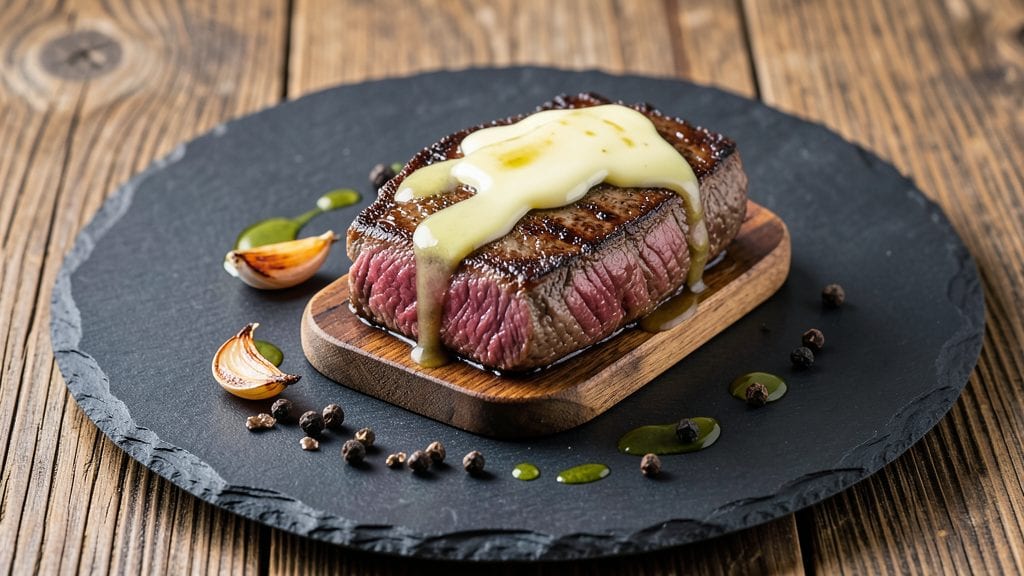
This beef meat recipe turns tough cuts into melt-in-your-mouth perfection with a crispy, golden crust and tender interior—just like your favorite restaurant. The secret lies in precise temperature control and a slow cook that develops deep flavor before the final high-heat sear.
After years of perfecting this technique, I’ve developed a method that delivers restaurant-quality results without the guesswork or expensive equipment.
The process begins with a low-and-slow cook in the oven, ensuring the steak reaches an ideal internal temperature while remaining juicy. Once fully cooked, it’s finished on a screaming-hot cast-iron skillet to create that coveted steakhouse crust—crispy, caramelized, and packed with flavor.
This approach works perfectly with cuts like ribeye, New York strip, or even flank steak, making it versatile enough for weeknight dinners or special occasions.
What you’ll end up with is a steak that’s tender enough to cut with a fork but with a crust so crispy it shatters at the edges. The reverse-sear method eliminates the risk of overcooking, ensuring every bite is juicy and flavorful.
Pair it with classic sides like garlic mashed potatoes or a fresh salad, and you’ve got a meal that feels like a five-star dining experience—without the five-star price tag.
Ready to elevate your steak game? This method is foolproof once you understand the key steps, and the results speak for themselves. Let’s get started—your taste buds will thank you.
Ingredients for beef meat
Four ingredients transform tough beef into restaurant-quality steakhouse perfection.
| Ingredient | Amount | Notes |
|---|---|---|
| Ribeye Steak 🥩 | 2 lb | Bone-in preferred, 1.5-inch thickness |
| Kosher Salt 🧂 | 2 tbsp | Diamond Crystal preferred, coarse |
| Freshly Ground Black Pepper 🌶️ | 1 tbsp | Cracked peppercorns preferred |
| Unsalted Butter 🧈 | ½ cup | Cold, cut into 8 pieces |
| Extra-Virgin Olive Oil 🫒 | 2 tbsp | High smoke point preferred |
| Garlic Cloves 🧄 | 6 cloves | Smashed, skin-on |
| Fresh Rosemary 🌿 | ½ cup | Chopped, fresh sprigs preferred |
| Fresh Thyme 🌿 | ¼ cup | Leaves only, stems removed |
| Red Wine 🍷 | ½ cup | Bold Cabernet Sauvignon preferred |
| Beef Tallow or Duck Fat 🧈 | 2 tbsp | For high-heat sear, optional |
| Cast-Iron Skillet 🍳 | 1 whole | 10-12 inch, well-seasoned |
| Meat Thermometer 🌡️ | 1 whole | Instant-read preferred |
The ribeye steak is non-negotiable here—bone-in adds flavor, and 1.5-inch thickness ensures even cooking. Costco or your local butcher shop are best for quality cuts; look for bright red meat with good marbling. If you can't find ribeye, New York strip or flank steak work too, but ribeye delivers the richest flavor. The Diamond Crystal kosher salt is key for seasoning—it dissolves better than table salt, giving you that perfect crust. I always buy a big bag and keep it in my pantry for everything from steaks to pretzels.
No red wine? Beef broth with a splash of balsamic vinegar works just as well—trust me, you won’t miss it. Fresh herbs are ideal, but dried rosemary and thyme at one-third the amount will get you close if you're in a pinch. The butter needs to be cold when you add it to the skillet—take it straight from the fridge. For the high-heat sear, beef tallow or duck fat adds an extra layer of richness, but olive oil alone will still give you a great crust. If you're using a cheaper cut like flank steak, marinate it overnight in the red wine, garlic, and herbs for maximum tenderness.
This recipe reheats beautifully—just warm it in the oven at 200°F for 10 minutes to keep it juicy. Leftovers keep for 3-4 days in the fridge, but honestly, you won’t have any. The steak freezes well for up to 3 months if you’re planning ahead. I like to portion mine into individual servings right after cooking so they stay fresh. The crust is best eaten fresh, though—it loses its crispiness if you wait too long.
Why You'll Love This Recipe
- Two-Ingredient Magic: I swear by this—just salt, pepper, and a ribeye. That’s it. No fancy marinades or last-minute prep. The steak’s natural richness shines when you let the butter and olive oil work their magic in the pan.
- Butter-Basted Bliss: Honestly, the moment you baste that ribeye with melted butter and olive oil? Pure satisfaction. The crust gets golden, the inside stays juicy, and that rich aroma fills the whole kitchen—no fancy techniques required.
- Weeknight or Weekend: This steak works for everything. Toss it on the grill for a summer BBQ, sear it in a cast-iron for a cozy weeknight, or even slice it for a fancy dinner. Same effort, different vibes—no stress, no excuses.
- Leftovers That Don’t Suck: Between us, most steak leftovers end up in a sad taco or sandwich. Not this one. Cold slices reheat beautifully, or you can shred it for a next-day hash. No dry, overcooked mess—just reliable, flavorful beef.
Step-by-step instructions for reverse-seared steakhouse crust at home
This method transforms a simple ribeye into a restaurant-worthy masterpiece with a crispy crust and tender interior.
Prepare the Steak for Even Cooking
Remove the ribeye from the refrigerator and let it sit at room temperature for 30 minutes. This ensures even cooking throughout the thickest parts of the meat. While it rests, pat the steak dry completely with paper towels—this step is non-negotiable for achieving that perfect crust. Moisture on the surface prevents proper browning, so take your time and wipe every inch, including the fat cap.
In a small bowl, combine the 2 tablespoons kosher salt and 1 tablespoon freshly ground black pepper. Generously coat all sides of the steak with this seasoning, pressing it into the meat so it adheres well. For extra flavor, sprinkle the ½ cup fresh rosemary and ¼ cup fresh thyme leaves evenly over the surface. Let the seasoned steak rest uncovered on a wire rack for another 15 minutes—this allows the salt to penetrate and the surface to dry further, which is crucial for that steakhouse crust.
Low-Temperature Oven Cook for Perfect Doneness
Preheat your oven to 275°F. Place the cast-iron skillet in the oven while it preheats—this ensures it's ready for immediate use and helps maintain a stable temperature. Once the oven reaches temperature, carefully place the ribeye in the hot skillet, fat-side up. The skillet's heat will gently cook the steak while protecting it from drying out.
Cook the steak in the oven for 1 hour to 1 hour 15 minutes, depending on thickness. You're aiming for an internal temperature of 110°F to 115°F when measured with your meat thermometer. This low-and-slow approach builds deep flavor without overcooking the exterior. The steak should feel slightly firm to the touch but still yield slightly when pressed gently with your fingers. Resist the temptation to check the temperature early—every time you open the oven, you risk losing heat and disrupting the cooking process.
Create the Steakhouse Crust with High Heat
While the steak is cooking, prepare your high-heat sear station. In the same cast-iron skillet (no need to clean it), melt the ½ cup unsalted butter cut into pieces along with the 2 tablespoons extra-virgin olive oil and 2 tablespoons beef tallow or duck fat over medium-high heat. Once the butter has melted and the mixture is shimmering but not smoking, add the 6 smashed garlic cloves and let them sizzle for 30 seconds—just enough to release their aroma without burning.
Remove the steak from the oven and increase the heat to high. Carefully place the ribeye in the skillet, fat-side down first. Press down gently on the steak during the first minute to ensure even contact with the pan—this prevents it from curling and ensures the crust forms properly. After 1 minute, flip the steak and sear the other side for another 1 minute. Then, tilt the skillet slightly and spoon the melted butter mixture over the steak, basting it continuously for 30 seconds to create a glossy, flavorful crust.
Deglaze and Finish with Red Wine
Remove the steak from the skillet and let it rest on a warm plate. Pour the ½ cup red wine into the skillet, scraping up any browned bits from the bottom with a wooden spoon. This deglazing step captures all the flavor you've built up during the sear. Let the wine simmer over medium heat for 2-3 minutes until it reduces by half and thickens slightly into a glossy sauce.
Return the steak to the skillet and spoon the reduced wine sauce over the top. Let it sit for 1 minute to absorb some of the sauce, then transfer the steak to a cutting board. Tent loosely with foil and let it rest for 5-10 minutes before slicing. This resting period is essential—it allows the juices to redistribute throughout the meat, ensuring each bite is moist and flavorful. The steak should reach an internal temperature of 125°F to 130°F when sliced, giving you that perfect medium-rare doneness with a steakhouse-worthy crust.
Pro Tips For Making Beef Meat
- Salt the Steak First: Toss the ribeye in kosher salt at least 40 minutes before cooking—yes, even if you’re impatient like me. The salt needs time to penetrate, not just sit on the surface. I used to skip this, and the crust always tasted like it was playing second fiddle to the inside.
- Use Two Oils: Start with olive oil to sear—it’s got a higher smoke point than butter and builds that crust. Once the steak’s browned, swap in butter for the last 2 minutes. The butter adds richness, but it burns fast, so don’t walk away.
- Check Internal Temp: Pull the steak at 120°F for rare, not when it looks done. I learned this the hard way after slicing into a perfectly browned steak that was still gray inside. A meat thermometer is your friend—no guessing.
- Rest Under Foil: Move the steak to a plate, loosely tent with foil, and let it rest for 5–10 minutes. This keeps it juicy, not soggy. I know, I know—you want to cut into it immediately—but trust the process. Your knife will thank you later.
Perfect pairings for these flavors
Classic Sides
Start with garlic mashed potatoes—creamy, buttery, and infused with roasted garlic cloves. I use Yukon Gold potatoes boiled until tender, then mashed with ½ cup unsalted butter, ½ cup whole milk, and 2 minced garlic cloves roasted in olive oil until caramelized.
The richness complements the steak’s crust beautifully. 🥔
Fresh Contrast
A shaved fennel and apple salad adds crispness and brightness. Thinly slice 1 fennel bulb and 1 crisp apple (like Honeycrisp), then toss with 2 tbsp lemon vinaigrette (olive oil + lemon juice + Dijon).
Add ¼ cup toasted walnuts and 2 tbsp crumbled feta for texture. The anise notes in fennel pair perfectly with the steak’s herbal crust.
Wine Pairings
For bold flavor, a Cabernet Sauvignon (like Caymus Vineyards) mirrors the steak’s richness with its dark fruit and tannins. For something lighter, a Pinot Noir (such as La Crema) offers red fruit and earthiness that won’t overpower the dish.
Avoid heavy Syrahs—they can clash with the delicate crust. 🍷
Beer Options
A Belgian-style witbier like Hoegaarden cuts through the richness with its citrus and coriander notes. For American craft beer lovers, a hazy IPA (like The Bruery’s Pliny the Elder) adds hoppy brightness that cleanses the palate. Avoid dark stouts—they’ll make the steak taste heavy.
Sauce Enhancements
Drizzle the steak with truffle-infused olive oil (like Burlap & Barrel) for an earthy luxury touch. Or serve with champagne butter—melt ¼ cup butter with 1 tbsp champagne vinegar and 1 tsp fresh thyme, then swirl over the top.
Both elevate the dish without overpowering the crust. 💫
Garnish Finishing
Finish with crispy fried shallots (store-bought or homemade) for crunch and microgreens for color. A sprinkle of flaky sea salt (like Maldon) enhances the crust’s texture.
For a pop of acidity, add quick-pickled red onions—thinly slice 1 red onion, soak in ½ cup vinegar, 1 tsp sugar, and 1 tsp salt for 15 minutes.
Nutrition facts
Frequently asked questions
What's the best cut of beef for this reverse-sear technique?
Ribeye delivers the richest flavor and marbling, but New York strip or flank steak work beautifully too. For tougher cuts like flank, marinate overnight in the red wine mixture to maximize tenderness. Avoid lean cuts like sirloin—they lack the fat needed for that perfect crust.
Can I use this method with thinner steaks?
Not ideally—the reverse-sear works best with 1.5-inch thick steaks that need the slow cook to reach perfect doneness. For thinner cuts (1-inch or less), skip the oven step and sear directly over high heat for 3-4 minutes per side instead. The crust will be similar but less developed.
Why does my steak turn out dry?
Overcooking is the #1 cause—always use a meat thermometer and stop at 125°F-130°F internal temp. Another common mistake? Not resting the steak. Tent with foil for 5-10 minutes before slicing to let juices redistribute. Also ensure your steak is fully dry before seasoning.
How do I adjust this for a grill instead of oven?
Preheat your grill to 250°F for the slow cook (use indirect heat). Cook the steak 1 hour to 1 hour 15 minutes until it reaches 110°F-115°F. Then finish with a high-heat sear on the grill grates. The crust will be slightly different but still delicious—just monitor the heat closely.
Can I make this ahead of time?
Cook the steak completely (to 130°F) and refrigerate for up to 3 days. Reheat gently in the oven at 200°F for 10 minutes before finishing with a quick sear in a hot pan. For parties, portion and freeze individual servings—thaw overnight in the fridge before reheating.