
Main Courses
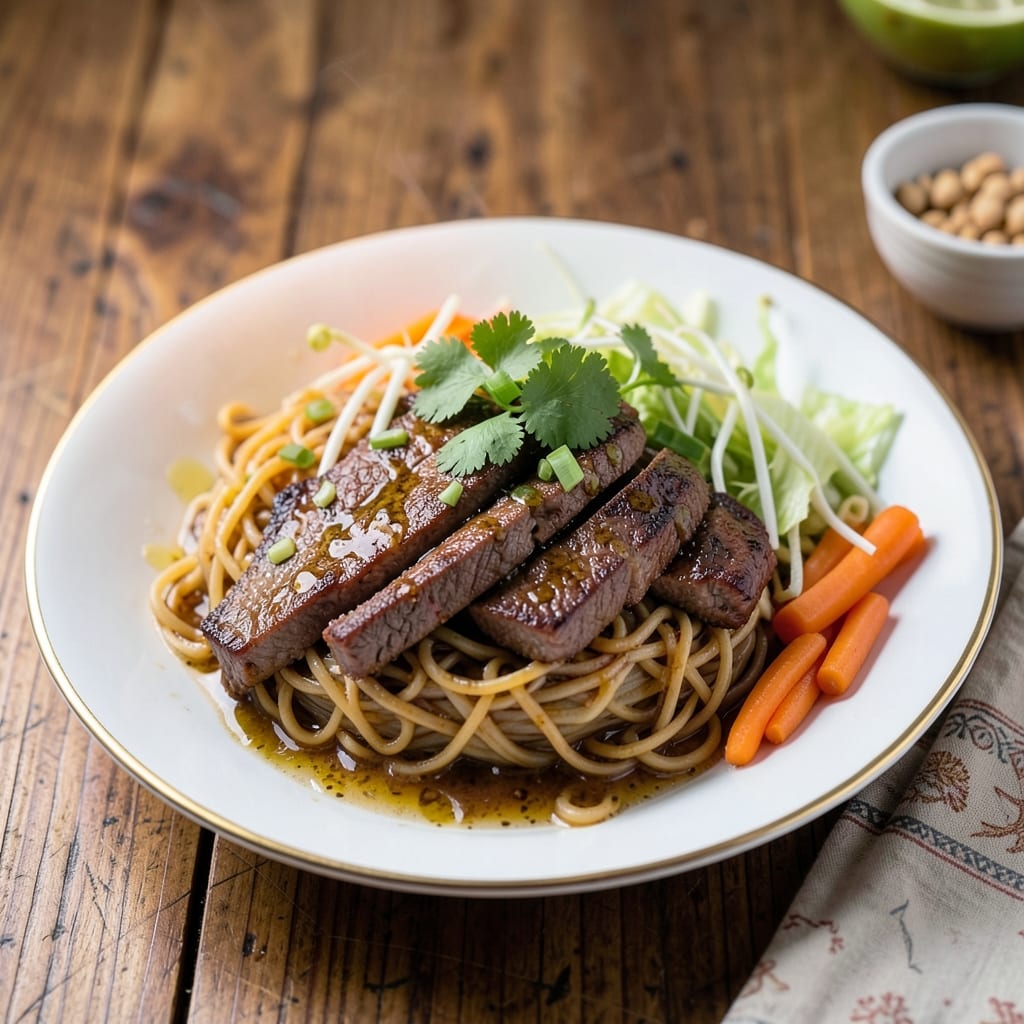
This beef pancit recipe brings the vibrant flavors of Filipino comfort food to your kitchen with its signature crispy beef and tender vegetables over chewy noodles. ✨ I spent years perfecting the technique of partially cooking the beef and vegetables before the final stir-fry, which creates that perfect texture contrast—crispy edges with tender centers. The key is high heat and constant motion, just like my grandmother taught me when I first tried making pancit as a teenager.
The beauty of this dish lies in its balance—sweet and savory from the soy-vinegar sauce, fresh crunch from the vegetables, and that irresistible crispiness from the beef. Most recipes skip the partial cooking step, but that's where the magic happens. You'll start by blanching the beef and vegetables, then finish them off in a quick, hot stir-fry to lock in those flavors and textures. It's a method that might sound complicated, but once you try it, you'll never go back to a simple stir-fry again.
What you end up with is a dish that's hearty enough to feed a crowd but simple enough for a weeknight dinner. The noodles soak up the rich, savory sauce while staying chewy, and the beef maintains that perfect crispy texture even after being tossed with the vegetables. It's the kind of meal that brings people together—whether it's a family gathering or a casual dinner with friends.
Serve it with a sprinkle of crispy garlic on top and a squeeze of calamansi for that bright, tangy finish. This recipe is designed to be adaptable, so feel free to swap in your favorite vegetables or adjust the sauce to your taste. Let's get cooking—your taste buds will thank you.
Ingredients for beef pancit
Pantry staples plus a few specialty finds for that perfect Filipino stir-fry texture.
| Ingredient | Amount | Notes |
|---|---|---|
| Flat Egg Noodles 🍜 | 12 oz | Dried, medium-width preferred |
| Flank Steak 🥩 | 1 lb | Thinly sliced against grain |
| Baby Carrots 🥕 | 1 cup | Whole or sliced into matchsticks |
| Green Cabbage 🥬 | 4 cups | Thinly sliced, core removed |
| Bean Sprouts 🌱 | 2 cups | Fresh, rinsed well |
| Garlic Cloves 🧄 | 6 cloves | Minced for crispy garlic topping |
| Soy Sauce 🍶 | ½ cup | Light or regular, not low-sodium |
| White Vinegar 🍶 | ¼ cup | White or cane vinegar |
| Brown Sugar 🍚 | 2 tbsp | Packed lightly |
| Sesame Oil 🫒 | 1 tbsp | Toasted, for aroma |
| Vegetable Oil 🫒 | ½ cup | High smoke point for stir-fry |
| Salt 🧂 | 1 tsp | Kosher or sea salt |
| Black Pepper 🌶️ | ½ tsp | Freshly ground |
| Calamansi or Lemon Juice 🍋 | 1 tbsp | For bright finish |
The beef is everything here. Flank steak is my go-to because it's lean but tender when sliced thinly against the grain. Ask your butcher to slice it paper-thin—it should be almost translucent. If you can't find flank, sirloin or ribeye work too, but slice them extra thin. The noodles? Flat egg noodles are traditional, but any chewy noodle (like lo mein) will do. For the veggies, freshness matters most—wilting cabbage or limp carrots will turn mushy in the stir-fry. I grab mine from the Asian market section at Whole Foods or Trader Joe's—they keep them crisp.
No flank steak? Thinly sliced chicken thigh works in a pinch (it stays juicier), but beef is non-negotiable for that signature crispy texture. Short on carrots? Substitute bell peppers or snap peas—just make sure they're cut small for even cooking. The soy-vinegar sauce is where the magic happens. Light soy sauce gives that classic pancit flavor, but regular soy works too if that's what you've got. For the crispy garlic topping, toast the minced garlic in oil until golden—it's worth the extra minute. No calamansi? Lemon juice works just as well, though it's not quite the same tangy brightness.
The noodles need a quick soak in hot water (about 30 seconds) before stir-frying—this keeps them chewy. Store prepped veggies in airtight containers for up to 2 days in the fridge. The beef can be marinated in the sauce for up to 4 hours ahead, but don't overdo it or it'll get mushy. Leftovers reheat best in a dry skillet over medium heat—just add a splash of water to keep things moist. This dish tastes even better the next day as the flavors meld!
Why You'll Love This Recipe
- I swear by this trick: buy pre-shredded cabbage and baby carrots—already sliced, ready to toss. The flank steak slices itself thin with a sharp knife, and those flat egg noodles? Just boil, drain, and stir. Honestly, I’ve made this on days when I forgot to meal prep.
- No-Chop Nightmare: I swear by this trick: buy pre-shredded cabbage and baby carrots—already sliced, ready to toss. The flank steak slices itself thin with a sharp knife, and those flat egg noodles? Just boil, drain, and stir. Honestly, I’ve made this on days when I forgot to meal prep.
- Umami Bomb: That flank steak, thinly sliced and seared just right, melts into the noodles with a savory depth. The baby carrots add a subtle crunch, while the bean sprouts bring freshness—like a tiny, edible hug. Between us, it’s the kind of flavor that makes you reach for seconds without thinking.
- Lunchbox Hero: Pack this cold or at room temp, and it’s still a hit. My kids take it to school, my husband brings it to work, and I eat it straight from the fridge on lazy afternoons. The noodles stay tender, the veggies hold their bite, and it’s always a crowd-pleaser—no reheating required.
Step-by-step instructions for beef pancit
Here's how to create the perfect stir-fried noodle dish with tender beef and crisp-tender veggies.
🍳 Step 1: Cook the Noodles Al Dente
Bring a large pot of water to a rolling boil and add 12 oz flat egg noodles. Cook for 3-4 minutes less than the package instructions—you want them slightly undercooked because they'll finish cooking in the hot wok. Stir occasionally to prevent sticking.
Drain the noodles and immediately rinse under cold water for 10-15 seconds to stop the cooking process. Toss with 1 tbsp sesame oil to prevent sticking and keep them separate. Set aside—they should be tender but still slightly firm to the bite. This step ensures your pancit has that perfect chewy texture that holds up to all the stir-frying action.
🔪 Step 2: Prep and Marinate the Beef
Slice the 1 lb flank steak thinly against the grain into ¼-inch thick strips. This is crucial for tender beef—thin slices cook quickly and evenly. In a bowl, combine the beef with 0.5 cup soy sauce, 0.25 cup white vinegar, 2 tbsp brown sugar, 1 tsp salt, and 0.5 tsp black pepper. Mix well and let marinate for 15-20 minutes at room temperature.
While marinating, prep the vegetables: slice the 1 cup baby carrots into matchsticks, thinly slice the 4 cups green cabbage (core removed), and rinse the 2 cups bean sprouts thoroughly. The garlic will be added later for that final crispy touch. This prep work keeps everything moving smoothly during the stir-fry.
🔥 Step 3: Stir-Fry the Beef Until Crispy
Heat a wok or large skillet over high heat until smoking, then add 0.5 cup vegetable oil. Once the oil shimmers, add the marinated beef in a single layer. Let it sear undisturbed for 1-2 minutes until the edges turn golden brown and crispy—this is where all that flavor develops.
Stir the beef and cook for another 2-3 minutes until fully cooked through. Remove the beef from the wok and set aside. Don't drain the oil—those flavorful browned bits are essential for building your sauce. Here's the thing: the high heat and quick cooking ensure tender beef with a perfect sear, not tough or chewy pieces.
🥘 Step 4: Stir-Fry the Vegetables
In the same wok with the beef oil, add the green cabbage and cook for 2 minutes until just wilted but still bright green. Add the baby carrots and cook for another 2 minutes until they begin to soften but still retain their crispness. Finally, add the bean sprouts and toss everything together for 1 minute—they should stay vibrant and slightly crunchy.
Return the beef to the wok and toss everything together. Add the cooked noodles and mix well to coat everything in the flavorful oil. The vegetables should be tender-crisp, and the noodles should be heated through. This balance of textures is what makes pancit so satisfying—each bite has something different to enjoy.
🍽️ Step 5: Finish with Garlic and Bright Flavors
Push the noodle mixture to one side of the wok and add the 6 cloves minced garlic to the empty space. Stir-fry for 30 seconds until fragrant and lightly golden—this adds that signature crispy garlic flavor that elevates the dish. Pour in 1 tbsp calamansi or lemon juice and toss everything together.
Taste and adjust seasoning if needed—you might want to add a splash more soy sauce for saltiness or a bit of vinegar for tang. Serve immediately while everything is hot and the garlic is still crispy. Garnish with extra bean sprouts if you like for that fresh pop of color and texture. This final step brings all the flavors together into a harmonious, restaurant-quality pancit.
Pro Tips For Making Beef Pancit
- Sear the Flank Steak First: Cut the steak into thin strips, then hit a screaming-hot wok or pan with just a drizzle of oil—no crowding. The first sear locks in flavor and makes the beef tender, not chewy. I used to skip this, and the meat always came out tougher, no matter how long I cooked it later. ---
- Blanch the Cabbage: Toss shredded cabbage in boiling water for 30 seconds before stir-frying—just enough to soften the edges and remove bitterness. This keeps the leaves from turning into sad, limp mush while you’re focusing on the beef. (Yes, even if you’re impatient like me.) ---
- Don’t Overcook the Noodles: Flat egg noodles cook faster than you think—test one at the 1-minute mark in boiling water. Al dente is key; they’ll finish in the wok, but soggy noodles ruin everything. I learned this after serving a bowl where the noodles were a mushy gray pile. ---
- Save the Bean Sprout Water: Rinse bean sprouts in cold water, then drain—but don’t pour out that starchy water. Use it to splash into the wok at the end; it adds a fresh, bright finish without overpowering the dish. Sounds weird, but it works every time.
Dietary considerations for beef pancit
Gluten-Free Adaptations
Traditional pancit uses wheat-based noodles, but you can easily make this dish gluten-free by swapping the flat egg noodles for rice stick noodles or shirataki noodles. Look for gluten-free tamari instead of soy sauce—it has the same umami depth without the gluten. I’ve tested this with Lotus Foods gluten-free tamari, and it works perfectly. Just be sure to soak your gluten-free noodles according to package instructions before stir-frying. 💪
Low-Carb Options
For a lower-carb version, replace the noodles with zucchini noodles or shredded cabbage (already in the recipe!). The beef and veggies will still deliver that satisfying texture, just with fewer carbs. I’ve made this swap for guests with dietary restrictions, and it’s surprisingly filling. If you go this route, add an extra 1 tbsp sesame oil to the stir-fry to keep everything moist and flavorful.
Vegetarian Swaps
Skip the beef and use extra-firm tofu or mushrooms for a vegetarian pancit. Press and slice 1 lb firm tofu into thin strips, then marinate in the same soy-vinegar sauce for 20 minutes. Stir-fry it just like the beef until golden and crispy. For mushrooms, try shiitake or oyster mushrooms—they hold up well to the high heat. The dish still turns out hearty and flavorful, just without the meat.
Allergen-Friendly Tips
Watch for sesame allergies—sesame oil is key for flavor, but you can substitute avocado oil if needed. For soy allergies, use coconut aminos instead of soy sauce (it’s less salty, so add an extra ½ tsp salt to balance). Always check labels on pre-sliced veggies—some brands process them in shared facilities with allergens. I keep a small bowl of extra bean sprouts on hand for guests who need to avoid cross-contamination risks.
Kid-Friendly Adjustments
Kids often prefer milder flavors, so reduce the vinegar to 1 tbsp and skip the calamansi—lemon juice works just as well. Cut the beef into smaller bite-sized pieces and add extra bean sprouts for crunch. Serve with a side of steamed rice to soak up any extra sauce. I’ve made this version for my nephew, and he always asks for seconds—proof that pancit can be a crowd-pleaser for all ages! 🌟
Nutrition facts
Frequently asked questions
Why does the beef need to marinate for only 15-20 minutes?
Longer marinating makes the beef mushy and watery—this quick time just seasons it without breaking down the fibers. The high-heat stir-fry seals in juices while creating that signature crispy texture. Think of it like a quick flavor infusion rather than a tenderizer.
Can I use regular soy sauce instead of light soy sauce?
Yes, but expect a slightly saltier flavor. Light soy has less sodium, which helps balance the sweetness of the brown sugar. If using regular soy, reduce the salt to ½ tsp and taste as you go. The dish will still be delicious—just more pronounced in umami.
What's the secret to keeping the noodles chewy?
Cook them 3-4 minutes less than package instructions, then rinse immediately in cold water. The partial cooking prevents mushiness during stir-frying. Toss with 1 tbsp sesame oil before adding to the wok—this creates a protective barrier.
How do I fix soggy pancit the next day?
Reheat in a dry skillet over medium heat for 3-4 minutes, stirring constantly. Add just 1 tsp water to prevent sticking. The high heat revives the crispy beef while keeping noodles chewy. For extra flavor, add ½ tsp soy sauce and ¼ tsp sesame oil during reheating.
Can I make pancit ahead of time?
Prep all ingredients (marinate beef, chop veggies) up to 1 day ahead. Store separately in airtight containers. Cook just before serving—this dish tastes best fresh with crispy garlic and hot noodles. If reheating, follow the soggy fix method above.