
Main Courses
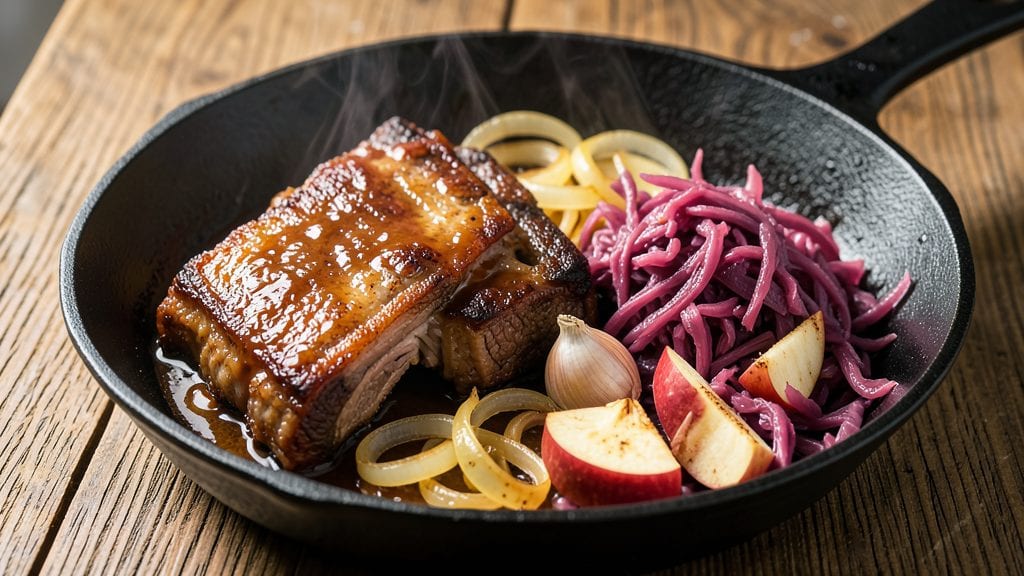
This beef ribs with sauerkraut recipe delivers the perfect balance of smoky, tender meat and tangy, crispy sauerkraut in one unforgettable dish. The German-style braise transforms tough cuts into melt-in-your-mouth perfection while preserving the sauerkraut's signature crunch and acidity.
I developed this method after years of experimenting with slow-cooked ribs, and the sauerkraut addition elevates it from hearty to truly exceptional.
The secret lies in the braising process—low and slow to render fat and collagen while developing deep, caramelized flavors. For the sauerkraut, a quick pan-fry with onions and apples adds sweetness that cuts through the richness of the ribs.
Together, they create a dish that's both comforting and sophisticated, with textures that contrast beautifully—tender meat against crisp edges and creamy sauerkraut.
By the time you serve this, your table will smell like a German beer hall, with ribs so tender they fall apart at the touch and sauerkraut that's crispy on the outside, soft in the middle, and packed with flavor.
The combination of smoky, savory, and tangy elements makes this a complete meal that pairs perfectly with a cold stout or dark rye bread.
This recipe works equally well for weekend feasts or weeknight dinners—just scale the portions as needed. The braising method means you can prepare it ahead and let the flavors deepen even more over time. Let's get cooking!
Ingredients for beef ribs and sauerkraut
German beer hall flavors start with these simple but powerful ingredients.
| Ingredient | Amount | Notes |
|---|---|---|
| Beef Ribs 🥩 | 4 lb | Bone-in, meaty cuts preferred |
| Sauerkraut 🥬 | 2 cups | Unopened jar preferred |
| Yellow Onions 🧅 | 1 whole | Sliced into wedges |
| Apples 🍎 | 2 medium | Sweet variety like Fuji or Gala |
| Yellow Onion 🧅 | 1 large | Diced for sautéing |
| Garlic Cloves 🧄 | 6 cloves | Minced for depth of flavor |
| Beef Broth 💧 | 2 cups | Low-sodium preferred |
| Apple Cider Vinegar 🍏 | ¼ cup | For tangy brightness |
| Dark Brown Sugar 🍚 | ½ cup | Packed firmly |
| Smoked Paprika 🌶️ | 1 tbsp | For authentic smoky flavor |
| Ground Black Pepper 🌶️ | 1 tsp | Freshly cracked |
| Bay Leaves 🍃 | 2 whole | Removed before serving |
| Olive Oil 🫒 | 2 tbsp | For crispy edges |
| Salt 🧂 | 1 ½ tsp | Kosher or sea salt |
The ribs are the star, so look for meaty cuts with good marbling—ask the butcher for 'back ribs' if your store doesn't pre-cut them. Costco or Whole Foods usually have the best quality for braising. For the sauerkraut, unopened jars from the refrigerated section taste fresher than the canned stuff. The apples? Fuji or Gala work best—they're sweet but hold up to cooking. If you can't find those, Honeycrisp or Pink Lady are solid backups. The onions? Yellow or red both work, but yellow has a slightly sweeter flavor that pairs better with the ribs.
No smoked paprika? Regular paprika plus a pinch of liquid smoke gets you close. Out of apple cider vinegar? White vinegar or even lemon juice works in a pinch, but the apple cider adds that authentic tang. The brown sugar can be swapped for maple syrup or honey if you're avoiding refined sugar. For the onions, red onions add color but less sweetness, so use them if you want visual contrast. The garlic is non-negotiable though—fresh is essential for that deep, aromatic base. If you're short on time, peeled and frozen garlic cloves work in a bind, but toast them first to bring out the flavor.
This dish tastes even better the next day—plan ahead. The ribs keep 3-4 days in the fridge, and the sauerkraut mixture can be made 2 days ahead. For leftovers, reheat in a skillet with a splash of broth to restore crispiness. The braising liquid? Reduce it and use as a sauce—it's packed with flavor. Store everything in airtight containers, and if you're making this for a crowd, double the recipe—it reheats beautifully.
Why You'll Love This Recipe
- One-Pan Magic: I swear by this recipe—just ribs, sauerkraut, onions, and apples tossed in a skillet. No fancy gadgets, no stress. The ribs caramelize right alongside the sauerkraut’s tangy punch, and that sweet apple adds a bright finish without extra work.
- Sweet-Savory Balance: Between us, the combo of juicy beef ribs and sauerkraut’s sharp tang is chef’s kiss. The apples soften just enough to mop up the pan juices, turning every bite into a flavor explosion—like a tangy, caramelized hug in your mouth.
- Leftovers That Don’t Suck: Honestly, this dish tastes better the next day. The ribs stay tender, the sauerkraut mellows into perfect tanginess, and I’ve reheated portions straight from the fridge for sandwiches or over rice—no one complains, and my wallet thanks me.
- Budget Meal for Big Crowds: This feeds four for under $20, and the ingredients stretch far. Use cheaper rib cuts, bulk sauerkraut, and seasonal apples—it’s hearty enough for game days, potlucks, or when your in-laws show up unannounced. (Yes, even on a Tuesday night.)
Step-by-step instructions for beef ribs with sauerkraut braise
Here's the straightforward method for tender ribs with crispy edges and tangy sauerkraut.
Sear the Beef Ribs for Maximum Flavor
Pat the 4 lb beef ribs dry with paper towels and season generously with 1.5 tsp salt, 1 tbsp smoked paprika, and 1 tsp ground black pepper. Heat 2 tbsp olive oil in a large Dutch oven over medium-high heat until shimmering. Place the ribs bone-side down and sear for 5-6 minutes until deep golden brown and crispy in spots.
Flip the ribs and sear the meaty side for another 4-5 minutes. This initial searing creates the crispy edges we're after while locking in juices. Don't rush this step—you want that rich Maillard reaction happening. Once browned, remove ribs to a plate and set aside.
Build the Tangy Braising Base
In the same Dutch oven, add the sliced 1 whole yellow onion and diced 1 large yellow onion. Cook for 5 minutes until softened and lightly caramelized. Add the 6 cloves minced garlic cloves and cook for 30 seconds until fragrant—don't let it burn.
Stir in the 2 cups sauerkraut, scraping up any browned bits from the bottom. Add the 2 medium apples (peeled and sliced) and cook for 3 minutes until the apples begin to soften. This step develops the complex flavors that make this braise special.
Create the Braising Liquid
Pour in the 2 cups beef broth and 0.25 cup apple cider vinegar. Add the 0.5 cup packed dark brown sugar and stir to dissolve. Return the ribs to the pot, bone-side up, along with the 2 whole bay leaves. Bring to a gentle simmer over medium heat.
Here's the thing—you want the liquid to cover about two-thirds of the ribs. If it's too shallow, add a splash of water. The ribs will cook slowly in this liquid, becoming fork-tender while maintaining those crispy edges from the initial sear.
Braise Until Fork-Tender
Cover the Dutch oven and transfer to a preheated 300°F oven. Braise for 2.5 to 3 hours, turning the ribs occasionally, until they're fork-tender and easily pull away from the bone. The ribs should be fall-apart tender with those crispy edges still intact.
Check for doneness by inserting a fork into the meatiest part—it should slide in easily with no resistance. The sauce should have thickened slightly and developed a rich, tangy flavor from the sauerkraut and apples. If it's too thin, uncover and simmer for another 10 minutes to reduce.
Rest and Serve with Crispy Edges
Remove the ribs from the pot and let them rest on a cutting board for 10 minutes. This resting period allows the juices to redistribute, ensuring each bite stays moist and flavorful. Discard the bay leaves before serving.
Slice the ribs between the bones and serve with the tangy braising liquid spooned over the top. The contrast of crispy edges with tender meat and the tangy sauerkraut creates a perfect balance of flavors. Serve immediately while the edges are still crispy and the ribs are piping hot.
Pro Tips For Making Beef Ribs And Sauerkraut
- Brown the Ribs First: I learned this the hard way—skipping the sear means flavorless ribs. Pat them dry, then hit them with oil and a hot pan until deep golden. That crust locks in moisture and turns the whole dish into something special.
- Rinse, Don’t Drain: Sauerkraut’s juice is magic—don’t toss it. Rinse the kraut under cold water to cut the acidity, but save that liquid. Stir it back into the pot later; it adds depth and keeps everything tender.
- Slice Apples Thin: Thick apple chunks turn mushy. Use a mandoline or knife for paper-thin slices—they soften just enough to sweeten the dish without disappearing. (Yes, even if you’re impatient like me.)
- Simmer Low and Slow: After browning ribs, crank the heat to boil for 5 minutes, then drop it to a gentle simmer. High heat makes ribs tough, and this recipe isn’t about speed—it’s about letting flavors meld. (Your future self will thank you.)
Serving suggestions for this dish
German Beer Hall Plating
Serve this dish the way it would be presented in a traditional German beer hall—with the ribs sliced between the bones and arranged on a large wooden board or platter. Spoon the tangy braising liquid generously over the top, then scatter the crispy sauerkraut mixture around the edges.
Add a few slices of crusty rye bread for soaking up the juices, and garnish with fresh dill sprigs for a pop of color. 🍺
Crispy Sauerkraut Topping
For an extra-special touch, transfer the sauerkraut mixture to a skillet after braising and cook on medium-high heat for 3-4 minutes until the edges turn golden and crispy. Spoon this crispy topping directly over the ribs before serving—it adds texture contrast and amplifies the tangy flavor.
I like to finish with a drizzle of apple cider glaze (simmer ¼ cup apple cider vinegar with 2 tbsp brown sugar for 5 minutes) for extra shine.
Beverage Pairings
A cold dark German stout like Paulaner Salzwasser or Schneider Weisse Aventinus complements the smoky-sweet flavors perfectly. The maltiness balances the tangy sauerkraut while enhancing the ribs' richness. For a lighter option, try a German wheat beer (Hefeweizen) or a crisp Pilsner—the hoppy bitterness cuts through the richness beautifully.
Avoid heavy red wines that would overpower the dish.
Bread Service
No German meal is complete without fresh bread. Serve crusty dark rye or pretzel bread on the side for dipping into the braising sauce. I also recommend including a small bowl of butter (room temperature) for spreading on the bread.
The contrast of the dense, slightly sweet bread with the tender ribs creates a satisfying bite. For extra authenticity, add a few soft pretzel bites as a garnish around the platter.
Make-Ahead Serving
This dish tastes even better the next day, so plan ahead if you're serving a crowd. Reheat the ribs in a 350°F oven for 20 minutes with a splash of broth to restore moisture. Warm the sauerkraut mixture separately in a skillet until crispy.
The flavors meld beautifully overnight, making this perfect for meal prep. Serve with a side of pickled vegetables (like radishes or cucumbers) to refresh the palate between bites. 💫
Family-Style Presentation
For a communal dining experience, arrange the ribs and sauerkraut on a large platter in the center of the table. Provide serving utensils so everyone can help themselves. Add small bowls of mustard (Dijon and whole grain) and horseradish cream for customization. This interactive approach turns the meal into a shared experience, especially great for gatherings or celebrations. The combination of crispy, tender, and tangy elements makes every bite exciting.
Nutrition facts
Frequently asked questions
Can I use frozen sauerkraut in this recipe?
Fresh, refrigerated sauerkraut works best for this braise—it maintains the right texture and tanginess. Frozen sauerkraut often loses its crispness when thawed, which affects the final dish. If you must use frozen, drain it thoroughly and pat it dry before adding to the pot to prevent excess moisture in your braising liquid.
How do I prevent the ribs from drying out during braising?
Keep the ribs submerged in the braising liquid by adding a splash of water or broth if needed. Covering the pot tightly and braising at 300°F ensures slow cooking without drying. The key is patience—don't rush the process, and resist the urge to check too often. The ribs should be fork-tender after 2.5-3 hours.
What's the best way to reheat leftovers?
Reheat ribs in a 350°F oven for 20 minutes with a splash of beef broth to restore moisture. For the sauerkraut, warm it in a skillet over medium heat until crispy again. Leftovers actually taste better the next day as flavors meld—just avoid microwaving, which can make ribs rubbery.
Can I substitute pork ribs for beef ribs?
Yes, but adjust the cooking time—pork ribs cook 1-1.5 hours faster than beef. They'll be tender sooner but may not develop the same deep flavor. If using pork, reduce the braising time to 2 hours and check for doneness early. The sauerkraut pairing works equally well with either protein.
Why does my sauerkraut turn mushy?
Overcooking or using pre-drained sauerkraut causes mushiness. Always use unopened, refrigerated sauerkraut and cook it just until heated through (3-4 minutes). For extra crispiness, spread it on a baking sheet and broil for 2 minutes at the end. The acidity in sauerkraut breaks down quickly when heated too long.