
Main Courses
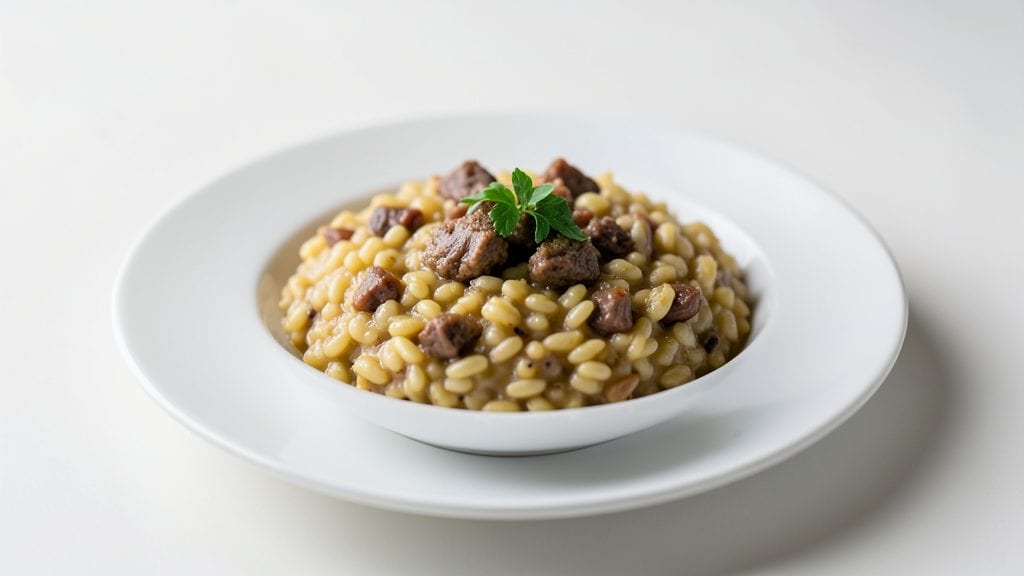
Mastering a beef risotto recipe transforms simple ingredients into a velvety, restaurant-worthy dish that feels like a celebration on any table. The secret lies in Arborio rice’s ability to absorb liquid gradually, creating that signature creamy texture while maintaining a subtle al dente bite.
I’ve perfected this method over countless weeknight dinners—it’s the kind of recipe that feels impressive without requiring hours in the kitchen.
This version elevates traditional risotto with a brown butter crunch that adds depth and a touch of sophistication, while tender beef strips provide hearty satisfaction.
The process is methodical but straightforward: toast the rice, deglaze with wine, and gradually add warm broth while stirring—no special equipment needed, just patience and attention. The result is a dish that’s rich, creamy, and packed with umami flavor in every spoonful.
What makes this risotto truly special is how it comes together—starting with a rich beef base, building layers of flavor with aromatics, and finishing with that luxurious brown butter topping.
The texture is what sets it apart: silky rice with a slight bite, melted cheese, and a crispy contrast that keeps every bite exciting. Serve it alongside a simple arugula salad or grilled bread to round out the meal.
This recipe delivers on the promise of creamy perfection while keeping the technique accessible. Whether you’re cooking for a date night or feeding a family, the risotto method ensures consistent results every time. Let’s get started on creating your own velvety masterpiece.
Ingredients for beef risotto
Transform humble pantry staples into a luxurious beef risotto with rich, velvety texture and golden-brown butter crunch.
| Ingredient | Amount | Notes |
|---|---|---|
| Arborio Rice 🍚 | 1 ½ cups | Uncooked, high-quality short-grain |
| Unsalted Butter 🧈 | ¾ cup | Cold, for browning and cooking |
| Yellow Onion 🧅 | 1 whole | Medium, finely diced |
| Garlic Cloves 🧄 | 4 cloves | Fresh, minced |
| Dry Red Wine 🍷 | 1 ½ cups | Bold, like Cabernet Sauvignon |
| Beef Broth 🥫 | 6 cups | Homemade or high-quality store-bought |
| Beef Tenderloin 🥩 | 1 lb | Thinly sliced into strips |
| Parmesan Cheese 🧀 | 1 cup | Freshly grated, aged |
| Dry White Wine 🍷 | ½ cup | For deglazing (optional) |
| Fresh Thyme 🌿 | ¼ cup | Leaves only, chopped |
| Diamond Crystal Kosher Salt 🧂 | 1 ½ tsp | For seasoning |
| Freshly Ground Black Pepper 🌶️ | ½ tsp | For finishing |
The Arborio rice is non-negotiable—its high starch content creates that signature creaminess. Bianco di Arborio from Italy delivers the best texture, but any quality Arborio works. For the beef, tenderloin strips ensure tenderness, though sirloin or chuck can substitute if sliced thinly. The butter should be unsalted to control seasoning, and European-style (like Plugrá) browns beautifully. Fresh thyme from the grocery store’s produce section adds brightness—avoid dried unless it’s organic for better flavor. The Parmesan should be aged at least 24 months for optimal depth.
No red wine? Beef broth with a splash of balsamic vinegar works in a pinch, though the acidity will differ. For the white wine deglaze, dry vermouth or even extra broth can stand in. The beef broth must be warm when added—cold liquid stops the cooking process. If you’re short on time, pre-sliced beef strips from the butcher counter save chopping. The kosher salt should be Diamond Crystal or Morton for consistent measurements—table salt is too fine. For extra richness, stir in 1 tbsp heavy cream at the end.
Risotto reheats beautifully—just add a splash of broth and stir gently. Store leftovers in an airtight container for up to 3 days in the fridge, though texture may soften. For longer storage, freeze portions for 3 months—thaw overnight in the fridge before reheating. The brown butter topping can be made ahead and stored at room temperature for 1 week, though it’s best used fresh. To save time, prep aromatics and beef ahead, then finish the risotto just before serving.
Why You'll Love This Recipe
- One-Pot Magic: I swear by this—just a single pot, no extra pans or bowls. The Arborio rice soaks up the beef and wine broth like a sponge, turning it into a creamy dream with zero fuss.
- Wine-Infused Richness: That splash of dry red wine? It’s not just for flavor—it deepens the beef’s savoriness while cutting through the richness of the butter. Honestly, the first bite makes you forget it’s weeknight dinner.
- Crowd-Pleaser Flex: Serve it at your next dinner party or reheat it for lunch—it’s that versatile. Even my picky nephew clears his plate, and he’s the one who turns up his nose at garlic.
- Budget-Friendly Luxury: Arborio rice and a good onion stretch further than you’d think. Leftovers reheat beautifully, and the dish feels fancy without breaking the bank. My secret weapon for looking impressive on a tight budget.
Step-by-step instructions for beef risotto with brown butter crunch
Master this technique and you'll achieve velvety risotto with perfect texture and rich depth.
Sear the Beef Tenderloin for Maximum Flavor
Pat the 1 lb beef tenderloin strips dry with paper towels and season generously with 1.5 tsp diamond crystal kosher salt and 0.5 tsp freshly ground black pepper. Heat a large skillet over medium-high heat until hot, then add 0.25 cup unsalted butter (half of the total). Once the butter foams, add the beef in a single layer and sear for 2-3 minutes per side until deep golden brown and cooked to medium-rare (130°F internal temperature).
Remove the beef from the skillet and set aside on a plate. The residual butter in the pan will carry all that caramelized flavor into your risotto. If the butter begins to brown too quickly, reduce heat to medium—this ensures a rich, nutty base without burning. The beef should be tender but still slightly resistant to pressure when done.
Build the Risotto Base with Onion and Garlic
In the same skillet (no need to clean it—the fond is flavor gold), reduce heat to medium and add the remaining 0.5 cup unsalted butter. Once melted, add the 1 whole yellow onion and cook for 5-6 minutes until softened and translucent. Add the 4 cloves garlic cloves and 0.25 cup fresh thyme leaves, cooking for an additional 1-2 minutes until fragrant but not browned.
Here's the thing—don't rush this step. The onion should melt into the butter without color, and the garlic should perfume the air without bitterness. If the garlic begins to darken, remove the skillet from heat for 30 seconds to cool slightly. This aromatic foundation is the soul of your risotto.
Toast the Arborio Rice for Perfect Texture
Add the 1.5 cups arborio rice to the skillet and stir to coat completely in the butter mixture. Toast the rice for 2-3 minutes until it becomes translucent at the edges and releases a nutty aroma. This step, called "toasting," develops the rice's starch content, which will later create that signature creamy texture.
I like to press down gently on the rice with a wooden spoon during the first minute—this prevents it from sticking and ensures even contact with the butter. If the rice begins to brown too quickly, reduce heat to medium-low and stir more frequently. The goal is to coat each grain without coloring it.
Deglaze and Simmer with Wine and Broth
Pour in the 1.5 cups dry red wine and stir vigorously, scraping up any browned bits from the bottom of the pan. Let the wine simmer until completely evaporated (3-4 minutes). This deglazing step removes the alcohol and incorporates all the flavor from the searing process.
Now add 1 cup hot beef broth at a time, stirring constantly. Wait until each addition is nearly absorbed before adding the next (15-20 minutes total). The risotto should be al dente when you can still feel a slight bite in the center of each grain. Real talk: resist the urge to add all the broth at once—this is where the magic happens through gradual absorption.
Finish with Beef, Cheese, and Brown Butter Crunch
Once the rice is tender but still firm to the bite, remove the skillet from heat. Stir in the seared beef tenderloin strips and 1 cup freshly grated parmesan cheese until melted and creamy. For the brown butter crunch, melt the remaining 0.25 cup unsalted butter in a small saucepan over medium heat, swirling constantly until it turns a deep golden brown and emits a nutty aroma (2-3 minutes).
Drizzle the brown butter over the risotto just before serving. The contrast of creamy risotto with crispy butter flecks elevates this dish from ordinary to extraordinary. Taste and adjust seasoning—you may need an additional pinch of kosher salt or black pepper to balance the rich flavors. Serve immediately while the butter remains crisp.
Pro Tips For Making Beef Risotto
- STIR CONSTANTLY AFTER WINE: The moment you add that red wine, stop stirring—just let it bubble and reduce for 30 seconds. Then go back to stirring like your life depends on it. I used to rush this, and the wine flavor would vanish into thin air. Give it that brief break to integrate properly.
- CHOP ONIONS SMALLER THAN YOU THINK: Risotto isn’t a salad—your onions need to disappear fast. Dice them into 1/8-inch pieces or finer. Big chunks turn to mush and make the rice grainy. (Yes, it looks like confetti, but trust me.)
- SALT THE BROTH IN LAYERS: Taste your stock after the first 5 minutes of cooking the rice, then add salt in increments. Risotto absorbs liquid slowly, so if you salt it all at once, the later additions will taste flat. Think of it like seasoning a stew—adjust as you go.
- USE COLD BUTTER AT THE END: The last tablespoon of butter should be cold, straight from the fridge. Stir it in when the rice is almost al dente, and the contrast makes the texture velvety instead of greasy. (I know it sounds weird, but it works—every time.)
Common mistakes when making this recipe
Overcooking the Rice
Risotto is all about texture, and overcooking turns your creamy masterpiece into a mushy mess. The moment your rice loses its slight al dente bite, it’s game over. I’ve ruined more risottos than I’d like to admit by rushing the process—always taste a grain before declaring it done.
The rice should be tender but still have a tiny resistance in the center, like a perfectly cooked pasta. If you’re unsure, err on the side of undercooking; you can always add more broth if needed. 💡
Ignoring the Fond
The browned bits (fond) at the bottom of your pan are flavor gold, and scraping them up is non-negotiable. When you deglaze with wine, those bits dissolve into the liquid, infusing your risotto with deep, savory richness. Skipping this step means missing out on layers of flavor.
I once made risotto without scraping, and it tasted bland—like I’d forgotten the soul of the dish. Use a wooden spoon to scrape every last bit from the pan as you stir. ⚡
Using Cold Broth
Cold broth is the enemy of creamy risotto. When you add cold liquid, the rice stops absorbing and the cooking process halts, leaving you with uneven texture. Always keep your broth warm—just below boiling—so the rice can continue cooking steadily.
I keep a small pot of broth on the stove, simmering gently, so I can ladle in fresh warm liquid as needed. If your broth cools, reheat it before adding to the risotto. 🌡️
Skipping the Toasting Step
Toast your Arborio rice for 2-3 minutes before adding liquid—this isn’t optional. Toasting releases starches that create the creamy texture, and skipping it results in dry, separate grains. I’ve seen home cooks rush this step, and the difference in texture is night and day.
Press down gently with a wooden spoon to ensure even contact with the butter, and keep an eye on the heat—too high, and the rice will brown instead of toast. 🍚
Adding Cheese Too Early
Parmesan cheese should be stirred in off the heat at the very end, not while the risotto is still cooking. Adding it earlier causes the cheese to clump and separate, ruining the creamy consistency.
I’ve learned this the hard way—once, I stirred in the cheese too soon, and my risotto looked like a cheesy disaster. Save the cheese for the final step, and always use freshly grated Parmesan for the best flavor and texture. 🧀
Not Stirring Consistently
Risotto requires constant stirring—especially during the initial cooking and when adding broth. Without it, the rice sticks to the pan and develops uneven texture. I use a wooden spoon for this because it’s gentle on the pan and helps scrape up those flavorful browned bits.
If you’re multitasking, set a timer to remind yourself to stir every 1-2 minutes—this keeps the rice moving and the texture perfect. 💪
Nutrition facts
Frequently asked questions
Can I substitute Arborio rice with another type?
While Arborio is ideal for its high starch content, you can use Carnaroli or Vialone Nano rice as alternatives—they create similar creamy textures. Avoid long-grain rice like basmati or jasmine, as they won’t absorb liquid the same way. For a quick fix, short-grain brown rice works but may yield slightly firmer results. The key is using a rice with enough starch to thicken the broth.
How do I keep my risotto creamy without adding heavy cream?
The secret lies in the toasting step and gradual broth absorption—no cream needed! The starch released from Arborio rice naturally thickens as it cooks. For extra richness, stir in 1 tablespoon of reserved broth at the end to emulsify the sauce. If it’s still too thick, add a splash of warm water or broth. The brown butter topping also adds luxurious creaminess without dairy.
Can I make this risotto ahead of time?
Risotto is best served fresh, but you can prep components ahead. Cook the rice al dente, then refrigerate it in an airtight container with a thin layer of butter on top to prevent drying. Reheat gently with broth, stirring constantly, and finish with fresh cheese and brown butter. For the beef, sear it ahead and store separately. The texture won’t be identical, but it’s a great shortcut for busy nights.
What’s the best way to reheat leftover beef risotto?
Add 1-2 tablespoons of warm beef broth per cup of risotto and stir gently over low heat until heated through. Avoid microwaving—it creates a gummy texture. For extra creaminess, stir in a pat of butter or a splash of heavy cream at the end. If the risotto seems dry, add more warm broth and let it absorb. Reheating should take no more than 3-5 minutes on the stovetop.
Can I use mushrooms or other vegetables in this recipe?
Sauté 8 oz sliced mushrooms or diced shallots with the onions for extra depth. For heartier versions, add diced zucchini or fresh peas in the last 5 minutes of cooking. Just be mindful of texture—vegetables like bell peppers should be cooked separately and added at the end. The key is balancing flavors without overpowering the beef and rice.