
Sauces & Condiments
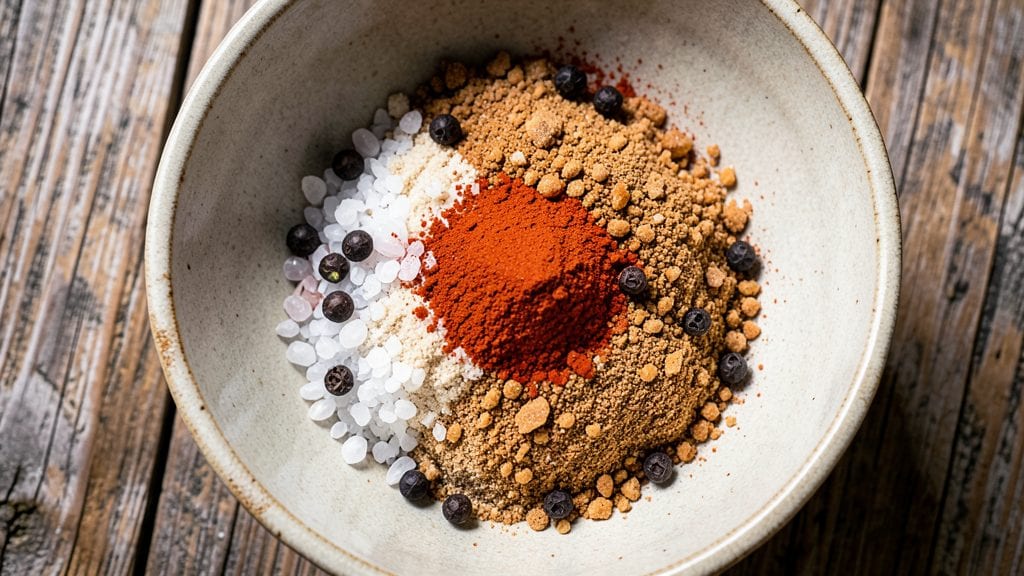
Creating the perfect beef rub seasoning recipe transforms ordinary grilled beef into something extraordinary—deep, complex flavors that cling to every bite. This blend is what separates backyard barbecues from restaurant-quality meals, and I’ve perfected it through years of testing on everything from steaks to ribs.
The key lies in balancing spices that caramelize beautifully during cooking, creating that coveted bark while keeping the meat tender inside.
What makes this seasoning mix stand out is its simplicity: just eight essential spices combined in precise proportions, designed to enhance rather than overpower the natural flavor of the beef. No fillers, no unnecessary ingredients—just bold, authentic flavors that develop as they cook.
The blend stays fresh for months when stored properly, making it a pantry staple for grilling enthusiasts. Whether you're smoking a brisket or searing a ribeye, this rub delivers consistent, professional results every time.
You’ll notice the difference immediately—the moment you sprinkle this rub onto raw beef, the spices begin working their magic, infusing the meat with layers of warmth and depth. The brown sugar in the blend caramelizes during cooking, adding a subtle sweetness that complements the smoky, savory notes.
It’s the kind of seasoning that turns a simple meal into a memorable experience, and once you try it, you’ll wonder how you ever grilled without it.
This recipe is designed for versatility—use it on steaks, chops, or even game meats like venison. The instructions are straightforward, but the impact is undeniable. Let’s get started on creating your own customizable, foolproof beef rub that will elevate every grill session.
Ingredients for beef rub seasoning
Eight spices that turn grilled beef into a restaurant-worthy masterpiece with every bite.
| Ingredient | Amount | Notes |
|---|---|---|
| Kosher Salt 🧂 | 2 tbsp | Diamond Crystal preferred for even distribution |
| Coarse Black Pepper 🌶️ | 1 ½ tbsp | Freshly cracked for maximum aroma |
| Smoked Paprika 🌶️ | 1 ½ tbsp | High-quality smoked for authentic depth |
| Garlic Powder 🧄 | 1 ½ tbsp | Freshly ground preferred |
| Onion Powder 🧅 | 1 ½ tbsp | No added anti-caking agents |
| Brown Sugar 🍯 | 1 tbsp | Light or dark, packed firmly |
| Ground Cumin 🌿 | 1 tbsp | Toasted for enhanced flavor |
| Mustard Powder 🍯 | 1 tsp | Yellow mustard preferred |
The foundation starts with Diamond Crystal kosher salt—it dissolves more evenly than table salt, creating that perfect crust. For smoked paprika, Penzeys or McCormick deliver the richest flavor, but avoid anything that smells stale. Brown sugar isn't just sweetness—it caramelizes during cooking, adding that coveted bark. I always toast my cumin seeds in a dry pan for 30 seconds before grinding (trust me, it makes a difference). Store all spices in airtight containers away from light—most last 6-12 months this way, though I find mine gets used up faster than that.
No mustard powder? Dijon mustard at half the amount works in a pinch, though the texture will differ slightly. Swap regular paprika for smoked, but you'll lose some depth. For a sweeter touch, honey powder can replace brown sugar (use the same amount). The garlic and onion powders are non-negotiable—they build that savory base. If you're feeling adventurous, add 1/4 tsp of cayenne for heat, but start small. This blend works on everything from ribeye steaks to smoked brisket, so adjust quantities based on your protein's size—about 1 tbsp per pound of meat.
Once mixed, this rub keeps indefinitely in a glass jar in your pantry. I double the batch every time because it disappears fast—perfect for weekend grilling sessions. For extra potency, store some in the freezer. The brown sugar will crystallize but stays usable. When using, let the meat sit at room temperature for 20-30 minutes before applying the rub. This ensures even distribution and maximum flavor penetration. Pro tip: Spritz the meat with apple juice before applying the rub—it helps the spices stick better and adds subtle sweetness.
Why You'll Love This Recipe
- Five-Ingredient Magic: I swear by this mix—just salt, pepper, smoked paprika, and those two powders. No fancy prep, no measuring cups cluttering my counter. Honestly, I keep a jar in my pantry now because it’s that simple.
- Smoky Depth Fast: That smoked paprika? It’s the secret weapon. One tablespoon transforms bland beef into something with layers—like a campfire in your mouth. Between us, it’s the reason I stopped buying pre-made rubs.
- Weeknight to BBQ Hero: Slap this on steaks for dinner, then use the leftovers for tacos the next day. I’ve even tossed it on chicken thighs when I’m lazy. Works for grilling, pan-searing, or even roasting—no rules, just flavor.
- Costs Pennies, Lasts Forever: A single batch feeds me for months. I make it in bulk, store it in a mason jar, and never stress about seasoning again. My grocery bill thanks me every time I pull it out. (Yes, even on a Tuesday night.)
Step-by-step instructions for crafting a bold beef rub
This blend transforms ordinary meat into smoky, flavor-packed masterpieces every time.
Measure Ingredients with Precision
Start by gathering all components in a medium mixing bowl. I always use a fine-mesh strainer to sift the 1.5 tablespoons smoked paprika and 1.5 tablespoons onion powder first—this prevents clumping and ensures even distribution later. The 2 tablespoons kosher salt should be added next, as its coarse texture helps break up any potential lumps in the finer powders.
Here's the thing—precision matters with dry rubs. Too much salt can overpower, while too little leaves your meat bland. I like to use a digital scale for accuracy, but if you're measuring by volume, use a proper measuring spoon and level it off with the back of a knife. The 1 tablespoon brown sugar should be packed firmly into the measuring spoon to avoid under-measuring.
Whisk Until Uniform and Fragrant
Using a whisk, combine all ingredients in the bowl. Start with the powders—smoked paprika, garlic powder, onion powder, ground cumin, and mustard powder—and mix vigorously for about 30 seconds. You'll notice the spices immediately release their aromas, filling your kitchen with that irresistible smoky-sweet scent that means you're on the right track.
Now add the 1.5 tablespoons coarse black pepper and continue whisking. The pepper's sharp granules will begin to break down slightly, creating a more cohesive blend. I always pause here to give my nose a quick test—if it smells like a perfect balance of smoky, spicy, and slightly sweet, you're ready for the next step. If it tastes too mild, you might want to add an extra pinch of salt or smoked paprika.
Test the Rub on a Small Batch
Before committing to the full batch, I recommend testing a small portion on a thin slice of beef—like a steak or pork chop. Sprinkle about 1 teaspoon of the rub on both sides and let it sit for 5 minutes. This gives you a chance to taste the flavor profile without over-seasoning your entire batch.
The rub should adhere well to the meat and develop a slightly sticky texture from the brown sugar. When you cook this test piece (even just in a hot pan for 2 minutes), you'll get an immediate sense of the balance. If it's too sweet, reduce the brown sugar slightly in your final blend. If it's too smoky, add a bit more black pepper or garlic powder to round it out.
Store Properly for Maximum Freshness
Once perfectly blended, transfer your beef rub to an airtight container. I prefer glass jars with tight-sealing lids—they allow me to see the rub's color and texture while keeping it fresh. Store it in a cool, dark place like a pantry shelf, where it'll maintain its potency for up to 3 months. For even longer shelf life, freeze portions in small containers or ice cube trays—just thaw what you need before each use.
Here's a pro tip: If you notice the rub losing its aroma after a few weeks, don't toss it. Simply add a pinch of fresh garlic powder or smoked paprika to revive the flavors. This blend works beautifully on everything from grilled steaks to smoked brisket, so a little goes a long way.
Pro Tips For Making Beef Rub Seasoning
- TOAST THE SPICES FIRST: Smoked paprika and garlic powder lose their punch if they’re just tossed in dry. Heat them in a dry skillet over medium-low for 30 seconds—just until you smell that toasty aroma. I learned this the hard way after making a batch that tasted flat; now my rub has real depth.
- GRIND THE PEPPER FRESH: Pre-ground black pepper loses its sharpness fast. Buy whole peppercorns and crush them in a mortar or with a rolling pin right before mixing—it takes 10 seconds and makes the rub taste like it’s from a butcher shop, not a jar. (Yes, even if you’re impatient like me.)
- SALT IN LAYERS: Don’t dump all the kosher salt at once. Sprinkle half over the meat first, let it sit for 5 minutes, then add the rest. This lets the salt penetrate deeper instead of just clinging to the surface like a sad, salty crust. My grandmother swore by this, and she was right.
- STORE IT RIGHT: Keep your rub in an airtight container away from light—sunlight turns smoked paprika bitter. If it’s humid where you live, toss in a silica packet (the kind that comes with new shoes) to absorb moisture. I skip this and my rub gets clumpy; you don’t want that.
Wine and beer pairings for beef rub seasoning
Red Wine Pairings
For this bold beef rub, I reach for a Cabernet Sauvignon from Napa Valley—its rich, dark fruit and subtle oak complement the smoky-sweet notes beautifully. A 2018 Robert Mondavi Reserve (around $35) has the perfect balance of tannins to stand up to the rub's intensity.
If you prefer something lighter, try a Malbec from Argentina—its plum and chocolate undertones harmonize with the brown sugar caramelization. 🍷
Bold Beer Matches
A smoked porter like Founders Kentucky Breakfast Stout (12% ABV) mirrors the rub's smoky depth while adding a roasted malt sweetness. For something lighter, a honey brown ale such as Allagash Honey Brown provides a malty backbone that lets the spices shine.
I also love pairing this rub with a Mexican lager—like Modelo Especial—to cleanse the palate between bites of grilled steak or ribs.
Unexpected Wine Swaps
Don't overlook Syrah/Shiraz—especially a Northern Rhone-style like Guigal Côte-Rôtie. Its peppery notes amplify the black pepper in your rub, creating a dynamic contrast. For a budget-friendly option, try a Zinfandel from California—its jammy fruit and spice echo the rub's complexity without overwhelming it.
I keep a bottle of Bogle Old Vine Zinfandel ($15) in my fridge specifically for grilling nights.
Beer for Different Cuts
For thin cuts like flank steak, I recommend a crisp Belgian witbier—the citrusy notes cut through the rub's richness. Try Hoegaarden with its coriander and orange peel. For thick cuts like brisket, a dark ale like Samuel Smith's Nut Brown Ale adds enough body to match the meat's intensity.
The caramel malt in these beers pairs surprisingly well with the brown sugar in your rub.
Non-Alcoholic Options
Don't drink? No problem. A sparkling hibiscus tea (like Tazo Hibiscus Herbal Tea) with a squeeze of lime mirrors the acidity of red wine. For something richer, try ginger beer—the spicy kick complements the black pepper in your rub.
I also love serving sparkling apple cider (like Martinelli's) with a cinnamon stick for a festive touch that works year-round.
Nutrition facts
Frequently asked questions
Can I use this beef rub on other meats besides beef?
This versatile blend works beautifully on pork chops, lamb chops, and even game meats like venison. The spices complement the natural richness of these proteins while adding that signature smoky-sweet crust. For poultry, reduce the amount slightly—about 1/2 teaspoon per pound—since it absorbs seasoning differently.
How long should I let the rub sit on the meat before cooking?
For best results, apply the rub 20-30 minutes before cooking and let it sit uncovered at room temperature. This allows the spices to penetrate the surface and develop flavor. For thicker cuts like brisket, you can even apply the rub 12 hours ahead and refrigerate, reapplying before cooking for maximum impact.
What's the best way to store leftover rub?
Transfer any unused rub to an airtight glass container and store it in a cool, dark pantry where it'll stay fresh for 3 months. For longer storage, freeze portions in small containers or ice cube trays—just thaw what you need before using. The brown sugar may crystallize but remains perfectly usable.
Can I make this rub spicier?
Yes! Add 1/4 teaspoon cayenne pepper for mild heat or up to 1 teaspoon for serious spice. Start small—you can always add more, but you can't remove it. For a smoky heat combo, try adding 1/2 teaspoon chipotle powder instead. Always taste test before applying to your meat.
Why does my rub clump together?
Clumping usually happens when spices absorb moisture. Store your rub in a completely dry environment and use a fine-mesh strainer when measuring to prevent lumps. If clumping occurs, simply crush the rub with a rolling pin or whisk before using. For extra insurance, add 1/8 teaspoon cornstarch to the mix when making it.