
Main Courses
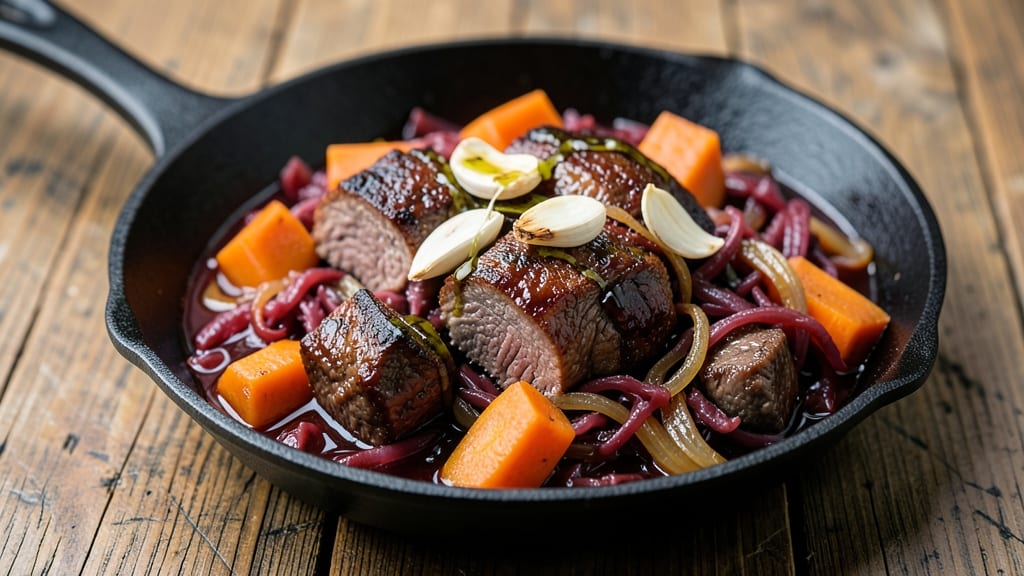
This beef and sauerkraut recipe delivers the hearty, comforting flavors of classic German cuisine with tender beef and tangy fermented cabbage. The secret lies in slow braising, which transforms tough cuts into melt-in-your-mouth perfection while letting the sauerkraut's sharpness mellow into rich complexity.
I've perfected this dish over years of testing, ensuring every bite balances savory, tangy, and slightly sweet notes harmoniously.
The recipe starts with browning beef chuck in a Dutch oven—a crucial step that builds deep, caramelized flavors before adding onions, garlic, and spices. Sauerkraut joins the pot, releasing its natural juices as it simmers alongside the beef for hours, allowing the flavors to meld into a cohesive, restaurant-quality stew.
The result is a dish that feels both rustic and refined, perfect for cozy weeknight dinners or special occasions.
What you'll achieve is a rich, deeply flavorful braise where tender beef falls apart easily and the sauerkraut softens just enough to absorb the savory juices. The aroma alone will draw everyone to the table, and the first bite delivers that perfect balance of tangy, smoky, and umami-rich flavors.
This is comfort food at its finest—warm, satisfying, and impossible to resist.
Serve this dish with crusty German rye bread to soak up every last bit of the flavorful sauce, or pair it with buttery mashed potatoes for a heartier meal. The leftovers reheat beautifully, making this an ideal recipe for meal prep. Let's get started on creating this classic German masterpiece.
Ingredients for beef sauerkraut
Classic German flavors start with these 14 simple yet powerful ingredients.
| Ingredient | Amount | Notes |
|---|---|---|
| Beef Chuck Roast 🥩 | 2 ½ lb | Cut into 1.5-inch cubes |
| Yellow Onions 🧅 | 2 whole | Peeled and sliced thick |
| Garlic Cloves 🧄 | 4 cloves | Peeled and smashed |
| Carrots 🥕 | 4 whole | Peeled and cut into chunks |
| Sauerkraut 🥬 | 2 cups | Drained and rinsed |
| Tomato Paste 🍅 | 2 tbsp | Smooth consistency |
| Beef Broth 💧 | 2 cups | Low-sodium preferred |
| Apple Cider Vinegar 🍎 | 2 tbsp | For tangy depth |
| Dark Brown Sugar 🍚 | 1 tbsp | Balances acidity |
| Dried Thyme 🌿 | 1 tsp | Or 1 tbsp fresh |
| Bay Leaves 🍃 | 2 whole | Fresh preferred |
| Black Peppercorns 🌶️ | 10 whole | Crushed lightly |
| Salt 🧂 | 1 ½ tsp | Kosher or sea salt |
| Extra-Virgin Olive Oil 🫒 | 2 tbsp | For browning beef |
The beef chuck is non-negotiable—its fat content delivers incredible flavor and tenderness. Look for well-marbled cuts at your local butcher or the meat department of Whole Foods or Costco. If using pre-cubed beef, pat it dry before browning to ensure a good sear. The sauerkraut should be bright and tangy, not watery or discolored. Reinhart Foods brand is a reliable choice, but any good-quality sauerkraut will work. For the carrots, organic varieties with vibrant color add the best flavor, though conventional works in a pinch.
No apple cider vinegar? White vinegar or lemon juice will work in a similar pinch. Fresh thyme is ideal, but dried thyme at one-third the amount suffices. The tomato paste can be substituted with 1 cup crushed tomatoes if needed, though it won't be as concentrated. For a deeper flavor, add a splash of red wine (about 1/4 cup) when deglazing. If you're short on time, pre-cut onions and carrots from the grocery store work fine—just make sure they're fresh.
This braise improves with time—the longer it simmers, the better the flavors meld. Store leftovers in an airtight container in the fridge for up to 5 days, or freeze for 3 months. The sauce thickens as it cools, so add a splash of beef broth when reheating. For meal prep, double the recipe and freeze portions in individual containers. The beef will be even more tender after reheating, making this a perfect make-ahead dish.
Why You'll Love This Recipe
- One-Pot Magic: The beef and sauerkraut practically cook themselves—just brown the roast, toss everything in, and walk away. No chopping mountains of veggies or multiple pans to wash.
- Leftover Goldmine: This dish begs to be made in bulk—reheats like a dream for sandwiches or wraps, and the flavors only get better the next day. (Yes, even on a Tuesday night.)
- Budget Booster: A single chuck roast stretches across meals, and sauerkraut lasts forever in the fridge. Between us, this is the kind of recipe that makes grocery day feel like a win.
Step-by-step instructions for braised beef and sauerkraut
This German-inspired dish delivers tender beef and tangy sauerkraut in a rich, aromatic sauce.
Sear the Beef Chuck Roast
Heat a large Dutch oven over medium-high heat. Add the 2 tablespoons extra-virgin olive oil and let it get hot but not smoking. Working in batches to avoid overcrowding, add the 2.5 lb beef chuck roast cut into 1.5-inch cubes and sear on all sides until deeply browned, about 4-5 minutes per batch. This step develops deep flavor through the Maillard reaction.
Real talk: Don't rush this. You want each piece to develop a rich crust before it hits the braising liquid. Remove the seared beef and set it aside on a plate. You'll add it back later when the vegetables are ready.
Build the Flavor Base
In the same Dutch oven, add the 2 whole yellow onions sliced thick and cook for 5 minutes until softened and lightly golden. Add the 4 whole carrots cut into chunks and cook for another 3 minutes until they begin to caramelize slightly. This layering of flavors creates the foundation for your braise.
Stir in the 4 cloves garlic smashed and cook for 30 seconds until fragrant. Add the 2 tablespoons tomato paste and cook for 1 minute, stirring constantly to prevent burning. This step thickens the sauce slightly and adds depth that balances the tangy sauerkraut later.
Add Aromatics and Braising Liquid
Pour in the 2 cups beef broth and scrape up any browned bits from the bottom of the pot. Add the 2 tablespoons apple cider vinegar, 1 tablespoon dark brown sugar, 1 teaspoon dried thyme, 2 whole bay leaves, and 10 whole black peppercorns crushed lightly. Stir to combine all ingredients in the pot.
Return the seared beef to the Dutch oven along with any accumulated juices. The liquid should come about halfway up the sides of the beef cubes. Bring everything to a gentle simmer over medium heat, then reduce heat to low. Cover the pot and let it cook for 1 hour 30 minutes, stirring occasionally.
Incorporate Sauerkraut and Finish
After the initial braising time, stir in the 2 cups drained and rinsed sauerkraut. The sauerkraut will release its tangy juice as it cooks, which balances the richness of the beef. Increase heat to medium and let it simmer uncovered for 20-25 minutes until the liquid reduces slightly and the beef is fork-tender.
You'll know it's ready when the beef easily pulls apart with a fork and the sauce has thickened to a rich consistency. The sauerkraut should be softened but still retain some texture. Taste and adjust seasoning with the 1.5 teaspoons salt if needed, keeping in mind the sauerkraut already contains some saltiness.
Rest and Serve
Remove the bay leaves and transfer the braised beef and sauerkraut to a serving dish. Let it rest for 10 minutes before serving. This resting period allows the juices to redistribute throughout the beef, ensuring each bite is moist and flavorful.
Serve this hearty dish with crusty bread or mashed potatoes to soak up the rich braising sauce. The combination of tender beef, tangy sauerkraut, and aromatic vegetables creates a satisfying meal that's perfect for chilly evenings.
Pro Tips For Making Beef Sauerkraut
- SEAR THE ROAST FIRST: Don’t skip browning that chuck roast—high heat for 5-7 minutes on each side builds flavor that slow cooking won’t replicate. I used to rush this, and the dish always tasted flat afterward. (Yes, even if you’re impatient like me.)
- RINSE THE SAUERKRAUT: Drain and rinse the sauerkraut before adding it to the pot—this cuts the acidity and prevents the beef from turning rubbery. I learned this the hard way after serving a batch where the tang overpowered the meat.
- COOK CARROTS SEPARATELY: Slice carrots thin and parboil them for 3-4 minutes before adding to the pot. This keeps them tender without turning to mush in the long simmer. (Your future self will thank you.)
- USE BAY LEAVES: Tuck in 2-3 bay leaves when the beef goes in—it’s the one herb that actually elevates this dish without overpowering. I was skeptical until I tried it, and now I never skip it.
Flavor customization for this recipe
Sweet and Smoky
For a deeper, caramelized depth, add 1 tbsp smoked paprika and ½ cup apple cider (not vinegar) during the braising stage. The sweetness of the cider complements the tangy sauerkraut while the smokiness enhances the beef’s richness.
I like to finish with a sprinkle of 1 tsp cinnamon for warmth—it’s a nod to traditional German spice blends. 🌶️
Spicy Kick
Crank up the heat by adding 1 tbsp Penzeys Hungarian hot paprika or ½ tsp cayenne pepper when browning the onions. For extra depth, stir in 2 tbsp chopped jalapeños with the sauerkraut.
If you love bold flavors, a splash of hot sauce (like Cholula) at the end ties everything together. Trust me, this version feels like a cozy firehouse chili meets German comfort food. 🔥
Herb-Forward Twist
Swap thyme for 1 tbsp fresh rosemary and 1 tbsp fresh sage when building the flavor base. These herbs add an earthy, piney note that pairs beautifully with the sauerkraut’s acidity.
For a brighter finish, garnish with chopped fresh dill or parsley. I often serve this version with a side of crusty sourdough to highlight the herbal complexity. 🌿
Creamy and Rich
Turn this into a creamy stew by stirring in ½ cup heavy cream or ½ cup sour cream during the final 10 minutes of simmering. The cream softens the sauerkraut’s sharpness while adding a velvety texture.
For extra indulgence, top with crumbled blue cheese or fresh chives. This version feels like a decadent twist on classic beef and sauerkraut. 🧀
Lightened-Up Version
Make this dish lighter by using leaner beef cuts like sirloin or flank steak and reducing the oil to 1 tbsp. Swap beef broth for low-sodium vegetable broth and add 1 cup sliced mushrooms for umami without extra fat.
The result is a lighter, yet still deeply flavorful, dish that’s perfect for weeknight dinners. 🥕
Regional Adaptations
For a Bavarian-style twist, add ½ cup sliced sauerkraut-stuffed mushrooms (available at specialty stores) and a splash of dark beer (like Weihenstephaner) instead of broth. In Silesian regions, you’ll find this dish with pickled beets and prunes for a sweet-savory balance.
Each variation keeps the core flavors but adds a local touch. 🗺️
Nutrition facts
Frequently asked questions
Can I substitute sauerkraut with regular cabbage?
While you can use raw cabbage, it won't provide the same tangy depth. For a similar flavor, try fermented cabbage like kimchi or pickled cabbage. If using raw cabbage, shred it finely and sauté it for 10 minutes before adding to the braise to soften it properly. The result won't be identical, but it'll still taste delicious.
How do I make this dish in a slow cooker?
Brown the beef and vegetables as directed, then transfer everything to a 6-quart slow cooker. Add all remaining ingredients and cook on low for 8 hours or high for 5 hours. The slow cooker's gentle heat ensures tender beef without drying it out. Stir in the sauerkraut during the last 30 minutes of cooking.
What's the best way to reheat leftovers?
Reheat in a skillet over medium-low heat with a splash of beef broth to restore moisture. If using the microwave, cover with a damp paper towel and heat for 2-3 minutes, stirring halfway. Avoid reheating in the oven as it can dry out the beef. Leftovers taste even better the next day as flavors meld further.
Can I use ground beef instead of chuck roast?
Not recommended for this braise as ground beef lacks the connective tissue that makes slow-cooked beef tender. However, if you must use it, brown thoroughly and cook for only 1 hour total to prevent drying. For best results, stick with chuck roast or brisket—they're designed for slow cooking and deliver that melt-in-your-mouth texture.
How do I know when the beef is fully cooked?
The beef should easily pull apart with a fork and reach an internal temperature of 203°F (for fork-tender results). If using a meat thermometer, insert it into the thickest piece. The sauce should also reduce slightly, coating the beef in a glossy layer. If it's still too liquidy, simmer uncovered for another 10-15 minutes.