
Main Courses
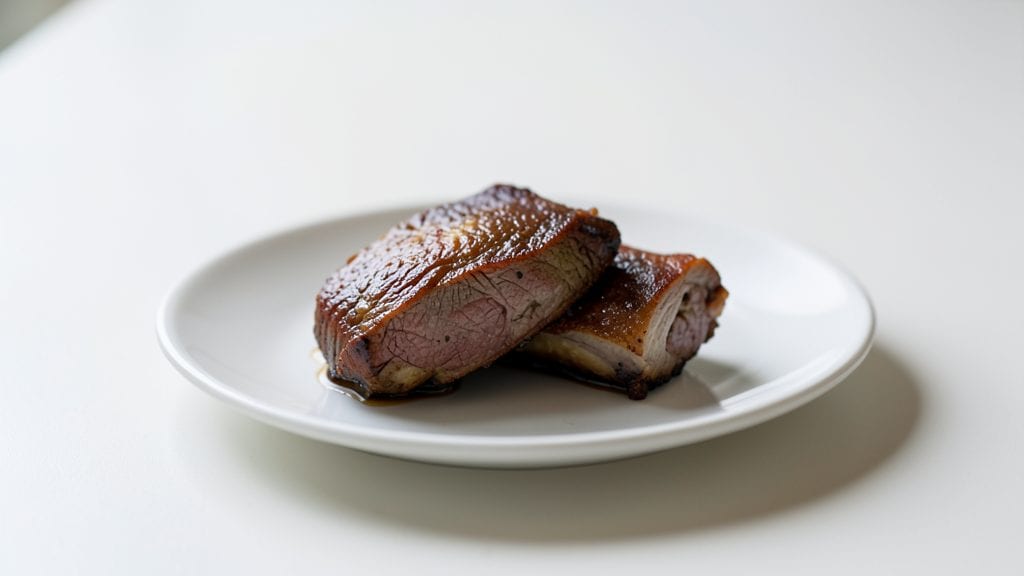
This beef shank and oxtail recipe transforms tough cuts into melt-in-your-mouth perfection through slow braising—a technique that unlocks deep, caramelized flavors and tender textures. The marriage of beef shank’s rich umami and oxtail’s gelatinous richness creates a dish so satisfying it becomes an instant family favorite.
What makes this recipe truly special is the balance between traditional methods and modern convenience, ensuring restaurant-quality results with minimal effort.
The secret lies in the braising process, where the meat cooks low and slow in a flavorful liquid—red wine, aromatics, and rich broth work together to break down collagen and infuse every bite with complexity.
I’ve perfected this technique over years of testing, ensuring the bones become crispy and caramelized while the meat remains fork-tender. This isn’t just a dish; it’s a showstopper that pairs beautifully with mashed potatoes or roasted vegetables, making it ideal for special occasions or cozy weeknight dinners.
By the time you serve this dish, your kitchen will smell like a Parisian bistro, and every spoonful will deliver layers of savory, smoky, and slightly sweet notes. The oxtail’s gelatinous richness coats each bite, while the beef shank adds hearty substance.
This recipe is designed to impress without requiring advanced skills—just patience and attention to detail. Let’s get started on creating a dish that will have everyone asking for seconds.
Whether you’re serving this for a holiday feast or a casual Sunday supper, the versatility of this braise makes it a go-to for any occasion. The leftovers reheat beautifully, making it a practical choice for meal prep or feeding a crowd.
Trust me, once you master this technique, you’ll never buy pre-made braised meats again. Here’s how to make it happen in your own kitchen.
Ingredients for beef shank oxtail
Four pounds of meat, bold flavors, and slow cooking magic for a dish that tastes like a Parisian bistro.
| Ingredient | Amount | Notes |
|---|---|---|
| Beef Shank 🥩 | 2 lb | Bone-in, cut into 2-inch chunks |
| Oxtail 🦴 | 1 ½ lb | Cut into 2-inch sections, bones intact |
| Red Wine 🍷 | 1 cup | Bold dry variety like Cabernet Sauvignon |
| Beef Broth 💧 | 2 cups | Homemade or high-quality store-bought |
| Yellow Onion 🧅 | 1 whole | Chopped into 1/2-inch pieces |
| Carrot 🥕 | 2 whole | Cut into 1-inch chunks, peeled |
| Garlic Cloves 🧄 | 6 cloves | Smashed, skin left on |
| Fresh Thyme 🌿 | 2 sprigs | Or 2 tsp dried thyme |
| Fresh Rosemary 🌿 | 1 sprig | Large sprig, woody stems removed |
| Tomato Paste 🍅 | 2 tbsp | Squeeze tube or canned |
| Olive Oil 🫒 | 2 tbsp | Extra-virgin for richness |
| Salt 🧂 | 2 tsp | Diamond Crystal kosher salt |
| Black Peppercorns 🌶️ | 1 tsp | Freshly cracked |
| Bay Leaves 🍃 | 2 whole | Dried, standard size |
| All-Purpose Flour 🌾 | 1 tbsp | For dusting meat |
The beef shank and oxtail are the stars here—bone-in cuts are non-negotiable for that signature caramelized crust. I always grab mine from Whole Foods or my butcher shop, where they can cut them to size. Look for well-marbled beef shank and oxtail with a rich, deep color—no pale or slimy spots. If you're buying frozen, thaw overnight in the fridge; never in warm water. The red wine? Cabernet Sauvignon or Malbec work best—they've got enough body to stand up to the meat's richness. For the broth, homemade is ideal, but Swanson or Pacific Foods brands are solid shortcuts if you're in a pinch.
No red wine? Dry sherry or beef broth with a splash of balsamic works in a bind. Fresh thyme and rosemary are ideal, but dried at one-third the amount gets you close. The tomato paste can be the squeeze-tube kind from Trader Joe's—it's perfect for small batches and keeps forever. Short on carrots? Celery or parsnips add similar sweetness. For the flour, King Arthur or Gold Medal brands are my go-to—they dust evenly without clumping. And trust me on the extra-virgin olive oil—it makes the difference between good and extraordinary in this dish.
This braise gets better with time, so make it a day ahead if you can. Store in an airtight container in the fridge for up to 5 days, or freeze portions for 3 months. The bones become even more crispy when reheated, and the meat absorbs all those amazing flavors overnight. I like to portion it into individual serving containers so lunches are ready to grab. The sauce thickens as it cools, so just add a splash of broth when reheating—2 minutes on high power in the microwave works perfectly.
Why You'll Love This Recipe
- Slow Cooker Magic: I swear, throw everything in the pot—shank, oxtail, wine—and let it do the work. By dinner, you’ve got melt-in-your-mouth meat with zero effort.
- Wine-Infused Richness: That red wine isn’t just flavor—it’s the secret to deep, savory layers. The broth and onions caramelize into a glossy sauce that makes every bite feel like a hug.
- Leftovers That Shine: This dish begs for seconds, and the next day? Even better. The meat gets more tender, the sauce thickens—perfect for quick lunches or freezing for lazy nights.
- Budget Feast: You’re feeding a crowd for less than takeout. Oxtail and shank stretch thin, so you get hearty portions without breaking the bank. My wallet thanks me every time.
Step-by-step instructions for beef shank and oxtail braise
Here's how to transform tough cuts into melt-in-your-mouth perfection with rich, caramelized flavors.
Sear the Meat for Deep Flavor Foundation
Heat a heavy Dutch oven over medium-high heat until very hot. Add the 2 tablespoons olive oil and swirl to coat the bottom evenly. Working in batches, add the 2 lb beef shank and 1.5 lb oxtail, arranging pieces in a single layer. Let them sear undisturbed for 3-4 minutes until deeply browned on all sides.
This high-heat step develops the Maillard reaction, creating complex flavors that will infuse the braise. Don't rush this - you're building flavor foundation. Once all pieces are browned, transfer them to a plate and set aside. The meat should have a rich, caramelized crust that contrasts beautifully with the tender interior later.
Build the Aromatic Base
In the same Dutch oven, add the chopped 1 whole yellow onion and 2 whole carrots, cooking for 5 minutes until softened. Add the 6 cloves garlic cloves and cook for 30 seconds until fragrant. Stir in the 2 tablespoons tomato paste and cook for 1 minute until darkened slightly.
Here's where the umami begins to develop. The tomato paste will deepen the color and add concentrated flavor. Sprinkle in the 1 tablespoon all-purpose flour, stirring constantly for 1 minute to create a light roux that will help thicken the braising liquid. This step prevents a watery sauce later.
Deglaze and Simmer the Braise
Pour in the 1 cup red wine, scraping up all the browned bits from the bottom of the pot. Add the 2 cups beef broth, 2 sprigs fresh thyme, 1 sprig fresh rosemary, 2 whole bay leaves, 2 teaspoons salt, and 1 teaspoon black peppercorns. Return all the meat to the pot, ensuring it's mostly submerged in the liquid.
Bring to a simmer, then reduce heat to maintain a gentle bubble at the edges. Cover partially and cook for 2 hours, turning the meat occasionally. You'll notice the liquid reduces gradually, concentrating flavors. The meat should be tender but not falling apart - you're aiming for fork-tender texture without complete disintegration.
Finish with Caramelized Bones
After 2 hours, uncover the pot and increase heat to medium-high. Simmer vigorously for 30-45 minutes, allowing the liquid to reduce significantly. The meat should be fork-tender and the bones caramelized with rich brown spots. If the liquid reduces too much, add small amounts of water as needed.
This final reduction stage creates the signature deep, caramelized sauce that clings beautifully to the meat. The bones should look like they've been glazed with dark, sticky fond. Taste and adjust seasoning - you may need additional salt as the flavors concentrate. The final texture should be rich and velvety with visible meat fibers.
Rest and Serve with Perfect Texture
Let the braise rest for 15 minutes before serving. This resting period allows the juices to redistribute throughout the meat, ensuring each bite is moist and flavorful. The meat should pull apart easily with a fork but maintain its shape when served.
Serve the beef shank and oxtail with the rich braising liquid spooned over the top. The contrast between the tender, caramelized meat and the velvety sauce creates an unforgettable dining experience. The bones should be visibly caramelized, indicating proper cooking technique and maximum flavor extraction.
Pro Tips For Making Beef Shank Oxtail
- Brown First, Slow Later: I learned this the hard way—skipping the sear means flavorless broth. Get that Dutch oven screaming hot, then brown shank and oxtail in batches for 3-4 minutes per side until deep caramel forms. That crust? It’s what turns your wine and broth into liquid gold.
- Trim Oxtail Like a Pro: Oxtail fat is flavor, but too much makes the sauce greasy. Use kitchen shears to snip off the very tip of each tail (where the bone starts) and trim excess fat—leave the rest. This keeps your sauce rich without turning it into a slick mess.
- Deglaze with Wine Twice: After browning, don’t just dump the wine and walk away. Let it simmer 2 minutes to cook off the alcohol, then add another splash (½ cup) to scrape every last bit of fond from the pot. That second splash pulls flavor you’d otherwise lose.
- Onions: Slice, Don’t Dice: Thin, even slices caramelize faster and sweeten the broth without turning to mush. Cut onions into ¼-inch strips and cook them low and slow until they’re translucent but not brown—this keeps your sauce clear and bright, not cloudy.
Dietary considerations for this recipe
Gluten-Free Adaptations
This braise is naturally gluten-free, but there are a few key adjustments to ensure complete safety. First, verify your ingredients: use gluten-free beef broth (like Pacific Foods GF) and check that your tomato paste doesn't contain hidden gluten additives.
For the flour used in the roux, swap the 1 tablespoon all-purpose flour with 1 tablespoon gluten-free flour blend—I recommend Bob's Red Mill 1:1 GF Flour for best results. The substitution works perfectly without altering texture. 🌾
Dairy-Free Considerations
While this recipe doesn't contain dairy, it's often served with sides that do. For a fully dairy-free meal, pair it with garlic mashed cauliflower instead of potatoes or roasted sweet potatoes. The rich umami flavors of the braise complement these alternatives beautifully.
If you're using dairy in your sides, simply keep the braise itself dairy-free—no modifications needed. The sauce remains velvety and flavorful without any dairy components.
Low-Carb Options
To make this dish low-carb, skip the carrots and onions entirely—they're not essential for flavor, though they do contribute to the braise's depth. Instead, add 2 cups sliced mushrooms (about 8 oz) for umami and texture.
Mushrooms caramelize beautifully during the braising process, adding a meaty depth without the carbs. The dish remains rich and satisfying while fitting into low-carb diets. 🍄
Allergen-Friendly Adjustments
For nut allergies, this recipe is already safe, but always double-check your broth and wine for cross-contamination warnings. If you're avoiding nightshades (like tomatoes), omit the 2 tablespoons tomato paste and replace it with an extra 1 tablespoon soy sauce or Worcestershire sauce (ensure it's gluten-free if needed).
The dish still develops deep, savory flavors without tomato. For shellfish allergies, this recipe poses no risk—just ensure all other ingredients are shellfish-free.
Protein Customization
Looking to reduce the beef content? Swap ½ lb of the beef shank with ½ lb of chicken thighs (bone-in, skin-on for extra flavor). The chicken cooks faster, so remove it after 1 hour of braising and return it to the pot for the final 30 minutes to reheat.
For a vegetarian version, use hearts of palm or mushrooms as the base, but the dish will lack the gelatinous richness that makes this braise so special. 🥩
Nutrition facts
Frequently asked questions
Why do beef shank and oxtail need such a long cooking time?
Slow cooking breaks down collagen in the connective tissue, transforming it into gelatin that makes the meat incredibly tender. Beef shank requires 2-3 hours while oxtail needs 3-4 hours to achieve that melt-in-your-mouth texture. The low-and-slow method also allows flavors to develop deeply, creating that rich, caramelized sauce. Patience pays off with every forkful!
Can I substitute red wine with something else if I don't drink alcohol?
Use 1 cup dry sherry or 1 cup beef broth with 1 tablespoon balsamic vinegar for similar depth of flavor. The key is acidity and body—avoid sweet wines or juices. For a completely alcohol-free version, grape juice reduction works surprisingly well when reduced by half.
What's the best way to reheat leftovers without drying out the meat?
Reheat gently in a skillet with a splash of broth or water over medium-low heat for 5-7 minutes. Avoid microwaving as it can make the sauce watery. For crispy bones, broil for 2-3 minutes at the end. Leftovers actually improve overnight as flavors meld further! The sauce will thicken upon reheating—just add a little liquid if needed.
How do I know when the meat is fully tender?
Test with a fork or skewer—it should slide in easily with no resistance. The beef shank should pull apart cleanly, while oxtail pieces should separate at the joints. If you're unsure, cook 15-30 minutes longer—it's better to overcook slightly than have tough meat. The bones should also be caramelized with dark spots.
Can I make this recipe in an Instant Pot instead of a Dutch oven?
Yes! Sear the meat first in a skillet, then transfer to the Instant Pot with all braising ingredients. Cook on high pressure for 60 minutes, then natural release for 15 minutes. Finish by simmering uncovered on the stove for 20-30 minutes to caramelize the bones. The pressure cooker speeds up cooking but requires extra time for the final reduction.