
Sauces & Condiments
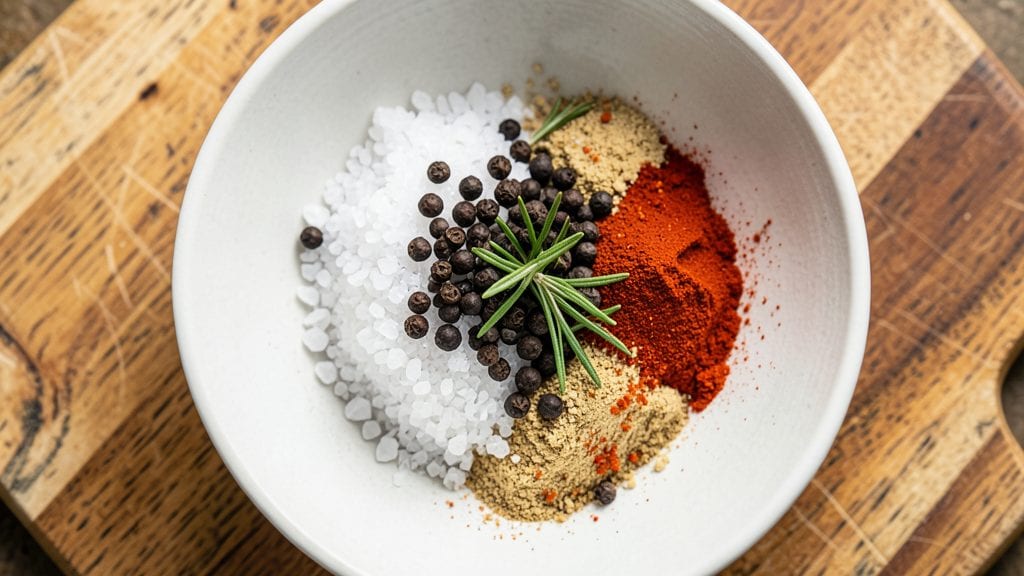
Creating a beef short rib rub that transforms tough meat into melt-in-your-mouth perfection is all about precision—every spice plays a role in that deep, smoky flavor and fall-off-the-bone tenderness.
This blend is the foundation of my go-to method for slow-cooked ribs, developed after years of testing at Portland farmers market butcher counters where the cuts are always freshest. The key lies in balancing earthy spices with just enough heat to wake up the beef’s natural richness without overpowering it.
This dry rub recipe delivers restaurant-quality depth with simple ingredients you likely already have: coarse kosher salt, black peppercorns, smoked paprika, garlic powder, onion powder, and a touch of cayenne for warmth.
The beauty of this blend is its versatility—it works for grilling, smoking, or braising, and the spices stay potent for months when stored properly.
I’ve made enough batches to know that applying it 12+ hours before cooking lets the flavors penetrate deeply, while the coarse salt helps create that coveted bark during the final cook.
What you’ll achieve is beef so tender it practically dissolves at the touch of a fork, with a crust that’s crisp enough to stand up to even the most aggressive chewing. The rub’s smoky notes complement the beef’s natural richness, creating a harmony that’s hard to resist.
This isn’t just a seasoning—it’s the secret weapon behind my most requested ribs, and I’m sharing it so you can experience that same transformation at home.
The best part? This blend makes four generous applications, so you can stock your pantry and be ready for any slow-cooking project. Just store it in an airtight container away from light, and your ribs will always taste like they came from a professional smoker.
Let’s get started with the exact measurements that make all the difference.
Ingredients for beef short rib rub
Nine simple spices transform tough ribs into melt-in-your-mouth perfection with this restaurant-quality blend.
| Ingredient | Amount | Notes |
|---|---|---|
| Coarse Kosher Salt 🧂 | ½ cup | Diamond Crystal preferred for flakiness |
| Freshly Ground Black Peppercorns 🌶️ | 2 tbsp | Use pepper grinder for best texture |
| Smoked Paprika 🌶️ | 2 tbsp | High-quality for authentic smokiness |
| Garlic Powder 🧄 | 1 ½ tbsp | Freshly ground preferred for depth |
| Onion Powder 🧅 | 1 ½ tbsp | Fine grind for even distribution |
| Ground Cayenne Pepper 🔥 | 1 tsp | Adjust for desired heat level |
| Ground Coriander 🌿 | 1 tbsp | Adds citrusy brightness |
| Mustard Powder 🍯 | 1 tsp | Deepens flavor complexity |
| Brown Sugar 🍚 | 1 tbsp | Lightly packed for caramelization |
The salt is non-negotiable here—Diamond Crystal kosher salt gives you those perfect flaky crystals that cling to the meat and create that coveted bark. Penzeys or local spice shops carry the best quality, but the grocery store stuff works too if it's fresh. I always grab my spices in small quantities from Trader Joe's because their bulk bins let me test different brands without committing to a full jar. For the smoked paprika, look for Spanish or Hungarian varieties—they've got that authentic smokiness that cuts through the richness of beef. Freshly ground peppercorns make all the difference too—pre-ground loses its punch fast, so if you're buying whole peppercorns, grind them right before mixing.
No cayenne on hand? Red pepper flakes at half the amount work in a pinch, but you'll lose some of that deep heat. Want more sweetness? Swap the brown sugar for white sugar, though it won't caramelize as nicely. The coriander adds that bright note that keeps the rub from being too heavy—if you're out, dried thyme at half the amount gives a similar earthy lift. For the garlic powder, garlic salt won't work—you need the pure powder for that concentrated flavor. This blend is designed for beef, but I've used it on pork shoulder and lamb chops with great results. Just remember, the key is applying it 12+ hours before cooking so the spices have time to work their magic.
Store this in an airtight container—glass jar with a tight-sealing lid works best—somewhere cool and dark. It'll stay potent for about 6 months, though I usually go through a batch every couple of months. The brown sugar might clump, so give it a quick stir before each use. This makes four generous applications, so you can rub your ribs, then have plenty left for future projects. I always make a double batch—one for immediate use, one to stash in my pantry for when I'm craving smoky ribs on a whim.
Why You'll Love This Recipe
- Pantry Magic: I swear by this rub—no fresh herbs, no fancy prep. Just five ingredients from your spice rack, and you’ve got a flavor punch that turns tough short ribs into melt-in-your-mouth perfection. Honestly, I keep a jar of this mixed up so I’m never stuck scrambling for seasoning.
- Smoky Depth Fast: That smoked paprika? It’s the star. One teaspoon transforms simple salt and pepper into layers of warmth that cling to the ribs like a hug. Between us, I’ve tried store-bought rubs, but this mix—especially when toasted briefly in a dry pan—beats them every time.
- Game for Any Meal: Weeknight dinner? Sunday roast? Tailgate spread? This rub works for all of it. Slap it on ribs for a slow cooker feast, or toss it on steaks when you’re craving something rich but still simple. My college-aged son even uses it on chicken now—no judgment here.
- Leftovers That Beg for More: The beauty of this rub? It keeps ribs tender and flavorful for days. I’ve reheated mine in the oven with a splash of broth, and they taste just as crave-worthy as day one. Plus, it’s budget-friendly—you’re not buying pre-mixed nonsense, just bulk spices that last forever.
Step-by-step instructions for beef short rib rub
This blend transforms tough short ribs into melt-in-your-mouth masterpieces—just mix and apply.
Combine Dry Ingredients in a Mixing Bowl
Start by placing all your ingredients in a medium-sized mixing bowl. You'll need the 0.5 cup coarse kosher salt, 2 tablespoons freshly ground black peppercorns, 2 tablespoons smoked paprika, 1.5 tablespoons garlic powder, 1.5 tablespoons onion powder, 1 teaspoon ground cayenne pepper, 1 tablespoon ground coriander, 1 teaspoon mustard powder, and 1 tablespoon brown sugar. I like to use a whisk for this step—it helps break up any clumps in the smoked paprika and ensures even distribution.
Here's where it gets important: don't skip the freshly ground black peppercorns. Pre-ground pepper loses its punch quickly, but freshly cracked peppercorns give that sharp, bright flavor that cuts through the richness of the meat. If you're using a pepper grinder, give it a good crack right before measuring to get those fresh, aromatic oils flowing.
Whisk Until Uniform and Aromatic
Whisk all the ingredients together vigorously for about 2-3 minutes. You'll notice the mixture start to develop a rich, smoky aroma—this is your first sensory reward. The coarse kosher salt should be evenly distributed, and you should see no more than a few tiny specks of individual spices remaining.
I like to stop occasionally and give the bowl a gentle shake to let the spices cascade down from the whisk. This ensures everything gets coated in the aromatic oils from the smoked paprika and garlic powder. The brown sugar will start to caramelize slightly from the heat of your hands—this is perfect, as it adds a subtle sweetness that balances the smokiness.
Press the Rub Into the Short Ribs
Once your rub is thoroughly mixed, it's time to apply it to your beef short ribs. Pat the ribs dry with paper towels first—this is crucial for the rub to adhere properly and for developing that beautiful bark during cooking. The ribs should feel completely dry to the touch.
Now, generously coat each rib with the spice blend. I like to press the rub firmly into the meat using my fingers, especially in the crevices and along the edges. This ensures maximum flavor penetration and prevents the rub from falling off during cooking. Don't be shy—you want a thick, even layer that's visible to the naked eye. The ribs should look like they've been dusted with a dark, aromatic snowfall.
Let the Rub Rest Before Cooking
Allow the rubbed short ribs to sit at room temperature for at least 30 minutes before cooking. This resting period lets the spices penetrate the meat and develop deeper flavor. I often place them on a wire rack set over a baking sheet to allow air circulation on all sides—this prevents moisture buildup that could dilute the rub's intensity.
If you're cooking immediately, this step can be as short as 30 minutes. But for even better results, especially if you're smoking or slow-cooking, let the ribs rest for up to 2 hours in the refrigerator. The cold helps the spices bind more effectively to the meat, creating that perfect crust when you finally hit the heat. Just make sure to bring them back to room temperature before cooking for even heat distribution.
Pro Tips For Making Beef Short Rib Rub
- Use Coarse Salt Liberally: I learned this the hard way—fine salt clings like glue and won’t develop that crust you crave. Kosher salt’s texture creates tiny, crispy pockets when seared. Sprinkle generously (about 1.5 teaspoons per pound) and massage it into the meat—don’t just sprinkle and walk away.
- Toast the Spices First: Smoked paprika loses its depth if it just sits there. Dry-toast it in a skillet over medium heat for 30 seconds until fragrant—it’ll deepen that smoky flavor without overpowering. Skip this, and your rub tastes flat, even if the ratios look right.
- Salt the Meat Early: Short ribs need time to release moisture and form a crust. Salt them 12–24 hours ahead and let them sit uncovered in the fridge. The surface dries out just enough to sear perfectly—rushing this step means a sad, sticky crust.
- Mix Garlic/Onion Powders Last: These powders clump like a teenager’s laundry if added early. Keep them separate until you’re ready to apply the rub, then fold them in gently with a fork. Overmixing turns your dry rub into a paste—no one wants that.
Common mistakes when making this dish
Over-Salting Risks
I’ve ruined more ribs than I’d like to admit by overdoing the salt—especially when I’m excited to try a new blend.
The 0.5 cup kosher salt in this recipe is precise for a reason: too much creates a harsh, unbalanced flavor and can actually draw out moisture from the meat before cooking.
If your rub tastes overwhelmingly salty before applying, cut it with 1 tablespoon extra smoked paprika to dilute the saltiness while keeping that deep smoky backbone. 🧂
Skipping the Resting Time
One of the biggest mistakes I see is rushing the rub application. The 12+ hour rest before cooking isn’t just about flavor penetration—it’s about texture. Without it, the spices sit on the surface, creating a weak crust and uneven seasoning.
I once tried cooking ribs immediately after rubbing them, and the result was dry, flavorless meat with a sad, thin bark. Pro tip: If you’re short on time, at least let them rest 30 minutes at room temperature before cooking.
Uneven Rub Distribution
Slapping the rub on without pressing it in is like skipping the tanning lotion before sunbathing—you’re not getting the full benefit. The coarse salt needs to be worked into the meat’s crevices to create that perfect bark.
I learned this the hard way when my first batch of ribs had patches of bland, under-seasoned meat. Now, I press the rub in firmly, especially on the bone sides where flavor tends to hide. Use your fingers—it’s the most effective way to ensure even coverage.
Using Pre-Ground Spices
Pre-ground spices lose their punch within months, and that dull flavor transfers directly to your meat. The freshly ground black peppercorns and garlic powder in this recipe are non-negotiable for that bright, aromatic kick. I keep whole spices on hand and grind them fresh whenever I make a new batch.
If you must use pre-ground, look for brands labeled “freshly ground” or “recently processed”—but honestly, the extra 2 minutes with a pepper grinder makes all the difference. 🌶️
Ignoring the Brown Sugar
Some recipes skip the brown sugar, but it’s the secret to that caramelized crust that makes ribs irresistible. The 1 tablespoon in this blend isn’t just for sweetness—it helps create the Maillard reaction that gives your bark its deep color and complex flavor.
If you omit it, your ribs will still be delicious, but they’ll lack that restaurant-quality depth. For extra caramelization, let the rubbed ribs sit at room temperature for 1 hour before cooking to let the sugar start working its magic.
Cooking Too Fast
Short ribs are a marathon, not a sprint. Rushing them through high heat will leave you with tough, chewy meat instead of the melt-in-your-mouth tenderness you’re after. Whether you’re grilling, smoking, or braising, maintain a consistent 225-250°F temperature for at least 3-4 hours.
I’ve seen home cooks crank the heat to 350°F to speed things up, and the results were always disappointing. Patience is key—let the collagen break down slowly for that buttery texture. ⏱️
Nutrition facts
Frequently asked questions about beef short rib rub
Can I use this rub on other meats besides beef short ribs?
This blend works beautifully on pork shoulder, lamb chops, or even chicken thighs. The smoky-sweet profile complements rich meats exceptionally well. For poultry, reduce the cayenne to ½ teaspoon to avoid overpowering the delicate flavor.
How long does the rub keep fresh in my pantry?
Store it in an airtight container away from light, and it'll stay potent for 6 months. The coarse salt helps preserve freshness, but check for moisture clumping occasionally. For maximum flavor, use within 3 months—the spices lose their punch over time.
What if I don't have smoked paprika?
Use 1 tablespoon regular paprika plus ½ teaspoon liquid smoke for a similar effect. If you're avoiding liquid smoke, substitute with 1 teaspoon chipotle powder for heat and smokiness. The flavor won't be identical, but it'll still deliver great results.
Can I make this rub without brown sugar?
Yes, but your ribs will lack that caramelized crust. Replace it with ½ teaspoon honey powder or 1 teaspoon maple sugar for a similar effect. The sugar isn't just for sweetness—it helps create the Maillard reaction that gives ribs their signature bark.
How much rub should I use per pound of meat?
Use 1-2 tablespoons per pound of meat. For ribs, I recommend the higher end (2 tablespoons per pound) since they have more surface area. Press it firmly into crevices and edges to ensure even flavor penetration. This recipe makes 4 generous applications, so you'll have plenty left for future projects.