
Main Courses
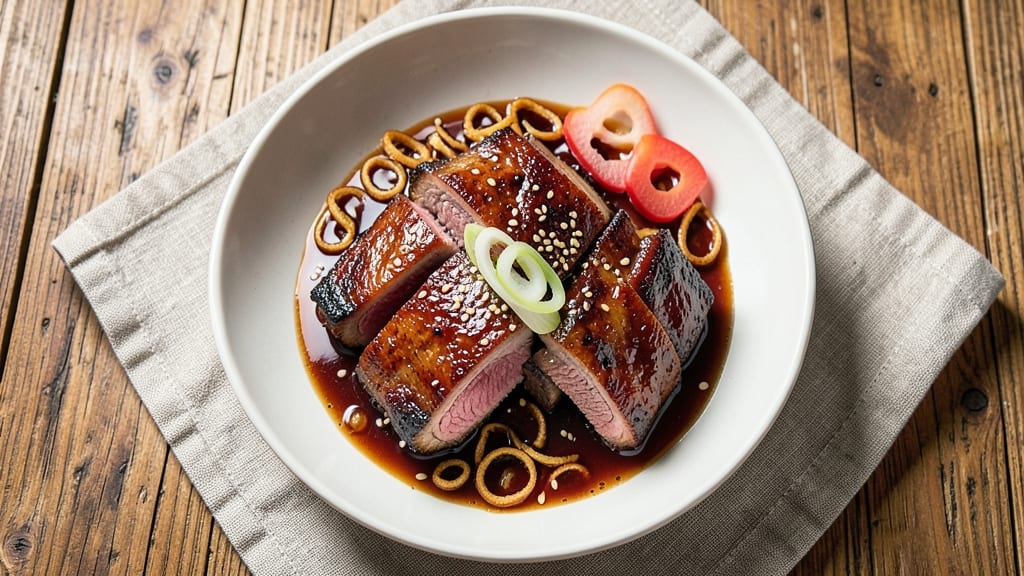
This beef short ribs teriyaki recipe transforms tough cuts into melt-in-your-mouth perfection with a glossy, caramelized glaze that balances sweet and savory flavors. The key lies in slow cooking the ribs until they practically fall apart, then finishing them with a rich teriyaki sauce that creates those coveted caramelized edges.
After years of testing, this method guarantees restaurant-quality results at home—no fancy equipment required.
The process begins with a simple marinade that tenderizes the meat overnight, followed by a low-and-slow braise that develops deep umami flavors. What makes this recipe special is the teriyaki sauce, which reduces into a thick, sticky glaze that clings beautifully to the ribs while adding layers of complexity.
The result is beef that's tender enough to cut with a fork yet holds its shape when plated.
By the time you serve these ribs, you'll have a dish that's rich, flavorful, and visually stunning—glossy caramelized edges contrasting with tender, juicy meat. The teriyaki sauce adds a perfect balance of sweetness and umami depth, making every bite satisfying.
This is the kind of meal that turns a regular weeknight into something special.
Pair with steamed rice and stir-fried vegetables for a complete meal that's sure to impress. The technique is straightforward, but the results are anything but ordinary. Let's get started on creating this showstopping dish that combines comfort food with restaurant-quality finesse.
Ingredients for beef short ribs teriyaki
Transform tough beef short ribs into tender, caramelized perfection with these 15 restaurant-quality ingredients.
| Ingredient | Amount | Notes |
|---|---|---|
| Beef Short Ribs (Bone-In) 🥩 | 4 lb | Bone-in, cut into 2-inch pieces |
| Soy Sauce 🍶 | ½ cup | High-quality Japanese soy sauce preferred |
| Brown Sugar 🍚 | ½ cup | Light or dark, packed |
| Mirin 🍶 | ¼ cup | Authentic Japanese sweet rice wine |
| Rice Vinegar 🍶 | ¼ cup | Unseasoned, mild flavor |
| Garlic Cloves 🧄 | 6 cloves | Freshly minced, aromatic |
| Fresh Ginger 🌿 | ½ cup | Finely grated, peeled |
| Sesame Oil 🫒 | 1 tbsp | Toasted, for aroma |
| Honey 🍯 | 2 tbsp | Raw or clover variety |
| Balsamic Vinegar 🍶 | 1 tbsp | Aged, for depth |
| Diamond Crystal Kosher Salt 🧂 | 1 ½ tsp | For seasoning, adjust to taste |
| Freshly Ground Black Pepper 🌶️ | 1 tsp | Coarsely ground |
| Vegetable Oil 🫒 | 2 tbsp | High smoke point for searing |
| Yellow Onion 🧅 | 1 whole | Diced, for base |
| Beef Broth 💧 | 1 ½ cups | Homemade or high-quality store-bought |
The beef short ribs are the foundation—look for bone-in cuts with good marbling for maximum flavor. Costco or Whole Foods typically carry high-quality, well-trimmed short ribs. If using frozen, thaw overnight in the fridge. For the teriyaki sauce, mirin is non-negotiable—it provides that authentic sweetness and depth. San Marzano tomatoes (if adding a touch) or high-quality soy sauce like Kikkoman or Hacenda elevate the umami profile. The ginger and garlic should be freshly grated and minced for optimal aroma and flavor extraction. Sesame oil adds a nutty aroma, but use sparingly—it's potent.
No mirin? A 1:1 mix of dry sherry and sugar works, though the flavor won't be identical. Substitute balsamic vinegar with apple cider vinegar in a pinch, but reduce by half. For the brown sugar, coconut sugar or maple syrup can replace it, though the caramelization will differ slightly. Dried ginger can substitute at half the amount, but fresh is superior. The beef broth should be low-sodium to avoid over-salting the dish. If you lack time, pre-minced garlic and ginger from the store work, but fresh is always better. Diamond Crystal kosher salt is preferred for its coarse texture and even dissolution.
Store the raw short ribs in the coldest part of your fridge, wrapped in parchment paper, for up to 5 days. The teriyaki sauce components (excluding fresh ginger and garlic) can be prepped 3 days ahead and stored in an airtight container. For leftovers, ribs reheat best in a 350°F oven for 20-25 minutes, covered with foil. The sauce thickens further upon reheating, so a splash of water or broth may be needed. Freeze portions of the sauce for up to 3 months—thaw overnight in the fridge before use.
Why You'll Love This Recipe
- One-Pan Magic: I swear by this—just ribs, sauce, and 30 minutes in the oven. No chopping, no flipping, no stress. The bone-in ribs stay juicy while that sticky teriyaki caramelizes right on the tray.
- Sweet-Savory Bomb: That combo of brown sugar and mirin? It’s like a flavor explosion. The soy deepens, the sugar melts into the meat, and the vinegar cuts through—every bite is rich but balanced. (Yes, even my picky husband finishes his plate.)
- Leftovers That Shine: Make a double batch and thank me later. These ribs reheat like a dream—tender, saucy, and just as good the next day. I pack them for lunches or freeze them for lazy nights when I’d normally order takeout.
- Budget Feast: Bone-in ribs stretch further than you’d think, and the sauce costs pennies. A single tray feeds four for under $20, and the leftovers? Even better. Honestly, it’s my go-to when I want restaurant-quality without the price tag.
Step-by-step instructions for beef short ribs with glazed caramelized edges
This method delivers melt-in-your-mouth tenderness with perfectly balanced teriyaki glaze.
Prepare the Short Ribs for Maximum Flavor Development
Pat the 4 lb beef short ribs (bone-in) completely dry with paper towels—this ensures maximum browning during searing. In a small bowl, combine the 0.5 cup soy sauce, 0.5 cup brown sugar, 0.25 cup mirin, 0.25 cup rice vinegar, 2 tbsp honey, 1 tbsp balsamic vinegar, 1 tbsp sesame oil, 1.5 tsp diamond crystal kosher salt, and 1 tsp freshly ground black pepper. Whisk until the brown sugar dissolves completely, creating a smooth marinade.
Place the short ribs in a large resealable plastic bag and pour the marinade over them. Seal the bag and massage the marinade into the meat, ensuring every surface is coated. Refrigerate for at least 4 hours, preferably overnight. This extended marination breaks down collagen and infuses the meat with deep umami flavors. Real talk: Don't skip this step—it transforms tough cuts into tender masterpieces.
Sear the Ribs to Create a Deep Flavor Base
Remove the ribs from the refrigerator 30 minutes before cooking to bring them to room temperature. Heat a large Dutch oven over medium-high heat and add the 2 tbsp vegetable oil. Once the oil shimmers, add the ribs in a single layer, bone-side down. Let them sear undisturbed for 5 minutes until a deep golden-brown crust forms. This caramelization is non-negotiable—it's the foundation of your dish's complexity.
Flip the ribs and sear the meaty side for another 3 minutes. Transfer the ribs to a plate and set aside. In the same Dutch oven, add the 1 whole yellow onion and 6 cloves minced garlic. Cook for 2 minutes until fragrant. Sprinkle in the 0.5 cup finely grated fresh ginger and cook for another 30 seconds until aromatic. Here's the thing—ginger burns quickly, so keep the heat moderate and stir constantly.
Braise Until Fork-Tender with Umami-Rich Broth
Pour the 1.5 cups beef broth into the Dutch oven, scraping up any browned bits from the bottom. Return the ribs to the pot, bone-side up, along with any accumulated juices from the plate. Bring the liquid to a simmer, then reduce heat to low. Cover and braise for 2 hours, maintaining a gentle bubble at the edges. This slow cook transforms tough connective tissue into silky tenderness.
After 2 hours, check for doneness by inserting a fork into the thickest part of a rib. It should slide in easily with no resistance. If needed, continue braising for another 30 minutes. The ribs should be fork-tender with just a slight resistance, indicating perfect texture. Here's where it gets fun—the longer they cook, the more the flavors meld together into a harmonious umami symphony.
Reduce the Sauce to Glossy Perfection
Once the ribs are tender, carefully remove them from the pot and set aside. Place the Dutch oven on the stovetop over medium-high heat. The remaining braising liquid should reduce quickly—let it simmer uncovered for 8-10 minutes until it thickens to a glossy consistency. You're aiming for a sauce that coats the back of a spoon but still flows freely when stirred. This reduction intensifies the flavors and creates that signature teriyaki sheen.
Taste the sauce and adjust seasoning if needed. If it's too acidic, add a touch more brown sugar. If it's too sweet, a splash of rice vinegar balances it. Return the ribs to the pot, spooning the reduced sauce over them generously. Let them sit for 5 minutes to absorb the flavors before serving. The result should be ribs with caramelized edges that glaze beautifully and a fork-tender interior that practically melts in your mouth.
Pro Tips For Making Beef Short Ribs Teriyaki
- Sear Until Black: Don’t just brown the ribs—get them deep brown, almost black in spots. I used to stop at "medium brown," but that’s where the flavor hides. High heat for 5-6 minutes per side cracks the surface, locking in juices and setting up the teriyaki to cling like it’s supposed to.
- Trim the Fat, Not the Flavor: Scrape off most of the hard fat cap (it’s tough and chewy), but leave a thin layer on the bones. That fat renders down during cooking and keeps the meat moist—plus, it adds depth to the teriyaki sauce when it melts into the pan. (Yes, even if it looks messy.)
- Deglaze Like a Boss: After searing, don’t just splash in the sauce and walk away. Scrape up every browned bit from the bottom of the pan with a wooden spoon—those are the bits that make the sauce taste like it’s been simmering for hours. Let it bubble hard for 2 minutes before adding the ribs back in.
- Cover the Ribs Early: Once the sauce is on the ribs, tent them with foil immediately—even if they’re not fully submerged. I learned this the hard way: letting them sit uncovered in the sauce turns the teriyaki into a sticky glaze instead of a flavor bath. The ribs need time to soften without drying out.
Common mistakes when making great beef short ribs teriyaki
Over-Marinating Risks
Leaving your beef short ribs in the marinade for more than 12 hours can actually break down the meat fibers too much, leading to a mushy texture. I've learned the hard way—after marinating for 18 hours, my ribs turned into a sad, over-tender mess.
Stick to 4-8 hours maximum for perfect tenderness without sacrificing structure. Honestly, overnight is ideal for most home cooks. 🌡️
Skipping the Sear
Many home cooks rush the searing step, but this is where the deep, caramelized flavors develop. Without that initial 5-minute sear on each side, your ribs will lack the rich, meaty depth that makes teriyaki short ribs special.
I recommend using a heavy-bottomed Dutch oven like Lodge to maintain even heat during searing. This step builds the flavor foundation for your entire dish.
Inconsistent Heat Control
The braising process requires low and slow heat—any hotter, and you'll cook the outside too quickly while the center remains tough. I've seen ribs overcooked because the heat was too high, resulting in dry, stringy meat.
Maintain a gentle simmer at the edges of your pot. A meat thermometer is your best friend here—aim for 195-203°F internal temperature for perfect tenderness.
Sauce Reduction Errors
Rushing the sauce reduction is a common mistake that leads to a thin, watery glaze. The sauce needs 8-10 minutes of active reduction to reach that perfect glossy consistency. I once tried to speed this up and ended with a sauce that dripped off the ribs instead of clinging beautifully.
Patience here pays off with that restaurant-quality sheen and depth of flavor. 💫
Overcrowding the Pot
When returning the ribs to the pot after searing, don't stack them—this steams instead of braises, leading to uneven cooking and a loss of caramelized edges. Arrange them in a single layer, bone-side up, to allow the braising liquid to circulate properly.
I've had to start over when crowded ribs came out with uneven doneness and pale edges.
Final Sauce Application
Adding the reduced sauce too early can make your ribs soggy. Always let them rest for 5 minutes after braising before adding the sauce. This resting period allows the juices to redistribute, ensuring each bite stays tender.
I've seen beautiful caramelized edges ruined by sauce added too soon—don't make this mistake! The final sauce application should be the last step before serving.
Nutrition facts
Frequently asked questions
Can I substitute bone-in beef short ribs with boneless?
Yes, but expect different cooking times and textures. Boneless short ribs will cook faster (about 1.5-2 hours instead of 2-2.5 hours) and may lose some structural integrity. For best results, use bone-in ribs—the bones add flavor and help maintain shape during braising.
How do I adjust the teriyaki sauce for spicier heat?
Add ½-1 teaspoon of red pepper flakes or 1 tablespoon of sriracha to the reduced sauce. For deeper heat, include 1 teaspoon of gochujang (Korean fermented chili paste) when making the marinade. Always taste as you go—start with less and adjust!
Can I make this recipe in a slow cooker?
Sear the ribs first, then transfer to a slow cooker with 1 cup of beef broth. Cook on low for 6-8 hours until fork-tender. For the sauce, reduce it separately on the stovetop and glaze the ribs at the end. The slow cooker method is perfect for hands-off cooking.
What's the best way to reheat leftovers?
Place ribs in a 350°F oven for 20-25 minutes, covered with foil, to retain moisture. Avoid microwaving—it makes the sauce watery. For extra flavor, add a splash of beef broth to the pan before reheating. Leftovers keep well for 3-4 days in the fridge.
How can I make this dish gluten-free?
Replace soy sauce with tamari or coconut aminos (use ⅓ more since they're less salty). Check that your mirin and rice vinegar are certified gluten-free. The rest of the recipe remains unchanged—just ensure all ingredients meet your dietary needs.