
Main Courses
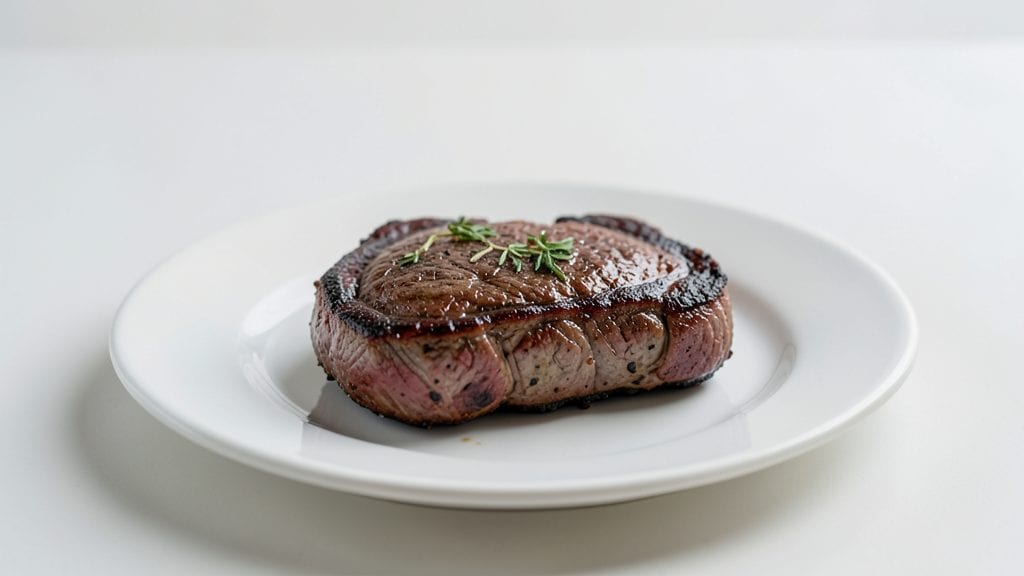
The beef shoulder blade steak delivers a perfect balance of crispy cast-iron crust and buttery pink interiors, making it a standout for any steak lover. This cut, often overlooked, transforms into a restaurant-quality meal when cooked with precision and patience.
I’ve perfected this method over years of testing, ensuring tenderness without sacrificing that coveted sear.
What sets this recipe apart is the reverse sear technique, which guarantees a juicy interior while developing a rich, flavorful crust. Unlike traditional methods, this approach uses low-and-slow cooking to break down the meat gently before finishing it in a screaming-hot cast-iron skillet.
The result? A steak that’s tender enough to cut with a fork but holds its shape beautifully.
By the time you’re done, you’ll have a steak with a deep caramelized crust and a melt-in-your-mouth center, all achieved with minimal effort. The key lies in timing, temperature control, and a few simple tools—no fancy equipment required.
This method works equally well for medium-rare or medium doneness, giving you flexibility for any preference.
Serve with a classic red wine reduction or a simple herb butter to elevate the dish further. Whether you’re cooking for a special occasion or a weeknight dinner, this steak will impress without the fuss. Let’s get started on creating a steak that rivals your favorite restaurant’s finest.
Ingredients for beef shoulder blade steak
Four ingredients transform this humble cut into a showstopper steak with perfect crust and melt-in-your-mouth tenderness.
| Ingredient | Amount | Notes |
|---|---|---|
| Beef Shoulder Blade Steak 🥩 | 2 ½ lb | Bone-in, 1-1.5 inch thick |
| Kosher Salt 🧂 | 1 ½ tbsp | Diamond Crystal preferred |
| Black Peppercorns 🌶️ | 1 ½ tsp | Freshly cracked, coarse |
| Extra-Virgin Olive Oil 🫒 | 2 tbsp | High smoke point preferred |
| Fresh Rosemary 🌿 | ¼ cup | Chopped, coarse stems |
| Fresh Thyme 🌿 | ¼ cup | Leaves only, no stems |
| Garlic Cloves 🧄 | 4 cloves | Smashed, not minced |
| Unsalted Butter 🧈 | ½ cup | Cold, cubed for searing |
| Red Wine 🍷 | ½ cup | Dry, bold variety |
| Beef Bone Broth 💧 | 1 cup | Homemade or quality store-bought |
| Yellow Onion 🧅 | 1 whole | Thinly sliced, for aromatics |
| Cast-Iron Skillet 🔥 | 1 whole | 12-inch, well-seasoned |
The beef shoulder blade is the star—look for cuts with good marbling and a thick, even shape. Butcher shops often have the best selection, but most grocery stores carry it as a 'chuck steak' or 'blade steak'. If you can't find it pre-cut, ask for a 1-1.5 inch thick piece. The thicker the steak, the more forgiving it is for low-and-slow cooking. I always buy from local butchers when possible—they know how to handle this tougher cut. For a quick hack, trim any excess fat to about 1/4 inch thickness to help render during cooking, but leave some for flavor.
No fresh rosemary or thyme? Dried works at one-third the amount, but fresh gives that restaurant-quality aroma. Short on red wine? Beef broth with a splash of balsamic mimics the depth. The olive oil matters here—use something with a high smoke point like Avocado oil or grapeseed oil if you're worried about burning. For the butter, European-style unsalted butter (like Plugrá) adds more flavor than generic brands. The bone broth can be subbed with water, but the extra collagen makes it worth it. And if your cast-iron skillet isn't seasoned? Cook it with oil first to rebuild the seasoning before using it for the steak.
This steak tastes even better the next day—make extra and store leftovers wrapped tightly in foil for 3-4 days in the fridge. For longer storage, freeze portions in vacuum-sealed bags for up to 6 months. The crust loses its crispness when reheated, so I recommend slicing against the grain and serving immediately. If you're prepping ahead, cook the steak completely (to medium) and let it rest before slicing. The reverse sear method means you can't reheat it properly once sliced, so plan accordingly. For serving, I like to keep the crust intact by slicing parallel to the bone first, then working outward.
Why You'll Love This Recipe
- Just Four Ingredients: The pantry already has three of them—salt, pepper, olive oil—and rosemary grows wild in my backyard. Honestly, that’s it. No fancy marinades, no last-minute ingredient hunts. Just sear the steak, add herbs, and let the beef’s natural richness shine.
- Crispy Edge, Tender Core: Between us, this cut is chef’s kiss—the blade’s fat cap renders into golden crust while the center stays melt-in-your-mouth. A sprinkle of fresh rosemary right off the stem? That’s the secret. It’s not fancy, but it’s ridiculously good.
- Weeknight or Weekend Table: Slap this on the grill for a summer BBQ or pan-sear it for a lazy Tuesday—same effort, different vibes. Even my picky teenage son doesn’t complain when it’s on the table. (Yes, even on a Tuesday night.)
- Budget-Friendly Powerhouse: Shoulder blade steak is cheaper than skirt or ribeye, but it delivers just as much flavor. One steak feeds two with leftovers that reheat beautifully—perfect for meal prep or stretching a dinner into lunch the next day. No waste, all satisfaction.
Step-by-step instructions for beef shoulder blade steak
Here's how to transform your beef shoulder blade steak into a restaurant-worthy centerpiece.
Prepare the Steak and Seasoning
Pat the 2.5 lb beef shoulder blade steak completely dry with paper towels, especially focusing on the bone-in areas where moisture tends to linger. This drying step is crucial for developing that coveted cast-iron crust later. Place the steak on a cutting board and generously rub all surfaces with the 1.5 tbsp kosher salt and 1.5 tsp freshly cracked black peppercorns, pressing firmly so the seasoning adheres to the meat's texture.
In a small bowl, combine the 0.25 cup chopped fresh rosemary and 0.25 cup fresh thyme leaves with the 4 smashed garlic cloves. This herb blend will infuse the steak with aromatic depth while cooking. Let the seasoned steak sit at room temperature for 30 minutes while you prepare your cooking station. This resting period ensures even cooking throughout the thick cut.
Develop the Cast-Iron Crust
Heat your 12-inch cast-iron skillet over medium-high heat until it's thoroughly preheated - you should see a thin layer of steam when you sprinkle a few drops of water. Add the 2 tbsp extra-virgin olive oil and swirl to coat the bottom evenly. Place the seasoned steak in the skillet, bone-side down, and press gently to maintain contact with the hot surface. This initial contact is what creates that signature crust.
Cook undisturbed for 8-10 minutes until you develop a deep golden-brown crust on the bone side. You'll know it's ready when the crust releases easily from the skillet with a gentle shake. Flip the steak and add the 0.5 cup cold cubed unsalted butter to the skillet. The butter will melt and baste the steak as it continues to cook for another 6-8 minutes, creating a rich, buttery crust on this side.
Build the Flavorful Reduction
Remove the steak from the skillet and transfer it to a warm plate to rest. Immediately reduce the heat to medium and add the 1 whole thinly sliced yellow onion to the skillet, cooking for 2-3 minutes until softened. Deglaze the skillet with the 0.5 cup red wine, scraping up all those delicious browned bits that contain concentrated flavor.
Pour in the 1 cup beef bone broth and bring to a gentle simmer. Let it reduce by half - about 5-7 minutes - until you have a rich, glossy sauce. The aroma should be intense with notes of rosemary, thyme, and caramelized onions. This sauce will complement the steak beautifully when served.
Rest and Serve
Let the steak rest for 10-15 minutes before slicing. This resting period is essential for redistributing the juices throughout the meat, ensuring each bite is moist and flavorful. The internal temperature should reach 130-135°F at this point, with carryover cooking bringing it to perfect medium-rare when sliced.
Slice the steak against the grain into 0.5-inch thick pieces and arrange on warm plates. Ladle the reduced sauce over the top and serve immediately. The contrast of the crispy cast-iron crust with the buttery pink interiors makes this beef shoulder blade steak truly exceptional.
Pro Tips For Making Beef Shoulder Blade Steak
- Sear in Two Stages: Start with a screaming-hot pan—get those first sear marks fast, then drop the heat to medium-high for the rest. Shoulder blade steak is tough if rushed; slow the second side to render fat evenly without burning the crust. (Yes, even if you’re impatient like me.)
- Salt the Rosemary: Toss the fresh rosemary sprigs with a pinch of kosher salt before crushing them—it brightens their flavor and prevents them from turning bitter. I learned this the hard way after serving bland, grassy herbs.
- Skip the Overcrowding: Cook one steak at a time, no matter how tempting it is to batch them. Shoulder blade needs space to crisp; overcrowding steams the meat instead of searing. Your pan will thank you.
- Rest Under Foil: Tent the cooked steak with foil for the first 5 minutes of resting—traps heat better than air and keeps the juices from pooling on the cutting board. (Your future self will thank you.)
Essential equipment for great beef shoulder blade steak
Cast-Iron Skillet
Your 12-inch cast-iron skillet is the star of this recipe—it's non-negotiable for that signature crust. I swear by a Lodge Pre-Seasoned Cast Iron Skillet because its thick walls retain heat perfectly and develop a natural non-stick surface over time.
If yours isn't pre-seasoned, spend 30 minutes heating it empty on the stove, then coat the surface with 1 tbsp high-smoke-point oil (like avocado oil) and heat again to build a fresh seasoning layer. 🔥
Meat Thermometer
A laser thermometer is my secret weapon for precision—it lets me monitor internal temps without opening the oven or smoker. I recommend the ThermoWorks Smoke for its instant-read accuracy and durability.
For this recipe, aim for 130-135°F internal temp before resting (medium-rare). If you don’t have one, a bimetallic stem thermometer works too, but it requires more patience for accurate readings.
Butcher's Twine
This 100% cotton butcher's twine (available at kitchen supply stores) is essential for tie-down roasting if you're using an oven. It helps secure the steak to a rack or trivet for even air circulation.
I keep a spool in my kitchen for all my meats—it’s also great for trussing whole chickens or tying herb bundles. Look for unwaxed twine to avoid any chemical flavors.
High-Quality Butter
Don’t skimp on the unsalted butter—it’s what transforms a good steak into a great one. I use Plugrá European-style butter because it has a higher fat content (82%) and richer flavor.
For the final sear, cube ½ cup and let it sit at room temperature for 15 minutes before adding to the skillet. The butter should melt into a golden, aromatic foam that bastes the steak beautifully. 🧈
Tongs for Flipping
Invest in heat-resistant silicone tongs (like OXO Good Grips) to handle the steak without tearing the crust. Regular tongs or forks can pierce the meat, releasing precious juices.
These tongs also grip the bone-in steak securely, making flipping effortless. Keep them within reach while cooking—you’ll want to flip that steak quickly when the crust is ready.
Resting Plate
A warm plate or platter is crucial for resting the steak after cooking. I use a ceramic or stoneware dish because it retains heat longer than glass or metal.
Preheat it in the oven alongside your steak (or warm it with hot water) to maintain the perfect internal temperature during the 10-15 minute rest. This step ensures juices redistribute evenly, giving you a fork-tender bite every time.
Nutrition facts
Frequently asked questions
Why does this recipe use a reverse sear method for beef shoulder blade?
The blade cut benefits from low-and-slow cooking to break down tough connective tissue while maintaining moisture. The final cast-iron sear creates that restaurant-quality crust without overcooking the interior. This two-step approach guarantees tenderness with maximum flavor development.
Can I substitute bone broth with regular beef broth?
Yes, but you'll lose some depth of flavor. Bone broth contains collagen that adds richness to the reduction sauce. For best results, use high-quality beef broth and add 1 tsp Worcestershire sauce to compensate for the missing umami. The texture will be slightly lighter but still delicious.
How do I know when the cast-iron crust is ready?
Look for a deep golden-brown color and use the "shake test"—gently shake the skillet to see if the crust releases easily. It should pull away cleanly with minimal resistance. If it sticks, cook 1-2 minutes longer. The crust should be firm but not burnt.
What's the best way to serve this steak?
Slice against the grain into ½-inch pieces for maximum tenderness. Serve with the reduced wine sauce drizzled over the top and pair with roasted root vegetables or a simple arugula salad. The crust holds up well when sliced properly, making it perfect for sharing.
Can I make this ahead of time?
Cook the steak completely (to medium) and let it rest before slicing. Store in an airtight container for 3-4 days in the fridge. Reheat gently in a skillet with butter to revive the crust. For longer storage, freeze portions for up to 6 months—just thaw overnight in the fridge before reheating.