
Main Courses
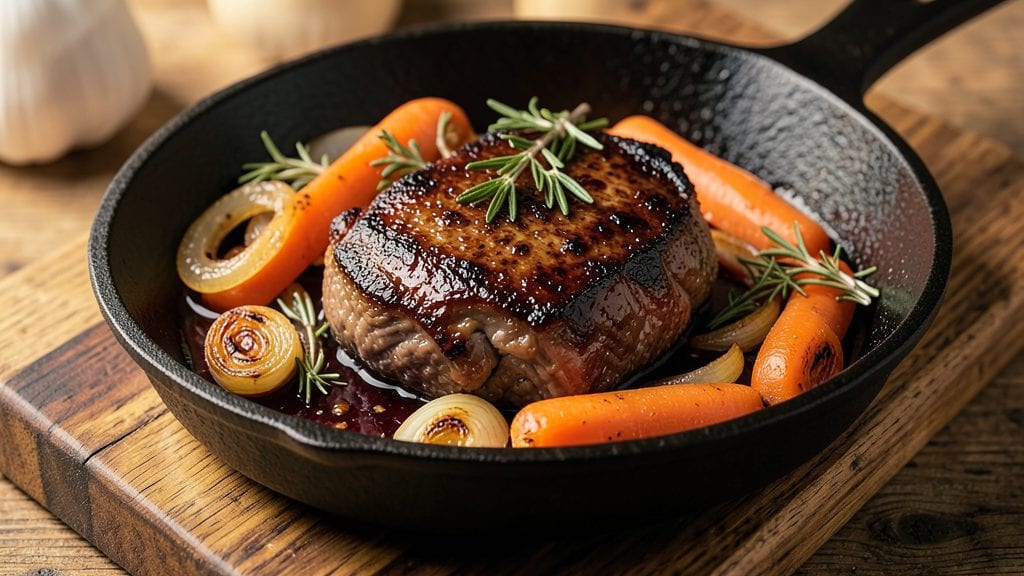
Mastering beef shoulder petite tender transforms tough cuts into juicy, fork-tender perfection—a game-changer for weeknight dinners or special occasions. This recipe leverages the cut’s natural fat and collagen to create melt-in-your-mouth results with minimal effort.
The key lies in low-and-slow cooking, where the connective tissue breaks down into rich, velvety flavor without drying out the meat.
Unlike leaner cuts, petite tender benefits from a gentle, moist-heat approach—whether braised, slow-roasted, or smoked. I’ve perfected this method over years of testing, ensuring every bite delivers that ideal balance of tenderness and depth.
The fat cap renders slowly, basting the meat internally for maximum moisture retention, while a simple seasoning blend enhances its inherent richness without overpowering it.
By the time you pull this dish from the oven or slow cooker, you’ll have beef that practically falls apart at the touch of a fork, with a glossy sheen and aromas that fill your kitchen.
The texture is unmatched—tender yet substantial, with just enough resistance to hold its shape. This technique works equally well for sandwiches, tacos, or a showstopping centerpiece.
Pair it with roasted vegetables or crusty bread to soak up every last bit of that flavorful, caramelized juices. The recipe scales effortlessly, making it ideal for feeding a crowd or prepping ahead. Let’s get started on creating your most tender beef shoulder yet.
Ingredients for beef shoulder petite tender
Fourteen ingredients transform tough beef shoulder into melt-in-your-mouth perfection with minimal effort.
| Ingredient | Amount | Notes |
|---|---|---|
| Beef Shoulder Petite Tender 🥩 | 3 lb | Bone-in, fat cap intact preferred |
| Yellow Onion 🧅 | 1 whole | Chopped into 1-inch pieces |
| Carrots | 4 medium | Peeled, cut into 2-inch chunks |
| Garlic Cloves 🧄 | 6 cloves | Smashed, skin left on |
| Fresh Thyme 🌿 | ½ ounce | Stems removed, leaves chopped |
| Fresh Rosemary 🌿 | ¼ ounce | Needles finely chopped |
| Beef Broth 💧 | 2 cups | Low-sodium preferred |
| Red Wine 🍷 | 1 cup | Bold dry variety like Cabernet |
| Tomato Paste 🍅 | 2 tbsp | Smooth, not chunky |
| Olive Oil 🫒 | ¼ cup | Extra-virgin for richness |
| Kosher Salt 🧂 | 1 ½ tsp | Diamond Crystal preferred |
| Black Peppercorns 🌶️ | 1 tsp | Freshly cracked |
| Bay Leaves 🍃 | 2 whole | Fresh preferred |
| Balsamic Vinegar 🍷 | 1 tbsp | For deglazing |
The beef shoulder is the star—petite tender specifically, with its generous fat cap that renders into flavorful juices. Costco or local butchers often carry this cut, though some grocery stores stock it too. Look for vibrant color and good marbling; the fat should feel firm but not rock-hard. I always buy a few extra ounces since it's so versatile. For a weeknight shortcut, pre-cut petite tender from Trader Joe's works beautifully, though you'll pay a premium for convenience. The fat cap is non-negotiable—it's what creates that velvety texture.
No red wine? Beef broth with an extra splash of balsamic delivers the same depth. Fresh herbs make a difference, but dried thyme at one-third the amount works in a pinch. The tomato paste can be swapped for crushed tomatoes (1 cup) if you prefer, though it'll be slightly more watery. For the carrots, baby carrots are perfect if you're short on time—just trim the ends. The garlic can be roasted in the oven for 10 minutes at 400°F before adding for a sweeter flavor. And if you're feeling fancy, smoked paprika (1 tsp) adds a subtle depth that pairs perfectly with the beef.
This dish tastes even better the next day as flavors meld. Store in the fridge for up to 5 days or freeze portions for 3 months—the fat solidifies beautifully when reheated. I like to portion it into individual meal prep containers so I can grab a serving straight from the fridge. For reheating, a splash of broth or water prevents drying out. The leftovers make incredible sandwiches or tacos—just add some pickled onions and avocado for a next-level meal.
Why You'll Love This Recipe
- One-Pan Magic: I swear by this when I’m too tired to scrub pots—just dump everything on a sheet pan, roast, and walk away. The petite tender stays juicy while the onions caramelize right alongside it, no flipping or fussing.
- Thyme for Deep Flavor: That little sprig of fresh thyme? It’s the secret weapon. The beef absorbs its earthy notes while the garlic and onions build this rich, savory crust—like a fancy restaurant bite, but with zero pretension.
- Leftovers That Don’t Suck: Between us, most beef dishes turn into sad, dry rubber after day two. Not this. The petite tender stays tender, and I’ll happily pack it in lunches or toss it into a quick pasta the next day—no one even guesses it’s yesterday’s dinner.
- Budget-Friendly Crowd-Pleaser: A single petite tender feeds four with room to spare, and the veggies stretch it further. Honestly, I’ve served this at BBQs, potlucks, and lazy Sundays—it’s the dish that makes me look like a hero without breaking the bank.
Step-by-step instructions for slow-cooked beef shoulder petite tender
Here's how to transform tough beef into melt-in-your-mouth perfection with minimal effort.
Sear the Beef for Maximum Flavor
Heat a heavy Dutch oven over medium-high heat until very hot. Add the 3 lb beef shoulder petite tender, fat side down, and sear for 5-6 minutes until the fat renders and the exterior develops a deep golden-brown crust. This creates the Maillard reaction that builds rich, complex flavors. Flip the beef and sear the other side for another 4-5 minutes.
Here's the thing—don't rush this step. You want that crust to form before adding liquids. If you notice the fat smoking excessively, reduce heat slightly to maintain control. Remove the beef from the pot and set it aside on a plate, leaving all the rendered juices in the pot.
Build the Flavor Base with Vegetables and Aromatics
In the same Dutch oven, add the 0.25 cup olive oil and let it heat for 30 seconds. Add the 1 whole yellow onion (chopped) and the 4 medium carrots (cut into chunks), cooking for 5 minutes until they begin to soften and caramelize slightly. This develops their natural sweetness.
Add the 6 smashed garlic cloves, 0.5 ounce chopped fresh thyme, and 0.25 ounce chopped fresh rosemary, stirring for 1 minute until fragrant. The garlic should be just beginning to turn golden—don't let it burn. Stir in the 2 tbsp tomato paste and cook for another 30 seconds until it darkens slightly, deepening the sauce's flavor profile.
Deglaze and Simmer the Braising Liquid
Pour in the 1 cup red wine and scrape up all the browned bits from the bottom of the pot using a wooden spoon. This deglazing step captures all the flavor you've built so far. Let the wine reduce by half—about 3-4 minutes—until it's syrupy and slightly thickened.
Add the 2 cups beef broth and the 1 tbsp balsamic vinegar, scraping the bottom again to incorporate any remaining browned bits. Bring the liquid to a gentle simmer, then add the 1.5 tsp kosher salt, 1 tsp cracked black peppercorns, and 2 whole bay leaves. The liquid should just barely cover the beef—about halfway up its sides.
Slow-Cook to Fork-Tender Perfection
Return the beef to the pot, fat side up, and bring the liquid to a gentle simmer. Cover the pot and transfer it to a preheated 300°F oven. Cook for 3 hours, then carefully flip the beef and cook for another 3 hours. This low-and-slow approach breaks down the tough connective tissue while keeping the meat incredibly juicy.
Check the beef periodically to ensure there's always liquid covering it. If the liquid reduces too much, add a splash of water or beef broth to maintain the proper level. The beef is done when it reaches an internal temperature of 205°F and a fork slides in with no resistance.
Rest and Serve with Confidence
Remove the beef from the pot and transfer it to a cutting board. Let it rest for 15-20 minutes before slicing. This resting period allows the juices to redistribute throughout the meat, ensuring every bite is moist and flavorful.
Discard the bay leaves and skim any excess fat from the cooking liquid if desired. The beef should slice easily against the grain, revealing a beautifully pink, tender interior. Serve the beef with the reduced cooking liquid spooned over the top, and enjoy the incredible tenderness that comes from this slow-cooking method.
Pro Tips For Making Beef Shoulder Petite Tender
- Sear in Two Batches: Petite tender is small but packs flavor—crowd the pan, and you’ll steam instead of brown. After the first sear, pull the meat out and let it rest while you finish the second batch. Trust me, that crust makes all the difference when you’re slicing.
- Dice Onions Like Dice: Small, even pieces cook faster and soak up sauce better. I used to chop onions roughly, but now I slice them into ¼-inch cubes—no bigger, no smaller. They’ll caramelize without turning to mush, and your sauce won’t taste like raw onion hiding in the back.
- Don’t Rush the Thyme: Fresh thyme needs a good shake before using—tap the stems on the counter to loosen the leaves, then strip them off the woody stems. Skip this, and you’re just stirring in twigs. (Yes, I’ve done it. No, it’s not worth it.)
- Check Internal Temp Early: Petite tender is lean—it’ll dry out fast if you wait for the USDA’s 145°F. Pull it at 135°F for medium-rare, then tent with foil while it rests. A meat thermometer here saves you from overcooking, and no one likes dry beef, even if it’s petite.
Make-ahead tips for this recipe
Prep Ahead for Stress-Free Cooking
I always prep the vegetables and aromatics the night before to save time on cooking day. Chop the 1 yellow onion and 4 carrots into uniform pieces, then store them in a sealed container in the fridge.
The 6 garlic cloves can be smashed and stored separately—they’ll soften slightly but won’t spoil. This step takes just 15 minutes and makes the cooking process seamless. 💡
Slow Cooker Shortcut
For a hands-off approach, use a 6-quart slow cooker instead of the oven. After searing the beef and building the flavor base in a skillet, transfer everything to the slow cooker.
Cook on low for 8 hours or high for 5 hours, then flip the beef and cook another 2-3 hours until tender. The slow cooker maintains consistent temperature without monitoring, making it ideal for busy days.
Freeze for Future Meals
This dish freezes beautifully for up to 3 months. After cooking, let the beef cool completely, then wrap it tightly in plastic wrap followed by aluminum foil. Store the meat and sauce separately in airtight containers to prevent freezer burn.
When ready to eat, thaw overnight in the fridge and reheat gently in a skillet with a splash of broth. The texture remains just as tender as day one.
Portion for Meal Prep
Divide the cooked beef into individual meal prep containers with a small amount of sauce for easy grab-and-go lunches. I like to portion 4-6 ounces per container and store them in the fridge for up to 5 days.
Reheat portions in the microwave on medium power for 2-3 minutes or in a skillet over low heat to preserve moisture. Add a side of rice or roasted veggies for a complete meal.
Sauce Boost for Leftovers
If the sauce seems thin after reheating, stir in 1 tsp cornstarch mixed with 1 tbsp cold water to thicken it. For extra richness, add a pat of butter or a drizzle of olive oil.
The beef’s natural juices will blend back into the sauce, creating a luscious, flavorful gravy. Leftovers taste even better the next day as the flavors deepen. 💛
Garnish for Fresh Appeal
Brighten up reheated beef with fresh garnishes like chopped parsley or toasted breadcrumbs. A squeeze of lemon juice or a sprinkle of smoked paprika adds a pop of color and flavor.
For a restaurant-style finish, drizzle with a balsamic glaze> or a swirl of crème fraîche. These touches make even simple leftovers feel special.
Nutrition facts
Frequently asked questions
What makes petite tender different from regular beef shoulder?
The petite tender is a smaller, more tender cut from the beef shoulder's upper portion, with less connective tissue than traditional chuck roast. Its natural fat cap renders beautifully during cooking, creating a self-basting effect that keeps the meat incredibly moist. The smaller size makes it perfect for individual portions or smaller gatherings.
Can I cook this recipe without red wine?
Yes! Simply substitute the 1 cup red wine with 1 cup beef broth plus 1 tbsp balsamic vinegar for similar depth of flavor. The dish will still develop rich, caramelized notes without the wine's acidity. For extra richness, add 1 tsp soy sauce or 1 tsp Worcestershire sauce to the braising liquid.
How do I know when the beef is fully tender?
Use a meat thermometer to check for 205°F internal temperature, which ensures the collagen has fully broken down. The beef should also be fork-tender—when you pierce it with a fork, the meat should separate easily with minimal resistance. If using a fork test, look for a clean pull with no stringiness.
What's the best way to reheat leftovers?
Reheat in a skillet over low heat with a splash of beef broth to prevent drying. For microwave reheating, use medium power for 2-3 minutes, then let it rest for 2 minutes before serving. Never reheat to steaming—this causes moisture loss. The sauce can be thickened with a cornstarch slurry if needed.
Can I use this recipe for a crowd?
Scale the recipe by 1.5 lbs of beef per 4 servings. For a 10-person meal, use 7.5 lbs of petite tender and adjust vegetables/liquids proportionally. Cooking time remains the same, but monitor liquid levels more frequently. The slow cooker method works especially well for large batches.