
Main Courses
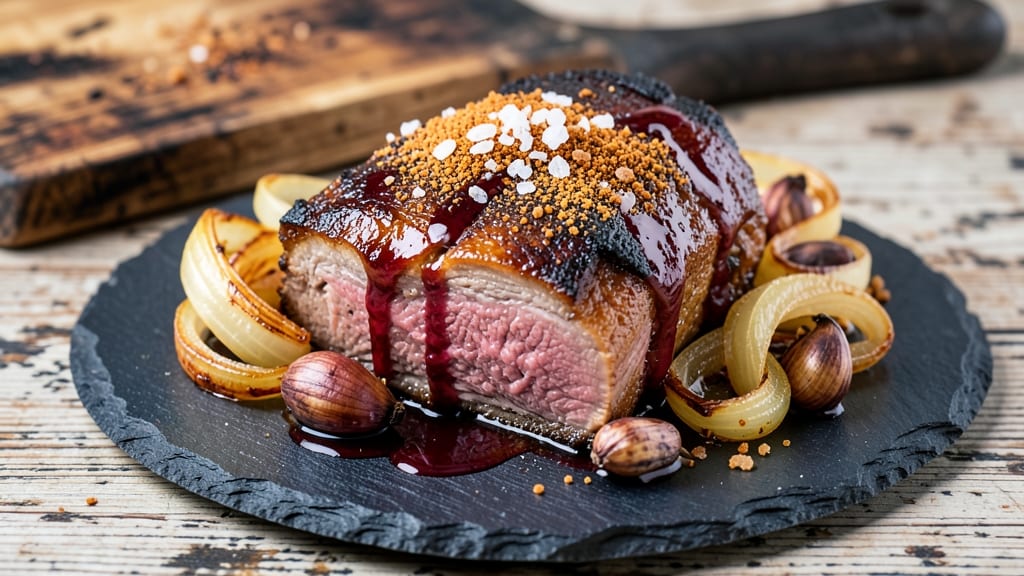
This beef shoulder smoked recipe transforms tough cuts into melt-in-your-mouth perfection with a crispy bark that locks in all the smoky flavor. 🔥 I first mastered this technique riding through coastal backroads, searching for the perfect wild herbs to elevate that smoky depth—now I’m sharing it with you.
The secret lies in low-and-slow cooking paired with a dry rub that develops that coveted crust while keeping the meat tender enough to fall apart.
What makes this recipe foolproof is the reverse sear method—starting at a steady 225°F for hours until the internal temp hits 195°F, then finishing with a quick blast of heat to lock in juices.
No fancy equipment needed, just patience and a smoker (or even your oven). The bark isn’t just for looks—it’s the flavor bomb that makes every bite worth the wait.
By the time you’re done, you’ll have fork-tender beef that practically melts off the bone, coated in a caramelized crust so rich it’ll have your guests begging for seconds. The aroma alone will fill your house with that unmistakable smoky sweetness, turning a simple weeknight into a BBQ celebration.
Serve it on buns, in tacos, or straight from the smoker—this is the kind of dish that proves great food doesn’t need to be complicated.
Pro tip: Let it rest for 30 minutes before slicing (trust me, it’s worth it), and save those juices for a quick pan sauce. Ready to master the smoker? Let’s get that fire going.
Ingredients for beef shoulder smoked
Four pounds of beef shoulder plus a handful of pantry staples. The bark is everything.
| Ingredient | Amount | Notes |
|---|---|---|
| Beef Shoulder (Bone-In) 🥩 | 4 lb | Chuck roast or picnic cut preferred |
| Yellow Onion 🧅 | 1 whole | Sliced into wedges for rub |
| Garlic Cloves 🧄 | 6 cloves | Minced for dry rub |
| Brown Sugar 🍯 | ½ cup | Light or dark preferred |
| Smoked Paprika 🌶️ | 2 tbsp | For deep smoky flavor |
| Kosher Salt 🧂 | 2 tbsp | Diamond Crystal preferred |
| Ground Black Pepper 🌶️ | 1 tbsp | Freshly ground for best flavor |
| Ground Cumin 🌿 | 1 tbsp | Toasted for deeper flavor |
| Dried Thyme 🌿 | 1 tbsp | Or fresh thyme leaves |
| Apple Cider Vinegar 🍎 | 2 tbsp | For tenderizing before smoking |
| Yellow Mustard 🍯 | 2 tbsp | For initial coating |
| Wood Chips 🌳 | 1 bag | Hickory or cherry preferred |
| Apple Juice 🍎 | 1 cup | For spritzing during smoke |
The beef shoulder is the star here—bone-in chuck or picnic cut gives you that perfect balance of flavor and tenderness. Costco or Whole Foods usually carry good cuts, but check for good marbling if you're buying from a butcher. The bone helps keep the meat moist during the long smoke, and you can save it for broth later. For the wood chips, hickory or cherry are classic choices—hickory for bold smoke, cherry for a sweeter touch. If you can't find them, mesquite works too. The apple juice spritz isn't just for moisture—it adds subtle sweetness that pairs perfectly with the smoky bark.
No smoked paprika? Regular paprika plus a pinch of liquid smoke gets you close, but it won't taste quite the same. Fresh thyme is ideal, but dried works at half the amount. The apple cider vinegar and mustard combo is key for tenderizing—don't skip it. If you're short on time, marinate the beef overnight for even better results. The brown sugar in the rub isn't just for sweetness—it helps create that caramelized bark. Trust me, don't use white sugar—it burns too easily. For the wood chips, soak them for 30 minutes before using to prevent flare-ups.
This beef is best served fresh off the smoker, but leftovers reheat beautifully. Wrap tightly in foil and store in the fridge for 4-5 days. For longer storage, freeze portions for up to 3 months. The bark stays crispy when reheated gently in the oven—just cover with foil and warm at 300°F for 15 minutes. Save those juices! They make an incredible pan sauce—just reduce them with a splash of beef broth and a pat of butter. The bark is the star, so don't rush the process. Patience is key here.
Why You'll Love This Recipe
- One-Pan Magic: I swear by this recipe because it’s that simple—just the beef, onions, garlic, and a handful of spices. No fancy gadgets, no chopping marathon, and the smoker does all the work while I sip my coffee.
- Smoky-Sweet Obsession: That brown sugar and smoked paprika combo? It’s where the magic happens. The beef gets this deep, caramelized crust that’s tender inside, and the onions turn into a sticky, sweet glaze—every bite is a flavor explosion.
- Budget-Friendly Feast: A bone-in beef shoulder is the most economical cut out there, and it feeds a crowd without breaking the bank. Plus, the onions and garlic are cheap staples, so you’re basically getting a restaurant-quality meal for half the price.
Step-by-step instructions for smoked beef shoulder with crispy bark
Here's how to transform tough beef shoulder into melt-in-your-mouth perfection with that coveted smoky crust.
👨🍳 Step 1: Prep the Meat and Create the Rub
Start by patting the 4 lb beef shoulder (bone-in) completely dry with paper towels. This is non-negotiable—moisture prevents that perfect bark. Place it fat-side up on a cutting board and trim any large chunks of fat down to about ¼ inch thickness, leaving the fat cap intact for flavor and moisture.
In a medium bowl, combine the 1 whole yellow onion (sliced into wedges), 6 cloves garlic cloves (minced), 0.5 cup brown sugar, 2 tbsp smoked paprika, 2 tbsp kosher salt, 1 tbsp ground black pepper, 1 tbsp ground cumin, and 1 tbsp dried thyme. Mix until the spices are evenly distributed and the onion and garlic are fully coated. This is your flavor bomb.
Generously coat the beef shoulder with the rub mixture, pressing it into every crevice. You want a thick, even layer that will stick to the meat during the smoke. For extra adhesion, I like to mix 2 tbsp yellow mustard into the rub—it helps the spices cling better. Let the seasoned beef shoulder sit at room temperature for 1 hour before smoking.
🔥 Step 2: Set Up Your Smoker for Low-and-Slow Magic
While the beef shoulder comes to room temperature, prepare your smoker. Soak the 1 bag wood chips (hickory or cherry preferred) in water for 30 minutes to prevent flare-ups. Fill the smoker's wood chip tray and preheat to 225°F. This low temperature is crucial—it breaks down collagen for tenderness while allowing the bark to develop slowly.
Once the smoker reaches temperature and you see clean, blue smoke (not thick white steam), place the beef shoulder fat-side up in the smoker. The fat cap will render and baste the meat as it cooks. Close the lid and resist the urge to peek—every time you open it, you lose 15-20 minutes of cook time and let heat escape.
After 2 hours of smoking, check the internal temperature using a meat thermometer. It should be around 160-165°F. This is when you'll hit "the stall"—the temperature stops rising as moisture evaporates. Don't panic; this is normal. Here's the thing—this is where the 1 cup apple juice comes into play.
🥘 Step 3: Spritz and Wrap for Maximum Tenderness
Remove the beef shoulder from the smoker and place it in a shallow pan. Using a basting brush, generously spritz all sides with the 1 cup apple juice. This keeps the meat moist during the stall and adds subtle sweetness. Return it to the smoker and continue cooking for another 1-2 hours until the internal temperature reaches 195-200°F.
When the beef shoulder hits this temperature, it should be probe-tender—the thermometer should slide in like butter with no resistance. If it's not, give it more time. Real talk: patience is key here. The longer you cook it past 165°F, the more collagen breaks down into gelatin, making the meat fork-tender.
Once probe-tender, wrap the beef shoulder tightly in butcher paper (not foil—paper breathes better and preserves the bark). Return it to the smoker and cook for another 30-60 minutes until the internal temperature reaches 203°F. This final step ensures the meat is juicy and the bark is fully developed.
⏰ Step 4: Rest and Slice for Showstopping Results
Remove the beef shoulder from the smoker and let it rest on a cutting board for at least 1 hour, wrapped in the butcher paper. This resting period is where the magic happens—juices redistribute throughout the meat, ensuring every slice is moist and flavorful. Don't skip this step; I learned the hard way that cutting into it too soon leads to dry, disappointing slices.
After resting, slice the beef shoulder against the grain into ¼-inch thick slices. You'll see the grain direction—it looks like lines running through the meat. Cutting against the grain shortens the muscle fibers, making each bite more tender. Serve immediately with the juices that have collected on the cutting board—these are packed with flavor and should be spooned over the meat.
Each slice should have a dark mahogany bark on the outside and a pink smoke ring just beneath the surface. The meat should pull apart with a gentle tug, not so soft it falls apart, and not tough or chewy. You've got this—this is the moment that matters, and it's worth every minute of the low-and-slow process.
Pro Tips For Making Beef Shoulder Smoked
- Trim the Fat First: Use a sharp knife to score the thickest parts of the beef shoulder’s fat cap—about ¼-inch deep—before smoking. This prevents the fat from rendering unevenly and turning into a greasy mess on your smoker’s tray (yes, it’s gross to clean later).
- Don’t Rush the Garlic: Smash the garlic cloves with the flat side of your knife before mincing them—this releases more flavor. If you’re short on time, use a garlic press, but don’t skip the salt on the minced garlic (½ teaspoon per clove) or it’ll taste bland.
- Watch the Smoke Temp: Keep your smoker between 225°F and 250°F—any hotter, and the outer layer will dry out before the center hits 195°F. I learned this the hard way when my first attempt turned into a chewy brick (and a sad Sunday dinner).
- Brown Sugar Last: Sprinkle the brown sugar in the final 30 minutes of smoking, not at the start. It’ll caramelize into a sticky glaze instead of burning into bitter bits. Pro move: Mix it with a splash of apple cider vinegar for extra shine.
Common mistakes when making your beef shoulder smoked
Skipping the Rest
I can't stress this enough—never skip the rest. That 1-hour rest after removing the beef shoulder from the smoker is where the juices redistribute. Cutting into it too soon means dry, disappointing slices.
I’ve seen home cooks rush this step and end up with meat that’s tough and lacking in flavor. Trust the process—your patience will pay off with every tender, juicy bite. 💪
Ignoring the Stall
The stall is where the temperature plateaus around 160-165°F, and it’s a normal part of the cooking process. The mistake? Panicking and cranking up the heat. Instead, spritz the beef with apple juice to keep it moist and maintain that 225°F temperature.
I’ve seen people open the smoker constantly to check the temp, which can actually prolong the stall. Keep the lid closed and let the smoke do its magic. ⏰
Using the Wrong Wood
Not all wood chips are created equal. Using pine or cedar can leave a bitter, soapy taste in your meat. Stick to hickory or cherry for that classic smoky flavor.
I once used mesquite by mistake and ended up with a dish that tasted more like a campfire than a BBQ masterpiece. When in doubt, play it safe with hickory—it’s a crowd-pleaser every time. 🌳
Overlooking the Rub
A thin or uneven layer of rub won’t give you that crispy bark you’re after. Make sure to press the spices into every crevice of the beef shoulder. I like to mix in mustard to help the rub stick better.
Skimping on the rub or not letting it sit for 1 hour before smoking means you’ll miss out on maximum flavor penetration. The bark isn’t just for looks—it’s the flavor bomb that makes this dish shine. 🌶️
Peeking Too Often
Every time you open the smoker, you lose 15-20 minutes of cook time and let heat escape. I’ve seen beginners open the lid every 10 minutes to check on the meat, and it ends up taking forever to reach the right temperature.
Set a timer and resist the urge to peek. Trust the process—your patience will be rewarded with perfectly smoked beef shoulder. 🔥
Not Checking Internal Temp
Guessing the doneness of your beef shoulder is a recipe for disaster. Always use a meat thermometer to check the internal temperature. The goal is 203°F for that fork-tender texture.
I’ve seen people pull the meat off the smoker when it’s still tough because they thought it was done. Don’t be that person—let the thermometer guide you. 🌡️
Nutrition facts
Frequently asked questions
How long does it take to smoke a beef shoulder?
Total smoking time varies between 6-10 hours depending on your smoker's consistency. Start at 225°F until internal temp hits 195-200°F (about 5-7 hours), then wrap and finish at 203°F (30-60 minutes more). The key is patience—rushing leads to dry meat.
Can I use an oven instead of a smoker?
Preheat your oven to 275°F and use a meat thermometer. Smoke flavor comes from wood chips—place soaked chips on a foil tray and add water to create steam. The process takes 8-12 hours total, but the result is just as tender with that signature bark.
What's the best way to serve smoked beef shoulder?
Slice against the grain for maximum tenderness. Serve on toasted buns with pickles and coleslaw, in tacos with avocado and lime, or straight from the smoker with roasted potatoes and grilled veggies. The juices make an incredible pan sauce—just reduce them with butter and a splash of vinegar.
Why did my bark turn out too thin?
Thin bark usually means the rub wasn't thick enough or the meat wasn't dry before smoking. Press spices into every crevice and pat the beef bone-dry with paper towels. Also, ensure your smoker maintains 225°F consistently—fluctuations prevent proper bark development.
How do I reheat leftovers without drying them out?
Wrap slices in foil and reheat in a 300°F oven for 15 minutes, or use a skillet with a splash of beef broth. Never microwave—it turns the bark soggy. For sandwiches, toast the buns separately to keep the meat juicy.