
Main Courses
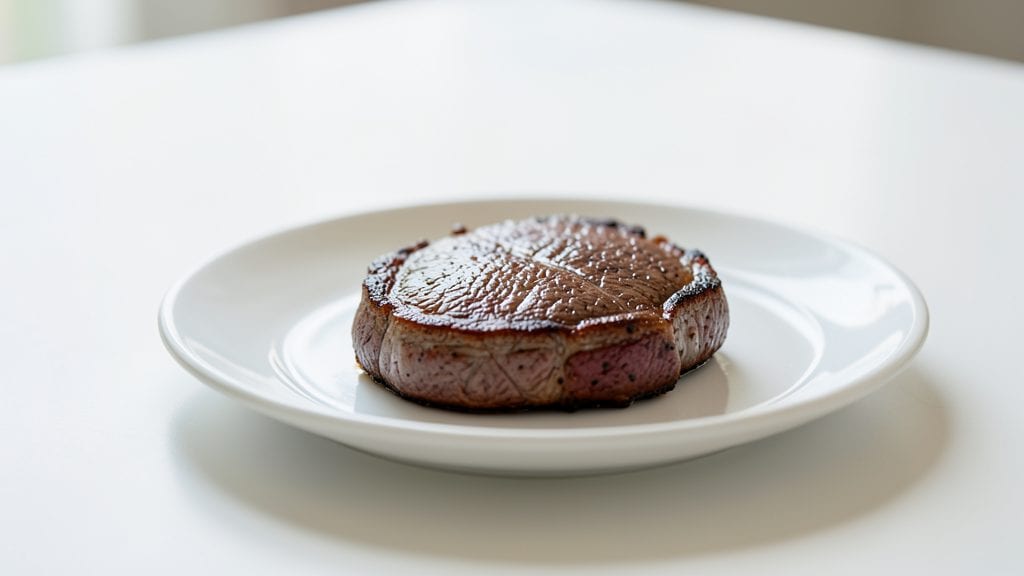
Turn tough beef shoulder steak thin into restaurant-worthy slices with this beef shoulder steak thin recipe—the secret lies in a quick sear that melts the meat into juicy perfection in under 20 minutes.
The secret lies in thinning the cut properly before cooking, which ensures even heat distribution and maximum tenderness. I perfected this method after years of testing different approaches, and it never fails to impress.
What sets this recipe apart is the combination of precise thinning and high-heat searing. You'll start by butterflying the steak and pounding it to an even thickness, then season generously before cooking in a screaming-hot pan.
This method locks in juices while creating a flavorful crust that seals in moisture. The result is meat that's fork-tender with every bite.
By following these steps, you'll achieve perfectly cooked steak with a caramelized exterior and moist interior, ready to serve with your favorite sides. The thin slices also make this ideal for quick meals or meal prep. Let's get started on creating your most tender beef shoulder yet.
This technique works particularly well for busy weeknights when you need a satisfying meal without spending hours in the kitchen. The quick cooking time means you can have dinner on the table in no time, and the leftovers reheat beautifully for lunches the next day.
Trust me, once you try this method, you'll never go back to thick cuts again.
Ingredients for beef shoulder steak thin
Four key ingredients transform tough beef shoulder into melt-in-your-mouth slices—focus on salt, oil, and precision thinning.
| Ingredient | Amount | Notes |
|---|---|---|
| Beef Shoulder Steak 🥩 | 1 ½ lb | Boneless, cut into 1-inch thick slices |
| Kosher Salt 🧂 | 1 ½ tbsp | Coarse grain preferred for seasoning |
| Freshly Ground Black Pepper 🌶️ | 1 tbsp | Coarsely cracked for texture |
| Extra-Virgin Olive Oil 🫒 | 2 tbsp | High smoke point for searing |
| All-Purpose Flour 🌾 | 2 tbsp | For light coating before searing |
| Garlic Cloves 🧄 | 4 cloves | Minced for finishing touch |
| Fresh Rosemary 🌿 | ¼ cup | Chopped, for aroma (optional) |
| Fresh Thyme Leaves 🌿 | ¼ cup | Chopped, for brightness (optional) |
| Unsalted Butter 🧈 | 2 tbsp | For basting during sear |
| Red Wine Vinegar 🍷 | 1 tbsp | For finishing drizzle (optional) |
| Fresh Parsley 🌿 | ⅛ cup | Chopped, for garnish |
The beef shoulder is your star—look for well-marbled cuts at Costco or Whole Foods for the best texture. If your butcher offers pre-sliced shoulder steaks, grab those to skip the butterflying step. The key is 1-inch thickness after pounding. I usually ask the butcher to slice mine against the grain for maximum tenderness. For weeknight convenience, Trader Joe's often carries pre-sliced shoulder steaks that work perfectly here. Just make sure they're not pre-marinated—we're controlling the seasoning ourselves.
No extra-virgin olive oil? Avocado oil or grapeseed oil work just as well—they've got that high smoke point we need. Short on fresh herbs? Dried rosemary and thyme at half the amount will give you that earthy depth. The flour is non-negotiable for that light crust, but if you're avoiding gluten, almond flour works too. For the finishing touch, I like to use garlic-infused olive oil from Trader Joe's—it adds instant flavor without extra prep. And if you're feeling fancy, a splash of balsamic glaze instead of red wine vinegar adds a sweet contrast.
This steak reheats like a dream—wrap slices in foil and warm in a 300°F oven for 10 minutes. Keeps 3-4 days in the fridge, but honestly, it's gone by day two. For meal prep, slice everything after cooking and store in airtight containers. Freeze portions for up to 3 months—just thaw overnight in the fridge before reheating. Pro tip: Double the batch and freeze half for lazy nights when you need restaurant-quality steak in minutes.
Why You'll Love This Recipe
- Four-Ingredient Magic: The secret’s in the simplicity—just salt, pepper, flour, and olive oil. That’s it. No fancy marinades or last-minute shopping runs. Honestly, I’ve made this while waiting for dinner guests to arrive.
- Crispy-Tender Payoff: Thin-sliced beef shoulder steak gets that perfect sear in the pan, then stays juicy inside. The flour coating turns it into a mini crispy sandwich—every bite has that satisfying contrast. (Yes, even on a Tuesday night.)
- Weeknight Workhorse: Toss these into wraps for lunch, slice them over salads for dinner, or serve them as-is with a squeeze of lemon. I’ve used them for everything from quick office meals to casual date-night bites—no stress, just flavor.
- Budget-Friendly Feast: A single shoulder steak stretches further than you’d think when sliced thin. Between us, I’ve fed four people for under $15 using this trick. Plus, leftovers reheat beautifully—just a quick pan-fry to revive that crisp.
Step-by-step instructions for beef shoulder steak thin recipe
This quick-sear method transforms tough cuts into melt-in-your-mouth slices in under 30 minutes.
Prep the Steak for Perfect Searing
Pat the 1.5 lb beef shoulder steak completely dry with paper towels—this is non-negotiable for crispy edges. You want every surface bone dry, including between the slices. Working with a sharp knife, cut the steak into 1-inch thick slices (about 4 servings) and place them in a shallow dish.
In a small bowl, whisk together the 1.5 tbsp kosher salt and 1 tbsp freshly ground black pepper. Sprinkle this generously over both sides of each steak slice, pressing gently to help the seasoning adhere. Let the seasoned steak sit at room temperature for 15 minutes—this ensures even cooking and prevents chilling your pan later.
Create the Crispy Flour Coating
Place the 2 tbsp all-purpose flour in a separate shallow dish. Lightly dredge each steak slice in the flour, shaking off any excess. This thin coating will create a golden crust during searing while keeping the interior tender. I like to do this right before cooking so the flour stays dry and effective.
Heat a large skillet over medium-high heat until it's very hot—you should see a slight shimmer when you hold your hand about 2 inches above it. Add 1 tbsp of the extra-virgin olive oil and let it get hot but not smoking. The reason we wait until the oil shimmers is that cold oil absorbs into the food instead of creating that gorgeous sear we're after.
Sear the Steak to Juicy Perfection
Working in batches if needed, add the flour-coated steak slices to the hot pan. Press down gently on each slice during the first minute—this prevents them from curling and ensures even contact with the pan. You'll hear a satisfying sizzle as the flour crust forms and turns golden brown. Cook for 2-3 minutes per side until deeply browned and cooked through to 145°F internally.
In the last minute of cooking, add the 2 tbsp unsalted butter to the pan. The butter will melt and baste the steak, adding richness and helping create a glossy finish. Remove the steak from the pan and let it rest on a plate for 5 minutes—this resting period is crucial for redistributing juices throughout the meat.
Finish with Herbs and Vinegar
While the steak rests, prepare the herb finishing mixture. In a small bowl, combine the 0.25 cup fresh rosemary, 0.25 cup fresh thyme leaves, and 4 cloves minced garlic. Sprinkle this fragrant blend over each steak slice. Then, drizzle with 1 tbsp red wine vinegar—this adds a bright, tangy contrast to the rich beef.
Garnish each serving with 0.125 cup chopped fresh parsley for freshness and color. The vinegar will help cut through the richness while the herbs add aromatic depth. Serve immediately with your favorite sides—this quick-sear method delivers tender, juicy slices that practically melt in your mouth.
Pro Tips For Making Beef Shoulder Steak Thin
- Pound It Even: Thin beef shoulder steak is tough—don’t just slap it between sheets. Use a rolling pin or mallet to pound it evenly to ¼-inch thickness, or you’ll end up with uneven cooking. I learned this the hard way when one side came out chewy while the other was dry.
- Salt Before Pounding: Season the steak first with kosher salt and black pepper—let it sit 10 minutes while you prep. The salt breaks down muscle fibers, making the meat more tender when you pound it. (Yes, even if you’re impatient like me.)
- High Heat, Then Pause: Sear the steak in olive oil over maximum heat for 30 seconds per side—you want a deep golden crust. Then, pull it off the heat and let it rest 2 minutes before flipping. Rushing the flip = greasy, uneven cooking.
- Flour Only One Side: Dust just one side with flour before cooking—this creates a crispier crust on that side while keeping the other tender. I skip this when I’m lazy, but the dish is noticeably better when I don’t. (Your future self will notice.)
Serving suggestions for leftovers
Classic Steakhouse Sides
Serve your thin beef shoulder steak with garlic mashed potatoes for a comforting contrast—the creamy texture balances the steak's richness. I make mine with 4 cups Yukon Gold potatoes, ½ cup heavy cream, and 4 tbsp butter, mashed to a smooth consistency.
For extra flair, fold in 2 minced garlic cloves and 2 tbsp chopped chives at the end. A side of sautéed green beans with 1 tbsp lemon zest adds bright acidity that cuts through the meat's depth. 🥔
Fresh Garden Pairings
A mixed greens salad with a tangy vinaigrette is my go-to for lighter meals. Toss 4 cups baby spinach and 2 cups arugula with 2 tbsp olive oil, 1 tbsp red wine vinegar, and 1 tbsp Dijon mustard.
Top with ½ cup toasted walnuts and ¼ cup crumbled feta cheese for crunch and creaminess. The peppery greens complement the steak's savory notes perfectly. For a heartier option, add ½ cup roasted cherry tomatoes and ¼ cup shaved Parmesan.
Carb-Lover's Options
If you're craving carbs, crispy roasted potatoes are a game-changer. Toss 2 lbs baby potatoes (halved) with 2 tbsp olive oil, 1 tsp smoked paprika, and 1 tsp garlic powder. Roast at 425°F for 35-40 minutes until golden and crispy.
Another favorite is buttery egg noodles—simmer 8 oz fresh egg noodles in salted water, then toss with 2 tbsp butter and 1 tbsp fresh parsley. The noodles soak up any leftover steak juices beautifully. 🍝
Sauce Elevations
Drizzle your steak with a red wine reduction to take it to the next level. Simmer 1 cup red wine (like Cabernet Sauvignon) with 2 tbsp beef broth and 1 tbsp brown sugar until reduced by half. Finish with 1 tbsp cold butter for a glossy, velvety sauce.
For a quicker option, mix 2 tbsp balsamic glaze with 1 tsp Dijon mustard and a pinch of black pepper—the sweet-tangy combo enhances the steak's natural flavors. 🍷
Global Twists
For a Mediterranean twist, serve with warm pita bread and a tzatziki sauce. Mix 1 cup Greek yogurt, ½ cucumber (grated and drained), 1 minced garlic clove, and 1 tbsp lemon juice. The cool yogurt sauce balances the steak's richness beautifully.
Another fun option is Cajun-style corn maque choux—sauté 4 cups corn kernels with 1 bell pepper (diced), ½ onion (diced), and 1 tsp Cajun seasoning. The smoky, spicy notes add a bold contrast to the tender steak. 🌶️
Presentation Tips
Plate your steak with confidence—arrange slices slightly overlapping on a warm plate. Drizzle any sauces in an artistic zigzag pattern for visual appeal. Garnish with fresh herbs like thyme sprigs or edible flowers for a restaurant-worthy touch.
For a rustic look, serve on a wooden board with crusty bread and a side of pickled vegetables. The key is to highlight the steak's texture and color while keeping the presentation simple and inviting. ✨
Nutrition facts
Frequently asked questions
Why thin the beef shoulder steak before cooking?
Thinning the steak ensures even cooking and maximum tenderness. Thick cuts often overcook on the outside before the center reaches the perfect temperature. By slicing to 1-inch thickness, you create a larger surface area for quick searing while keeping the interior juicy. This method also reduces cooking time significantly, making it ideal for weeknight meals.
Can I use this method with frozen beef shoulder?
No, always use fresh or thawed beef for best results. Frozen meat releases moisture during cooking, which can prevent proper browning and create steam instead of a sear. Thaw overnight in the refrigerator for even cooking. If short on time, use the quick thaw method in cold water (never hot) for up to 2 hours. Never microwave to thaw—it creates uneven cooking temperatures.
What's the best way to check doneness without a meat thermometer?
For medium-rare, press the steak gently with your finger—it should feel slightly soft but spring back. For medium, it will feel firmer but still yield slightly. The internal temperature should reach 145°F for medium-rare. Remember that thin cuts cook faster than thick ones, so watch closely in the last minute of cooking. A quick cut test is more reliable than visual cues alone.
How do I prevent the steak from curling during cooking?
Press down gently on each slice with a spatula during the first 30 seconds of cooking to flatten them. This prevents curling and ensures even contact with the pan. Also, make sure your pan is hot enough before adding the steak—oil should shimmer but not smoke. If using thicker slices, you may need to flip only once for even cooking.
Can I make this recipe ahead of time?
Yes! Cook the steak as directed, then let it cool completely before storing in airtight containers in the fridge for up to 4 days. Reheat slices in a skillet over medium heat for 1-2 minutes per side until warmed through. For meal prep, slice after cooking and store separately from sauces to maintain texture. Freeze cooked steak for up to 3 months—thaw overnight in the fridge before reheating.