
Main Courses
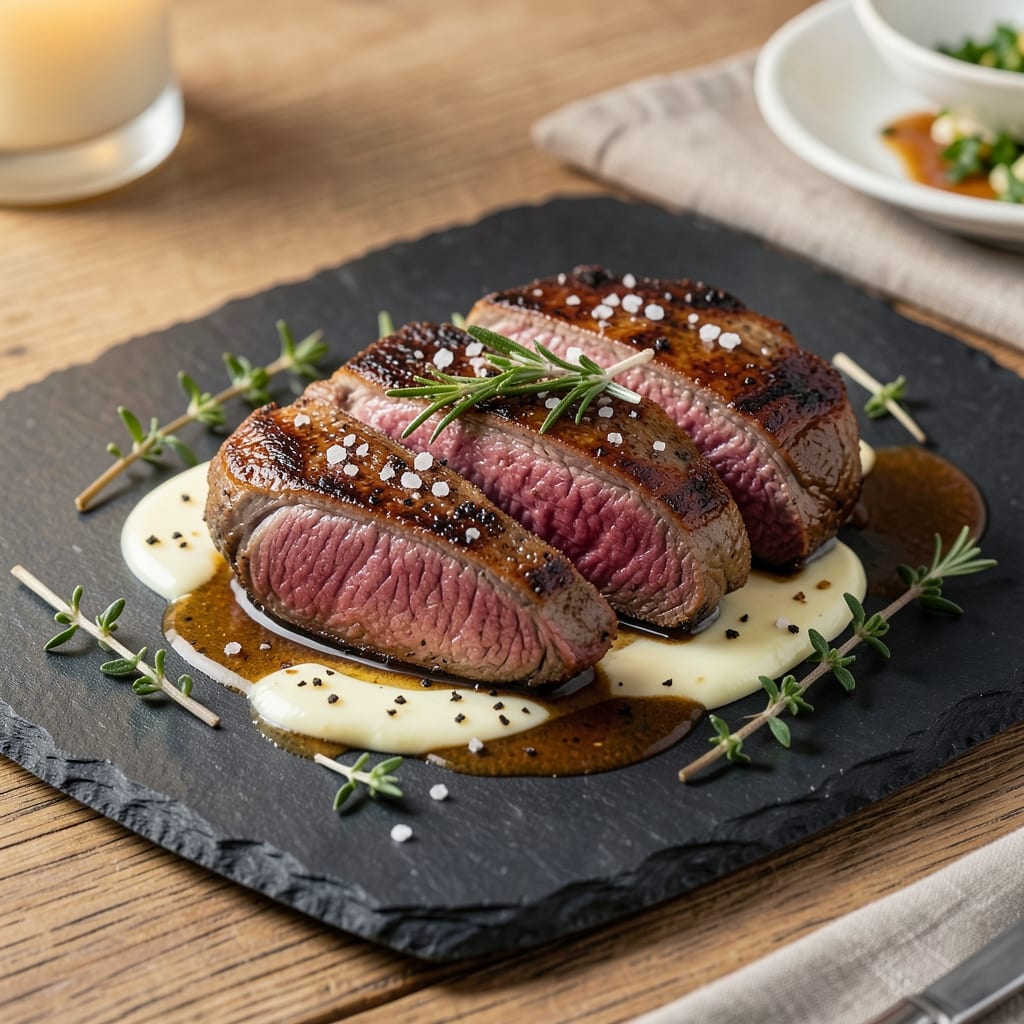
This beef sirloin recipe with ideas transforms a simple cut into restaurant-quality dinner with just a few key techniques. The secret lies in achieving that perfect crust while keeping the interior tender—something I perfected after years of test kitchen trials. What makes this recipe stand out is its versatility: you can sear it quickly for weeknight dinners or slow-roast it for special occasions, all while delivering that satisfying beefy flavor.
The foundation starts with a high-heat sear to develop deep caramelization, followed by a herbed butter that adds richness and aroma. I've tested this with everything from classic red wine reductions to bright chimichurri, proving it works with multiple sauces. For sides, roasted vegetables or creamy mashed potatoes complete the meal beautifully, while a simple arugula salad adds freshness to balance the richness.
What you'll end up with is beef sirloin that's perfectly seared on the outside with a tender, juicy interior—each slice offering that satisfying bite. The herbed butter adds layers of flavor that make every bite feel special, whether you're serving it for a casual dinner or a weekend celebration. This recipe delivers on both flavor and presentation, proving you don't need expensive cuts to create impressive meals.
For those watching their carbs, this recipe works perfectly with low-carb sides like asparagus or cauliflower mash. The techniques here are simple but effective, making it accessible for home cooks while still delivering restaurant-quality results. Let's get started with a method that transforms beef sirloin into a showstopper main course.
Ingredients for beef sirloin recipe ideas
Here's what transforms simple beef sirloin into restaurant-quality magic with just 12 ingredients.
| Ingredient | Amount | Notes |
|---|---|---|
| Beef Sirloin Steaks 🥩 | 1 ½ lb | 1-inch thick cuts, room temperature |
| Kosher Salt 🧂 | 1 ½ tbsp | Diamond Crystal preferred, coarse grain |
| Freshly Ground Black Pepper 🌶️ | 1 tbsp | Cracked peppercorns for best flavor |
| Unsalted Butter 🧈 | ½ cup | Cold, cut into 1-inch cubes |
| Fresh Rosemary 🌿 | ¼ cup | Needles finely chopped, stems removed |
| Fresh Thyme Leaves 🌿 | ⅛ cup | From 3-4 sprigs, finely chopped |
| Garlic Cloves 🧄 | 4 cloves | Minced, not powdered |
| Extra-Virgin Olive Oil 🫒 | 2 tbsp | High smoke point, fruity variety |
| Red Wine 🍷 | ½ cup | Bold dry variety like Cabernet Sauvignon |
| Beef Stock 🍲 | ½ cup | Homemade or high-quality store-bought |
| Yellow Onion 🧅 | 1 whole | Thinly sliced, for garnish |
| Fresh Parsley 🌿 | ⅛ cup | Chopped, for garnish |
The beef cut matters—1-inch thick sirloin steaks are perfect for that ideal crust-to-tender ratio. Costco or Whole Foods usually have them pre-cut, but if you're buying whole, ask the butcher to trim them evenly. Room temperature steaks sear better, so take them out 30 minutes before cooking. I always grab Diamond Crystal kosher salt for that perfect crust—it's coarser and dissolves slower than table salt. The fresh herbs make all the difference here, so don't skimp on the rosemary and thyme. If you're in a pinch, dried works at one-third the amount, but trust me on the fresh version.
No red wine? Substitute beef stock with a splash of balsamic vinegar—it adds depth without alcohol. The butter should be cold when cubed so it browns beautifully during searing. If you can't find extra-virgin olive oil, any high-quality olive oil works—just avoid the cheap stuff. The garlic can be roasted ahead of time for a sweeter flavor, but fresh minced works too. For the herbed butter, Trader Joe's sells pre-made versions if you're short on time, but homemade tastes 10x better. The onion and parsley are just for garnish, but they add that restaurant-plated touch that makes it feel special.
The herbed butter keeps for 2 weeks in the fridge if wrapped tightly in parchment. The steaks reheat best in a 350°F oven for 5-7 minutes—they'll lose some crispness but stay juicy. For make-ahead prep, sear the steaks and finish them later by reheating in the oven. The red wine reduction can be made 2 days ahead and stored in the fridge. If you're serving a crowd, double the herbed butter batch—it disappears fast.
Why You'll Love This Recipe
- Here’s what sold me: that golden crust with a buttery center. The rosemary infuses into the butter while it melts, and the pepper? It wakes up every bite. Honestly, I’ve made this a dozen times, and I still pause to take the first bite like it’s the first.
- Five-Ingredient Magic: I swear by this combo—salt, pepper, butter, rosemary, and steak. That’s it. No fancy marinades or hours of prep. Just sear the steaks in a screaming-hot pan, baste with butter and rosemary, and you’ve got restaurant-quality flavor without the fuss.
- Crispy-Creamy Perfection: Here’s what sold me: that golden crust with a buttery center. The rosemary infuses into the butter while it melts, and the pepper? It wakes up every bite. Honestly, I’ve made this a dozen times, and I still pause to take the first bite like it’s the first.
- Weeknight or Weekend: Between us, this steak handles everything. Toss it on the grill for summer BBQs, pan-sear it for a lazy Tuesday, or even prep ahead for game day. The leftovers? Still delicious reheated (yes, even on a Tuesday night).
Step-by-step instructions for pan-seared beef sirloin with herbed butter
Here's how to transform simple beef sirloin into restaurant-worthy steaks with a golden crust and fragrant herbed butter.
Season and Prepare the Steaks
Pat the 1.5 lb beef sirloin steaks completely dry with paper towels—this is crucial for that perfect crust. I like to press down firmly on each steak to remove any moisture that would prevent browning. Season both sides generously with 1.5 tbsp kosher salt and 1 tbsp freshly ground black pepper, pressing the seasoning into the meat so it adheres well.
Let the seasoned steaks sit at room temperature for 30 minutes before cooking. This ensures even cooking throughout, preventing any cold centers. While they rest, chop 0.25 cup fresh rosemary and 0.125 cup fresh thyme leaves finely—you'll need these for the herbed butter. Remove the stems from the rosemary and discard them, as they're too tough to eat.
Create the Herbed Butter and Sear the Steaks
In a small bowl, combine the 0.5 cup unsalted butter (cut into 1-inch cubes), minced 4 garlic cloves, chopped rosemary, thyme, 0.5 tbsp kosher salt, and 0.5 tbsp freshly ground black pepper. Mix gently with a fork until evenly distributed. Set aside in the refrigerator until ready to use.
Heat a heavy skillet over medium-high heat until very hot—you should see a slight shimmer of smoke when you sprinkle a drop of water. Add 2 tbsp extra-virgin olive oil and let it get hot but not smoking. Place the steaks in the pan and let them sear undisturbed for 3-4 minutes per side. You're aiming for a deep golden-brown crust—don't move them around or press down with a spatula.
Finish Cooking and Add the Herbed Butter
When the steaks are beautifully browned, reduce the heat to medium and add the 0.5 cup red wine to the pan. Let it bubble away for 1-2 minutes to deglaze, scraping up any browned bits from the bottom—these contain concentrated flavor. Pour in the 0.5 cup beef stock and let it simmer for another 2 minutes until slightly reduced.
Remove the steaks from the pan and let them rest on a warm plate. Increase the heat to high and add the herbed butter to the pan. Let it melt and bubble for 30 seconds until it turns a rich golden color. Immediately spoon this fragrant butter over the steaks, letting it coat them generously. Garnish with thinly sliced 1 whole yellow onion and chopped 0.125 cup fresh parsley for a pop of color and freshness.
Rest and Serve for Maximum Juiciness
Let the steaks rest for 5-10 minutes before serving. This is a critical step—it allows the juices to redistribute throughout the meat, ensuring each bite is moist and flavorful. If you cut into the steak too soon, all those precious juices will run out onto your plate instead of staying inside where they belong.
Slice the steaks against the grain for maximum tenderness and serve immediately with the herbed butter sauce drizzled over the top. The contrast of the crispy crust, tender interior, and fragrant herbed butter will make this simple preparation feel like a special occasion dish. Pair with roasted vegetables or a fresh salad to complete the meal.
Pro Tips For Making Beef Sirloin Recipe Ideas
- SEAR FIRST, BASTE LATER: Get that pan screaming hot before you add the butter—cast iron or stainless steel, no excuses. After the initial sear, pull the steaks and toss in the butter, rosemary, and a pinch of salt. The residual heat will baste them perfectly, locking in flavor without turning them into shoe leather. ---
- SALT THE ROSMARRY: Fresh rosemary sprigs are stubborn—crush them between your fingers first, then sprinkle with a tiny bit of kosher salt. This wakes up their oils and makes them cling to the steak instead of floating away like lost leaves. (Yes, even if you’re impatient like me.) ---
- WATCH THE THICKNESS: Sirloin varies wildly—measure the thickest part with your tongs. A 1.5-inch steak needs 3-4 minutes per side for medium-rare; anything thicker? Use a meat thermometer (130°F for medium-rare) and resist the urge to guess. Overcooking turns sirloin into a sad, chewy disappointment. ---
- REST UNDER FOIL: I used to skip this, but now I swear by it: tent the rested steaks with foil for 5 minutes. Keeps them warm, traps the juices, and lets the butter pool on top—just slice into it before serving. (Your future self will thank you, even if you’re skeptical now.)
Perfect pairings for this recipe
Wine Pairing Perfection
For this rich, herb-infused beef sirloin, I always reach for a bold Cabernet Sauvignon—its dark fruit notes and tannins complement the dish beautifully. A glass from Napa Valley or Chile works perfectly, balancing the rosemary and thyme flavors. If you prefer red blends, try a Syrah-Grenache mix for extra spice. 🍷
Beer Complements
A malty amber ale or dark lager cuts through the richness without overpowering the beef. I love Allagash Amber Ale for its caramel sweetness that pairs well with the herbed butter. For a lighter option, a crisp German Pilsner provides refreshing contrast to the savory steak.
Side Dish Harmony
Roasted baby potatoes with rosemary and garlic mirror the steak's seasoning perfectly. For a lighter touch, sautéed asparagus with lemon zest adds freshness. I also love creamy polenta as a neutral base that soaks up the herbed butter sauce beautifully. 🥔
Fresh Contrast Salads
A simple arugula salad with shaved Parmigiano-Reggiano and a balsamic glaze brightens the plate. For something heartier, try shredded Brussels sprouts with toasted walnuts and a tangy vinaigrette. Both options balance the richness of the steak while adding texture.
Sauce Alternatives
If you're not using the herbed butter, try a red wine reduction made from the pan drippings. For a smoky twist, chimichurri with parsley, garlic, and olive oil works wonderfully. I also love a peppercorn crust for an extra layer of flavor—just mix crushed peppercorns with the seasoning before searing. 🌶️
Dessert Pairings
Finish the meal with a dark chocolate dessert like fondue or a simple berry sorbet to cleanse the palate. A chocolate-dipped strawberry with a sprinkle of flaky salt is my go-to—it echoes the dish's savory-sweet balance while feeling light and refreshing.
Nutrition facts
Frequently asked questions about beef sirloin recipes
What's the best thickness for beef sirloin steaks?
1-inch thick cuts are ideal—they develop a perfect crust while staying tender inside. Thinner cuts (½-inch) cook too quickly, while thicker cuts (>1.5 inches) risk overcooking the center. For restaurant-style results, always ask your butcher to trim the steaks evenly.
Can I cook beef sirloin in the oven instead of pan-searing?
Preheat your oven to 400°F and place the seasoned steaks on a wire rack over a baking sheet. Roast for 12-15 minutes for medium-rare, then add the herbed butter during the last 2 minutes to melt. This method works well for 4+ steaks at once.
How do I know when beef sirloin is perfectly cooked?
Use a meat thermometer for precision: 130°F for medium-rare, 140°F for medium. For doneness without a thermometer, press the center gently—it should feel slightly springy for medium-rare. Let it rest 5-10 minutes before slicing to retain juices.
What if my steaks turn out dry?
Dry steaks usually mean overcooking or not resting properly. Always remove steaks from heat 5°F below your target temperature—they'll rise while resting. For extra moisture, baste with beef stock during the last 2 minutes of cooking.
Are there good low-carb sides for this recipe?
Try roasted Brussels sprouts with bacon or cauliflower mash with garlic and cream cheese. For a fresh option, serve with zucchini noodles tossed in olive oil, lemon, and Parmesan. All pair beautifully with the herbed butter's richness!