
Main Courses
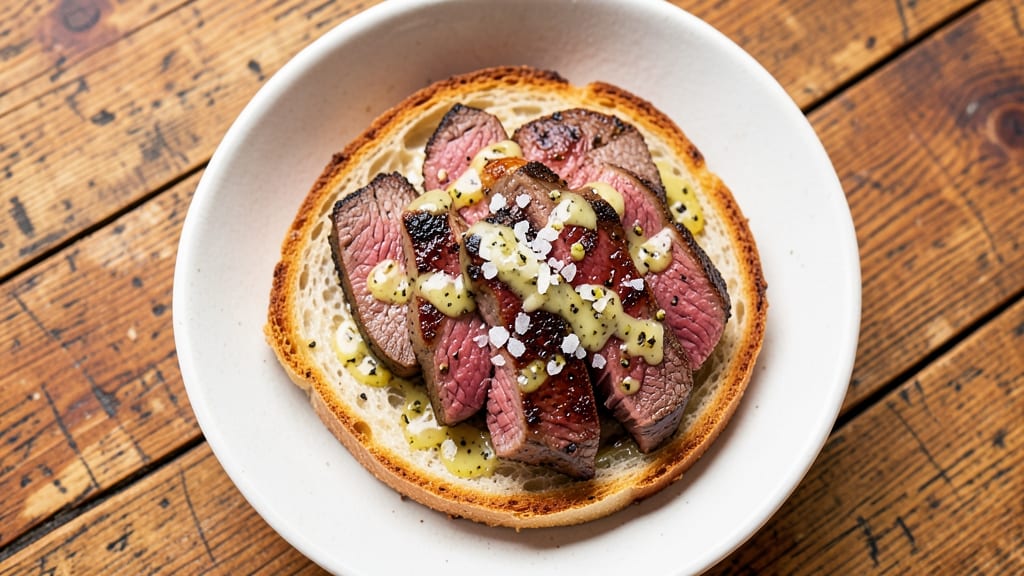
This beef toast recipe delivers restaurant-quality crispiness and savory comfort in just 10 minutes—perfect for weeknight dinners when you crave something indulgent but fast. The secret lies in perfectly searing thinly sliced beef over high heat until it develops a golden, caramelized crust while staying tender inside.
I developed this technique after years of experimenting with quick yet satisfying dishes that still feel special, and it never fails to impress.
What sets this dish apart is the balance of textures: crispy beef slices stacked atop buttery, toasted bread, all finished with a drizzle of garlic-infused oil and flaky sea salt. The method is straightforward—no complicated steps, just precise timing and high heat—but the results are anything but ordinary.
You’ll need just a few simple ingredients: high-quality beef (ribeye or sirloin works best), sturdy bread, and a neutral oil for searing.
The outcome is a dish that’s equal parts elegant and comforting—golden crusts that shatter with each bite, juicy beef that melts in your mouth, and toast that’s crisp enough to hold up to the rich, savory beef.
It’s the kind of meal that transforms an ordinary Tuesday into something memorable, all while keeping prep and cook time under 15 minutes total. The best part? It’s versatile enough to serve as a main course or a showstopping appetizer.
Pair it with a simple arugula salad dressed in lemon vinaigrette or roasted garlic mashed potatoes to round out the meal. Once you try this beef toast, you’ll never settle for anything less than crispy, flavorful perfection again. Let’s get cooking!
Ingredients for beef toast
Just six ingredients transform ordinary bread and beef into restaurant-worthy crispy comfort.
| Ingredient | Amount | Notes |
|---|---|---|
| Thinly Sliced Ribeye Steak 🥩 | 1 lb | Cut against grain for tenderness |
| Sourdough Bread Loaf 🍞 | 1 whole | Crusty exterior, sturdy interior |
| Unsalted Butter 🧈 | 4 tbsp | Cold, cut into small cubes |
| Garlic Cloves 🧄 | 3 cloves | Fresh, minced for garlic oil |
| Neutral High-Smoke Point Oil 🫒 | ¼ cup | Avocado or grapeseed preferred |
| Flaky Sea Salt 🧂 | 1 ½ tbsp | Diamond Crystal preferred |
| Freshly Ground Black Pepper 🌶️ | ½ tsp | Freshly cracked for intensity |
| Extra-Virgin Olive Oil 🫒 | 1 tbsp | For finishing drizzle |
| Fresh Thyme Leaves 🌿 | ¼ tsp | Chopped, for garnish |
| Red Wine Vinegar 🍷 | 1 tsp | For acidity balance |
The beef is everything here—ribeye delivers that perfect beefy richness, but sirloin works too if that's what's on sale. Slice it paper-thin against the grain—Costco or Whole Foods butcher counters will do it for free. If you're buying pre-sliced, look for packages labeled 'thinly sliced'—Trader Joe's often has great options. Freshness matters: the beef should smell clean and bright, never metallic or sour. And don't skip the cold butter—Plugrá or Land O'Lakes work perfectly, but make sure it's unsalted so you control the seasoning.
No sourdough? Baguette or crusty Italian bread holds up beautifully—just make sure it's got a good crust for maximum crispiness. Running out of fresh thyme? Dried thyme at one-third the amount works in a pinch, but fresh is worth hunting down at the market. The garlic oil is non-negotiable for that aromatic punch—infuse the oil by gently heating the minced garlic until fragrant but not browned. For extra flair, add a pinch of smoked paprika to the garlic oil. And if you're feeling fancy, swap the red wine vinegar for lemon juice—just add a pinch of sugar to balance the acidity.
This dish is all about timing—prep everything ahead so you can sear the beef while the bread toasts. The butter should be cold when you start, but it'll melt beautifully under the broiler. Store any leftover beef in an airtight container for 3 days—it reheats wonderfully. The bread? Wrap it in a clean kitchen towel to keep it crisp for 1 day. And if you're making this ahead for a party, assemble everything just before serving—the magic happens when that butter melts and the beef gets crispy.
Why You'll Love This Recipe
- Five-Ingredient Magic: I swear, this is the kind of recipe where you almost feel guilty for how little effort it takes. Thinly sliced ribeye and buttery sourdough? That’s it. No chopping, no fuss—just sear, toast, and devour.
- Garlic Butter Obsession: Between us, the moment that minced garlic hits the hot butter? Instant flavor explosion. The ribeye stays juicy while the bread gets that perfect golden crunch—like a fancy bistro bite without the pretension.
- Office Lunch Hero: Honestly, this is my go-to when I’m starving but don’t want to cook. Packs well for work (no soggy bread here), and the ribeye holds up for hours. My coworkers think I’m a genius when I bring it in.
- Leftovers That Don’t Suck: Most beef dishes dry out by day two, but not this. The sourdough stays fresh, and the ribeye? Still tender. Reheat in a pan for 30 seconds, and it’s like you made it fresh—just add a sprinkle of flaky salt.
Step-by-step instructions for crispy-crusted beef toast
Here's how to transform simple ingredients into a showstopping dish that delivers both comfort and crispy perfection.
Prepare the Garlic Butter and Season the Steak
In a small bowl, combine the 4 tbsp unsalted butter with the 3 minced garlic cloves and 0.5 tsp freshly ground black pepper. This aromatic trio will create the flavor foundation for both the steak and the bread. Spread this mixture evenly over the 1 lb thinly sliced ribeye steak, ensuring each slice gets equal coverage. The butter should melt slightly as it coats the meat, creating a sticky surface that will develop a glorious crust.
While the butter melts, season the steak generously with the remaining 1.5 tbsp flaky sea salt. I like to sprinkle it evenly on both sides, pressing gently so it adheres. This salting isn't just for flavor—it also helps draw out any surface moisture, which is crucial for achieving that perfect sear. Let the seasoned steak sit at room temperature for 10 minutes while you prepare the bread. This brief resting period ensures even cooking throughout each slice.
Create the Crispy Bread Base
Slice the 1 whole sourdough bread loaf diagonally into ¼-inch thick pieces—you should get about 16-20 slices depending on the loaf size. The diagonal cut gives each piece more surface area for crisping. Arrange these slices on a baking sheet in a single layer, leaving about ½ inch between each piece. This spacing prevents steaming and ensures even browning.
Brush each slice lightly with the 1 tbsp extra-virgin olive oil using the back of a spoon or a pastry brush. The oil helps create a golden crust while allowing the bread to maintain its structure. Here's the thing—don't overdo it with the oil. You want just enough to promote crispiness without making the bread greasy. Now, sprinkle each slice with a pinch of flaky sea salt and a tiny pinch of fresh thyme leaves. The thyme adds an earthy aroma that pairs beautifully with the beef.
Sear the Steak and Assemble the Toast
Heat the 0.25 cup neutral high-smoke point oil in a large skillet over medium-high heat until it shimmers—this should take about 2 minutes. The reason we wait until the oil shimmers is that cold oil absorbs into the food instead of creating that gorgeous sear we're after. Working in batches if needed, add the seasoned steak slices to the hot oil. Cook for 1 minute per side until they develop a deep golden-brown crust. You'll know they're ready when they release easily from the pan.
While the steak cooks, toast the prepared bread slices in the same skillet (no need to add more oil) for 30-45 seconds per side until they're golden and crisp. The residual heat from the steak will be enough to crisp the bread perfectly. Here's where it gets fun—place a steak slice on top of each bread slice, slightly overlapping the edges. Drizzle everything with the 1 tsp red wine vinegar, which adds a bright acidity that cuts through the richness of the beef and butter.
Press and Finish for Maximum Crispiness
This is the moment that matters: cover the assembled beef toast with a heavy skillet or a clean cast-iron lid. Press down gently but firmly for 10 seconds—this ensures the steak makes full contact with the bread and helps create that satisfying "crunch" when you cut into it. The residual heat will finish cooking the steak while melting any remaining butter on the bread, creating a luscious, gooey interior.
Remove the lid and let the beef toast rest for 2 minutes before serving. This brief resting period allows the bread to set slightly and the flavors to meld together. Cut each piece diagonally through the center for maximum presentation, revealing the crispy exterior, tender steak, and perfectly toasted bread underneath. Serve immediately while everything is at its peak—crispy, warm, and bursting with flavor.
Pro Tips For Making Beef Toast
- Sear the Bread First: Toss that sourdough in a dry pan over medium heat for 30 seconds per side before adding butter—it crisps the crust and soaks up flavor like a sponge. I used to skip this, and the beef toast always felt soggy, no matter how much I pressed.
- Don’t Overcrowd the Pan: Two slices max per side, or the butter will pool and steam the steak instead of searing it. After burning three batches of beef toast, I finally realized the pan needed space—now the edges get that perfect caramelized crust.
- Slice Steak Against the Grain: Ribeye’s muscle fibers run long, so cutting perpendicular to them makes each bite tender. I was lazy and sliced with the grain once—ended up with chewy, disappointing mouthfuls. Take the extra 30 seconds; your jaw will thank you.
- Garlic Clove Size Matters: Smash those cloves with the flat of your knife before tossing them in—whole cloves stay bitter and undercooked. I used to chop them, but mashed garlic melts into the butter and infuses every bite. (Yes, even if you’re impatient like me.)
Essential equipment for beef toast
Cast-Iron Skillet
This is your workhorse for achieving that perfect sear and crispy bread—Lodge 10.25-inch cast iron is my go-to because it retains heat exceptionally well and develops a natural non-stick patina over time. The weight helps conduct heat evenly, which is crucial when searing thin beef slices.
I recommend preheating your skillet for 3-5 minutes on medium-high heat before adding oil. If you're new to cast iron, season it first by rubbing it with vegetable oil and baking it at 450°F for 1 hour. 🔥
High-Quality Knife
A sharp 8-inch chef's knife (I use Wüsthof Classic) is essential for slicing both the beef and bread evenly. For the beef, slice against the grain into paper-thin strips—about ⅛-inch thick—to ensure tenderness. For the bread, a serrated knife makes clean diagonal cuts easier.
Keep your knife sharp; a dull blade crushes the bread and makes uneven cuts. I hone my knife weekly with a Wüsthof whetstone to maintain that razor-sharp edge.
Tongs for Precision
Stainless steel tongs (like OXO Good Grips) are better than spatulas for flipping the beef slices—they give you the control to handle thin, delicate pieces without tearing them. Use them to gently transfer the beef from the skillet to the bread, ensuring each slice lands perfectly. I also use tongs to arrange the bread slices in the skillet for even toasting. Avoid wooden tongs, as they can char and leave residue that affects flavor.
Baking Sheet for Prep
A half-sheet baking pan (18x13 inches) is perfect for prepping the bread slices before toasting. The elevated edges prevent grease from pooling, and the large surface area allows you to space the slices evenly for crispy results. Line it with parchment paper for easy cleanup—no scrubbing required!
I use Reynolds Wrap because it’s sturdy enough to handle hot bread without tearing. Pro tip: Arrange the bread slices in a single layer with ½-inch gaps to ensure even browning. ❄️
Digital Meat Thermometer
While thin beef slices don’t always need a thermometer, a ThermoWorks Smoke digital probe is invaluable for checking doneness if you’re working with thicker cuts or want to ensure perfect medium-rare results.
For this recipe, the 1-minute sear per side is your guide, but if you’re experimenting with different beef thicknesses, aim for an internal temp of 130°F for medium-rare. The thermometer also helps monitor the skillet’s temperature—it should be 350°F before adding oil. 🌡️
Garlic Press for Consistency
A garlic press (like OXO Good Grips) ensures you get finely minced garlic every time—no uneven chunks that can burn in the oil. Press the 3 cloves directly into your garlic butter mixture for a smooth, even texture.
If you don’t have a press, finely chop the garlic with a knife, but be gentle to avoid releasing too much moisture, which can make the butter watery. I also keep a small bowl of cold water nearby to rinse the press between uses—it prevents garlic residue from sticking.
Nutrition facts
Frequently asked questions
Can I use any type of beef for this recipe?
While ribeye and sirloin work best, you can use tenderloin or filet mignon for extra tenderness. Avoid tougher cuts like flank steak—they need longer marinating. The key is slicing paper-thin against the grain for that melt-in-your-mouth texture.
What if I don't have sourdough bread?
No problem! Use baguette, crusty Italian bread, or even brioche for extra richness. Avoid soft breads like white sandwich bread—they won't hold up to the beef. For maximum crispiness, look for bread with a firm crust.
How do I fix beef that's too tough?
If your beef turns out chewy, it likely wasn't sliced thin enough or cooked too long. Next time, slice against the grain and sear for just 1 minute per side over medium-high heat. Thin slices should cook in seconds—any longer, and they'll dry out.
Can I make this ahead of time?
Assemble the beef toast just before serving—it loses crispiness when made ahead. However, you can prep components separately: toast the bread and store it in an airtight container for 1 day, and cook the beef in advance (stored in an airtight container for 3 days). Reheat the beef in a skillet for 10 seconds per side before assembling.
What's the best way to serve beef toast?
This dish shines as a main course with a simple side like arugula salad or roasted garlic mashed potatoes. For an appetizer, cut into smaller portions. The crispy texture works perfectly with bright flavors—try a drizzle of lemon vinaigrette or a sprinkle of fresh parsley.